Iceland Winter Travel 2026: November Ice Cave Openings and Mandatory Safety Regulations
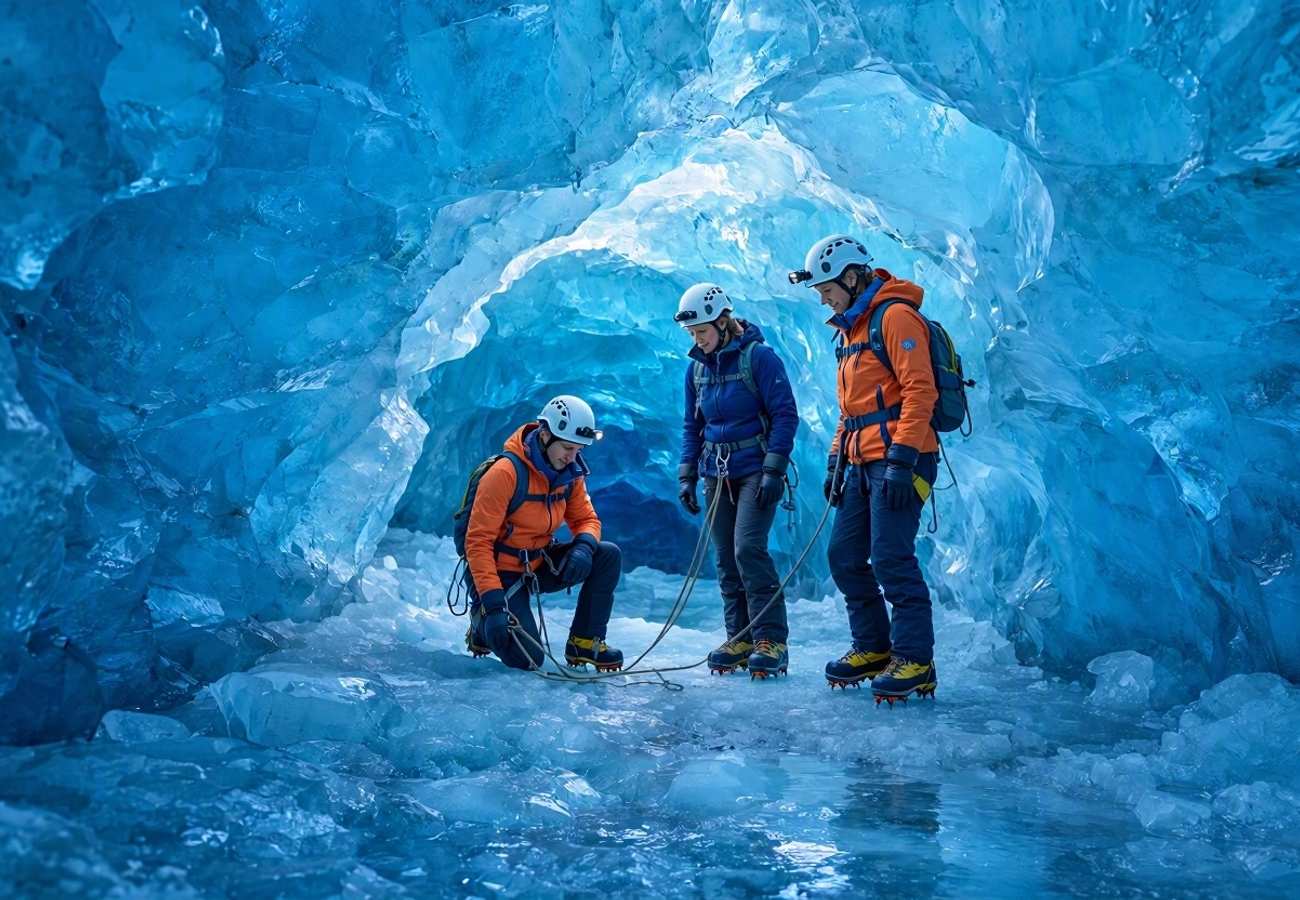
Iceland transitions to winter in November, opening natural ice caves in Vatnajokull while enforcing strict F-road closures and vehicle mandates for travelers.
Explore the world with latest tourism news and updates on international travel, destination intelligence, tourism industry revenue, and global traveler trends.
Iceland transitions to winter in November, opening natural ice caves in Vatnajokull while enforcing strict F-road closures and vehicle mandates for travelers.
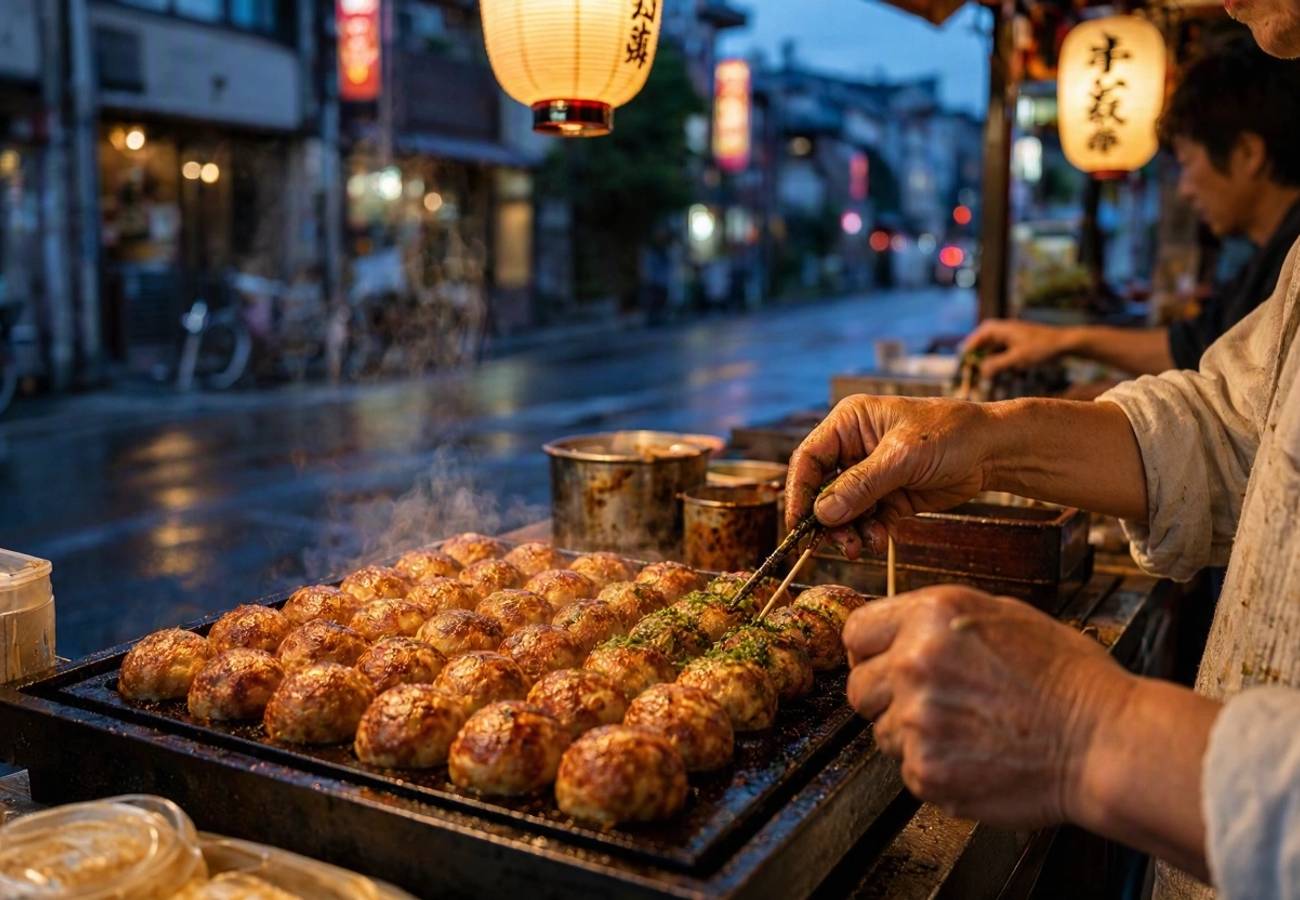
Culinary tourism is shifting from luxury dining to heritage-based exploration, with Japan, Mexico, and Italy leveraging UNESCO designations to drive regional travel beyond primary city hubs in 2026.
Rising measles cases in Pennsylvania are forcing a shift in travel logistics, requiring visitors to verify MMR vaccination status to avoid mandatory isolation and travel disruptions.
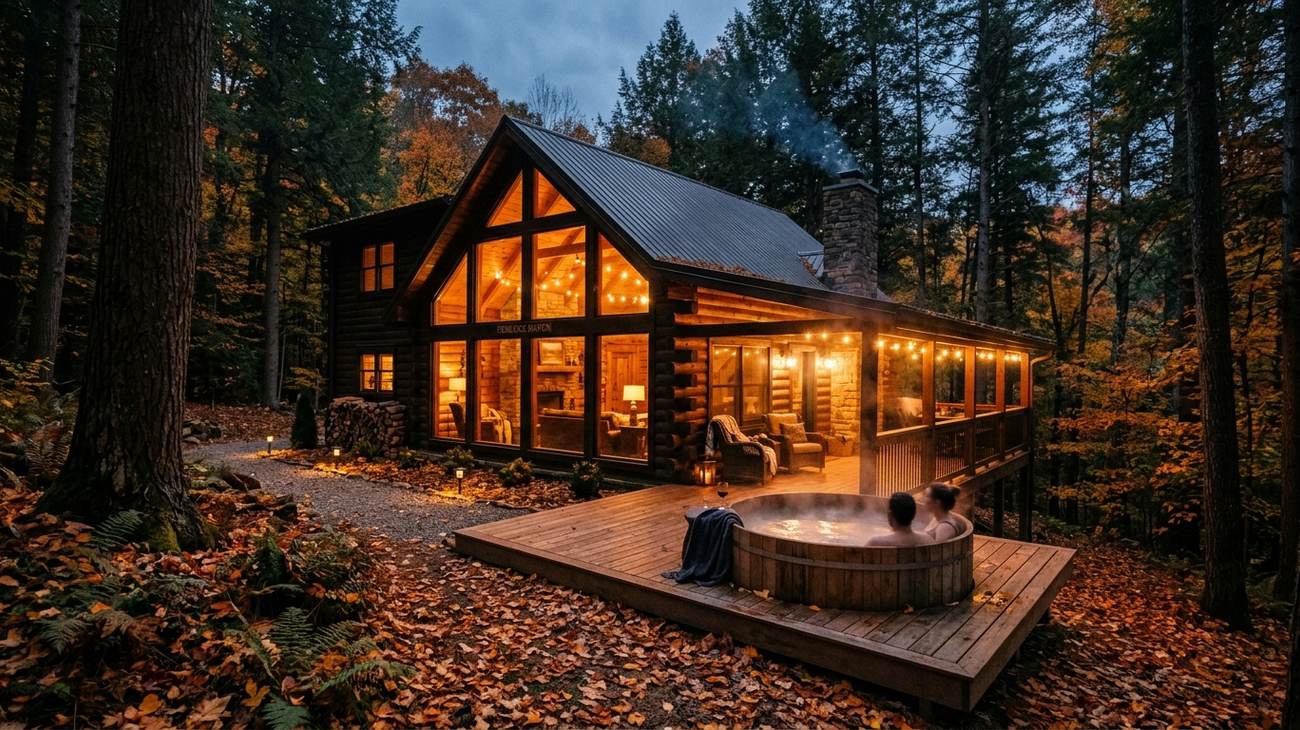
From secluded hemlock ravines in Hocking Hills to gas-lit brick lanes in German Village and sunset vineyards along Lake Erie, here are 11 authentic Ohio romantic weekend getaways experienced firsthand.
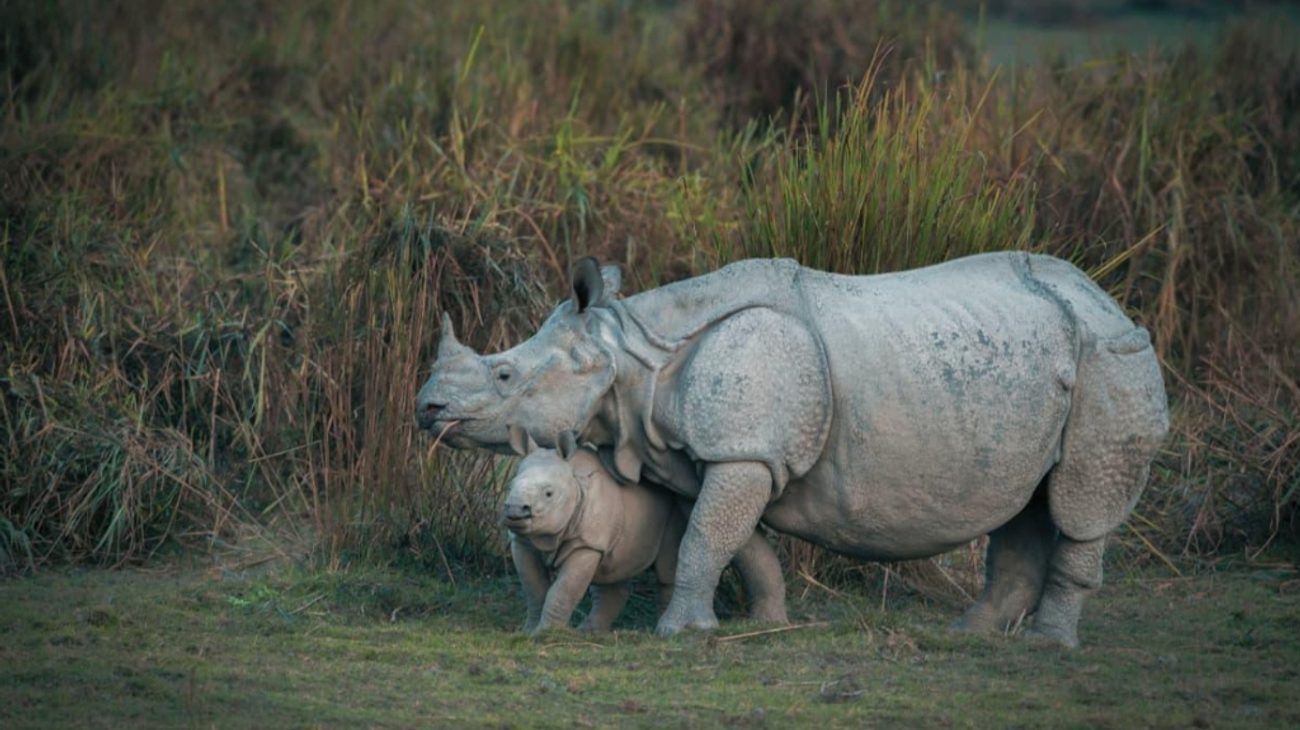
A comprehensive guide to Kaziranga National Park safari zones, comparing jeep vs elephant safaris, booking windows, gates, and essential rules for 2026.
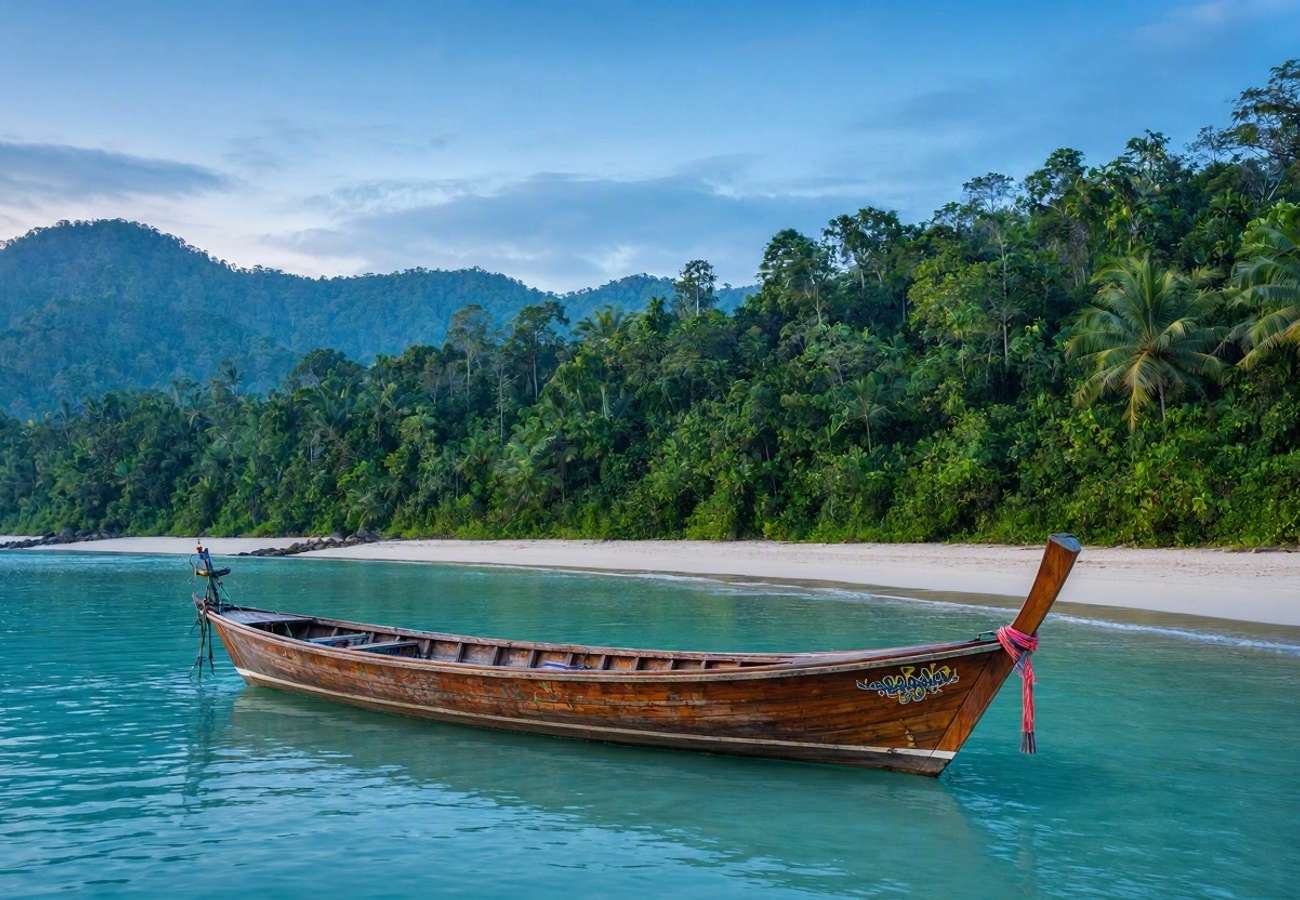
The Tourism Authority of Thailand is diverting European travelers from overcrowded hubs toward the untapped coasts of Khanom and Sichon and the rainforests of Khao Sok to balance regional tourism.
As Thailand nears 25 million arrivals in 2026, travelers from Russia, India, and the US face specific logistics during the winter peak. Learn how to optimize your transit and entry.
The US Department of State now requires B1/B2 visa applicants from 50 designated countries to post financial bonds between $10,000 and $20,000 to guarantee departure.
Thailand is aggressively expanding its footprint in the Italian luxury and long-haul market, leveraging new Airbus A350-900 aircraft and strategic partnerships to drive 14.7 billion baht in revenue.
Morocco and Albania are redefining global travel patterns in 2026, leveraging massive infrastructure investments and flexible visa policies to attract tourists fleeing overcrowded Mediterranean hotspots.
Spain recorded over 40 million overnight stays in September 2026, signaling a shift toward autumn travel as international visitors seek milder climates in Andalusia, Catalonia, and the Canary Islands.
The Japanese government has unveiled an aggressive tourism strategy for 2030, aiming for 60 million annual visitors and ¥15 trillion in spending while pushing travelers beyond Tokyo, Osaka, and Kyoto.