Global Culinary Tourism Growth 2026: Japan, Italy, and Mexico Lead UNESCO-Backed Gastronomy Trends

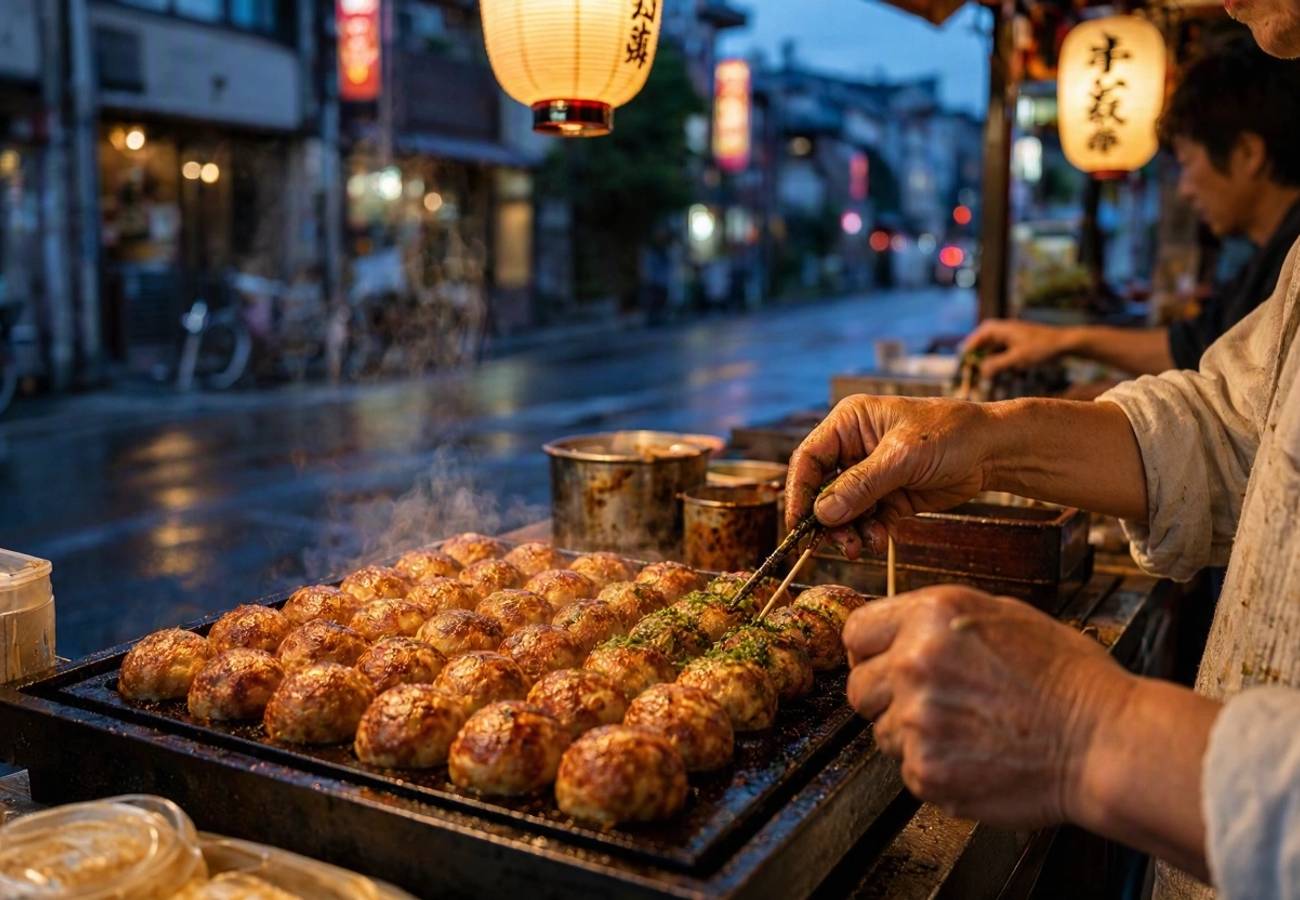
Image generated by AI
The transition of food from a travel amenity to a primary travel motivator has accelerated, with UNESCO-recognized culinary heritages now serving as the lead driver for regional tourism growth across Asia and Europe. While traditional sightseeing once dictated itineraries, the current market movement shows a decisive shift toward "gastronomy-first" planning, where travelers select destinations based on specific regional dishes and heritage certifications rather than landmarks.
The Gastronomy Market in Numbers: Heritage as a Catalyst
The current trajectory of culinary tourism is defined by the institutionalization of food. The recognition of Washoku (Japan), the Mediterranean diet (Italy/Spain), and traditional Mexican cuisine as UNESCO Intangible Cultural Heritages has transformed these traditions into measurable economic assets. This shift is moving the financial benefit away from centralized luxury hotels and toward decentralized, family-operated enterprises and street-level vendors.
In Japan, the data shows a strategic distribution of culinary appeal. While Tokyo remains the hub for high-end sushi and ramen, there is a marked increase in traffic toward Osaka for takoyaki and okonomiyaki, and Fukuoka for tonkotsu ramen. This indicates a pattern of "culinary dispersion," where travelers are venturing into secondary cities to find authentic regional specialities. Similarly, Vietnam is seeing a surge in interest for Hue’s bun bo Hue and Hoi An’s noodle dishes, moving the traveler's gaze beyond the primary hubs of Hanoi and Ho Chi Minh City.
According to the World Tourism Organization (UNWTO), this trend toward regionalism helps mitigate overtourism in capital cities by distributing passenger spend across a wider geographic area.
Comparative Regional Gastronomy Benchmarks
When comparing the culinary tourism models of 2026, we see a clear divide between "Street-Centric" markets and "Heritage-Centric" markets. Singapore and Thailand represent the peak of the street-food model, utilizing hawker centers and night markets to create high-volume, accessible entry points for tourists. In contrast, France and Italy utilize a "Gastronomic Meal" model, focusing on protected designations of origin and structured culinary trails.
The following table breaks down the current culinary landscape by region, identifying the primary draw and the specific urban centers driving the growth.
| Region | Primary Driver | Key Growth Hubs | Signature Market Focus |
|---|---|---|---|
| East Asia | Craftsmanship/UNESCO | Tokyo, Osaka, Beijing, Shanghai | Sushi, Peking Duck, Dumplings |
| Southeast Asia | Street Food/Multiculturalism | Bangkok, Singapore, Hanoi | Pad Thai, Laksa, Pho |
| Southern Asia | Regional Diversity | Delhi, Mumbai, Hyderabad | Biryani, Pav Bhaji, Chaat |
| Europe | Heritage/Protected Diet | Rome, Paris, Barcelona | Pasta, Pastries, Tapas |
| Americas | Traditional Roots/Fusion | Mexico City, New Orleans, Austin | Mole, Gumbo, BBQ |
| West Asia | Ottoman/Mediterranean | Istanbul, Gaziantep | Kebabs, Baklava, Börek |
What This Means for Travelers
For the modern nomad or culinary traveler, the data suggests that the "standard" tourist menu is becoming obsolete. To maximize value and authenticity in 2026, travelers should shift their booking and exploration strategies:
- Prioritize Secondary Cities: If visiting Japan or Vietnam, allocate 30-40% of your itinerary to secondary hubs like Fukuoka or Hue. These areas offer higher authenticity and lower price points than the capitals.
- Leverage UNESCO Maps: When planning a trip to Mexico or Italy, use UNESCO heritage lists to identify "protected" culinary zones. This ensures you are visiting regions where traditional recipes are legally and culturally preserved.
- Shift to "Experience" Bookings: The trend is moving toward cooking workshops and guided food walks. Booking these 4-6 weeks in advance is now necessary, as small-scale, family-operated experiences have limited capacity and higher demand.
- Budget for Street Gastronomy: In Singapore and Thailand, the highest quality experiences are often found in communal hawker centers. Travelers should allocate a larger portion of their "food budget" to cash-based street transactions rather than hotel dining.
For those tracking global aviation shifts to these food hubs, IATA data often reflects these trends through increased capacity to regional airports during peak harvest or festival seasons.
Forward Projection: The Future of Food Travel
The trajectory of culinary tourism is heading toward "Hyper-Regionalism." We expect to see the rise of "Micro-Culinary Zones," where tourism boards promote specific neighborhoods or villages based on a single dish or ingredient.
As the industry evolves, the focus will shift from the meal itself to the supply chain. Travelers will increasingly seek "Farm-to-Table" transparency, visiting the specific farmers and artisans who produce the ingredients for the dishes they eat. This evolution will likely lead to new visa categories or tourism packages specifically designed for agricultural and culinary study, further integrating the travel industry with local agrarian economies.
FAQ: Culinary Tourism 2026
Will food-focused travel be more expensive than traditional sightseeing? Not necessarily. While high-end gastronomy is costly, the current trend favors street food and family-run establishments in cities like Bangkok and Mexico City, which often provide more affordable alternatives to traditional tourist attractions.
Is it a good time to book culinary tours in Japan? Yes, but avoid the primary hubs of Tokyo and Kyoto. Data shows increasing value and availability in Fukuoka and Osaka, where regional specialties are currently seeing a surge in international interest.
Which regions are currently leading in street-food innovation? Singapore and Thailand remain the global benchmarks, though Vietnam is rapidly gaining market share due to the balance of fresh ingredients and the growth of street-food culture in Hanoi and Ho Chi Minh City.
The plate is the new passport; the menu is the new map.
Related Travel Guides
This article is for informational purposes. Flight routes, passenger regulations, visa rules, and transit advisories are subject to change by airlines and aviation authorities. Readers are advised to verify schedules and travel documentation with relevant carriers and border agencies before departure.
Related Stories

Thailand Unveils 2027 Tourism Strategy: Five Major Initiatives to Shift Focus to High-Value Travel

Iceland Winter Travel 2026: November Ice Cave Openings and Mandatory Safety Regulations