Pennsylvania Measles Outbreak 2026: Health Risks and Travel Logistics for Visitors

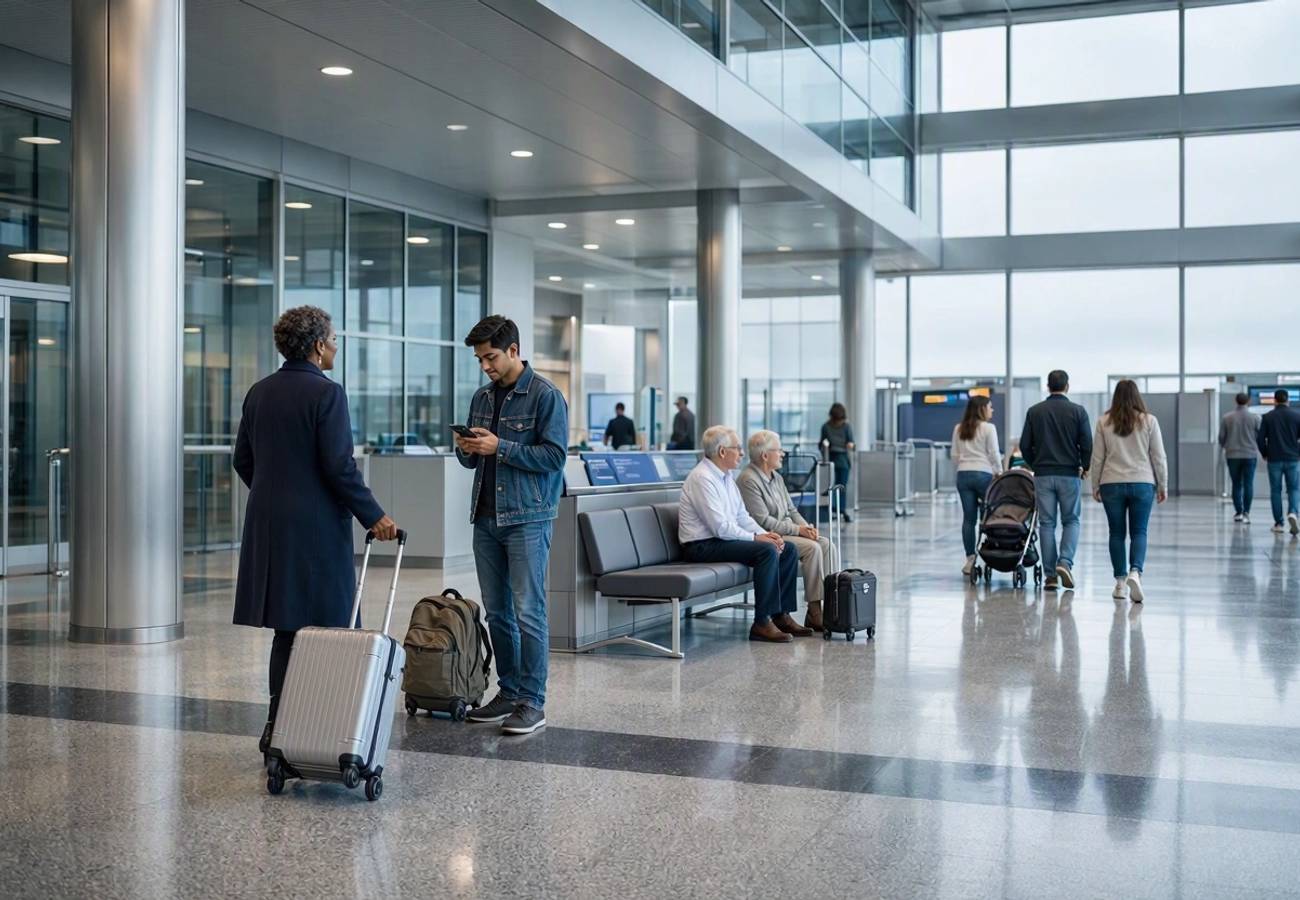
Image generated by AI
Two doses of the measles, mumps, and rubella (MMR) vaccine are now the primary defensive requirement for anyone entering the Commonwealth of Pennsylvania as the region faces a significant escalation in confirmed viral infections. This resurgence, which mirrors a troubling national trend across the United States, marks a reversal of the previous status where the virus was considered eliminated within domestic borders.
The Mechanics of the Pennsylvania Resurgence
The current spike in infections is not an isolated event but a result of declining immunization coverage and increased community transmission. Because the virus spreads via airborne respiratory droplets, high-traffic environments—specifically airports, hotel lobbies, and tourist landmarks—have become primary zones of risk.
State authorities have transitioned from baseline surveillance to an aggressive emergency response framework. This includes deploying emergency support requests to contain localized clusters and prevent the virus from infiltrating broader public domains. For the traveler, this means that the environment is no longer one of passive observation but of active containment.
Traveler Risk and Logistical Impacts
The high contagion rate of measles creates a volatile situation for domestic and international visitors. Those lacking full immunity are susceptible to exposure in congested transit hubs, which can lead to immediate and severe disruptions to their itineraries.
| Risk Factor | Impact on Traveler | Mitigation Strategy |
|---|---|---|
| Immunity Gap | High risk of infection in crowded venues | Verify 2-dose MMR vaccination status |
| Health Screenings | Potential delays at transit hubs | Carry digital or physical vaccination records |
| Positive Diagnosis | Mandatory isolation periods | Pre-arrange flexible travel insurance |
| Venue Closures | Modified itineraries due to containment | Monitor local health department alerts |
| Medical Costs | Unexpected expenses for isolation/care | Consult healthcare provider before departure |
Expert Analysis: The Legal and Financial Friction of Outbreaks
For travelers booking trips to Pennsylvania, the direct consequence of this outbreak is the introduction of "health friction." This manifests as a shift in how the hospitality and aviation sectors manage passenger flow. When a regional outbreak reaches this threshold, the risk is no longer just biological; it is logistical.
The pricing pressure this creates is subtle but real. As hotel occupancy rates may dip due to public anxiety, we may see temporary fluctuations in pricing. However, the more pressing issue is the legal implication of mandatory isolation. A tourist who contracts the virus is not merely a patient but a public health liability. Mandatory isolation periods can void non-refundable bookings and trigger complex insurance claims.
Furthermore, the coordination between the Centers for Disease Control and Prevention (CDC) and state health agencies means that health screenings could become more frequent. Travelers should expect a more proactive approach to health verification than in previous years. If you are unsure of your status, consulting the World Health Organization (WHO) guidelines on vaccination schedules is recommended to ensure compliance before crossing state lines.
Key Takeaways
- Vaccination is Mandatory for Safety: Ensure you have received both doses of the MMR vaccine to avoid infection and potential quarantine.
- Prepare for Isolation: Be aware that a positive diagnosis will result in mandatory isolation, which will disrupt return flights and hotel stays.
- Hygiene is Non-Negotiable: Use alcohol-based sanitizers and maintain strict respiratory hygiene in all Pennsylvania transit hubs.
- Avoid Congestion: Limit time spent in heavily crowded tourist attractions during active outbreak phases to minimize exposure.
- Pre-Trip Consultation: Visit a physician if vaccination records are missing to avoid medical complications while traveling.
FAQ: Pennsylvania Health Travel 2026
Do I need proof of vaccination to enter Pennsylvania? While there is currently no federal mandate for entry, health authorities strongly recommend carrying proof of two MMR doses to expedite medical care and avoid unnecessary quarantine if exposed.
What happens if I develop a rash or fever during my trip? Isolate immediately. You must contact a medical facility by telephone before visiting in person to prevent exposing other patients and staff in the waiting area.
Will this outbreak affect flight schedules to Philadelphia or Pittsburgh? Direct flight cancellations are unlikely, but individual passengers may face delays or boarding denials if they are identified as symptomatic or under mandatory isolation orders.
Is the MMR vaccine effective against the current strain? Yes, the MMR vaccine remains the gold standard for prevention. Two doses provide long-term protection for the vast majority of the population.
The shift from surveillance to active containment signals a new era where health documentation is as vital as a passport.
Related Travel Guides
This article is for informational purposes. Flight routes, passenger regulations, visa rules, and transit advisories are subject to change by airlines and aviation authorities. Readers are advised to verify schedules and travel documentation with relevant carriers and border agencies before departure.
Related Stories

Thailand Unveils 2027 Tourism Strategy: Five Major Initiatives to Shift Focus to High-Value Travel
Iceland Winter Travel 2026: November Ice Cave Openings and Mandatory Safety Regulations