
Japan Targets 60 Million International Visitors and ¥15 Trillion Spending by 2030
The Japanese government has unveiled an aggressive tourism strategy for 2030, aiming for 60 million annual visitors and ¥15 trillion in spending while pushing travelers beyond Tokyo, Osaka, and Kyoto.

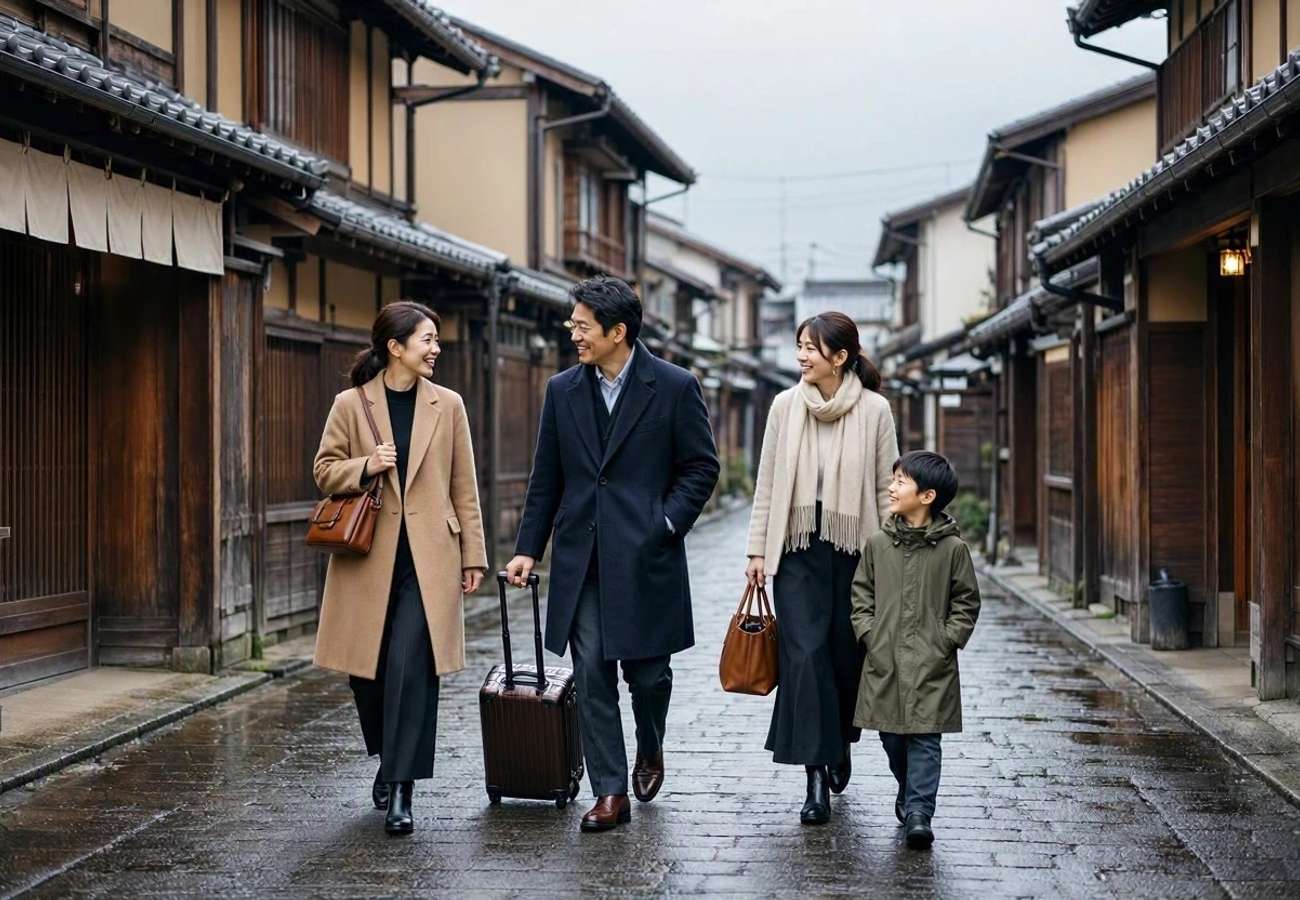
Image generated by AI
[Tokyo, October 28, 2026] — The Japanese government is aggressively scaling its international tourism ambitions, targeting 60 million annual visitors and ¥15 trillion in yearly inbound spending by 2030. This strategic pivot, formalized under the Fifth Tourism Nation Promotion Basic Plan approved on March 27, 2026, seeks to transition the country from a high-volume destination to a high-value economy.
The initiative is managed by the Japan Tourism Agency and the Japan National Tourism Organization (JNTO), with a primary focus on decentralizing tourism. While Tokyo, Osaka, and Kyoto remain the primary gateways, the government is now prioritizing regional connectivity and sustainable destination management to prevent overtourism in "Golden Route" cities and stimulate growth in rural prefectures.
The Catalyst for Strategic Shift
The current strategy is a response to the need for more sustainable growth and a higher economic yield per visitor. Despite a recent dip in monthly arrivals, spending per person is rising, signaling a shift toward luxury and high-spend demographics. The government is specifically targeting an increase in repeat visitors—aiming to grow this segment from 27.61 million to 40 million—to build long-term loyalty and deeper cultural engagement.
National Tourism Metrics and 2030 Projections
Current data shows a dichotomy between visitor volume and economic impact. While September 2026 saw a slight contraction in arrivals, the third quarter of the year demonstrated a steady climb in total expenditure.
Japan Tourism Data: Current Performance vs. 2030 Goals
| Tourism Indicator | Official Figure | Reference Period | 2030 Target |
|---|---|---|---|
| International Visitor Arrivals | 3,103,700 | September 2026 | 60 Million (Annual) |
| Inbound Tourism Expenditure | ¥2.2076 Trillion | Q3 2026 | ¥15 Trillion (Annual) |
| Repeat International Visitors | 27.61 Million | 2025 (Prov.) | 40 Million (Annual) |
| Avg. Expenditure per Visitor | ~¥234,000 | Q3 2026 | N/A |
| Total Guest-Nights | 62.68 Million | August 2026 | N/A |
| Room Occupancy Rate | 64.4% | August 2026 | N/A |
What This Means for Travelers
For the average traveler, Japan's shift toward "regionalization" and "high-value tourism" will manifest in several practical ways:
- Diversified Destinations: Expect more streamlined transport and English-language services in secondary cities like Kanazawa, Sendai, and Takayama. The government is actively promoting Hokkaido, Tōhoku, and Hokuriku to relieve pressure on Kyoto and Tokyo.
- Price Adjustments: With a goal of ¥15 trillion in spending, there is a clear push toward luxury offerings. Travelers may see an increase in high-end accommodation and "premium" experiences, which may lead to higher average costs for mid-tier services.
- Infrastructure Shifts: Better regional connectivity is a priority. This likely means expanded rail passes or improved bus networks connecting major hubs to rural attractions.
- Event-Driven Travel: Major events, such as the GREEN×EXPO 2027 in Yokohama, will create localized spikes in demand. Travelers planning trips for 2027 should book Yokohama accommodations well in advance.
The Roadmap to 2030: Regional Expansion
The government is expanding the number of regions that balance visitor attraction with resident quality of life from 47 to 100. This is a direct effort to mitigate the "tourism pollution" often cited in Kyoto.
Key Regional Focus Areas
- Yokohama: Preparing for the GREEN×EXPO 2027 (March 19 – September 26, 2027). The 100-hectare event is projected to attract 15 million participants, including 10 million paying visitors.
- Northern Japan: Sapporo, Hakodate, and Niseko are being positioned as year-round destinations rather than just winter hubs.
- Southern & Western Japan: Fukuoka, Hiroshima, and Okinawa are being integrated into broader itineraries to move visitors away from the traditional Tokyo-Osaka corridor.
FAQ: Japan Tourism Strategy 2030
Will it be harder to visit popular cities like Kyoto? Not necessarily, but the government is implementing "congestion management." You may find more incentives, discounts, or better transport options for visiting lesser-known sites to reduce crowds in central Kyoto.
Are flight prices expected to rise? September 2026 data already showed a decline in arrivals due to higher airfares and flight reductions. As Japan targets 60 million visitors, airline capacity will need to increase to stabilize prices.
What is the GREEN×EXPO 2027? It is a major international horticultural exhibition in Yokohama focusing on nature and environmental cooperation. It is expected to be a massive draw for international tourists in 2027.
Is Japan focusing more on luxury travelers? Yes. The target of ¥15 trillion in spending, combined with a rise in average expenditure to ¥234,000 per visitor, indicates a strategic move toward high-spending tourists and luxury services.
Japan is betting that the future of its tourism lies not in the number of passports stamped, but in the depth of the pockets and the breadth of the map explored.
Related Travel Guides
Disclaimer
This article is for informational and educational purposes only. It does not constitute legal, financial, or professional advice. While we strive to provide accurate and up-to-date information, travel policies, regulations, and conditions change rapidly. Always verify information with official sources before making travel decisions. Nomad Lawyer makes no representations about the accuracy, reliability, completeness, or suitability of the information provided. Readers should consult qualified professionals for advice specific to their circumstances. The views expressed in this article are those of the author and do not necessarily reflect the views of Nomad Lawyer.
Kunal K Choudhary
Co-Founder & Contributor
A passionate traveller and tech enthusiast. Kunal contributes to the vision and growth of Nomad Lawyer, bringing fresh perspectives and driving the community forward.
Learn more about our team →