Iceland Winter Travel 2026: November Ice Cave Openings and Mandatory Safety Regulations

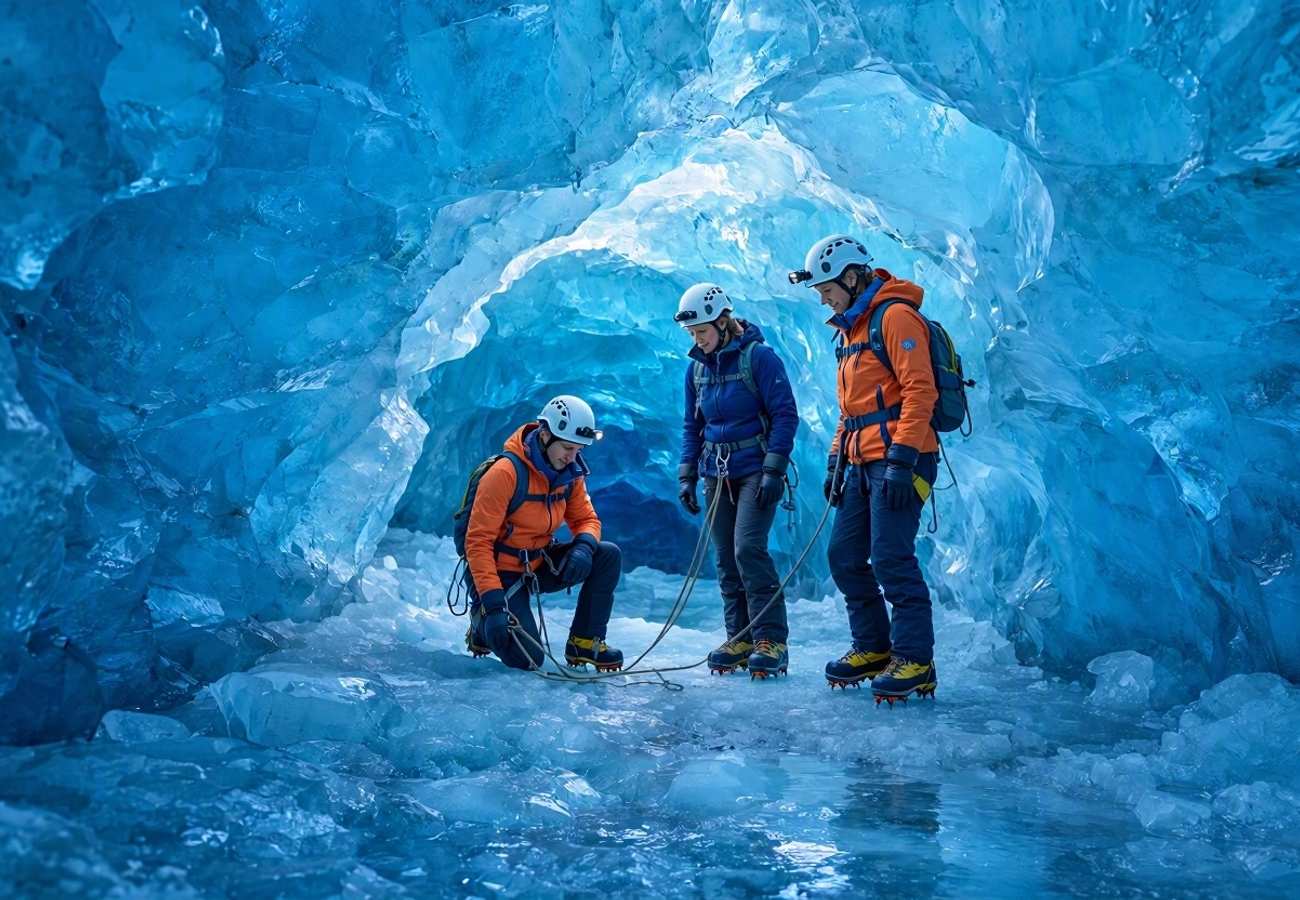
Image generated by AI
[Reykjavik, October 28, 2026] — Iceland enters its primary winter transition this November, triggering the official opening of natural ice caves in the Vatnajokull Glacier and the legal closure of interior mountain routes. The shift brings a stark Arctic environment characterized by shrinking daylight and volatile weather patterns that mandate specific gear and vehicle requirements for all visitors.
The transition is marked by a significant drop in temperatures and a rise in cloud cover, which averages 72 percent throughout the month. In Reykjavik, temperatures typically fluctuate between 33 and 46 degrees Fahrenheit (1 to 8 degrees Celsius), though inland and northern regions experience much harsher conditions. Despite the clouds, November is noted for having the lowest average cloud density of the entire aurora season, providing strategic windows for Northern Lights sightings.
Winter Accessibility and Site Openings
The freezing of meltwater streams in November stabilizes the brilliant blue crystal chambers of the Vatnajokull Glacier, allowing certified guide services to begin ice cave tours. These sites are strictly regulated; unauthorized entry is illegal to protect the fragile subglacial environment and ensure passenger safety.
Beyond the glaciers, the "Golden Circle"—comprising Þingvellir National Park, the Geysir Geothermal Area, and Gullfoss waterfall—remains open. However, the South Coast routes connecting Seljalandsfoss, Skogafoss, and the Jokulsarlon Glacier Lagoon now require increased caution due to icy walkways and wind-blown snow.
November Travel Logistics and Constraints
Travelers facing the November climate must adhere to strict logistical mandates to avoid fines or emergency situations. The most critical restriction involves "F-roads" (interior mountain roads), which are legally closed to all traffic to prevent accidents related to avalanches and unstable terrain.
Mandatory Vehicle and Gear Requirements
| Requirement | Specification | Purpose |
|---|---|---|
| Vehicle Type | 4WD (Four-Wheel Drive) | Mandatory for winter traction and safety |
| Tires | Certified Winter Tires | Required for ice and snow navigation |
| Footwear | Waterproof with deep tread | Prevention of slips on icy coastal paths |
| Accessories | Microspikes or Crampons | Essential for waterfall and outlook access |
| Clothing | Thermal base + Waterproof shell | Protection against wind-chill and precipitation |
What This Means for Travelers
For those booking trips right now, the "corporate" transition to winter means a shift from leisure sightseeing to tactical exploration.
First, self-driving is higher risk. Travelers must use official portals like Umferdin.is for real-time road closures and Vedur.is for weather alerts. Rental agencies now employ GPS tracking to monitor vehicle locations; venturing onto a closed F-road will result in heavy financial penalties.
Second, the "low season" provides a financial advantage. November is one of the three most affordable months for flights and accommodation. However, these savings are often offset by the necessity of renting more expensive 4WD vehicles and hiring certified guides for glacier access.
Third, cultural etiquette remains strict. Visitors to geothermal sites, including the Blue Lagoon or Sky Lagoon, must follow the mandatory protocol of showering thoroughly without swimwear before entering the water.
The 2026 Winter Tourism Outlook
The Icelandic tourism industry has pivoted from being a summer-centric destination to a year-round operation. This is supported by enhanced road maintenance and real-time tracking infrastructure.
Urban hubs like Reykjavik continue to drive November traffic via events such as the Iceland Airwaves music festival. This creates a dual-market where visitors balance high-adrenaline Arctic excursions—such as snowmobiling and ice caving—with urban cultural events and geothermal relaxation.
FAQ: Iceland Winter Travel 2026
Is it safe to rent a car in Iceland in November? Yes, provided you rent a 4WD vehicle with winter tires. You must monitor Umferdin.is daily. Avoid all F-roads, as they are legally closed and GPS-monitored by rental agencies.
Can I visit ice caves without a guide? No. Self-guided entry into natural ice caves is strictly illegal. You must use certified guide services equipped with helmets and crampons for safety and environmental conservation.
What is the best way to see the Northern Lights in November? Travelers should move away from Reykjavik's light pollution. Recommended dark-sky locations include the Grotta Lighthouse and Þingvellir National Park, or via professional guided aurora excursions.
What are the essential clothing layers for November? Use a three-tier system: thermal base layers for heat retention, fleece or down mid-layers for insulation, and a fully waterproof and windproof outer shell to protect against sleet and rain.
Arctic beauty demands absolute adherence to safety protocols.
Related Travel Guides
This article is for informational purposes. Flight routes, passenger regulations, visa rules, and transit advisories are subject to change by airlines and aviation authorities. Readers are advised to verify schedules and travel documentation with relevant carriers and border agencies before departure.
Related Stories

Thailand Unveils 2027 Tourism Strategy: Five Major Initiatives to Shift Focus to High-Value Travel

Global Culinary Tourism Growth 2026: Japan, Italy, and Mexico Lead UNESCO-Backed Gastronomy Trends