
Thailand Opens Southern Hidden Gems: TAT Targets European Markets with Khanom and Sichon Routes 2026
The Tourism Authority of Thailand is diverting European travelers from overcrowded hubs toward the untapped coasts of Khanom and Sichon and the rainforests of Khao Sok to balance regional tourism.

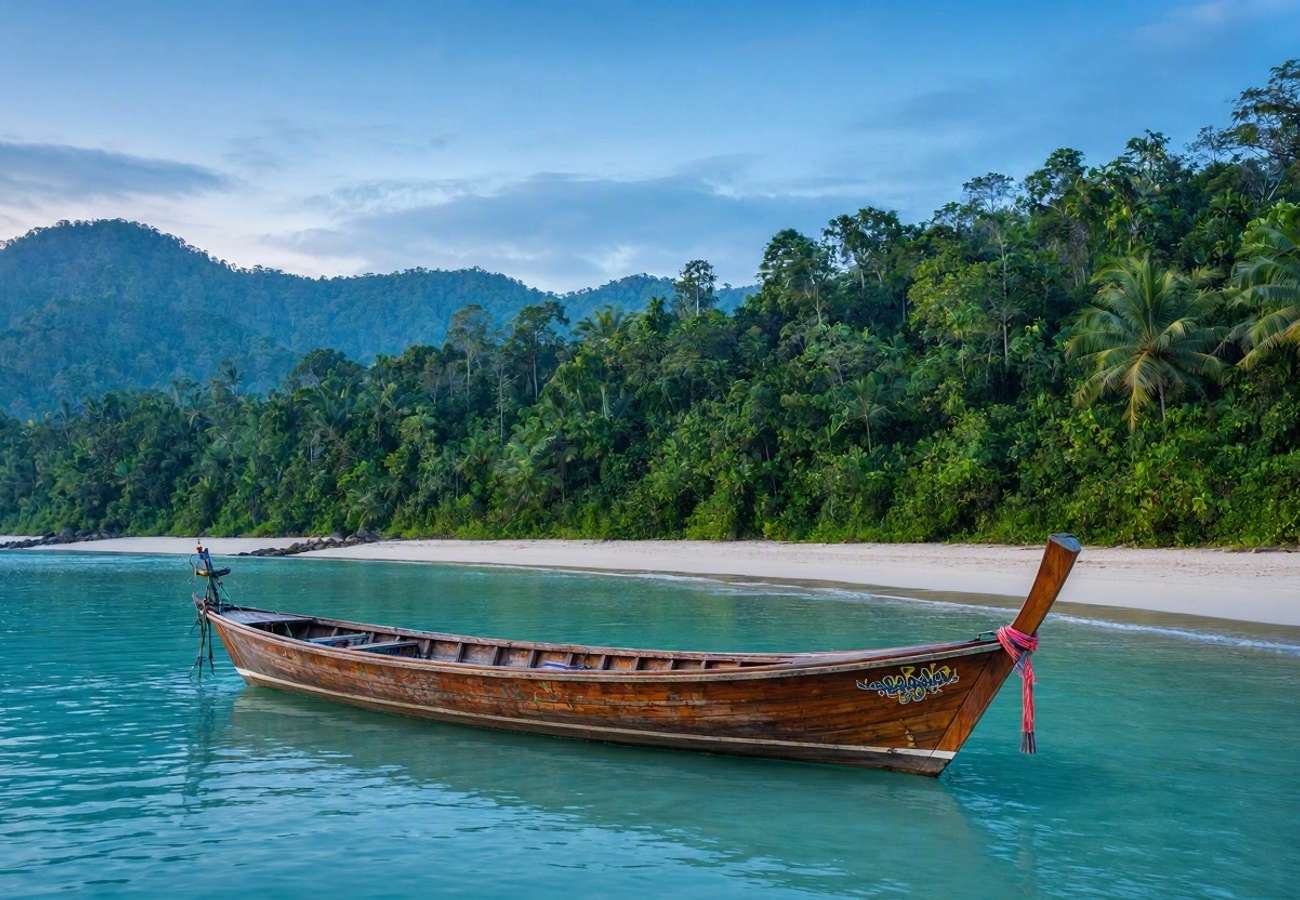
Image generated by AI
Wat Phra Mahathat Woramahawihan, a historic Buddhist monastery in Nakhon Si Thammarat, officially joined the UNESCO World Heritage List in 2026, marking Thailand’s ninth recognized property. This designation is the catalyst for a strategic shift in how the country markets its south, moving the spotlight away from the exhausted shores of Phuket and Samui toward the quiet, authentic rhythms of the mainland coast.
The Shift Toward Decentralized Tourism
The Tourism Authority of Thailand (TAT), operating through its Frankfurt office, is actively steering European tour operators toward "The Link Plus" program. Between 9-16 October 2026, ten specialists from Austria, Switzerland, and Germany participated in an eight-day immersion designed to integrate less-trodden paths into longer holiday itineraries.
The goal is not to replace the famous hubs but to extend the visitor's journey. By linking the coastal serenity of Nakhon Si Thammarat with the rugged interiors of Surat Thani, TAT aims to distribute wealth more equitably across local hotels and village-based businesses. This strategy targets a specific demographic: the high-spending German market, which saw 640,674 arrivals between 1 January and 30 September 2026. These visitors are ideal for multi-stop routes, averaging a stay of 15.58 days and spending 58,814 baht per trip.
What Makes Southern Thailand's Mainland Different
Unlike the manicured resorts of the west coast, the regions of Khanom and Sichon offer a raw, understated elegance. Here, the experience is defined by space and silence rather than beach clubs and nightlife.
The allure of this route lies in the contrast. A traveler can spend a morning on the quiet sands of Sichon and, within a short journey, find themselves in the emerald waters of Cheow Lan Lake in Khao Sok. The floating accommodations of the lake provide a stark atmospheric shift from the coastline, offering a deep dive into one of the world's oldest rainforests.
Cultural depth is added through community-led tourism in Tha Kham and Phrom Lok. These are not staged performances for tourists but invitations into the daily lives of local residents, complemented by the spiritual gravity of the newly minted UNESCO site in Nakhon Si Thammarat city.
Regional Logistics and Seasonal Windows
Planning a trip to this region requires an understanding of the monsoon patterns, which differ from the Andaman coast. The mainland south has a distinct rhythm that allows for year-round exploration if paired correctly.
| Destination | Primary Appeal | Optimal Visit Window | Key Experience |
|---|---|---|---|
| Khanom & Sichon | Quiet Beaches / Coastal Life | February to September | Local Batik workshops & secluded shores |
| Khao Sok | Rainforest / Lake Living | Year-round | Floating bungalows & jungle trekking |
| Nakhon Si Thammarat | Heritage / Spirituality | Year-round | Wat Phra Mahathat Woramahawihan |
Visitor Insider Tips
To experience this region like a local rather than a package tourist, consider these specific adjustments to your itinerary:
- Base Yourself in Khanom: Instead of a single hotel, split your time between a boutique beachfront property in Khanom and a floating raft house in Cheow Lan Lake to experience the full environmental contrast.
- The Batik Connection: When visiting Nakhon Si Thammarat, seek out local artisans producing traditional batik fabrics. This is the region's signature craft and far more authentic than the mass-produced silks found in Bangkok.
- Timing the Lake: To avoid the midday heat and the few crowds that do visit Khao Sok, arrange your lake excursions for the earliest possible morning slot (typically 6:00 AM).
- Transport Hack: While tour operators are building these packages, the most authentic way to navigate between Surat Thani and Nakhon Si Thammarat is via private hire or local transport, allowing for unscheduled stops in small villages.
- Etiquette at UNESCO Sites: When visiting Wat Phra Mahathat, ensure shoulders and knees are covered. While the site is now a global landmark, it remains a deeply active place of worship. For official travel requirements and entry rules, check the Tourism Authority of Thailand.
Cultural and Environmental Context
The promotion of Khanom, Sichon, and Khao Sok is a direct response to the environmental pressures facing Thailand's primary tourism hubs. Over-tourism in the islands has led to coral bleaching and waste management crises. By diverting the flow of European travelers to the mainland, TAT is attempting to create a "buffer" that protects fragile ecosystems while providing economic stability to rural communities.
The integration of community-based tourism in Phrom Lok and Tha Kham ensures that the financial benefits of tourism reach the households directly, rather than being absorbed by international hotel chains. This model of "slow travel" encourages visitors to stay longer and engage more deeply, reducing the carbon footprint per day of stay and fostering genuine cross-cultural exchange.
FAQ: Visiting Southern Thailand 2027
What is the best time to visit the mainland south? For the beaches of Khanom and Sichon, February through September is ideal. Khao Sok and the cultural sites of Nakhon Si Thammarat are accessible year-round, though the rainy season brings a lush, vivid green to the rainforests.
Do I need a visa for Thailand? Visa requirements depend on your nationality. Most European citizens (including Germans, Swiss, and Austrians) typically benefit from visa-exemption schemes for short tourist stays, but you should verify current rules via your local embassy or the official government portal.
How do I get to these hidden gems from Bangkok? The most efficient way is to fly from Bangkok to Surat Thani or Nakhon Si Thammarat. From there, local transport or pre-arranged transfers via your tour operator can take you to the specific coastal or lake destinations.
Is the region safe for solo travelers? Yes, Southern Thailand is generally very safe. However, these areas are quieter than Phuket; solo travelers should book reputable accommodation and use registered transport services to ensure a smooth experience.
Trade the crowded umbrellas of the islands for the silent rainforests and ancient temples of the mainland.
Related Travel Guides
Disclaimer
This article is for informational and educational purposes only. It does not constitute legal, financial, or professional advice. While we strive to provide accurate and up-to-date information, travel policies, regulations, and conditions change rapidly. Always verify information with official sources before making travel decisions. Nomad Lawyer makes no representations about the accuracy, reliability, completeness, or suitability of the information provided. Readers should consult qualified professionals for advice specific to their circumstances. The views expressed in this article are those of the author and do not necessarily reflect the views of Nomad Lawyer.
Raushan Kumar
Founder & Lead Developer
Full-stack developer with 11+ years of experience and a passionate traveller. Raushan built Nomad Lawyer from the ground up with a vision to create the best travel and law experience on the web.
Learn more about our team →