
Warsaw Shows Amazing Summer Attractions Beyond Ordinary European Holidays
Warsaw Shows Amazing Summer Attractions Beyond Ordinary European Holidays

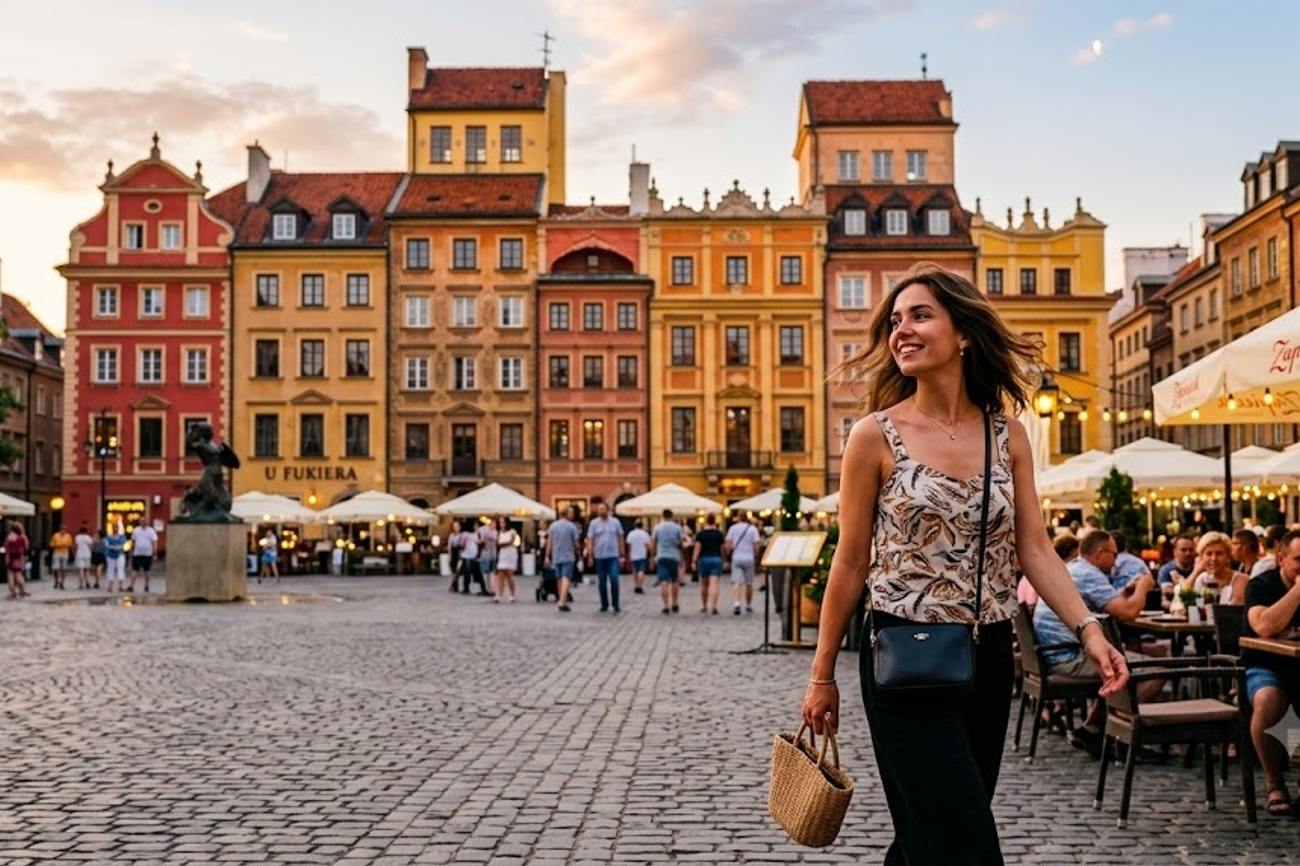
Image generated by AI
Warsaw’s Old Town is not actually "old" in the traditional sense—it is one of the most meticulous architectural recreations in human history. After being systematically leveled during World War II, the city didn't just rebuild; residents used 18th-century paintings and old photographs to reconstruct every facade of the UNESCO World Heritage site with haunting precision.
The Resurrection of the Polish Capital
Warsaw is currently experiencing a shift in how it is perceived by the global travel community. For decades, it was viewed as a transit hub between the medieval charm of Kraków and the Baltic breezes of Gdańsk. Now, the city is establishing its own identity as a premier summer destination. The draw is a specific tension between the city's traumatic history and its current, vibrant energy. Visitors are finding a capital that manages to be both a museum of resilience and a modern metropolis of avant-garde cafes and riverside lounges.
The city's appeal lies in its accessibility. Unlike the prohibitively expensive hubs of Western Europe, Warsaw maintains a price point that allows for extended stays. This affordability extends from the boutique hostels in the city center to the high-end dining rooms serving modern interpretations of Polish classics. The current trend is a move toward "slow travel," where visitors spend a week absorbing the rhythm of the Vistula River rather than rushing through a 48-hour checklist of monuments.
What Makes Warsaw Different
The soul of Warsaw is found in its contradictions. You can spend a morning in the UNESCO World Heritage Old Town, where the cobblestones and colorful townhouses evoke a pre-war era, and by afternoon, you are standing in front of the Warsaw Rising Museum, which uses immersive, industrial design to convey the grit of the 1944 uprising. This isn't a city of static monuments; it is a city of narratives.
Geographically, Warsaw is an anomaly among European capitals due to its integration of massive green lungs. The city doesn't just have parks; it has royal estates that function as open-air galleries. Łazienki Park is the crown jewel here. It isn't merely a place for a stroll; it is a complex of palaces and gardens where the architecture is designed to blend seamlessly with the surrounding nature. The experience of seeing a palace reflect in a still pond while peacocks roam the lawns provides a psychological reprieve from the urban density.
Then there is the Vistula River. While many European cities have manicured, stone-walled riverfronts, Warsaw’s Vistula retains a wilder, more organic feel. The riverside has evolved into the city's social heart during the summer months. It is where the formal history of the Royal Castle meets the informal energy of beach bars, cycling paths, and sunset gatherings. This duality—the royal and the raw—is what defines the Warsaw experience.
Visitor Insider Tips
To experience Warsaw like someone who actually lives here, you have to move beyond the primary tourist corridors.
Timing Your Visits: If you want to experience the Old Town Market Square without the crowds, arrive before 9:00 AM. The light hitting the colorful facades is best at dawn, and you'll have the narrow streets to yourself before the tour groups arrive. For Łazienki Park, mid-week afternoons are the quietest.
Transport Hacks: Avoid taxis for short trips. The city is incredibly compact and highly walkable, but for longer distances, the public transport system is efficient and affordable. Use the tram network to get a better sense of the city's layout than you would from the metro. For those planning to extend their trip, the high-speed rail connections to Kraków and Gdańsk are the gold standard—far more relaxing and scenic than flying.
Local Flavors: Skip the "tourist menus" in the center. Look for mleczny (milk bars)—subsidized cafeterias that have existed since the socialist era. They serve authentic pierogi and żurek (sour rye soup) at prices that are nearly unbeatable. Pair your meal with a local craft beer, as Warsaw has a booming microbrewery scene that rivals any in Europe.
Etiquette and Nuance: Poles are generally reserved at first but deeply hospitable once a conversation starts. A simple "Dzień dobry" (Good day) goes a long way in local shops. When visiting the Warsaw Rising Museum or other historical sites, remember that the history here is deeply personal for many families; a respectful, quiet demeanor is appreciated.
Cultural and Environmental Context
Tourism in Warsaw is an exercise in memory. The reconstruction of the Old Town was not just about aesthetics; it was a political and emotional act of defiance. By rebuilding the city, Poland reclaimed its identity. Today, the challenge for the city is balancing this heritage with the pressures of modern urbanization.
The Vistula River serves as a primary case study in environmental urbanism. The city has fought to keep parts of the riverbank "wild" rather than fully concreted, recognizing the ecological importance of the riparian forests. This creates a unique urban corridor that supports local biodiversity while providing a cooling effect for the city during increasingly hot European summers.
Furthermore, the city's relationship with the arts is an active part of daily life. The legacy of Frédéric Chopin isn't confined to a museum; it is woven into the city's auditory fabric. During the summer, free Chopin concerts in the parks bring thousands of people together, bridging the gap between high art and public accessibility. This democratization of culture is a core tenet of Warsaw's current social identity. For more official guidance on cultural events, the Polish Tourism Organization provides updated calendars of festivals and exhibitions.
FAQ: Visiting Warsaw 2025
What is the best time to visit? The window from June to August is ideal. The weather is warm, the Vistula riverside is fully active, and the royal parks are in full bloom. September is also excellent for those who prefer milder temperatures and fewer crowds.
Do I need a visa? Poland is part of the Schengen Area. Citizens of the US, Canada, and the UK generally do not need a visa for short stays (up to 90 days), but always check current ETIAS requirements before departing.
How do I get there from major hubs? Warsaw Chopin Airport (WAW) is the primary international gateway. From the airport, the city center is easily accessible via train or taxi. If arriving from other Polish cities, the Centralna railway station is the main hub.
Is it safe for solo travelers? Yes, Warsaw is considered very safe for solo travelers. The city is well-lit, public transport is secure, and there is a high density of English speakers in the central districts and tourist areas.
Warsaw is a city that refused to disappear, and that stubborn spirit is exactly why it feels so alive today.
Tags: Warsaw-Travel-2025, Poland-Summer-Vacation, Vistula-River-Guide, UNESCO-Warsaw-Old-Town, Lazienki-Park-Tips
Related Travel Guides
- Sweden’s Food Festivals Transform Travel With Authentic Nordic Flavours and Cultural Experiences
- Saudi Arabia Issues Urgent Travel Alert Across Jeddah, Abha, Jazan And Taif As Safety Measures Intensify
- China Travel Rules 2026 Tighten Global Mobility With New Exit Bans, Tech Controls and Passport Restrictions
Disclaimer
This article is for informational and educational purposes only. It does not constitute legal, financial, or professional advice. While we strive to provide accurate and up-to-date information, travel policies, regulations, and conditions change rapidly. Always verify information with official sources before making travel decisions. Nomad Lawyer makes no representations about the accuracy, reliability, completeness, or suitability of the information provided. Readers should consult qualified professionals for advice specific to their circumstances. The views expressed in this article are those of the author and do not necessarily reflect the views of Nomad Lawyer.
Naina Thakur
Contributor & Travel Specialist
Travel enthusiast and legal writer covering visa regulations, responsible tourism, and cultural journeys across global destinations.
Learn more about our team →