
Saudi Arabia Issues Urgent Travel Alert Across Jeddah, Abha, Jazan And Taif As Safety Measures Intensify
Saudi Arabia Issues Urgent Travel Alert Across Jeddah, Abha, Jazan And Taif As Safety Measures Intensify

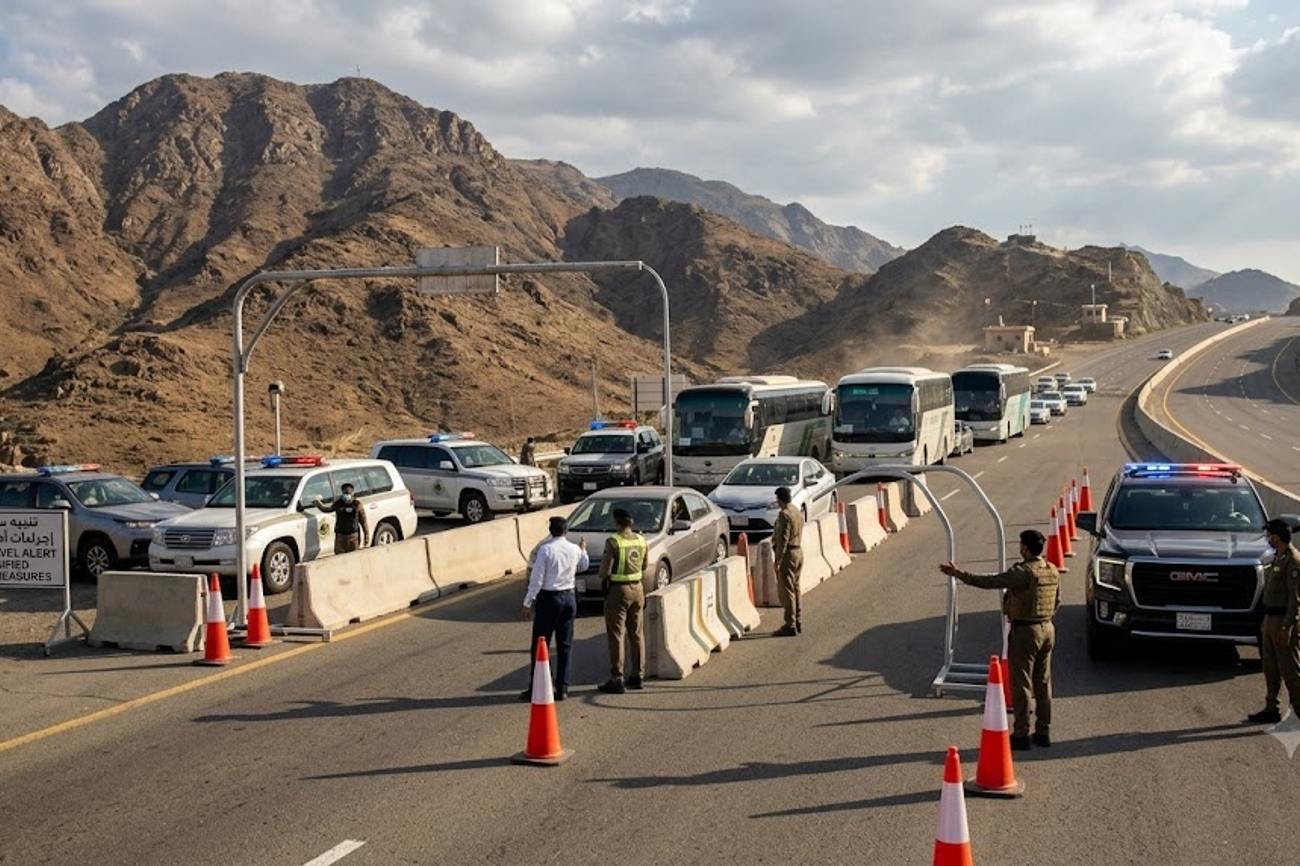
Image generated by AI
Six distinct governorates and provinces—Jeddah, Abha, Jazan, Taif, AlUla, and Yanbu—were placed under urgent safety alerts following emergency warnings issued by the Saudi Civil Defence. These alerts, disseminated via the National Early Warning Platform, signaled potential danger situations across a geographic spread that encompasses the Kingdom's primary Red Sea gateways, high-altitude mountain retreats, and critical archaeological zones. While the Saudi Civil Defence has since confirmed that the immediate threat has passed and normal activities may resume, the event serves as a high-visibility stress test for the Kingdom's emergency communication infrastructure during a period of heightened regional volatility.
The Architecture of Saudi Emergency Alerts
The activation of the National Early Warning Platform across these specific regions was not a localized event but a systemic response to detected risks. The alerts targeted a diverse array of logistical hubs: Jeddah, which serves as the primary entry point via King Abdulaziz International Airport; Yanbu, a strategic industrial and coastal center; and AlUla, a cornerstone of the Kingdom's luxury cultural tourism expansion.
The protocol mandated by the Civil Defence during the alert period was stringent. Individuals were instructed to vacate open spaces and rooftops, avoiding balconies, doors, and windows. The directive specifically targeted residents and international visitors in hotels and transportation hubs, emphasizing a "shelter-in-place" strategy until the all-clear was issued. This level of coordination is part of a broader state investment in protecting the millions of annual visitors arriving for business, leisure, and religious pilgrimage, ensuring that the movement of people does not impede emergency response efforts.
Geographic Scope and Logistics Impact
The alerts covered a wide swath of the Kingdom, impacting various tourism segments from the Red Sea coast to the Asir mountains. The following table outlines the strategic importance of the affected areas:
| Location | Primary Travel Role | Key Infrastructure/Attraction |
|---|---|---|
| Jeddah | International Gateway | King Abdulaziz International Airport |
| Abha | Nature/Cultural Tourism | Asir Region Highlands |
| Jazan | Coastal/Island Tourism | Red Sea Coastline |
| Taif | Summer/Heritage Tourism | Mountain Gardens |
| AlUla | Luxury/Archaeological | Heritage Sites & Cultural Projects |
| Yanbu | Industrial/Coastal | Red Sea Port Facilities |
Despite the urgency of the warnings, the operational impact on the travel sector was minimal. There were no reports of prolonged airport closures or systemic cancellations of tourism packages. This suggests that the Saudi government is prioritizing "invisible" security—where warnings are rapid and precise—to avoid the economic fallout of widespread travel disruption.
Expert Analysis: The Geopolitical Friction of Vision 2030
For travelers and corporate entities operating in the region, these alerts are not isolated safety drills; they are direct symptoms of the geopolitical friction involving the Houthi movement in Yemen. The specific inclusion of Jazan and Abha—regions in closer proximity to the Yemeni border—alongside Red Sea hubs like Jeddah and Yanbu, indicates a security posture designed to counter asymmetric threats, such as drone or missile activity, which have historically targeted Saudi infrastructure.
The direct consequence for the traveler is a new operational reality: the "digitized safety layer." As Saudi Arabia pushes toward its Vision 2030 goals of diversifying the economy through tourism, it must balance an open-door policy with a high-alert security environment. The reliance on the National Early Warning Platform means that a visitor's primary safety tool is no longer just the hotel concierge, but their smartphone and official government channels.
The pricing pressure this creates is subtle but present. Increased security overhead and the necessity for robust emergency infrastructure are costs that eventually migrate into the pricing of luxury tourism projects in AlUla or the operational costs of airlines like Saudia. For the nomad lawyer or business traveler, the risk is not necessarily the "danger" itself—which the Civil Defence managed to neutralize quickly—but the potential for sudden, short-term mobility freezes that can disrupt tight itineraries.
Key Takeaways
- Rapid Resolution: The Saudi Civil Defence confirmed the danger had passed shortly after the alerts, resulting in no long-term travel restrictions or major airport shutdowns.
- High-Risk Zones: Alerts specifically targeted the Red Sea coast (Jeddah, Yanbu, Jazan) and the southwestern highlands (Abha, Taif), as well as the cultural hub of AlUla.
- Security Drivers: The warnings are linked to heightened regional tensions and monitoring of attacks associated with Yemen's Houthi movement.
- Protocol for Visitors: During alerts, the mandated safety behavior is to move inside buildings, stay away from windows/balconies, and avoid gathering in open spaces.
- Digital Reliance: Travelers are urged to bypass unverified social media reports and rely exclusively on official government communication channels.
FAQ: Saudi Arabia Travel Safety 2024
What should I do if I receive an emergency alert while in Saudi Arabia? Immediately move inside a sturdy building. Stay away from windows, balconies, and rooftops. Avoid open spaces and follow all instructions from local authorities until the Saudi Civil Defence issues an official all-clear.
Are flights currently cancelled in Jeddah or AlUla due to these alerts? No. Following the recent alerts, there have been no reports of major airport closures or widespread flight cancellations. Normal aviation operations have resumed across the affected governorates.
Is it safe to visit the Asir region (Abha/Jazan) right now? While the immediate danger has passed, these areas are subject to higher security monitoring due to their proximity to Yemen. Travelers should register with their embassies and monitor the International Air Transport Association (IATA) for any travel advisories.
Where can I find official emergency updates in the Kingdom? Travelers should follow the official channels of the Saudi Civil Defence and the National Early Warning Platform. Avoid relying on third-party news aggregators for real-time safety instructions.
The intersection of ambitious tourism growth and regional instability makes the smartphone the most critical piece of safety equipment for the modern traveler in the Kingdom.
#SaudiCivilDefence #Vision2030 #JeddahTravel #AlUlaTourism #HouthiSecurityAlerts #SaudiArabiaSafety
Related Travel Guides
Disclaimer
This article is for informational and educational purposes only. It does not constitute legal, financial, or professional advice. While we strive to provide accurate and up-to-date information, travel policies, regulations, and conditions change rapidly. Always verify information with official sources before making travel decisions. Nomad Lawyer makes no representations about the accuracy, reliability, completeness, or suitability of the information provided. Readers should consult qualified professionals for advice specific to their circumstances. The views expressed in this article are those of the author and do not necessarily reflect the views of Nomad Lawyer.
Preeti Gunjan
Contributor & Community Manager
A passionate traveller and community builder. Preeti helps grow the Nomad Lawyer community, fostering engagement and bringing the reader experience to life.
Learn more about our team →