Dominican Republic Opens Port Samaná as Caribbean Nations Invest Billions in Cruise Ports and Homeports

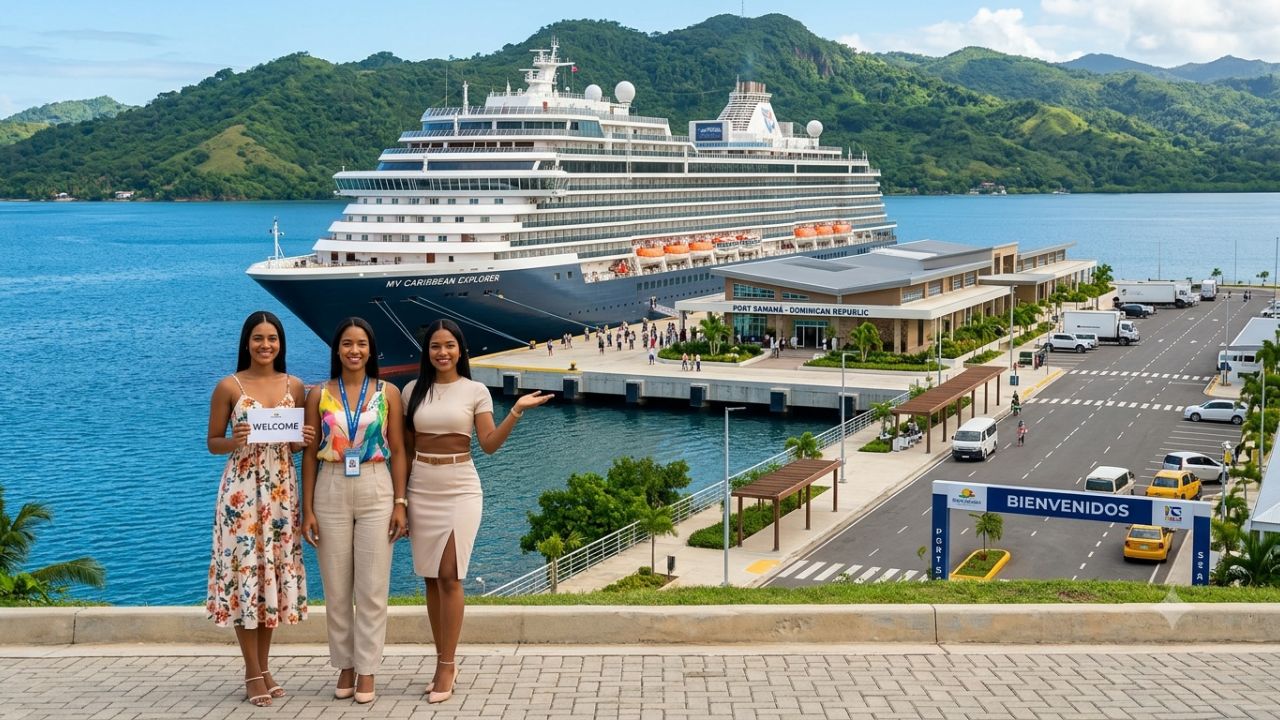
SANTO DOMINGO / NASSAU / BRIDGETOWN — A multi-billion-dollar maritime infrastructure building wave is reshaping the Caribbean and Western Atlantic cruise landscape, led by the Dominican Republic’s opening of Port Samaná on November 24, 2026. As global cruise corporations deploy record-sized passenger vessels across the tropical Americas, regional island governments and port authorities are accelerating capital projects to capture rising visitor volumes. The new cruise facility at Arroyo Barril in the Samaná Peninsula marks a major milestone in public-private port partnerships, with national projections targeting 230,000 visitors in 2027, 540,000 in 2028, and one million annual passengers by 2030.
Across the wider Caribbean basin and its neighboring littoral markets, sovereign nations are moving aggressively beyond passive transit calls. From a $400 million multi-berth expansion backed by Mediterranean Shipping Company (MSC) in Freeport, Grand Bahama, to a dedicated homeport terminal under construction at Port Zante in Saint Kitts, governments are executing long-term master plans. In Belize, a $450 million port modernization aims to replace offshore tendering with permanent landside berthing, while Mexico is developing a three-berth homeport complex in Puerto Vallarta. Simultaneously, Barbados is digitalizing its established Bridgetown Cruise Terminal to support smart-port operations and shore-power readiness. These coordinated capital investments reflect an industry-wide transition toward modern passenger processing, homeport economic integration, and higher shore-side visitor spending.
       CARIBBEAN & REGIONAL CRUISE INFRASTRUCTURE EXPANSION CORRIDORS (2026)
       =====================================================================

       [ THE BAHAMAS: FREEPORT ]
       * $400M MSC Investment (Billy Cay Terminal & Harbour Deepening)
       * Capacity for 6 Mega-Ships / 600+ Direct Jobs
                         |
                         +---> [ DOMINICAN REPUBLIC: PORT SAMANÁ ]
                         |     * Opening: Nov 24, 2026 (Arroyo Barril)
                         |     * APORDOM / ITM Group Public-Private Partnership
                         |     * Targets: 230K (2027) ===> 1.0M (2030)
                         |     * Gateway to Whale Sanctuaries & Los Haitises
                         |
                         +---> [ SAINT KITTS & NEVIS: PORT ZANTE ]
                         |     * Construction Began: July 1, 2026
                         |     * Full Homeport Operations Target: Nov 2027
                         |     * Advanced Baggage, Customs & SKB Airport Ties
                         |
                         +---> [ BELIZE: PORT LOYOLA (BELIZE CITY) ]
                         |     * $450M Modernization (ESIA Submitted)
                         |     * Replacing Offshore Tender Runs with Direct Berthing
                         |     * Target Operations: 2030
                         |
                         +---> [ MEXICO: PUERTO VALLARTA ]
                         |     * 95,172 m² Homeport with 3 Dedicated Berths
                         |     * Mexican Riviera Turnaround Operations
                         |
                         +---> [ BARBADOS: BRIDGETOWN TERMINAL ]
                               * Comprehensive Digitalization & Smart-Port Upgrades
                               * Shore-Power Readiness / +24% Passenger Growth
Dominican Republic: Port Samaná and the Arroyo Barril Transformation
The opening of Port Samaná on November 24, 2026, represents a strategic addition to the Dominican Republic’s national maritime network. Developed through a public-private partnership between the Dominican Port Authority (Autoridad Portuaria Dominicana - APORDOM) and Mexico-based maritime infrastructure developer ITM Group, the project transforms the commercial pier at Arroyo Barril into a dedicated international cruise terminal.
Official passenger projections released by APORDOM outline an aggressive growth curve. During its initial full operating year in 2027, the terminal is projected to process approximately 230,000 cruise visitors. That figure is scheduled to more than double in 2028 to 540,000 passengers—a volume that represents a 35 percent upward revision compared to the port authority's initial feasibility studies. By 2030, the port is engineered to accommodate one million annual cruise travelers, establishing Samaná as a tier-one Caribbean cruise hub.
DOMINICAN REPUBLIC: PORT SAMANÁ PROJECTED VISITOR TRAJECTORY
| Entity / Facility | Delays | Cancellations | Details |
|---|---|---|---|
| Operating Year | Projected Visitors | Growth Benchmark | Strategic Milestones |
| 2026 (Inaugural Nov) | Maiden calls | Opening Nov 24 | Terminal commissioning |
| 2027 (Year One) | 230,000 visitors | Operational baseline | Full seasonal schedule |
| 2028 (Year Two) | 540,000 visitors | +35% over original | Multi-line deployments |
| 2030 (Target Year) | 1,000,000 visitors | Tier-One Hub status | 1M Annual Pax milestone |
The transformation of Arroyo Barril extends deep into the regional economy of the Samaná Peninsula. To support passenger logistics, the Dominican Ministry of Public Works and Communications (MOPC) has executed significant road upgrades connecting the terminal directly to the coastal towns of Sánchez, Las Terrenas, and Santa Bárbara de Samaná. Tourism authorities have integrated specialized excursion circuits designed around the peninsula’s unique ecological assets. Samaná Bay hosts one of the Atlantic’s most celebrated winter humpback whale breeding sanctuaries between January and March, allowing Port Samaná to market seasonal whale-watching excursions directly from the pier. In addition, shore excursion corridors link visitors to the Salto El Limón waterfall and the mangrove karst landscapes of Los Haitises National Park.
Port Samaná complements the Dominican Republic’s existing portfolio of modern cruise gateways. Along the northern coast, Carnival Corporation operates the private destination terminal at Amber Cove in Maimón, while ITM Group manages the active downtown Taíno Bay facility in Puerto Plata. On the southern Caribbean shoreline, the country operates established ports at La Romana and Sansouci in Santo Domingo, alongside the emerging southwestern development at Cabo Rojo in Pedernales. By introducing Port Samaná, the Dominican Republic establishes complete geographic coverage across its northern, northeastern, southern, and southwestern coastal zones, cementing its position as the premier cruise destination in the Greater Antilles.
The development architecture deployed by ITM Group at Arroyo Barril replicates successful elements from its prior Latin American cruise developments, incorporating dedicated recreational zones, artisanal retail villages, and lagoon-style freshwater pool complexes that keep passenger spending within the port perimeter. However, the Dominican Ministry of Tourism (MITUR) has established specific regulatory quotas ensuring that independent local operators receive direct commercial access to disembarking visitors. Through organized transport dispatch areas at Arroyo Barril, local taxi associations and registered excursion providers can offer direct transfers along the Boulevard Turístico del Atlántico, the modern toll highway corridor connecting Samaná to Las Terrenas in under thirty minutes.
Concurrently, regional aviation integration is being planned through Samaná El Catey International Airport (Presidente Juan Bosch Airport - AZS), located approximately twenty-five minutes west of the port. The proximity of an international runway capable of handling wide-body transcontinental aircraft creates mid-term opportunities for European and North American fly-cruise homeporting, allowing niche luxury cruise operators to embark passengers directly in Samaná rather than routing through the capital of Santo Domingo. Community cooperatives in coastal fishing settlements such as Las Galeras and El Valle are receiving targeted hospitality training, ensuring that rural eco-tourism enterprises share in the economic benefits generated by maritime passenger arrivals.
The Bahamas: MSC’s $400 Million Expansion at Freeport Harbour and Billy Cay
In the northern Caribbean, the Government of The Bahamas has formally sanctioned a major $400 million investment agreement with Mediterranean Shipping Company (MSC Cruises) to construct extensive cruise terminal infrastructure at Freeport Harbour on Grand Bahama Island. The initiative represents one of the largest single maritime investments in Grand Bahama’s history, addressing long-standing economic recovery objectives for the city of Freeport.
According to statements from the Office of the Prime Minister of The Bahamas, the multi-phase master development encompasses the comprehensive modernization of the existing commercial harbor, the construction of a dedicated cruise terminal at Billy Cay, and the establishment of expanded shore-side visitor amenities in the Lucaya tourism district. Following necessary channel deepening and maritime entrance re-engineering, the completed Freeport Harbour complex will possess the physical capacity to berth up to six large cruise vessels simultaneously, transforming Freeport into one of the highest-capacity maritime passenger hubs in the Western Atlantic.
THE BAHAMAS: MSC $400M FREEPORT HARBOUR PROJECT METRICS
| Project Parameter | Value / Target | Strategic Impact | Operational Status |
|---|---|---|---|
| Capital Investment | US$400 Million | Private funding MSC | Government approved |
| Berthing Capacity | Up to 6 Large Ships | Multi-vessel calls | Dredging required |
| Direct Employment | 600+ Direct Jobs | Local workforce hire | Long-term operations |
| Annual Payroll Yield | US$14+ Million | Community economic | Direct economic impact |
| Primary Components | Billy Cay Terminal | Lucaya facilities | Public consult Nov 2026 |
The economic projections associated with the Freeport development are substantial. Bahamian labor authorities project the creation of more than 600 direct permanent operations jobs, delivering an aggregate annual payroll exceeding $14 million into the Grand Bahama economy. Secondary employment in ground transportation, tour operations, retail, and maritime provisioning is expected to multiply these gains across the community.
The project moved through a regulatory milestone on November 2, 2026, when official public consultation sessions were conducted regarding the environmental and social impacts of the Billy Cay development. For MSC Cruises, expanding into Freeport complements its exclusive private marine reserve at Ocean Cay MSC Marine Reserve in the Bimini district, establishing a dual-hub presence in Bahamian waters capable of supporting year-round deployments of its largest World-class and Seaside-class vessels.
The strategic timing of the Freeport Harbour expansion aligns with Grand Bahama Island's broader industrial and maritime revival. Located less than ninety nautical miles from South Florida’s premier departure hubs at PortMiami and Port Everglades in Fort Lauderdale, Freeport serves as the ideal port of call for high-density three- and four-night weekend itineraries. Modern cruise lines can depart Florida at sunset, execute a smooth overnight transit at economical speeds, and dock alongside Grand Bahama by breakfast, substantially curbing vessel fuel consumption compared to longer sailings toward the central Caribbean.
In addition, the cruise terminal investment interfaces directly with the ongoing multi-million-dollar modernization of the Grand Bahama Shipyard—one of the largest commercial ship repair and drydock facilities in the Western Hemisphere. The shipyard is installing two massive floating drydocks capable of lifting the largest cruise vessels afloat, including Royal Caribbean’s Icon-class and Carnival’s Excel-class ships. By combining world-class drydock repair infrastructure with MSC’s multi-berth passenger terminal, Freeport is evolving into a comprehensive maritime cluster where cruise vessels can undergo routine technical overhauls and embark vacationing passengers within the same sheltered harbor basin.
Saint Kitts and Nevis: Pioneering Dedicated Homeport Infrastructure at Port Zante
In the Eastern Caribbean, the Government of Saint Kitts and Nevis has embarked on a strategic shift in cruise tourism policy. On July 1, 2026, the federation officially commenced physical construction of a modern cruise passenger terminal at Port Zante in the capital city of Basseterre, designed specifically to transition the destination into a permanent homeport hub.
Unlike conventional Caribbean ports that function strictly as transit calls where vessels arrive in the early morning and depart before sunset, a designated homeport serves as the official point of origin and termination for complete cruise itineraries. Saint Kitts and Nevis tourism planners have established November 2027 as the targeted operational launch date for commercial homeport operations.
SAINT KITTS & NEVIS: PORT ZANTE HOMEPORT DEVELOPMENT PROFILE
| Entity / Facility | Delays | Cancellations | Details |
|---|---|---|---|
| Feature / System | Specification | Operational Purpose | Economic Multiplier |
| Terminal Function | Dedicated Homeport | Embark / Disembark | Extended visitor stays |
| Construction Start | July 1, 2026 | Active engineering | Site preparation |
| Commercial Launch | November 2027 | Winter cruise season | Cruise line deployments |
| Passenger Security | Advanced Screening | International code | Rapid baggage handling |
| Border Technology | Automated E-Gates | Biometric entry | Expedited processing |
| Aviation Integration | SKB Airport Links | Charter flight ties | Airline seat expansion |
The physical engineering of the Port Zante homeport terminal addresses the complex logistics required for full turnaround operations. The building incorporates high-throughput passenger check-in halls, automated biometric immigration e-gates, advanced explosive-detection baggage screening systems, and secure baggage sorting facilities that transfer checked luggage directly between ship holds and arriving airport ground shuttles.
The economic implications of establishing a homeport in Basseterre are profound. Passengers embarking on a cruise in Saint Kitts frequently arrive one to two days before departure or extend their stays following disembarkation, generating high-yield room nights for local boutique hotels and luxury resorts across the Frigate Bay and Southeast Peninsula districts. Concurrently, homeporting drives demand for scheduled and chartered international flights into Robert L. Bradshaw International Airport (SKB), providing international airlines with the commercial passenger load factors required to maintain direct air routes from North American and European feeder markets. Local taxi cooperatives, tour operators, and restaurants in Basseterre stand to capture significantly higher average expenditures per visitor compared to transient day-trippers.
The Basseterre terminal project also positions Saint Kitts to capture market share from congested traditional homeports like San Juan, Puerto Rico, and Bridgetown, Barbados. Niche luxury operators, expedition carriers, and tall-ship sailing lines—such as Windstar Cruises, Star Clippers, Seabourn, and Silversea—routinely seek uncrowded Caribbean embarkation ports that offer authentic cultural environments without the industrial congestion of major metropolitan harbors. By constructing specialized passenger handling facilities tailored to high-end small- and mid-sized cruise vessels, Port Zante can establish a defensible competitive niche as the premier luxury turnaround boutique in the Leeward Islands.
Belize and Mexico: Eliminating Tender Friction and Scaling Western Caribbean Hubs
In the Western Caribbean, terminal development initiatives in Belize and Mexico reflect contrasting approaches to addressing maritime logistics constraints and capturing passenger traffic.
Belize’s $450 Million Modernization at Port Loyola
For decades, cruise operations in Belize City have been constrained by coastal bathymetry. The shallow coastal waters surrounding Belize City prevent deep-draft modern cruise ships from berthing alongside the mainland. Consequently, cruise vessels must anchor four to five miles offshore in open water, requiring passengers to board small local tender boats for a rough 20- to 25-minute transit to the Fort Street Tourism Village. Tendering introduces significant operational friction, slows passenger disembarkation, restricts mobility-impaired passengers, and exposes operations to cancellation during adverse wind and sea conditions.
To resolve this limitation, the Government of Belize has prioritized a comprehensive $450 million port expansion at Port Loyola in Belize City. Formally detailed within the government's 2026–2027 national budget, the Port of Belize modernization encompasses:
- Deepening and widening the commercial navigation access channel to accommodate deep-draft cargo and passenger vessels.
- Constructing permanent landside cruise berthing trestles that allow mega-ships to tie up directly alongside the terminal, entirely eliminating offshore tendering.
- Integrating a modern commercial container cargo terminal to expand international maritime trade capabilities.
BELIZE & MEXICO: WESTERN CARIBBEAN CRUISE EXPANSION PROJECTS
| Entity / Facility | Delays | Cancellations | Details |
|---|---|---|---|
| Project Parameter | Port of Belize | Puerto Vallarta | Comparative Focus |
| Destination Country | Belize | Mexico | Western Caribbean/Pac. |
| Total Investment | US$450 Million | Federal Port Fund | Major capital injection |
| Primary Berths | Direct Land Berths | 3 Dedicated Berths | End tendering / Homeport |
| Surface Area | Channel & Terminal | 95,172 sq. meters | Integrated port zone |
| Environmental Review | ESIA Submitted | Master Plan 2026–31 | Strict marine ecology |
| Operational Horizon | Target 2030 | Announced Sep 2026 | Phased construction |
The Port of Belize project has submitted comprehensive Environmental and Social Impact Assessment (ESIA) documentation to national environmental regulators for formal statutory review. The government has set a target to advance engineering works with the objective of opening the direct berthing cruise terminal by 2030, transforming the Port Loyola district into an active commercial maritime hub.
The environmental dimension of the Belize development remains central to statutory approval processes. Because Belize hosts the UNESCO World Heritage-listed Belize Barrier Reef Reserve System, marine dredging operations required to clear an access channel for deep-draft vessels have generated intense national debate between maritime trade advocates and marine conservation bodies. Environmental mitigation proposals submitted within the ESIA require offshore deep-water spoil disposal zones, real-time turbidity water-monitoring buoys, and strict exclusion perimeters around coastal manatee habitats. Overcoming tender friction without compromising the nation's fragile coral reef ecosystems represents the definitive engineering benchmark for the Port Loyola venture.
Mexico’s Puerto Vallarta Three-Berth Homeport Master Plan
On September 22, 2026, the Mexican Federal Government unveiled an ambitious master development plan for a modern cruise homeport in the Pacific resort city of Puerto Vallarta, Jalisco. Integrated into the Puerto Vallarta Port Master Development Programme (2026–2031), the project encompasses approximately 95,172 square meters of land and maritime space, incorporating three dedicated deep-water cruise berths.
Administered under the oversight of the Secretariat of the Navy (Secretaría de Marina - SEMAR) and the National Port System Administration (Administración del Sistema Portuario Nacional - ASIPONA), the Puerto Vallarta development is designed to anchor year-round cruise operations along Mexico's Pacific littoral. Modern passenger terminal halls will incorporate automated baggage scanning, customs screening, passenger lounges, and dedicated ground transit staging zones for transfers to Licenciado Gustavo Díaz Ordaz International Airport (PVR). By establishing homeporting capabilities on the Pacific, Mexico enables cruise lines to run fuel-efficient circular voyages exploring Mazatlán, Cabo San Lucas, La Paz, and the Sea of Cortez, eliminating the lengthy, costly transit days required when departing from California ports.
The expansion comes as Mexico consolidates its position as a global cruise powerhouse. Official figures released by the Mexican Ministry of Tourism show that between January and July 2026, Mexican cruise ports welcomed approximately 7.5 million cruise passengers across 2,045 ship calls, generating an estimated $648.9 million in direct economic activity. While premier Mexican ports like Cozumel and Costa Maya dominate Western Caribbean transit calls, the Puerto Vallarta development is specifically designed to facilitate passenger embarkations and disembarkations along the Mexican Riviera. By offering dedicated turnaround facilities, Mexico provides cruise operators with a viable homeport alternative to traditional California ports like Los Angeles and San Diego, enabling shorter, fuel-efficient regional itineraries.
Barbados: Bridgetown Terminal Digitalization and Shore-Power Readiness
In the Southern Caribbean, Barbados provides an example of maximizing economic yield through the technical modernization of established port infrastructure. Rather than constructing an entirely new coastal facility, the Ministry of Tourism and International Transport, in partnership with Barbados Port Inc., is executing an extensive modernization program across the Bridgetown Cruise Terminal.
Official statistics confirm strong momentum in the Barbadian cruise sector. Between January and July 2026, Barbados processed 599,826 cruise passengers through Bridgetown, reflecting an impressive 24 percent expansion compared to the equivalent seven-month period in 2025. The capital improvements currently underway focus on:
- Streamlining passenger movements through automated digital immigration kiosks and high-capacity baggage handling belts.
- Implementing smart-port digital scheduling systems to coordinate ship provisioning, stevedoring, and passenger transport queues.
- Engineering shore-power connectivity (cold ironing) to allow berthed cruise vessels to plug into the domestic power grid, eliminating auxiliary diesel engine emissions in port.
As an established homeport for major cruise lines operating Southern Caribbean and transatlantic itineraries—including P&O Cruises, Royal Caribbean, and luxury expedition lines—Bridgetown’s investments ensure that the island maintains its competitive edge against emerging regional ports.
COMPREHENSIVE REGIONAL CRUISE INFRASTRUCTURE BENCHMARK MATRIX
| Destination | Facility Name | Capital Outlay | Primary Objective |
|---|---|---|---|
| Dominican Republic | Port Samaná | PPP (ITM Group) | 1M Annual Visitors (2030) |
| The Bahamas | Freeport Harbour | US$400 Million | 6-Ship Capacity / MSC |
| Saint Kitts/Nevis | Port Zante Terminal | National Port Fund | Homeport Launch Nov 2027 |
| Belize | Port of Belize | US$450 Million | Direct Berths (No Tender) |
| Mexico | Puerto Vallarta | Federal Port Fund | 3-Berth Homeport Riviera |
| Barbados | Bridgetown Terminal | National Modernize | Digitalization / OPS |
Economic Realities: Transit Spending vs. Homeport Yield and Marine Ecology
The strategic diversity across these regional infrastructure projects underscores a fundamental economic reality in modern maritime tourism: the sharp financial disparity between transit port calls and homeport turnarounds.
Independent tourism econometric studies indicate that a cruise passenger visiting a port on a standard eight-hour transit call generates an average direct economic expenditure of $85 to $125. This spending is heavily concentrated in duty-free retail, food and beverage purchases, and local tour excursions. In contrast, a homeport turnaround passenger generates an average direct economic impact of $350 to $650 across the destination economy. Homeport guests book pre- and post-cruise hotel accommodations, utilize regional aviation networks, require point-to-point airport transfers, and patronize local restaurants over multiple days. In addition, cruise vessels operating homeport rotations purchase millions of dollars in provisions, fresh agricultural produce, technical marine services, and potable water, while generating substantial port authority docking fees.
       PORT CALL ECONOMIC YIELD DISPARITY (CARIBBEAN BASIN)
       ====================================================

       [ TRANSIT CALL (6–8 Hours Ashore) ]
       Average Passenger Spend: $85 to $125
       * Duty-free shopping, casual lunch, shore tour
       * Zero hotel room nights; zero airport transfers
                                 vs.
       [ HOMEPORT TURNAROUND (Embarkation / Disembarkation) ]
       Average Passenger Spend: $350 to $650+
       * 1–2 Hotel room nights ($180–$350)
       * Round-trip airport transfers & dining ($100–$200)
       * Airline aviation taxes & commercial flights
       * Multi-million-dollar ship provisioning & bunkering
However, the rapid expansion of cruise terminal capacity brings heightened environmental responsibilities. Marine civil engineering projects—particularly deep-water dredging to accommodate 200,000-gross-ton mega-vessels in Belize and Freeport—demand rigorous environmental oversight to prevent sediment plumes from suffocating adjacent coral reef ecosystems, such as the Belize Barrier Reef (the second-largest barrier reef system in the world). Port authorities are increasingly requiring comprehensive Environmental and Social Impact Assessments (ESIAs), silt curtains during dredging operations, and strict compliance with the International Maritime Organization’s MARPOL Annex IV (sewage) and Annex V (garbage) discharge prohibitions.
Additionally, the integration of Onshore Power Supply (OPS) systems, as planned in Barbados and Mexico, represents an essential step in decarbonizing port environments. By enabling ships to shut down auxiliary diesel generators while docked, ports substantially reduce local particulate matter, sulfur dioxide, and nitrogen oxide emissions, protecting air quality in adjacent coastal communities.
Strategic Outlook for Caribbean Maritime Tourism
As Port Samaná prepares to welcome its maiden cruise arrivals on November 24, 2026, the Caribbean cruise industry enters a mature phase of infrastructure development. The multi-billion-dollar investments advancing across the Dominican Republic, The Bahamas, Saint Kitts and Nevis, Belize, Mexico, and Barbados demonstrate that regional governments view cruise tourism not as a passive seasonal trade, but as a catalyst for national infrastructure modernization.
By aligning maritime berth capacity with landside road networks, aviation gateways, digital passenger systems, and rigorous environmental protections, Caribbean destinations are building resilient tourism economies capable of supporting sustainable growth for decades to come.
Related Travel Guides
- Ocean Living Realities: How Ageing Hulls, Bunker Spikes, and Insolvency Challenge Residential Cruising
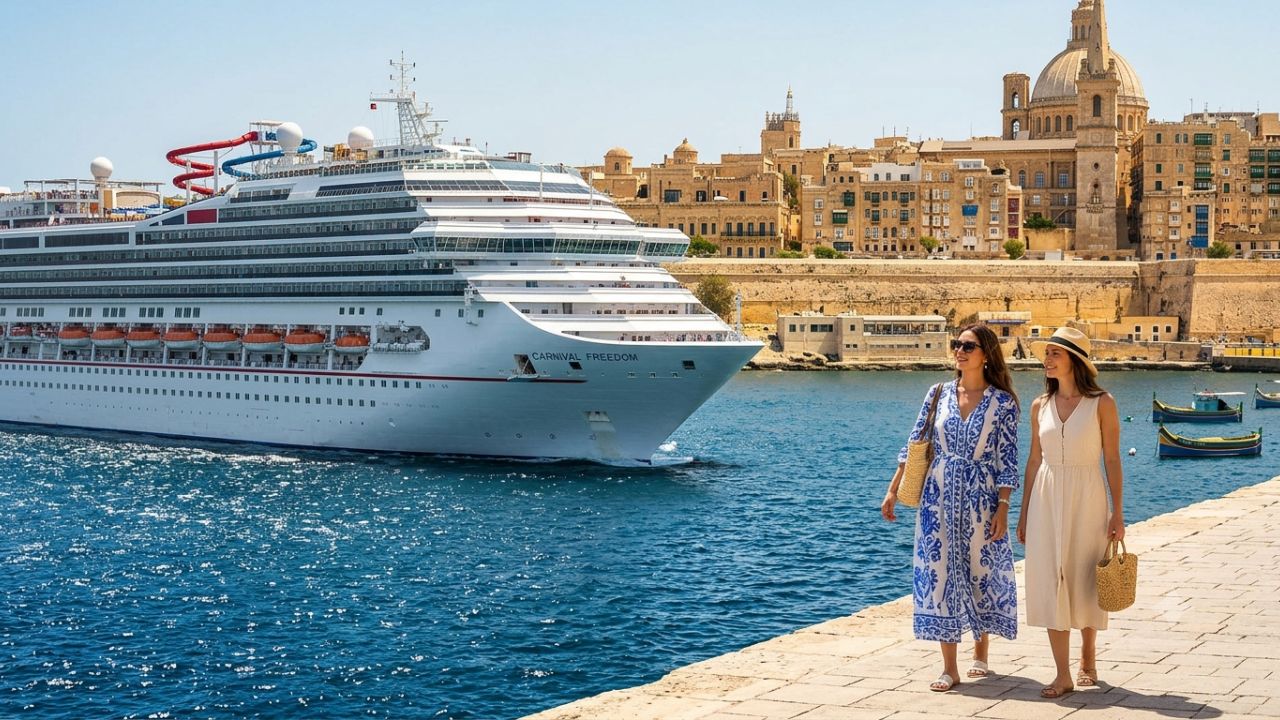
- Carnival Freedom Expands Western Mediterranean Itinerary with Malta as Barcelona Redevelops Terminals
- Amtrak Expands Thanksgiving Train Services Nationwide as Record Holiday Rail Demand Surges
- France Rail Strike Grips Paris Terminals and Shuts Regional Train Networks Ahead of Peak Autumn Travel
- Prague Emerges as Europe's Top Solo Travel Hub as Kraków and Istanbul Expand Budget Transit
This article is for informational purposes. Flight routes, passenger regulations, visa rules, and transit advisories are subject to change by airlines and aviation authorities. Readers are advised to verify schedules and travel documentation with relevant carriers and border agencies before departure.
Related Stories
Texas Cruise Market Shift: Why 76 Percent of Travellers Choose Human Advisors Over Digital Booking Engines
Ocean Living Realities: How Ageing Hulls, Bunker Spikes, and Maritime Insolvency Law Challenge Residential Cruising