
Valletta Travel News NOW: Boutique Hotel Project at Waterfront Signals New Luxury Era for Malta Tourism
Malta plans a new luxury boutique hotel at the Valletta Waterfront to attract high-value tourists and enhance its status

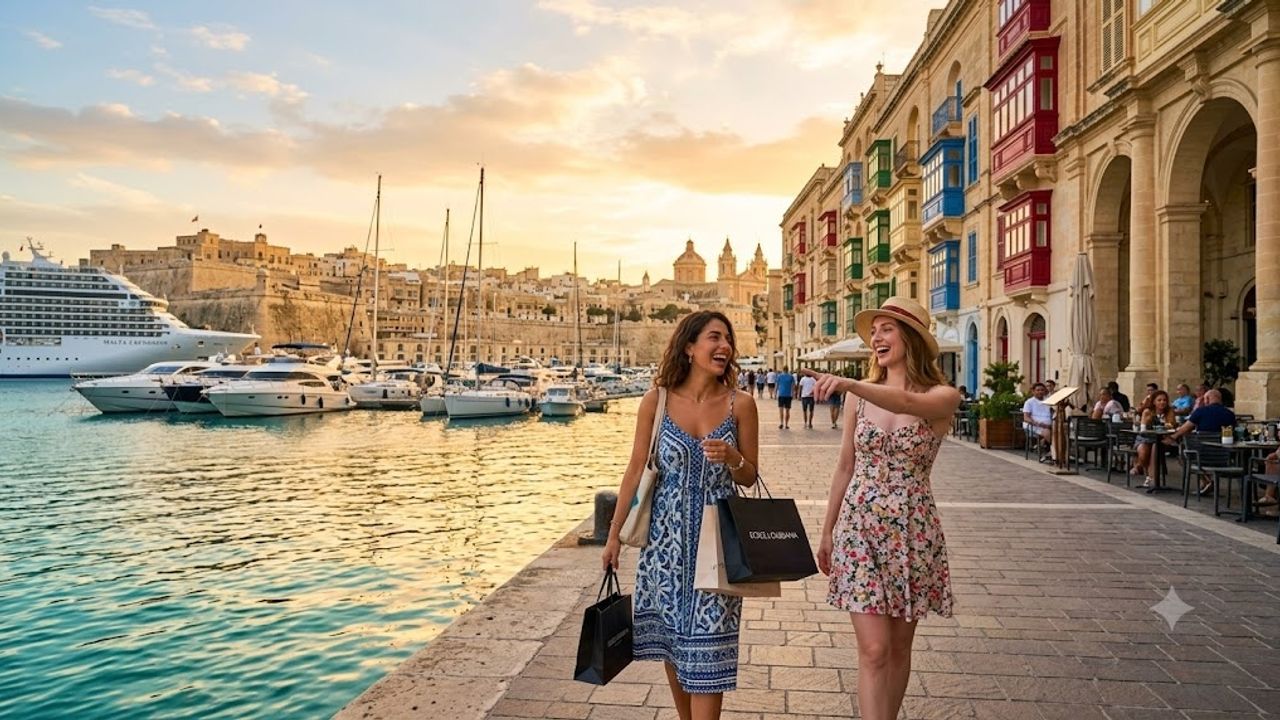
Image generated by AI
[Valletta, June 24, 2026] — The historic landscape of Malta’s capital is set for a major transformation as plans for a new boutique hotel development at the Valletta Waterfront emerge. This strategic project aims to elevate the city's standing as a premier Mediterranean luxury destination by integrating high-end hospitality into one of Southern Europe's most iconic harborfront zones.
The initiative marks a pivotal shift in Malta's tourism strategy, moving away from mass-market appeal toward a high-value, design-led model. By focusing on luxury infrastructure, the development seeks to attract affluent international travelers while maintaining the architectural integrity of the surrounding historic districts.
Boutique Hotel Development Transforms Valletta Waterfront
The proposed luxury hotel project is designed to align with national tourism frameworks that prioritize experience-driven accommodation. Industry sources indicate that the Malta Tourism Authority and other governing bodies are increasingly supporting investments that enhance the visitor experience without eroding the cultural identity of the region.
The Valletta Waterfront, a restored historic port terminal, already serves as a primary hub for leisure and cruise activities. The addition of a boutique hotel is expected to evolve this area into a multi-use tourism precinct. This integration will allow visitors to access luxury lodging, high-end dining, and cultural landmarks within walking distance of the city's UNESCO-listed center.
Government planning principles in Malta currently emphasize three core pillars: sustainable development, sensitivity toward heritage sites, and the diversification of the economy through high-yield tourism. The boutique hotel proposal is viewed as a direct application of these priorities, expanding the city's capacity for premium guests while respecting the scale and aesthetic of the maritime environment.
Valletta Emerges as a Mediterranean Luxury Travel Hub
As a distinctive small capital, Valletta is seeing a surge in demand from cultural travelers, luxury short-stay visitors, and high-spending cruise passengers. To remain competitive against established luxury markets in Italy, Greece, and Spain, Malta is aggressively upgrading its accommodation stock.
Reports suggest that boutique hotels are now considered essential components of the national strategy. These smaller, personalized properties are better suited to the expectations of modern premium travelers who seek immersive cultural experiences and bespoke services over standardized hotel chains.
By placing this new infrastructure in a location central to urban exploration routes and cruise terminals, Malta is repositioning its capital as a destination for "cultural luxury." This approach is intended to shift the perception of the city from a transit stop to a primary destination where guests are encouraged to extend their stay.
Cruise Tourism and Waterfront Regeneration Strategies
The Valletta Waterfront is a critical node in the Mediterranean cruise ecosystem, acting as the gateway for thousands of sea-borne arrivals annually. According to flight and maritime tracking data, cruise passengers contribute heavily to the local economy, particularly within the retail and gastronomy sectors.
The introduction of a boutique hotel is expected to catalyze a shift in visitor behavior. By providing luxury on-site accommodation, the project aims to convert short-term cruise transit visitors into longer-stay guests. This transition is a key part of an urban regeneration policy focused on the "adaptive reuse" of historic infrastructure.
This strategy ensures that the growth of the tourism sector supports the preservation of the city's maritime heritage. Rather than building new, intrusive structures, the project focuses on integrating modern hospitality functions into the existing heritage fabric of the waterfront.
Heritage Protection and Sustainable Urban Growth
Because Valletta is a UNESCO World Heritage Site, all new developments are subject to rigorous regulatory oversight. National planning authorities require that any new infrastructure maintains architectural harmony and does not disrupt the visual integrity of the historic skyline.
The boutique hotel project is expected to adhere to stringent environmental and design guidelines. These regulations are intended to balance the economic necessity of tourism growth with the ethical requirement of heritage conservation.
Furthermore, sustainable tourism remains a cornerstone of the national agenda. Industry observers expect the waterfront development to implement energy-efficient designs and integrated urban planning to manage visitor flows effectively and minimize the environmental footprint on the local community.
Malta’s Hospitality Sector Enters High-Investment Cycle
The announcement of this project coincides with a broader trend of renewed investor interest in Malta’s luxury real estate and hospitality sectors. The island’s strategic location and year-round appeal make it an attractive target for developers specializing in experiential travel.
Industry frameworks suggest that diversifying the types of available accommodation is critical for the long-term health of the economy. Boutique hotels are now categorized as a primary growth sector, especially for urban heritage sites.
Beyond the immediate increase in room capacity, the development is projected to:
- Stimulate local job creation in the high-end service sector.
- Strengthen regional supply chains for luxury goods and organic produce.
- Increase Malta's global visibility in luxury travel publications and agency portfolios.
Implications for Malta's Global Tourism Identity
The planned boutique hotel at the Valletta Waterfront is more than a real estate venture; it is a signal of a broader transformation in Malta's global branding. By blending luxury hospitality with the regeneration of its maritime assets, Valletta is reinforcing its image as a sophisticated, forward-looking capital.
As the global travel market shifts toward authenticity and design-led experiences, Malta's response via the waterfront project is a timely strategic move. The project underscores a long-term vision of balancing aggressive economic growth with careful cultural stewardship, ensuring the capital remains a compelling destination in the competitive Mediterranean landscape.
Related Travel Guides
Disclaimer
This article is for informational and educational purposes only. It does not constitute legal, financial, or professional advice. While we strive to provide accurate and up-to-date information, travel policies, regulations, and conditions change rapidly. Always verify information with official sources before making travel decisions. Nomad Lawyer makes no representations about the accuracy, reliability, completeness, or suitability of the information provided. Readers should consult qualified professionals for advice specific to their circumstances. The views expressed in this article are those of the author and do not necessarily reflect the views of Nomad Lawyer.
Preeti Gunjan
Contributor & Community Manager
A passionate traveller and community builder. Preeti helps grow the Nomad Lawyer community, fostering engagement and bringing the reader experience to life.
Learn more about our team →