
Illinois Between Naperville: Abandoned Coal Ghost Town in 2026
A forgotten coal mining ghost town between Naperville and Peoria offers adventurous travelers eerie history and artifacts frozen in time. In 2026, this abandoned Illinois destination attracts off-beat explorers seeking industrial heritage.

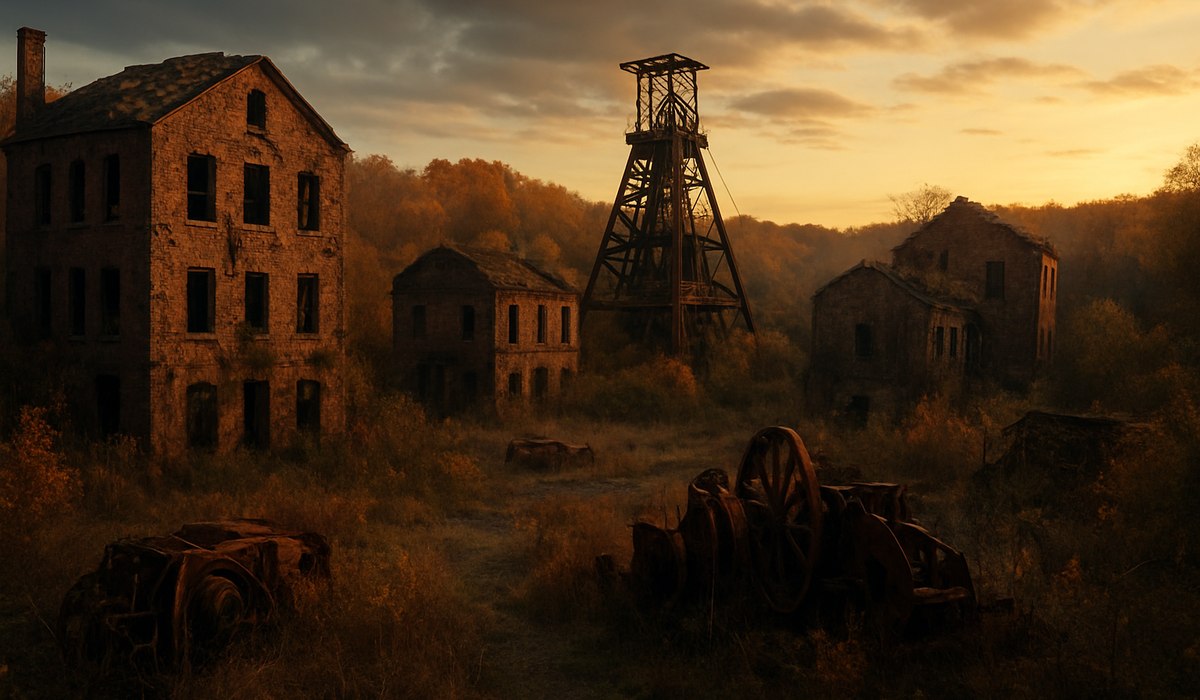
Image generated by AI
Eerie Remnants of Illinois Coal Country Attract Adventure Seekers
Between Naperville and Peoria lies an abandoned coal mining town, a haunting relic of Illinois's industrial past now drawing curious travelers to its desolate landscape. This forgotten settlement, once bustling with miners and industry, remains largely untouched—a time capsule of early 20th-century American mining culture. In 2026, adventurous visitors increasingly seek out these off-beat historical destinations, drawn to authentic stories buried beneath overgrown structures and weathered foundations.
The site presents a rare opportunity to explore industrial archaeology without commercial tourism infrastructure. Unlike polished heritage museums, this location demands respect and caution while rewarding exploration with genuine historical immersion. For travelers tired of conventional destinations, the Illinois between Naperville coal region offers unfiltered access to America's complex mining heritage.
History of the Illinois Coal Mining Region
Illinois once dominated American coal production, with vast deposits stretching across central and southern regions. The state's coal industry peaked during the late 1800s and early 1900s, transforming rural farmland into industrial boomtowns. Thousands of workers—many European immigrants—flocked to mining communities seeking employment and opportunity.
The coal mining region between Naperville and Peoria emerged as a secondary hub, feeding fuel to growing urban centers throughout the Midwest. Company towns sprouted rapidly, featuring miners' cottages, company stores, and processing facilities. These settlements created unique social ecosystems where mining families lived, worked, and built communities around extraction operations.
Decline arrived gradually after World War II. Mechanization reduced labor needs, while cleaner energy sources gained preference. By the 1970s, most regional mines had closed permanently. The communities that depended entirely on coal extraction faced economic collapse, forcing residents to abandon homes and seek employment elsewhere. Today, these ghost towns serve as sobering reminders of economic volatility and industrial transformation. For context on regional history, visit the Illinois State Library.
Exploring the Ghost Town Today
Modern exploration of this Illinois between Naperville abandoned settlement reveals layers of forgotten history. Visitors encounter collapsed mine shafts, deteriorated residential structures, and rusted industrial equipment scattered across reclaimed terrain. Nature has begun reclaiming buildings, with vegetation creeping through windows and roots destabilizing foundations.
Safety concerns are paramount. Unstable structures, concealed mine openings, and environmental contamination pose genuine hazards. Responsible exploration requires sturdy footwear, awareness of surroundings, and respect for private property boundaries. Many areas remain privately owned, requiring permission before entry.
The landscape tells powerful stories through material remains. Broken pottery, household items, and industrial tools scattered across the site illuminate daily life during the mining era. Foundations outline former streets, allowing visitors to mentally reconstruct the town's original layout. Documentation and photography help preserve these vanishing records for future generations.
What Remains: Artifacts and Structures
Physical remnants provide tangible connections to past inhabitants. Standing structures include partial building frameworks, chimney stacks, and foundation stones. Some residential foundations show clear room divisions, revealing family living arrangements. Commercial buildings occasionally retain structural integrity, distinguishing themselves through size and architectural elements.
Industrial infrastructure dominates the site. Mining equipment, though heavily corroded, demonstrates extraction and processing technologies. Coal hoppers, conveyor components, and sorting mechanisms illustrate operational complexity. Some structures bear company markings or dates, anchoring history to specific periods.
The most valuable artifacts are smaller items: hand tools, coins, dishware fragments, and personal effects. These objects humanize abstract historical narratives, representing specific individuals and families. Archaeological awareness is essential—responsible visitors document locations rather than removing items, preserving context for proper historical analysis.
Geological features reveal mining's environmental impact. Subsided terrain indicates extensive underground extraction. Exposed coal seams show extraction depth and methodology. Water runoff patterns reflect altered hydrology from mining operations. These environmental signatures persisted for over a century, marking the landscape permanently.
Best Time to Visit
Spring and fall offer optimal conditions for exploring Illinois between Naperville coal country. Moderate temperatures reduce heat exhaustion risks, while vegetation hasn't fully concealed structures. Spring (April through May) provides wildflower blooms across abandoned clearings, creating striking photographic opportunities. Fall (September through October) offers comfortable hiking conditions and improved visibility as summer foliage begins receding.
Summer visits are possible but challenging. Heat and humidity intensify physical demands, while dense vegetation obscures pathways and structures. Insect populations peak during warm months, particularly problematic in marshy areas. Winter exploration is inadvisable—frozen ground becomes treacherous, snow obscures hazards, and limited daylight restricts safe exploration windows.
Weather significantly impacts site conditions. Heavy rain destabilizes structures further and creates muddy terrain. Dry periods allow easier navigation but increase dust exposure. Check regional weather forecasts before planning visits.
How to Get There
The ghost town location sits approximately 30 miles east of Peoria and 45 miles south of Naperville, accessible via regional highways. GPS coordinates place the site in a rural corridor where county roads intersect agricultural land. Detailed directions through online mapping services provide most reliable navigation, though cell service remains inconsistent in remote areas.
From Naperville, travel south via Interstate 55 toward Bloomington, then follow state routes eastward into rural sections. From Peoria, head south and east through countryside. Local road conditions vary seasonally—contact county authorities regarding passability before winter visits.
Parking is extremely limited. Most visitors park along county roads several hundred yards from the site, requiring moderate hiking to reach structures. Four-wheel drive vehicles are helpful but not essential during dry seasons. Allow three to four hours for comprehensive site exploration, including travel time from major cities.
Public transportation doesn't serve this rural location. Car rental from Chicago or Peoria airports is necessary for independent travel. Consider hiring local guides familiar with safe routes and site history—TripAdvisor features regional guides offering specialized tours.
Planning Your Visit
Successful exploration requires adequate preparation. Essential items include sturdy hiking boots with ankle support, protective gloves for handling corroded metal, first aid supplies, and abundant water. Long pants and long sleeves protect against cuts and insect bites. Bring documented maps and a charged mobile device, though service reliability isn't guaranteed.
Photography enthusiasts should plan accordingly. Early morning and late afternoon light dramatically illuminates architectural details and weathered surfaces. Tripods aid stability on uneven terrain. Respect privacy and property rights by avoiding trespassing on clearly marked private sections.
Inform someone of your itinerary and expected return time. These remote locations present isolation risks if accidents occur. Travel in groups rather than solo—multiple people provide safety advantages and shared transportation costs.
Document findings through written notes and photographs, contributing to historical record. Several organizations collect information about Illinois ghost towns—sharing responsible observations supports preservation efforts.
| Aspect | Details |
|---|---|
| Distance from Naperville | 45 miles south |
| Distance from Peoria | 30 miles east |
| Primary Activity | Coal mining (1880s–1970s) |
| Current Status | Abandoned and deteriorating |
| Best Visiting Season | Spring and fall |
| Accessibility | Private roads; limited infrastructure |
| Safety Concerns | Unstable structures, mine shafts, contamination |
| Recommended Duration | 3–4 hours including travel |
What This Means for Travelers
This unique destination offers authentic historical experiences unavailable at curated museum settings. For nomadic lawyers and digital professionals seeking meaningful exploration between major Illinois cities, the Illinois between Naperville coal ghost town provides intellectual stimulation and photographic opportunities.
Actionable takea
Disclaimer
This article is for informational and educational purposes only. It does not constitute legal, financial, or professional advice. While we strive to provide accurate and up-to-date information, travel policies, regulations, and conditions change rapidly. Always verify information with official sources before making travel decisions. Nomad Lawyer makes no representations about the accuracy, reliability, completeness, or suitability of the information provided. Readers should consult qualified professionals for advice specific to their circumstances. The views expressed in this article are those of the author and do not necessarily reflect the views of Nomad Lawyer.
Preeti Gunjan
Contributor & Community Manager
A passionate traveller and community builder. Preeti helps grow the Nomad Lawyer community, fostering engagement and bringing the reader experience to life.
Learn more about our team →