US Inbound Tourism 2026: Overseas Visitors Drive Hotel Revenue, Luxury Retail, and Urban Economic Growth

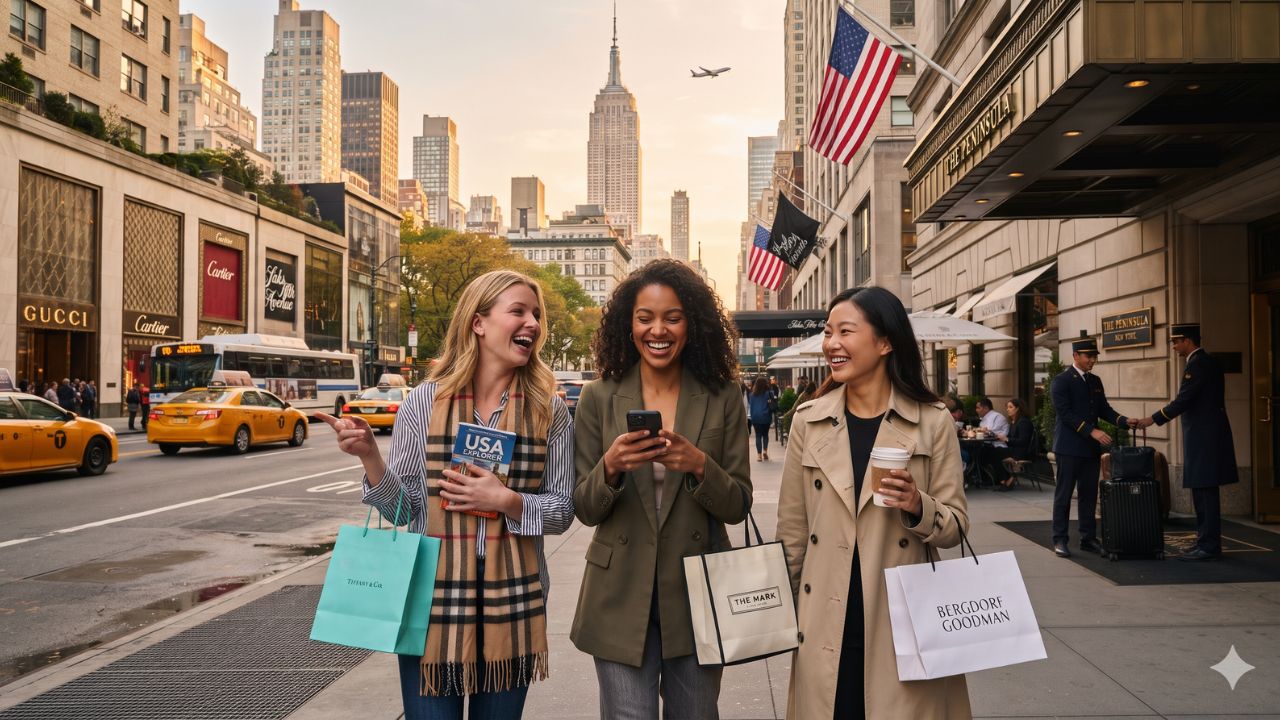
While domestic American vacationers typically take quick three-to-four-night weekend trips, long-haul overseas visitors stay an average of 11 to 14 nights in the United States and spend upwards of $7,000 per traveler over the course of their journey, generating an extraordinary economic multiplier that directly and indirectly supports more than 1.2 million urban jobs across New York, Miami, and Los Angeles. According to economic assessments from the International Trade Administration (ITA) and the World Travel & Tourism Council (WTTC), every single dollar spent by an international visitor produces between $1.50 and $2.00 in secondary economic activity within premier gateway cities, proving that international arrivals serve as the financial foundation of American urban hospitality.
Gateway Metropolises: How Overseas Arrivals Anchor Urban Economies
The geographic distribution of international arrivals reveals how concentrated foreign traveler spending is across six leading metropolitan gateways:
- New York City (8.9 Million Visitors): Leads the nation by capturing nearly 26.0% of the total U.S. inbound overseas market share. Fueled by transatlantic and transpacific flight banks connecting John F. Kennedy International (JFK) and Newark Liberty International (EWR), global travelers inject billions into Broadway theaters, Michelin-starred dining, and luxury retail corridors.
- Miami (5.1 Million Visitors): Commands a 14.9% market share, drawing heavily from Latin American and Caribbean source markets. Miami functions as the maritime capital for international cruise itineraries, luxury beachfront resorts, and South Beach nightlife.
- Orlando (4.3 Million Visitors): Captures 12.6% of the inbound market through global multi-generational family vacations bound for Walt Disney World and Universal Studios, driving extended hotel stays and car rental fleets.
- Los Angeles (3.7 Million Visitors): Acts as North America's primary Pacific Rim bridge, welcoming affluent travelers from East Asia, Oceania, and Western Europe who combine Hollywood entertainment with coastal excursions in Santa Monica and Malibu.
- San Francisco (2.4 Million Visitors): Integrates high-yield international technology delegations with leisure excursions into Napa Valley and regional national parks.
- Las Vegas (2.2 Million Visitors): Relies on international corporate convention delegates and entertainment headliners to maintain midweek hotel occupancy above 85% during traditional domestic travel troughs.
The Financial Disparity: Domestic vs. Long-Haul International Travelers
The economic divergence between domestic and foreign visitors extends far beyond overall trip budgets. Federal trade metrics demonstrate that international travelers spend an average of $1,200 exclusively on retail goods per journey, accounting for over 25% of all luxury purchases along Fifth Avenue in Manhattan, the Design District in Miami, and Rodeo Drive in Beverly Hills.
Furthermore, international visitors provide a vital seasonal smoothing mechanism for major hotel properties. While domestic leisure demand swings sharply between Friday check-ins and Sunday check-outs, foreign guests book multi-week stays across standard workweeks. During periods of peak overseas arrivals, upscale hotels in New York and Miami experience surges in Average Daily Rate (ADR) and Revenue Per Available Room (RevPAR) exceeding 20% compared to domestic-only travel windows, sustaining annualized hotel occupancy rates above 80%.
In municipalities like Orlando and Las Vegas, international visitors generate more than 30% of total transient occupancy taxes (bed taxes). These municipal levies directly fund civic improvements, regional public transit expansion, and convention center modernizations without placing tax burdens on permanent local residents.
Inbound Tourism Economic Metrics Across Premier US Gateways (2026)
The table below outlines international visitor volumes, inbound market shares, and economic performance indicators across the top American gateway hubs:
| Gateway Metropolis | Annual Overseas Visitors | Inbound US Market Share | Primary Global Feeder Markets & Economic Focus |
|---|---|---|---|
| New York City | Approximately 8.9M | 26.0% of total inbound | Western Europe, UK, East Asia; Broadway, luxury retail, corporate |
| Miami | Approximately 5.1M | 14.9% of total inbound | Latin America, Caribbean, Europe; cruise departures, beach hospitality |
| Orlando | Approximately 4.3M | 12.6% of total inbound | Multi-generational global families; theme parks, regional resort villas |
| Los Angeles | Approximately 3.7M | 10.8% of total inbound | Pacific Rim, East Asia, Oceania; film tourism, coastal luxury |
| San Francisco | Approximately 2.4M | 7.0% of total inbound | Global tech executives, bleisure travelers; wine country, cultural sites |
| Las Vegas | Approximately 2.2M | 6.4% of total inbound | International trade delegates, global entertainment, high-roller gaming |
| Economic Multiplier | $1.50 to $2.00 per $1 spent | National gateway average | Generates secondary economic activity across local service sectors |
| Average Trip Length | 11 to 14 nights (vs 3–4 domestic) | +250% duration disparity | Sustains multi-week occupancy for urban boutique hotels and rentals |
| Average Spend Per Person | Upwards of $7,000 per journey | High-yield foreign capital | Buffers independent restaurants, transit, and retail against slow seasons |
| Retail Luxury Share | Over 25% of luxury sales | $1,200 average retail spend | Drives Fifth Avenue, Miami Design District, and Rodeo Drive turnover |
Visitor Insider Tips: Navigating US Gateway Hubs Like an Expert
- Download the Mobile Passport Control (MPC) App Before Touchdown: International travelers arriving at JFK, MIA, LAX, or SFO who hold eligible passports or ESTA authorizations should utilize the free U.S. Customs and Border Protection Mobile Passport Control app. MPC lanes bypass regular primary inspection queues, reducing airport immigration processing times from over an hour to under 15 minutes.
- Master Contactless Public Transit Instead of Rideshare Surges: Avoid expensive $90 airport taxi rides during peak rush hours. In New York, tap your contactless credit card directly on OMNY subway readers ($2.90 per ride). In San Francisco, load a digital Clipper card on your smartphone to board BART from SFO into downtown Market Street in 30 minutes for less than $11.
- Take Advantage of Corporate Shoulder Seasons in Las Vegas and San Francisco: To secure luxury five-star hotel suites at 40% to 50% discounts, audit the municipal convention calendars in Las Vegas and San Francisco. Booking during late August, mid-December, or between major corporate expos opens discounted midweek luxury rooms before rates double during convention peaks.
- Embrace the "Bleisure" Extension in Gateway Cities: If you are visiting on corporate business, follow the trend of international professionals who extend their stay by 4 to 7 days. From San Francisco, rent a car to explore the redwood groves of Muir Woods and Sonoma Valley vineyards; from New York, take the Metro-North train along the Hudson River to historic Cold Spring. Explore nationwide itineraries via Visit The USA.
- Rely on Commercial Transit and Rental Cars Wisely: Because nearly 90% of international visitors rely on commercial ground transportation, rental vehicle inventory at gateway airports can tighten during holiday weekends. Book your vehicle weeks in advance, and confirm whether your personal travel insurance covers U.S. collision damage waivers (CDW) and third-party supplemental liability.
Cultural and Environmental Context: Community Benefits and Sustainable Urban Tourism
The economic influx generated by overseas travelers brings transformative benefits to gateway communities. Foreign visitor spending supports more than 1.2 million hospitality positions, sustaining living-wage careers for immigrant families, culinary artisans, and museum professionals who represent the cultural backbone of America's greatest cities.
At the same time, gateway destinations face the delicate task of balancing high-density international footfall with neighborhood livability. In residential districts across Manhattan, Miami Beach, and San Francisco, municipal authorities have implemented stricter short-term rental registration ordinances to preserve residential housing inventory while preventing over-tourism in quiet residential enclaves.
Furthermore, upcoming global spectacles like the 2026 FIFA World Cup will test the transit carrying capacity of host metropolises. Periods hosting major tournament matches cause hotel ADR and RevPAR to surge by 40% to 50% above normal leisure rates. By reinvesting transient occupancy taxes directly into municipal bus fleets, subway modernizations, and green urban parklands, civic planners ensure that the dividends of international tourism create a lasting, sustainable legacy that enriches visitors and local residents alike.
FAQ: Visiting the United States in 2026
Which US cities welcome the highest numbers of overseas international visitors? New York City leads the United States with approximately 8.9 million overseas visitors (26.0% market share), followed by Miami (5.1 million), Orlando (4.3 million), and Los Angeles (3.7 million).
How much do overseas tourists typically spend during a US vacation? Overseas international visitors stay an average of 11 to 14 nights and spend upwards of $7,000 per person over their journey, spending an average of $1,200 specifically on retail shopping.
What is the economic multiplier effect of international tourism in the US? According to the ITA and WTTC, every dollar spent by a foreign visitor generates roughly $1.50 to $2.00 in secondary economic activity, supporting over 1.2 million jobs in New York, Miami, and Los Angeles.
How do international visitors help reduce taxes for local American residents? Foreign tourists generate billions in hotel occupancy taxes, sales taxes, and airport fees, accounting for over 30% of bed tax collections in Orlando and Las Vegas, which directly fund public transit and park maintenance.
From the neon towers of Manhattan to the sun-drenched avenues of Miami, international travelers bring the world to America's doorstep, fueling urban culture, supporting local livelihoods, and leaving a lasting legacy of global connection.
Related Travel Guides
US Flight Disruptions 2026: Low Clouds Trigger 580 Delays and 53 Cancellations Across Key Hubs
The 10 Best International Gateway Walking Neighborhoods and Rooftops in the US, According To Reddit (Coming Soon)
This article is for informational purposes. Flight routes, passenger regulations, visa rules, and transit advisories are subject to change by airlines and aviation authorities. Readers are advised to verify schedules and travel documentation with relevant carriers and border agencies before departure.
Related Stories
Las Vegas Travel 2026: Hotel Rates Drop and Occupancy Splits as September Tourism Stabilizes
Northeast Brazil Christmas Travel 2026: Natal, Maceió, and Aracaju Pioneer Tropical Seaside Markets