
Turkey Travel Shines as Antalya Becomes Europe’s Hottest September Escape With White Sandy Beaches
Turkey Travel Shines as Antalya Becomes Europe’s Hottest September Escape With White Sandy Beaches

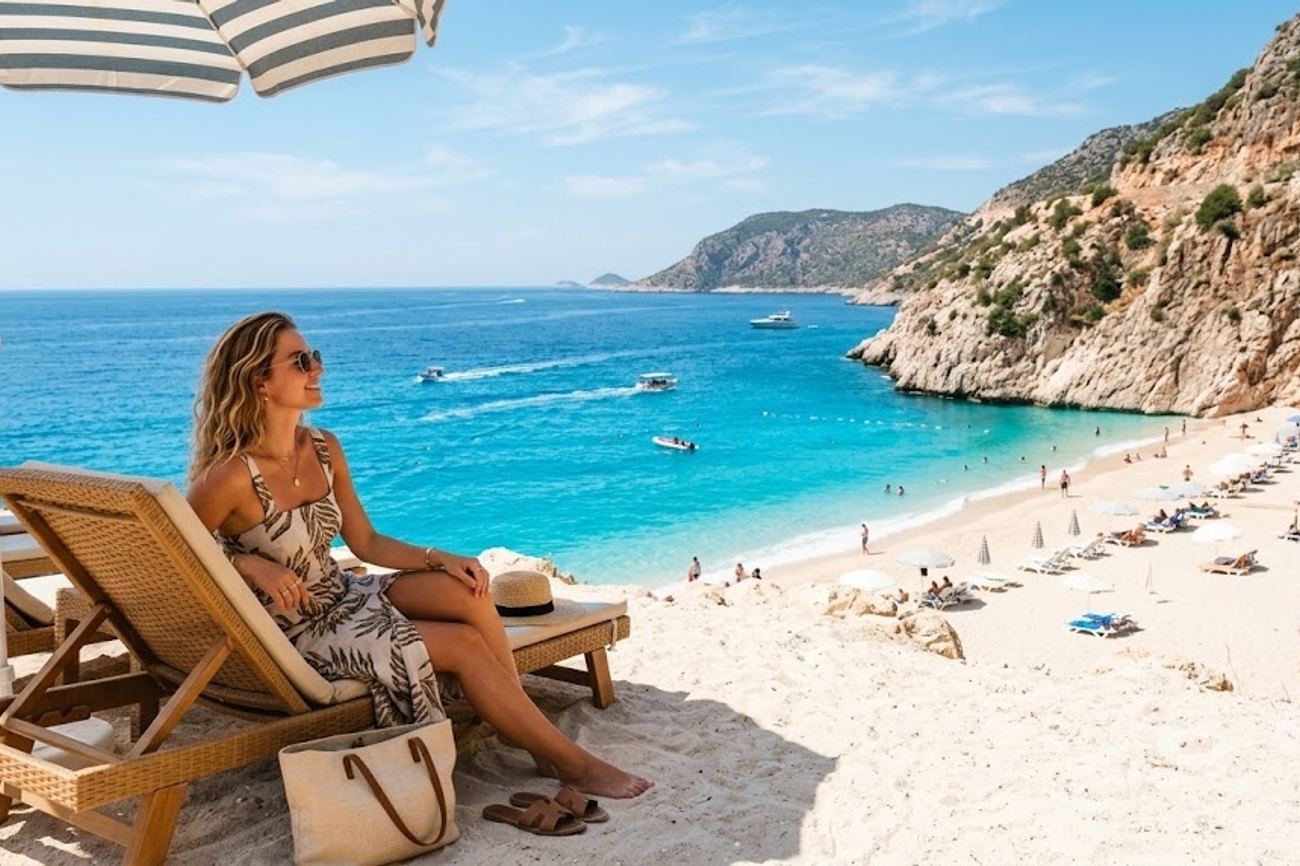
Image generated by AI
31°C average daytime temperatures in September position Antalya as a strategic pivot point for European travelers seeking to bypass the cooling trends of Northern Europe. While the primary summer surge typically peaks in July and August, this specific thermal window transforms the Turquoise Coast into a high-value alternative for late-season luxury and cultural exploration.
The September Pivot: Extending the Mediterranean Season
The shift toward September travel in Antalya is not merely a matter of preference but a calculated move by travelers to optimize the "shoulder season." By targeting this window, visitors avoid the oppressive humidity of mid-summer while maintaining access to beach-ready weather. This trend is driven by a desire for a "summer extension," where the Mediterranean climate allows for a seamless transition from high-summer activities to autumn exploration.
Antalya's geographic positioning along the Turquoise Coast provides a unique climatic advantage. While other European coastal hubs begin to see a sharp decline in temperature and an increase in precipitation by September, the region remains stable. This stability makes it a primary target for international travel creators and digital nomads who prioritize environmental consistency. The city's infrastructure—ranging from the modern resorts of Lara Beach to the historic districts of the city center—is designed to handle high volumes, yet the September dip in peak crowds allows for a more curated, less congested experience of the city's Roman and Ottoman legacies.
Infrastructure of Heritage and Leisure
The draw of Antalya is bifurcated between its high-capacity leisure zones and its dense archaeological corridors. The city operates as a gateway to some of the most significant Roman engineering feats in the Mediterranean basin. The logistical layout of the region allows travelers to move from urban centers to remote mountain sites, creating a diversified itinerary that appeals to both the leisure-seeking tourist and the historical researcher.
The following data outlines the primary anchors of the Antalya visitor experience:
| Attraction | Primary Appeal | Key Feature/Statistic |
|---|---|---|
| Aspendos | Roman Engineering | Amphitheatre capacity of approximately 15,000 spectators |
| Kaleiçi | Ottoman Heritage | Historic old town with stone-paved streets and restored housing |
| Hadrian's Gate | Roman Architecture | Preserved monumental gateway honoring Emperor Hadrian |
| Lara Beach | Coastal Leisure | One of Turkey's largest sandy beach expanses |
| Konyaaltı Beach | Urban Coastline | Integrated promenade with mountain backdrops |
| Perge Antik Kenti | Archaeology | Extensive ruins of a former powerful ancient settlement |
| Termessos | Mountain Heritage | High-altitude ruins located in the Taurus Mountains |
| Düden Waterfalls | Natural Landmark | Direct water flow into the Mediterranean Sea |
The integration of these sites suggests a strategic tourism model that leverages the Republic of Türkiye Ministry of Culture and Tourism goals of diversifying the visitor experience beyond "sun and sand." By promoting sites like Termessos and Perge, the region encourages longer stays and deeper spending within the local economy.
Expert Analysis: The Economic Logic of the "Hottest September Escape"
From a market analysis perspective, the labeling of Antalya as the "hottest place in Europe to visit in September" is a powerful psychological trigger for the European middle class. For travelers booking this route, the direct consequence is a shift in the price-to-value ratio. In July, pricing is driven by scarcity of accommodation and peak demand; in September, the demand remains high but the "desperation" of the peak-summer window vanishes, often leading to more competitive pricing for high-end resorts.
The pricing pressure this creates means that luxury properties in areas like Lara Beach must maintain high occupancy rates through the shoulder season to maximize annual revenue. This often results in better value for the traveler, who receives peak-summer amenities at late-season rates. Furthermore, the ability of sites like the Aspendos theatre to host modern concerts proves a successful "adaptive reuse" of historical assets, turning an archaeological site into a revenue-generating cultural venue.
For the global traveler, the strategic advantage of Antalya lies in its diversity of "micro-destinations." One can move from the urban density of Konyaaltı Beach to the remote isolation of the Taurus Mountains within a few hours. This reduces the "travel fatigue" associated with multi-city European trips, as the variety is contained within a single regional hub. The reliance on Turkish hospitality and the "meze" dining culture further cements the destination's appeal as a sensory experience rather than just a checklist of monuments.
Key Takeaways
- Thermal Advantage: September offers a stable average of 31°C, making it the optimal window for those avoiding peak summer crowds but requiring beach weather.
- Architectural Scale: The Aspendos theatre remains a primary draw, capable of seating 15,000 people, blending ancient Roman engineering with modern performance art.
- Diversified Geography: The region offers three distinct environments: the sandy expanses of Lara Beach, the urban promenade of Konyaaltı, and the mountain ruins of Termessos.
- Cultural Density: The Kaleiçi district serves as the operational heart for history seekers, providing immediate access to Hadrian's Gate and Ottoman-era architecture.
- Strategic Value: The "shoulder season" timing allows for a high-end experience with potentially lower congestion than the July-August peak.
FAQ: Antalya Travel 2024
Is September a good time to visit Antalya for families? Yes. The average temperature of 31°C is more manageable for children than the extreme heat of July. Additionally, the reduced crowds at major sites like Düden Waterfalls and Lara Beach make navigating the city significantly easier.
What is the best way to see the Roman ruins around Antalya? While Kaleiçi and Hadrian's Gate are walkable, sites like Aspendos, Perge, and Termessos require transport. Renting a car or hiring a licensed guide via the International Air Transport Association (IATA) affiliated travel partners is recommended for efficiency.
How does Lara Beach differ from Konyaaltı Beach? Lara Beach is characterized by wide stretches of golden sand and large-scale resorts. Konyaaltı Beach offers a more urban feel with a pebble shoreline, a vibrant promenade, and dramatic views of the Taurus Mountains.
Are the ancient sites in Antalya accessible to all visitors? Most major sites are accessible, though Termessos is located in the Taurus Mountains and requires more strenuous walking. Aspendos and Perge are more accessible but involve uneven ancient terrain.
The Turquoise Coast is no longer just a summer destination; it is a strategic late-season sanctuary for the global traveler.
Tags: Antalya-Tourism-2024, Turquoise-Coast-Travel, Aspendos-Amphitheatre, Turkey-Shoulder-Season, Lara-Beach-Resorts, Roman-Heritage-Turkey
Related Travel Guides
- Russia Travel Reveals 12 Longest Train Journeys Worldwide With The Ultimate 8 Day Rail Adventure Leading The List
- How Did This Million Euro Abbey Investment Rewrite The Future Of Luxury Travel In Umbria, Find Out Now
- Porto Santo Beach Escape: Portugal’s 9km Golden Sand Island Sanctuary in the Madeira Archipelago
Disclaimer
This article is for informational and educational purposes only. It does not constitute legal, financial, or professional advice. While we strive to provide accurate and up-to-date information, travel policies, regulations, and conditions change rapidly. Always verify information with official sources before making travel decisions. Nomad Lawyer makes no representations about the accuracy, reliability, completeness, or suitability of the information provided. Readers should consult qualified professionals for advice specific to their circumstances. The views expressed in this article are those of the author and do not necessarily reflect the views of Nomad Lawyer.
Naina Thakur
Contributor & Travel Specialist
Travel enthusiast and legal writer covering visa regulations, responsible tourism, and cultural journeys across global destinations.
Learn more about our team →