Porto Santo Beach Escape: Portugal’s 9km Golden Sand Island Sanctuary in the Madeira Archipelago

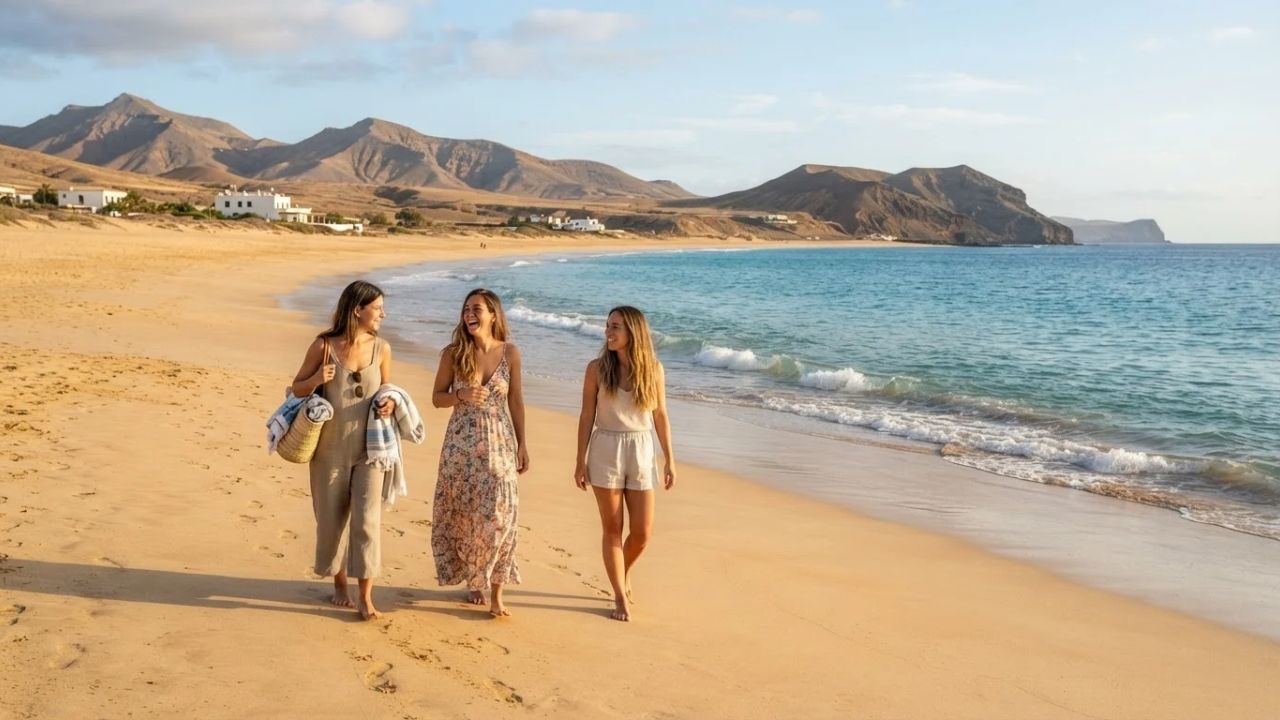
Stretching continuously for 9 kilometers along the sheltered southern shore of Portugal's Madeira archipelago, Porto Santo Beach provides a rare Atlantic island haven defined by fine therapeutic golden sands, calm turquoise waters, and an unhurried, low-density alternative to overcrowded Mediterranean coastlines. Situated 40 kilometers northeast of the main island of Madeira, this compact UNESCO Biosphere Reserve offers a striking geological contrast to its mountainous neighbor, welcoming wellness seekers, independent walkers, and slow-travel enthusiasts to the only natural, uninterrupted sandy shore in the entire archipelago.
While mainland Madeira attracts global hikers with vertical sea cliffs, laurel cloud forests, and rugged pebble coves, Porto Santo delivers a tranquil horizontal experience dedicated to decompression. Free from high-rise hotel developments, noisy cruise ship docks, and packed beach umbrellas, the island preserves an authentic Atlantic rhythm where travelers stroll unencumbered along open dunes, swim in temperate ocean shallows, and explore centuries of Age of Discoveries maritime heritage.
The Local Trend Revealed: Slow Tourism on the "Golden Island"
European travel patterns have witnessed a decisive pivot toward restorative wellness and lower-density coastal destinations. With peak summer tourism overwhelming popular coastlines across southern Spain, the Algarve, and the Italian Riviera, discerning travelers are prioritizing space, clean air, and uncommercialized authenticity.
Affectionately nicknamed Ilha Dourada (the Golden Island), Porto Santo answers this shift through its sheer physical scale and relaxed community culture:
- The 9-Kilometer Coastal Expanse: The uninterrupted sweep of golden sand allows beachgoers to walk for hours without encountering dense crowds. Even during peak summer weeks, the breadth of the shoreline ensures ample personal space.
- A Dedicated Low-Density Model: Rather than chasing mass tourism volumes, regional planning authorities in Porto Santo enforce strict building height limits and environmental zoning, preserving the small-town warmth of the island’s capital, Vila Baleira.
- Year-Round Temperate Climate: Positioned in the subtropical Atlantic, the island enjoys a mild climate with over 2,100 hours of annual sunshine. Sea temperatures remain comfortable for swimming well into autumn (averaging 21°C to 23°C / 70°F to 73°F in September and October), extending the beach holiday calendar far beyond the short continental summer.
Coastal Geography: The Six Named Sections of Porto Santo Beach
The 9-kilometer shoreline is organized into six distinct beach zones, each presenting a different character, ecological profile, and suite of amenities:
Plan your journey to the archipelago through the Visit Madeira official tourism portal, which provides comprehensive guides on reaching Porto Santo.
Exploring the Southern Coastline
- Penedo: The easternmost stretch of the beach, situated near the port. Penedo offers an exceptionally quiet, sheltered setting framed by low maritime dunes, making it ideal for contemplative sunrise strolls and uninterrupted reading.
- Cabeço da Ponta: A popular, fully serviced section backed by seaside cafes, sun lounger rentals, and dedicated watersports operators offering stand-up paddleboards and windsurfing gear. Cabeço da Ponta proudly flies the international Blue Flag for water purity and eco-management.
- Calheta: Located at the far southwestern tip of the island, Calheta is renowned for dramatic volcanic rock outcrops, basalt reefs, and sweeping views across the narrow channel toward the uninhabited islet of Ilhéu da Calheta. Its sheltered natural pool formation provides calm swimming conditions during ocean swells.
- Fontinha: Bordering the historic center of Vila Baleira, Fontinha serves as the central beach hub. Equipped with complete accessibility ramps, amphibious beach wheelchairs for disabled visitors, lifeguard stations, and shaded boardwalks, it holds long-standing Blue Flag accreditation.
- Pedras Pretas: A transitional coastal section marked by dark volcanic stones scattered across the golden shoreline, creating striking visual contrast for coastal photography and beachcombing.
- Ribeiro Salgado: Positioned adjacent to the island's primary eco-resorts and wellness clinics, Ribeiro Salgado combines soft dunes with Blue Flag environmental standards, providing easy access to certified thalassotherapy centers.
Natural Wellness and Psammotherapy: The Science of Therapeutic Sand
Beyond aesthetic beauty, Porto Santo's golden sand holds legendary therapeutic status in Portuguese natural medicine. Unlike common quartz or silica beach sand found in continental Europe, Porto Santo's sand is a carbonated biogenic formation derived from pulverized coral reefs, calcified algae, and microscopic marine shells that accumulated over thousands of years:
The Healing Properties of Biogenic Sand
- Mineral-Rich Chemical Composition: Laboratory analyses by the University of Aveiro and the University of Oslo confirm that the sand contains exceptionally high concentrations of bioavailable minerals, including calcium carbonate, magnesium, strontium, and sulfur.
- Psammotherapy (Hot Sand Baths): Due to its flat, microscopic grain structure, the sand adheres evenly to the skin and exhibits remarkable thermal retention. When heated by the subtropical sun, the sand transfers therapeutic warmth deep into joint tissues. Practiced locally for centuries, psammotherapy involves immersing the limbs or body in warm sand to alleviate chronic musculoskeletal stiffness, rheumatic pain, osteoarthritis, and sports injuries.
- Specialized Thalassotherapy Clinics: Visitors seeking structured therapeutic treatments can book clinical sessions at the Porto Santo Thalassotherapy Center, where heated seawater hydrotherapy pools, marine mud wraps, and supervised sand baths provide medically guided rehabilitation.
Cultural & Environmental Value: Age of Discoveries and Biosphere Stewardship
Porto Santo is not merely a resort sandbar; it is an island steeped in Atlantic navigation history and recognized globally for ecological stewardship:
The Christopher Columbus Heritage in Vila Baleira
In 1479, Italian navigator Christopher Columbus married Filipa Moniz Perestrelo, the daughter of Bartolomeu Perestrelo, the first governor and captain-major of Porto Santo. Columbus resided in Vila Baleira for several years, studying Atlantic currents, trade winds, and navigational sea charts that ultimately inspired his 1492 transatlantic expedition:
Explore the island's commitment to sustainability and biodiversity via the UNESCO World Network of Biosphere Reserves.
- Casa de Colombo Museum: Travelers can visit the restored 15th-century stone residence where Columbus lived in the heart of Vila Baleira. The museum displays 16th-century navigational instruments, maritime maps, Dutch East India Company shipwreck artifacts, and model caravels.
- Nossa Senhora da Piedade Church: Located in the town square, this historic 15th-century parish church features whitewashed walls, carved basalt portals, and beautiful Portuguese blue-and-white azulejo tiles.
UNESCO Biosphere Reserve and the Smart Green Island Vision
In October 2020, UNESCO officially designated Porto Santo Island as a World Biosphere Reserve:
- The "Smart Fossil Free Island" Transition: Porto Santo has become a global pioneer in clean energy transition, deploying electric vehicle fleets, smart energy storage grids powered by wind and solar arrays, and intelligent water desalination systems.
- Dune and Forestry Protection: Regional conservation programs actively reforest coastal sand dunes with endemic flora—such as sea daffodils (Pancratium maritimum) and beach grasses—to prevent coastal erosion and preserve fragile micro-habitats.
Visitor Insider Tips: How to Experience Porto Santo Like a Local
Navigating Porto Santo is remarkably simple, but understanding local logistics guarantees a seamless island retreat:
Access and Arrival Options
- The Ferry Connection (Porto Santo Line): The scenic Lobo Marinho passenger and vehicle ferry operates daily from Funchal Port on Madeira, taking approximately 2 hours and 15 minutes. It offers spacious observation decks, cinema rooms, cafes, and open ocean views where travelers frequently spot pods of common dolphins and pilot whales.
- Inter-Island Air Hop: Binter Canarias operates convenient 15-to-20-minute direct flights between Madeira Airport (FNC) and Porto Santo Airport (PXO) several times daily aboard modern ATR-72 turboprop aircraft.
- Direct Seasonal Charters: Direct international seasonal charter flights link Porto Santo directly with Lisbon, Porto, London, and Frankfurt during peak travel months.
Getting Around the Island
- E-Bikes and Electric Scooters: Porto Santo measures just 11 kilometers in length and 6 kilometers across. Renting an electric bicycle or an electric micro-car (like a Renault Twizy) provides the ultimate freedom to explore coastal viewpoints and hillside lookouts without burning fossil fuels.
- Bicycle-Friendly Flat Terrain: A dedicated paved bicycle path runs parallel to the beach from Vila Baleira all the way west to Calheta, offering a flat, stress-free cycling route suitable for all fitness levels.
Active Volcanic Hikes Beyond the Beach
Take a break from the sand to hike the island’s distinctive volcanic peaks:
- Pico de Ana Ferreira: A geological marvel featuring a towering wall of pentagonal and hexagonal basalt columns known as the "Organ Pipes" (Pedras do Orgão), formed by the slow cooling of subterranean volcanic magma.
- Pico do Castelo: A 437-meter volcanic peak crowned by a 16th-century stone fortress where islanders sought refuge during violent pirate raids by Barbary corsairs. The summit offers sweeping 360-degree vistas of the entire 9-kilometer golden beach curving into the turquoise Atlantic.
Authentic Flavors of Porto Santo: Regional Atlantic Gastronomy
Dining in Porto Santo is an intimate celebration of fresh Atlantic catches, traditional wood-fired breads, and heritage Madeira wines:
Coordinate your flights and regional transfers through TAP Air Portugal, the national carrier serving the Madeira islands.
Signature Island Specialties
- Warm Bolo do Caco: The defining bread of the archipelago. A circular, flat yeast bread crafted with mashed sweet potato and wheat flour, baked directly on a scorching basalt stone slab (caco). Sliced horizontally while steaming hot and slathered with garlic parsley butter, it is an essential accompaniment to every meal.
- Lapas Grelhadas (Grilled Limpets): Freshly harvested limpets grilled in a sizzling cast-iron skillet, seasoned with garlic, butter, and a squeeze of fresh lemon juice, eaten straight from the shell.
- Espetada Madeirense: Tender cubes of prime beef rubbed with sea salt, crushed garlic, and fresh bay leaves, skewered onto green laurel wood branches and grilled slowly over glowing embers, served suspended from vertical table stands.
- Peixe-Espada Preto: Deep-sea black scabbardfish caught in Atlantic ocean trenches, filleted and pan-fried, traditionally paired with caramelized local bananas and savory maracujá (passion fruit) sauce.
- Vinho de Porto Santo: Sample rare dry white and fortified amber wines produced from indigenous grapes cultivated in tiny sandy vineyards surrounded by dry-stone windbreaks (currais).
- Sweet Lambrecas and Queijadas: End your seaside dinner in Vila Baleira with traditional regional pastries filled with sweet cottage cheese, sugar, and cinnamon, paired with a cup of strong bica espresso.
Tourism Outlook: The Future of Balanced Atlantic Island Travel
As travelers across the globe re-evaluate the environmental and psychological costs of overcrowded tourism hubs, Porto Santo stands as a shining beacon for sustainable island management. By centering its appeal on 9 kilometers of clean, therapeutic golden sands, quiet volcanic trails, and authentic cultural roots, the island proves that destination quality far outweighs sheer visitor quantity.
Whether you spend your days soaking in the mineral warmth of biogenic sand, exploring Columbus’s maritime heritage, or savoring grilled limpets as the Atlantic sunset turns the cliffs of Calheta amber, Porto Santo is more than an escape—it is a serene reminder of what travel was always meant to be.
Related Travel Guides
- Portugal Fall Travel Hack: Micro-Packing, Airline Fees, and Lisbon Weekend Guide 2026
- US Travelers Top Foreign Visitors in Douro Region: Northern Portugal Tourism Surge 2026
- American Tourists Pivot to Croatia, Czech Republic, Italy, and Portugal for Fall Europe Travel 2026
FAQ: Porto Santo Beach Escape: Portugal’s 2026
How do I get to Porto Santo from Madeira? You can reach Porto Santo from Funchal via a short 30-minute flight or a scenic 2.5-hour ferry ride. Both options operate regularly, providing easy access between the two islands.
What is the best time of year to visit Porto Santo? While sunny year-round, the best time is from May to October. September and October are particularly ideal, as the Atlantic waters remain warm and the peak summer crowds have diminished.
Are the sands of Porto Santo Beach actually therapeutic? Yes, the golden sands are renowned for their therapeutic properties. Many visitors utilize the beach for natural treatments to help alleviate joint pain and respiratory issues.
Is Porto Santo a good destination for families and slow travel? Absolutely. With its low-density tourism model, calm turquoise waters, and lack of high-rise developments, it is perfect for families and travelers seeking a quiet, restorative pace.
This article is for informational purposes. Flight routes, passenger regulations, visa rules, and transit advisories are subject to change by airlines and aviation authorities. Readers are advised to verify schedules and travel documentation with relevant carriers and border agencies before departure.
Related Stories

Costa Rica and US Mental Health Tourism Surge: Legal Rights and Wellness Travel Frameworks 2026
Beyond Lisbon: Exploring Évora and Portugal's Hidden Cultural Gems in 2026