
Saudi Arabia’s Jeddah Strengthens Global Travel And Trade Links With New Asia–Europe Shipping Service
Saudi Arabia’s Jeddah Strengthens Global Travel And Trade Links With New Asia–Europe Shipping Service

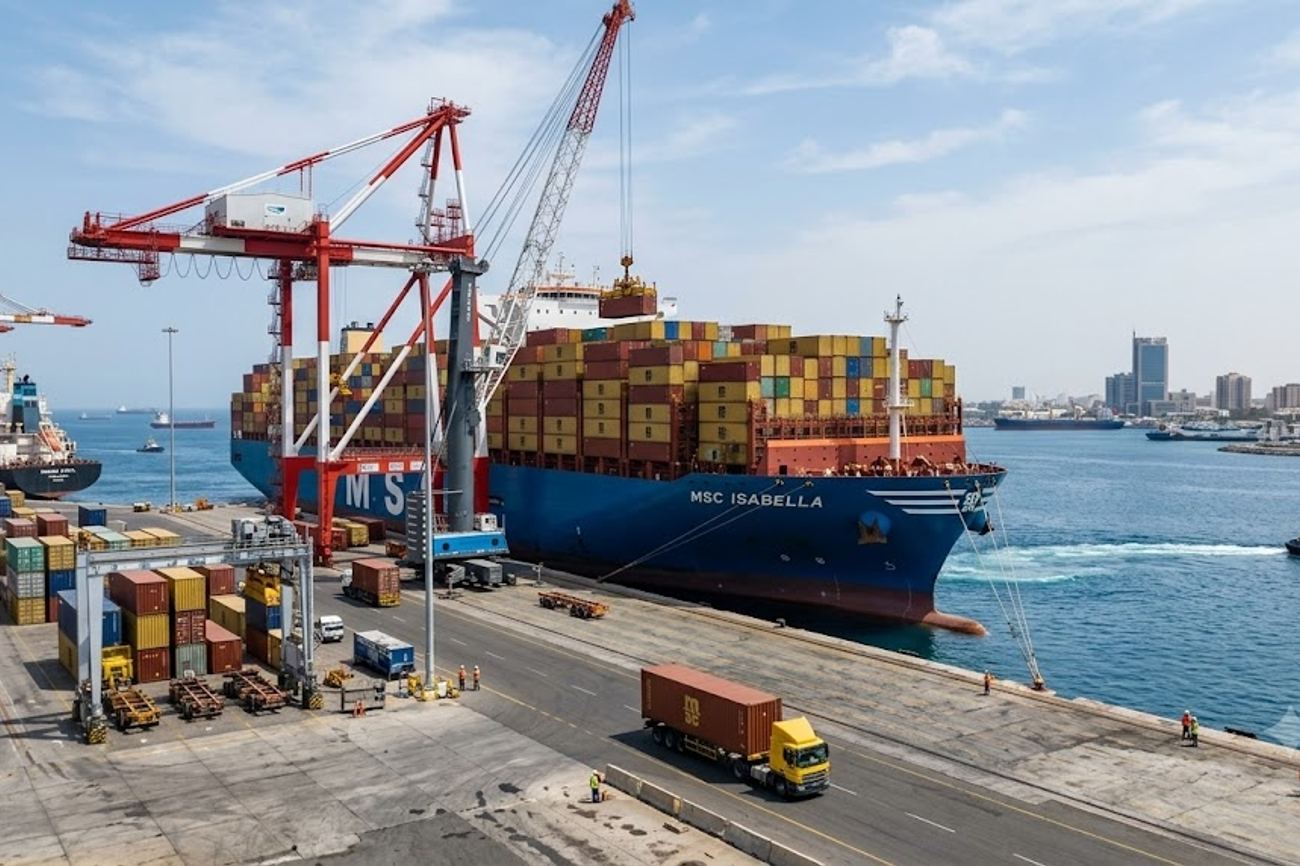
Image generated by AI
Saudi Arabia’s non-oil GDP growth has consistently outpaced overall GDP growth in recent quarters, reflecting a systemic pivot toward logistics that is now manifesting in the Red Sea. The activation of a new direct Asia-Europe shipping service via Jeddah Islamic Port signals a transition from theoretical infrastructure planning to operational capacity, positioning the Kingdom to capture a larger share of the maritime traffic traditionally dominated by regional competitors.
The Logistics Pivot in Numbers: Jeddah’s Strategic Shift
The operationalization of the new Asia-Europe shipping connection is not a standalone event but a tactical execution of the Vision 2030 framework. By establishing direct trade routes between Asian manufacturing hubs and European consumer markets, Jeddah Islamic Port is leveraging its geographical proximity to the Suez Canal to minimize transit times and reduce logistical friction for international exporters and importers.
The primary objective here is the acceleration of non-oil economic activity. While the immediate metrics of success are measured in container throughput and vessel turnaround times, the secondary data indicates a ripple effect into the services sector. According to the World Trade Organization (WTO), the efficiency of maritime gateways directly correlates with the volume of Foreign Direct Investment (FDI) in adjacent logistics zones. For Jeddah, this means the port is no longer just a point of entry for the Kingdom, but a regional distribution center designed to compete for global market share.
The focus on cargo transport is the lead indicator for a broader economic expansion. When container volumes increase, the demand for "white-collar" logistics support—legal consultants, supply chain managers, and corporate auditors—rises proportionally. This shift creates a predictable increase in the volume of high-yield business travel, which differs significantly from the seasonal patterns of religious tourism.
Comparative Context: The Red Sea Competitive Landscape
Historically, the Red Sea corridor has been a transit zone. However, Saudi Arabia is attempting to transform it into a destination hub. When comparing the current trajectory of Jeddah Islamic Port to historical regional benchmarks, we see a shift from a "pass-through" model to a "value-add" model.
In previous decades, the majority of Asia-Europe trade bypassed Saudi ports in favor of larger hubs in the UAE or direct transit to the Mediterranean. The current investment in terminal development and digital supply chain solutions aims to invert this trend. By integrating logistics zones with modern port facilities, Saudi Arabia is reducing the "cost per TEU" (Twenty-foot Equivalent Unit) for businesses choosing Jeddah over other regional alternatives.
The following table illustrates the strategic shift in Jeddah's operational focus:
| Metric | Legacy Port Model (Pre-Vision 2030) | Emerging Logistics Hub Model (Current/Future) |
|---|---|---|
| Primary Function | National Import/Export Gateway | Global Distribution & Transshipment Center |
| Trade Orientation | Regional/Domestic | Asia-Middle East-Europe Triangle |
| Economic Driver | Oil-based Economy Support | Non-Oil GDP Diversification |
| Travel Demand | Primarily Religious/Seasonal | Corporate, MICE, and Cruise Tourism |
| Infrastructure Focus | Basic Berthing & Storage | Digital Supply Chains & Integrated Logistics Zones |
This evolution is mirrored in the broader regional data provided by IATA, which shows a corresponding increase in corporate travel demand to the GCC region as trade diversification takes hold. The synergy between maritime capacity and aviation connectivity is what will ultimately define Jeddah's success as a global node.
What This Means for Travelers
While the immediate announcement focuses on container ships and cargo movement, the data suggests three specific actionable insights for the professional traveler and the corporate nomad.
First, the surge in maritime trade is a leading indicator for an increase in corporate hotel occupancy in Jeddah. If you are planning business travel to the region in the coming 12-24 months, expect a tightening of the luxury hotel market. The influx of international firms establishing a presence in the new logistics zones will drive up demand for high-end accommodations and meeting spaces. Booking 12-16 weeks in advance for corporate trips to Jeddah is now recommended to avoid price spikes associated with this growth.
Second, the development of the port infrastructure is a precursor to expanded cruise tourism. As the port becomes more efficient and the coastal infrastructure improves, we expect an increase in cruise call frequencies. For leisure travelers, this means that the Red Sea will become more accessible via sea-based itineraries, reducing the reliance on air travel for coastal exploration.
Third, there are no current changes to visa or passport requirements linked to this shipping route. However, travelers should monitor the "Business Visit" visa categories. As Saudi Arabia attracts more international trade partnerships, the government may introduce streamlined entry processes for logistics and trade professionals to facilitate the movement of the human capital required to run these new shipping links.
Forward Projection: From Cargo to Coastal Tourism
The trajectory of Jeddah Islamic Port suggests a convergence of trade and tourism. The current focus on "heavy" infrastructure (cranes, terminals, warehouses) is the necessary foundation for "light" infrastructure (hotels, resorts, cruise terminals).
Based on current investment patterns, we can project that the increased volume of trade will fund the further development of the Red Sea coastline. We are moving toward a model where Jeddah serves as a dual-purpose gateway: a commercial artery for Asia-Europe trade and a luxury entry point for international tourists. The growth in non-oil economic activity will likely lead to a diversification of the visitor profile in Jeddah, shifting from a predominantly religious demographic to a mix of corporate executives, maritime professionals, and luxury cruise passengers.
As the Kingdom continues to invest in digital supply chain solutions, the "frictionless" nature of the port will likely be mirrored in the tourist experience. We anticipate the integration of smarter transit options between the port, the airport, and the emerging coastal resorts, creating a seamless corridor for the global business traveler.
FAQ: Jeddah Logistics & Travel 2024-2025
Will the new shipping route increase travel costs to Saudi Arabia? No. The shipping route focuses on cargo and container movement, not passenger flights. However, increased business demand may lead to higher hotel rates in Jeddah's commercial districts.
Is this a good time to invest in Jeddah-based business travel? Yes. The shift toward a global logistics hub indicates long-term growth in corporate demand, MICE (Meetings, Incentives, Conferences, and Exhibitions) events, and professional services.
Which sectors will see the most growth in Jeddah? Logistics, supply chain management, corporate hospitality, and maritime services are the primary growth drivers, followed by coastal and cruise tourism.
Does this shipping link affect tourist visa requirements? No. The announcement is strictly related to maritime trade and cargo. Current visa and passport regulations for international visitors remain unchanged.
The transition from a transit point to a trade destination is the ultimate play for the Red Sea.
#JeddahIslamicPort #SaudiVision2030 #AsiaEuropeTradeRoute #RedSeaLogisticsGrowth2024 #NonOilGDPSaudi #MaritimeTradeAnalysis
Related Travel Guides
- Turkey Travel Shines as Antalya Becomes Europe’s Hottest September Escape With White Sandy Beaches
- Russia Travel Reveals 12 Longest Train Journeys Worldwide With The Ultimate 8 Day Rail Adventure Leading The List
- How Did This Million Euro Abbey Investment Rewrite The Future Of Luxury Travel In Umbria, Find Out Now
Disclaimer
This article is for informational and educational purposes only. It does not constitute legal, financial, or professional advice. While we strive to provide accurate and up-to-date information, travel policies, regulations, and conditions change rapidly. Always verify information with official sources before making travel decisions. Nomad Lawyer makes no representations about the accuracy, reliability, completeness, or suitability of the information provided. Readers should consult qualified professionals for advice specific to their circumstances. The views expressed in this article are those of the author and do not necessarily reflect the views of Nomad Lawyer.
Naina Thakur
Contributor & Travel Specialist
Travel enthusiast and legal writer covering visa regulations, responsible tourism, and cultural journeys across global destinations.
Learn more about our team →