
New Zealand Visa Applications Online: What Travellers Need to Know for October 2026
New Zealand Visa Applications Online: What Travellers Need to Know for October 2026

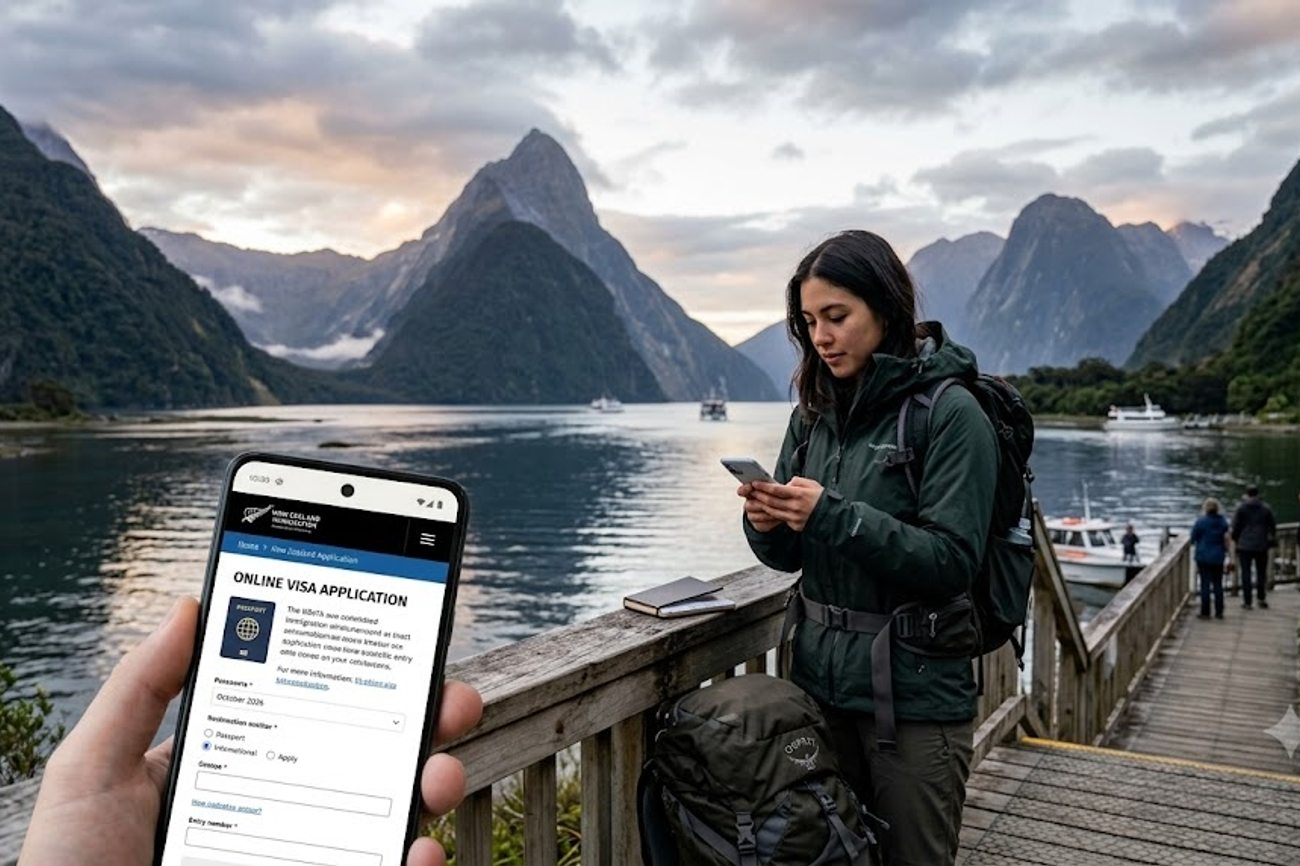
Image generated by AI
title: New Zealand Digital Visa Transition 2026: Passenger Rights and Compliance Guide date: 2024-05-22 author: Senior Aviation Disruption Analyst category: Immigration & Passenger Rights
Imagine a business traveler arriving at the airport for a flight to Auckland, only to realize their paper-based visa application—submitted weeks prior via traditional mail—is no longer recognized by border authorities. As of October 1, 2026, the window for physical submissions has slammed shut, leaving those who failed to migrate to the digital portal stranded at the departure gate.
The Mandate for Digital Entry: New Zealand 2026
The administrative framework for entering New Zealand is undergoing a fundamental structural shift. Immigration New Zealand has announced that starting October 1, 2026, specific categories of visitor and transit visas will transition exclusively to digital platforms. This is not a mere suggestion or a "preferred" method of application; it is a mandatory requirement. The government is phasing out legacy paper-based systems to eliminate administrative backlogs and modernize border security protocols.
Historically, the process of securing entry into New Zealand was characterized by manual document handling, physical mail submissions, and often unpredictable waiting periods. The new digital mandate is the final step in a long-term strategy to harmonize entry requirements for all foreign nationals. By leveraging automated platforms, the state aims to manage the high volumes of post-pandemic tourism without the friction associated with physical bureaucracy.
For the passenger, this means the end of courier fees and the physical dispatch of passports to visa application centers. However, it introduces a new set of risks. The transition to a cloud-based tracking system means that any technical error—such as an incorrect file format or a low-resolution upload—can trigger an immediate system rejection, potentially leading to denied boarding at the airport.
Affected Visa Categories and Deadlines
The transition specifically targets the following categories of travelers. It is imperative to check your specific classification to determine if you fall under the new mandatory digital requirements.
- Visitor Visas: All standard tourist and short-term visitor applications.
- Transit Visas: Passengers passing through New Zealand to a third destination.
- Business Visitors: Short-term corporate travel and professional consultations.
- Deadline: October 1, 2026 (All paper submissions after this date will be rejected).
Travelers should utilize tools like FlightRadar24 to monitor their flight schedules, but they must ensure their legal right to enter the destination is secured via the official digital portal long before the aircraft pushes back.
Your Rights as a Passenger
When a visa issue leads to a flight disruption, the legal intersection between immigration law and aviation law becomes complex. It is vital to understand where your liability ends and the airline's responsibility begins.
Denied Boarding due to Documentation Under most international frameworks, including the US DOT air consumer protections and UK CAA guidelines, an airline is legally entitled to deny boarding to a passenger who does not possess valid travel documents. If you are denied boarding because you submitted a paper application after the October 1, 2026 deadline, this is classified as "passenger fault." In this scenario, you are generally not entitled to financial compensation for the flight delay or cancellation.
Airline Duty of Care While you may not be entitled to compensation for the denied boarding itself, if the airline's staff provided incorrect information regarding the visa requirements (e.g., claiming a paper visa was still valid when it was not), you may have grounds for a claim based on negligence. However, the primary responsibility for document compliance rests with the traveler.
Refund Rights If you are unable to travel due to a visa rejection, your right to a refund depends on the fare class of your ticket:
- Refundable Fares: You are entitled to a full refund to the original form of payment.
- Non-Refundable Fares: You may be entitled to a travel credit minus a cancellation fee.
- Forced Refunds: Under specific US DOT rules, if the airline cancels the flight for any reason, a full refund is mandatory regardless of the ticket type, though this does not apply if the passenger is simply ineligible to fly due to visa issues.
For those seeking to challenge a denied boarding or seek a refund, consulting the UK CAA passenger rights page provides a clear roadmap for filing formal complaints.
Rebooking Strategy and Alternatives
If you find yourself unable to board your flight due to the new digital visa requirements, do not simply accept a forfeiture of your ticket. Follow this strategic recovery plan:
1. Immediate Digital Application Since the new system is designed for speed, your first move should be to attempt an immediate digital submission via the official government portal. Ensure you have high-resolution scans of your passport, financial statements, and accommodation itineraries ready.
2. The "Open-Jaw" Pivot If your New Zealand visa is delayed, check if you can re-route your trip. If you were flying into Auckland (AKL) but have transit rights to other Pacific hubs, consider shifting your itinerary to a different region while your digital application processes. Use FlightAware to find alternative routing that avoids New Zealand temporarily.
3. Competitor Rebooking vs. Airline Credit If your current airline refuses to move your flight date without a heavy penalty, compare the cost of a new one-way ticket from a competitor against the change fee. Often, in the wake of major administrative shifts, some airlines offer "compassion" waivers for documentation errors—always ask the gate agent or phone representative if a "visa-related waiver" is available for your booking.
4. Document Verification Services To avoid the "immediate rejection" risk mentioned by Immigration New Zealand, use a certified digital document verification service to ensure your photographs and PDFs meet the exact dimensional and clarity criteria required by the portal.
FAQ: New Zealand Digital Visas 2026
Am I entitled to compensation if I am denied boarding due to a visa error? No. Under aviation regulations, presenting valid travel documents is the passenger's responsibility. If you fail to use the digital portal after October 1, 2026, the airline is not liable for any resulting losses or delays.
Can I get a full refund if my digital visa is rejected? Refunds are governed by your ticket's fare rules, not the visa outcome. If you hold a non-refundable ticket, you will likely only receive a travel credit or a partial refund minus the airline's administrative fees.
What happens to paper applications submitted before October 1, 2026? Applications submitted and processed before the deadline remain valid. The mandate applies to new submissions. However, it is highly recommended to transition to the digital system to ensure easier tracking and updates.
What are the most common reasons for digital application delays? The most frequent triggers for delays are incorrect file formatting, low-resolution passport photos, and incomplete financial documentation. Ensure all uploads strictly adhere to the official government dimensions and clarity standards.
Ensure your digital footprint is as valid as your passport before you head to the terminal.
#NewZealandImmigration #AKL #VisitorVisa2026 #DigitalTransformation #PassengerRights #ImmigrationNZ
Related Travel Guides
Disclaimer
This article is for informational and educational purposes only. It does not constitute legal, financial, or professional advice. While we strive to provide accurate and up-to-date information, travel policies, regulations, and conditions change rapidly. Always verify information with official sources before making travel decisions. Nomad Lawyer makes no representations about the accuracy, reliability, completeness, or suitability of the information provided. Readers should consult qualified professionals for advice specific to their circumstances. The views expressed in this article are those of the author and do not necessarily reflect the views of Nomad Lawyer.
Naina Thakur
Contributor & Travel Specialist
Travel enthusiast and legal writer covering visa regulations, responsible tourism, and cultural journeys across global destinations.
Learn more about our team →