
Bauchi State Government Unveils Electric Tricycle Charging Stations Plan
Bauchi State Government Unveils Electric Tricycle Charging Stations Plan

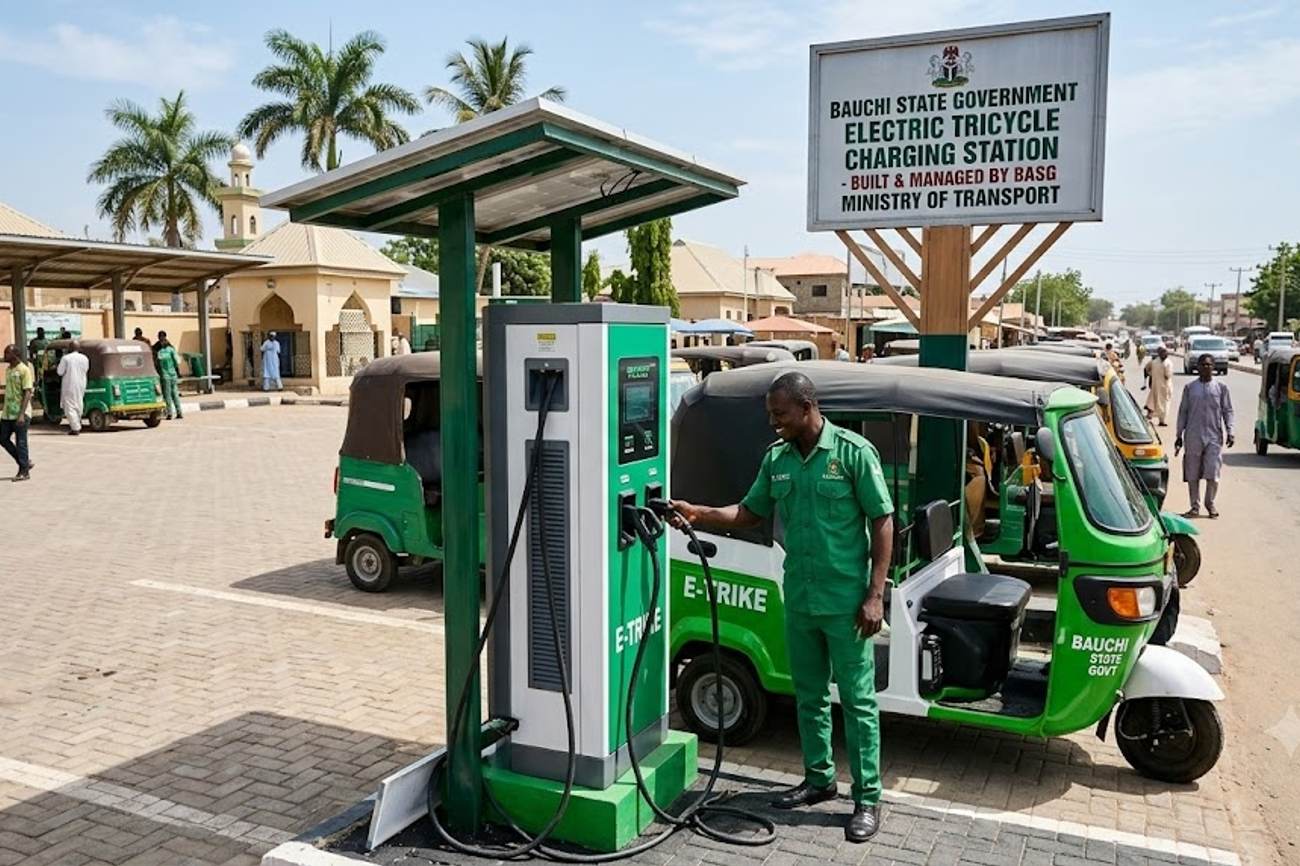
Image generated by AI
title: Electric Mobility in Bauchi: Nigeria's New Urban Transit Frontier description: An insider's look at how Bauchi State is transitioning from fuel-dependent tricycles to a sustainable electric charging network.
While most visitors to Northern Nigeria associate urban transit with the roar of combustion engines, Bauchi is quietly pivoting toward a silent revolution. The state government has launched a strategic plan to install dedicated electric tricycle charging stations, moving the region away from its historic dependence on petroleum-based transport. This is not merely a technical upgrade; it is a fundamental restructuring of how people move through the city, aimed at erasing the volatility of fuel prices and the smog of aging fleets.
The Shift to Silent Streets in Bauchi
For decades, the rhythm of Bauchi has been dictated by the fluctuating cost of petrol. For the average resident or visitor, this meant that the cost of a short trip could change overnight based on fuel scarcity or price hikes. The current move toward electric tricycle infrastructure changes this equation. By building a network of charging hubs, the government is attempting to decouple public transit from the instability of the oil market.
This transition is part of a wider national movement in Nigeria to curb environmental degradation. In Bauchi, this manifests as a push for "green mobility." The goal is to replace the aging, noise-polluting fleets of internal combustion tricycles with battery-powered units. For those of us who have spent time navigating the metropolitan routes, the difference will be visceral: a reduction in the constant acoustic drone of two-stroke engines and a visible improvement in air quality along the main thoroughfares.
The infrastructure being laid down now—the charging stations—is the critical linchpin. Without a reliable grid of power hubs, electric vehicles remain a novelty rather than a utility. The state is focusing on optimizing power grid capacity and the geographic distribution of these stations to ensure that commercial drivers do not face "range anxiety" or operational bottlenecks that could paralyze the city's movement.
What Makes Bauchi's Transit Pivot Unique
Unlike previous administrative efforts that focused on the surface level—such as managing traffic flow or providing subsidies for petrol-powered vehicles—this current framework attacks the root cause of transit instability. In the past, the strategy was palliative; the government would try to soften the blow of fuel price spikes. Now, the approach is structural. By investing in renewable energy hardware, Bauchi is positioning itself as a laboratory for sustainable urbanism in West Africa.
From an experiential standpoint, this shift changes the passenger's relationship with the city. The electric tricycle experience is smoother, quieter, and more predictable. For the traveler, this means a more stabilized fare structure. You will no longer find drivers hiking prices mid-trip because they just paid a premium for a liter of fuel at a black-market pump.
Moreover, this initiative is attracting a new breed of investor. Those interested in clean energy and sustainable infrastructure are looking at Bauchi not just as a regional hub, but as a scalable model for other Nigerian states. This integration of technology into the daily commute is transforming the tricycle from a simple tool of convenience into a piece of high-tech urban infrastructure.
Visitor Insider Tips
Navigating Bauchi during this transition requires a bit of local nuance. While the electric fleet is rolling out, you will still encounter a mix of old and new technology.
Timing and Movement: To avoid the heaviest congestion, plan your movements between 10:00 AM and 3:00 PM. The early morning and late afternoon rushes are intense, and as the electric charging network expands, some traditional routes may see temporary diversions around new installation sites.
Fare Etiquette: While the goal of the electric transition is fare stabilization, always negotiate your price before stepping into a tricycle. Even with standardized goals, local customs dictate a brief negotiation. If you are using a newer electric unit, you may find drivers more open to fixed rates as their overhead costs decrease.
Where to Base Yourself: If you are visiting for business or leisure, look for accommodations near the city center or the areas surrounding the Yankari Game Reserve access points. Being centrally located reduces your reliance on long-haul tricycle trips and puts you closer to the newly emerging charging hubs.
Local Specialties: While traversing the city, stop at local markets for Masa (fermented rice cakes), a regional staple. The best spots are often found in the smaller alleys where the noise of the main roads fades—an experience that will only improve as the city becomes quieter.
Transport Hacks: For those traveling from the airport or major hubs, check for official transport cooperatives. As the state integrates these electric fleets, the cooperatives will be the first to adopt the new technology. Using these registered groups ensures a safer and more reliable journey than hailing random vehicles. For broader travel planning in the region, the Nigeria Tourism Corporation provides updated guidelines on regional travel.
Cultural and Environmental Context
The introduction of electric mobility in Bauchi is a response to a precarious environmental balance. Northern Nigeria faces significant challenges with desertification and air quality. By removing thousands of small, inefficient combustion engines from the street, the state is taking a tangible step toward reducing the urban heat island effect and lowering carbon emissions.
However, this transition is not without its cultural frictions. For the thousands of drivers who have spent years maintaining old engines, the shift to battery-powered vehicles requires a complete change in skill set. The government's plan includes stakeholder engagement sessions to teach drivers about battery-swapping procedures and energy tariffs. This is a critical social component; if the drivers feel alienated by the technology, the system will fail.
There is also the challenge of the power grid. Nigeria's energy infrastructure has historically been unreliable. The success of Bauchi's green mobility depends entirely on the ability to maintain a consistent power supply to the charging stations. This has led to discussions about integrating solar arrays directly into the charging hubs, turning the transit network into a decentralized energy grid. This aligns with the broader goals of the UNESCO World Heritage philosophy regarding the sustainable management of urban environments and the preservation of cultural landscapes through modern, non-invasive technology.
FAQ: Visiting Bauchi 2025
What is the best time to visit Bauchi? The coolest and most pleasant weather occurs between November and February. This is also the best time to visit the nearby Yankari Game Reserve, as the roads are more accessible and the temperatures are manageable for wildlife spotting.
Do I need a visa to visit Bauchi? Yes, most international visitors require a visa to enter Nigeria. You should apply through the nearest Nigerian embassy or utilize the official e-visa portal. Ensure your passport is valid for at least six months beyond your intended stay.
How do I get to Bauchi from Abuja? The most common method is via a domestic flight to Bauchi Airport or by hiring a private driver for the road trip. For those using public transport, inter-state buses are available, though private hire is recommended for increased safety and comfort.
Is it safe for solo travelers? Bauchi is generally welcoming, but solo travelers should exercise standard precautions. Stick to registered transport operators, avoid traveling between cities at night, and keep a local contact informed of your itinerary.
The silence of a battery-powered engine is the new sound of progress in the heart of Bauchi.
#BauchiTransit2025 #NigeriaGreenMobility #ElectricTricycleBauchi #WestAfricaUrbanism #BauchiStateTransport
Related Travel Guides
Disclaimer
This article is for informational and educational purposes only. It does not constitute legal, financial, or professional advice. While we strive to provide accurate and up-to-date information, travel policies, regulations, and conditions change rapidly. Always verify information with official sources before making travel decisions. Nomad Lawyer makes no representations about the accuracy, reliability, completeness, or suitability of the information provided. Readers should consult qualified professionals for advice specific to their circumstances. The views expressed in this article are those of the author and do not necessarily reflect the views of Nomad Lawyer.
Naina Thakur
Contributor & Travel Specialist
Travel enthusiast and legal writer covering visa regulations, responsible tourism, and cultural journeys across global destinations.
Learn more about our team →