
Nepal’s Himalayan Tourism Faces Historic Climate Challenge as Glacier Loss and Extreme Weather Transform Mountains
Nepal’s Himalayan Tourism Faces Historic Climate Challenge as Glacier Loss and Extreme Weather Transform Mountains

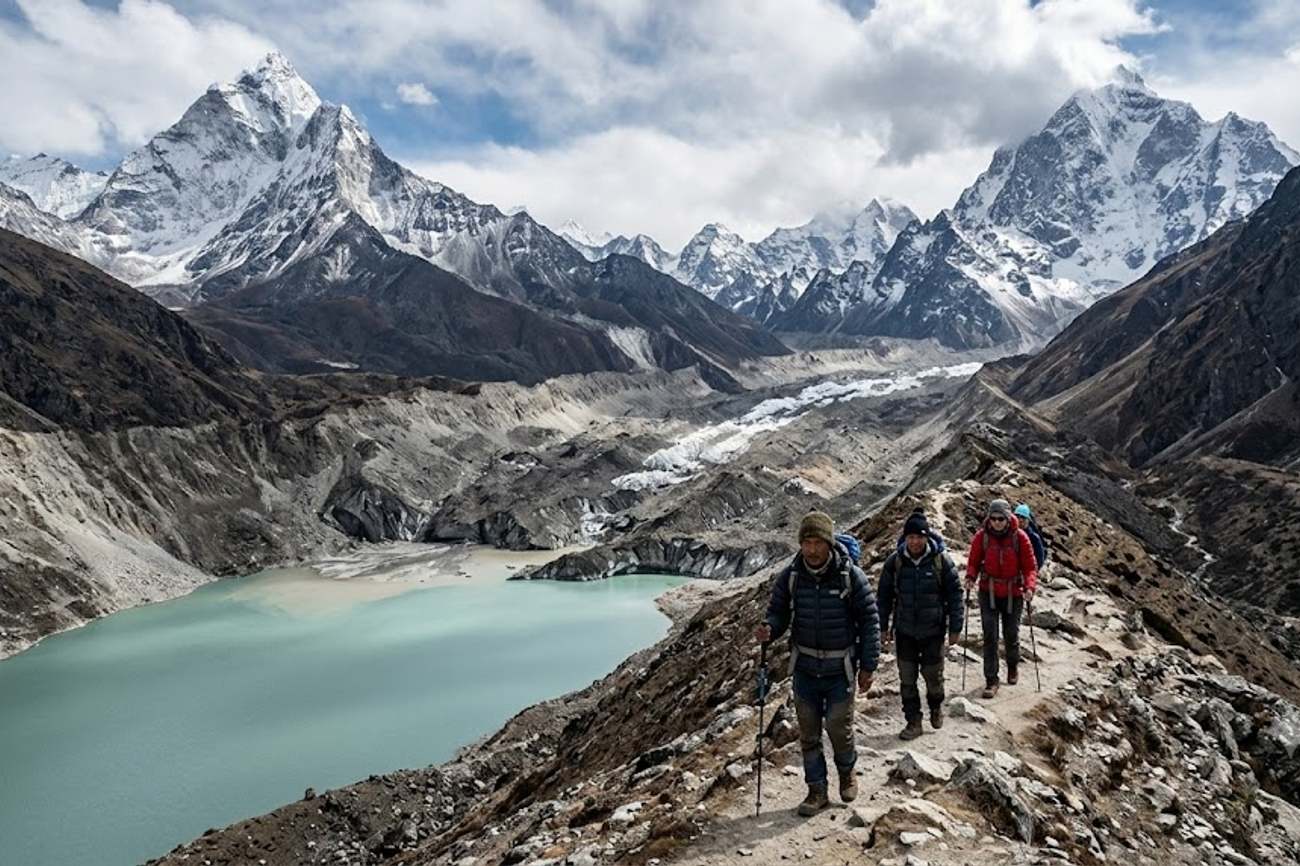
Image generated by AI
[Kathmandu, May 2024] — Nepal’s Himalayan tourism sector is facing an existential threat as accelerating glacial retreat and volatile weather patterns destabilize the region's most iconic trekking routes and mountaineering peaks.
The crisis is driven by rising global temperatures that are rapidly melting the Hindu Kush Himalaya ice masses, transforming the geological stability of the mountains. This environmental shift is creating a high-risk landscape for international trekkers, professional climbers, and the local communities that depend on the tourism economy for survival.
The Climate Trigger
The immediate catalyst for this instability is the rapid loss of ice across the Himalayan range. As temperatures climb, glaciers are shrinking at an unprecedented rate, which does more than alter the scenery—it fundamentally changes the mountain's structural integrity. The melting ice leaves behind unstable slopes of loose rock and debris, making the terrain prone to sudden collapses.
Furthermore, the phenomenon of glacial lake outburst floods (GLOFs) has become a primary threat. As glaciers recede, they leave behind meltwater trapped by fragile natural dams of ice and rock. When these barriers fail, massive volumes of water surge down valleys with enough force to wipe out entire settlements and critical tourism infrastructure. This volatility is compounded by irregular rainfall patterns and intense storms that trigger landslides in remote areas where rescue operations are notoriously difficult.
Affected Travelers, Airlines and Logistics
The impact of these environmental shifts is widespread, affecting various tiers of the travel and logistics chain:
- High-Altitude Mountaineers: Climbers targeting peaks like Everest and Annapurna face increased risks from unstable ice falls and unpredictable weather windows.
- Trekking Tourists: Those utilizing traditional routes in the Khumbu or Annapurna regions are now subject to sudden trail closures due to landslides or flood damage.
- Local Guide and Porter Services: Thousands of families who rely on the Nepal Tourism Board sanctioned activities face economic instability as seasonal patterns become unreliable.
- Infrastructure Operators: Owners of mountain lodges and transport providers are seeing their assets threatened by the shifting geography of valley floors.
- Regional Ecosystems: Biodiversity in the alpine and temperate zones is shifting, potentially removing the unique flora and fauna that draw nature photographers and scholars.
Practical Traveler Advisory and Strategic Insights
For the modern traveler, these changes translate into a shift from "predictable adventure" to "high-uncertainty travel." If you are booking a trip to Nepal, you must account for the following:
Increased Itinerary Flexibility Fixed schedules are becoming a liability. Travelers should expect sudden route diversions or total closures of specific trekking corridors. It is no longer sufficient to have a "Plan B"; travelers need dynamic itineraries that can be adjusted in real-time based on weather alerts.
Enhanced Insurance Requirements Standard travel insurance may no longer be adequate. Travelers should verify that their policies specifically cover "natural disasters" and "emergency high-altitude evacuation" via helicopter, as the likelihood of landslide-induced entrapment has risen.
Shift in Peak Seasons The traditional "windows" for climbing and trekking are shifting. Warmer temperatures may open some routes earlier but increase the risk of sudden, violent storms that were previously rare during peak months.
Travelers planning treks in the Himalayas should monitor real-time weather updates and safety advisories issued by the Nepal Tourism Board to avoid regions prone to glacial lake outburst floods. It is highly recommended to hire certified local guides who are trained in current climate-risk mitigation and emergency evacuation protocols.
Infrastructure Reliability Roads and bridges in mountain valleys are increasingly vulnerable. Travelers should be prepared for delays in transportation from Kathmandu to regional hubs like Lukla, as landslides frequently sever the only available access points.
The Path Toward Climate Resilience
To save the industry, Nepal is moving toward a model of climate-resilient tourism. This involves a transition from passive observation to active monitoring of the mountain environment.
The integration of early warning systems is now a priority. By monitoring the levels of glacial lakes and using satellite data, authorities aim to provide advance notice of potential floods. There is also a push for "green infrastructure"—building roads and lodges using geological assessments that account for future climate shifts rather than relying on historical data.
Sustainable tourism is also being redefined. The Department of National Parks and Wildlife Conservation and other regulatory bodies are emphasizing the need to limit visitor density in fragile alpine zones to prevent further degradation of the soil and vegetation, which act as natural anchors against landslides.
The future of Himalayan travel depends on whether the industry can pivot from a volume-based growth model to a value-based, sustainable model that prioritizes the health of the ecosystem over the number of permits issued.
FAQ: Himalayan Travel 2024
Is it still safe to trek in Nepal despite glacial melting? Yes, but it requires higher vigilance. Travelers should use certified guides who are trained in current terrain risks and follow real-time advisories from local authorities regarding weather and trail stability.
How do glacial lake outburst floods (GLOFs) affect my trip? GLOFs can cause sudden destruction of bridges and trails in valley bottoms. If you are in a high-risk zone, your guide will monitor water levels and may reroute your group to higher ground.
Which regions of Nepal are most affected by climate change? The high-altitude regions, particularly the Everest (Khumbu) and Annapurna regions, are most vulnerable due to their reliance on glacial stability and high concentrations of tourism infrastructure.
What should I check in my travel insurance for Nepal? Ensure your policy covers search and rescue, emergency helicopter evacuation, and trip cancellation due to natural disasters like landslides or floods, as these are becoming more frequent.
The roof of the world is shifting; the adventure remains, but the rules of the mountain have changed.
Related Travel Guides
- Australia Follows United Kingdom And Other Nations In New Visa Crackdown With Caps Compliance Rules And Resident Controls
- Florida Dengue Outbreak Claims Death as 152 Local Cases Raise Fresh Travel Health Concerns
- Wisconsin Moves With Michigan as US Flooding Forecast Raises Flash-Flood Risks Across Key Travel Regions
Disclaimer
This article is for informational and educational purposes only. It does not constitute legal, financial, or professional advice. While we strive to provide accurate and up-to-date information, travel policies, regulations, and conditions change rapidly. Always verify information with official sources before making travel decisions. Nomad Lawyer makes no representations about the accuracy, reliability, completeness, or suitability of the information provided. Readers should consult qualified professionals for advice specific to their circumstances. The views expressed in this article are those of the author and do not necessarily reflect the views of Nomad Lawyer.
Raushan Kumar
Founder & Lead Developer
Full-stack developer with 11+ years of experience and a passionate traveller. Raushan built Nomad Lawyer from the ground up with a vision to create the best travel and law experience on the web.
Learn more about our team →