
Australia Follows United Kingdom And Other Nations In New Visa Crackdown With Caps Compliance Rules And Resident Controls
Australia Follows United Kingdom And Other Nations In New Visa Crackdown With Caps Compliance Rules And Resident Controls

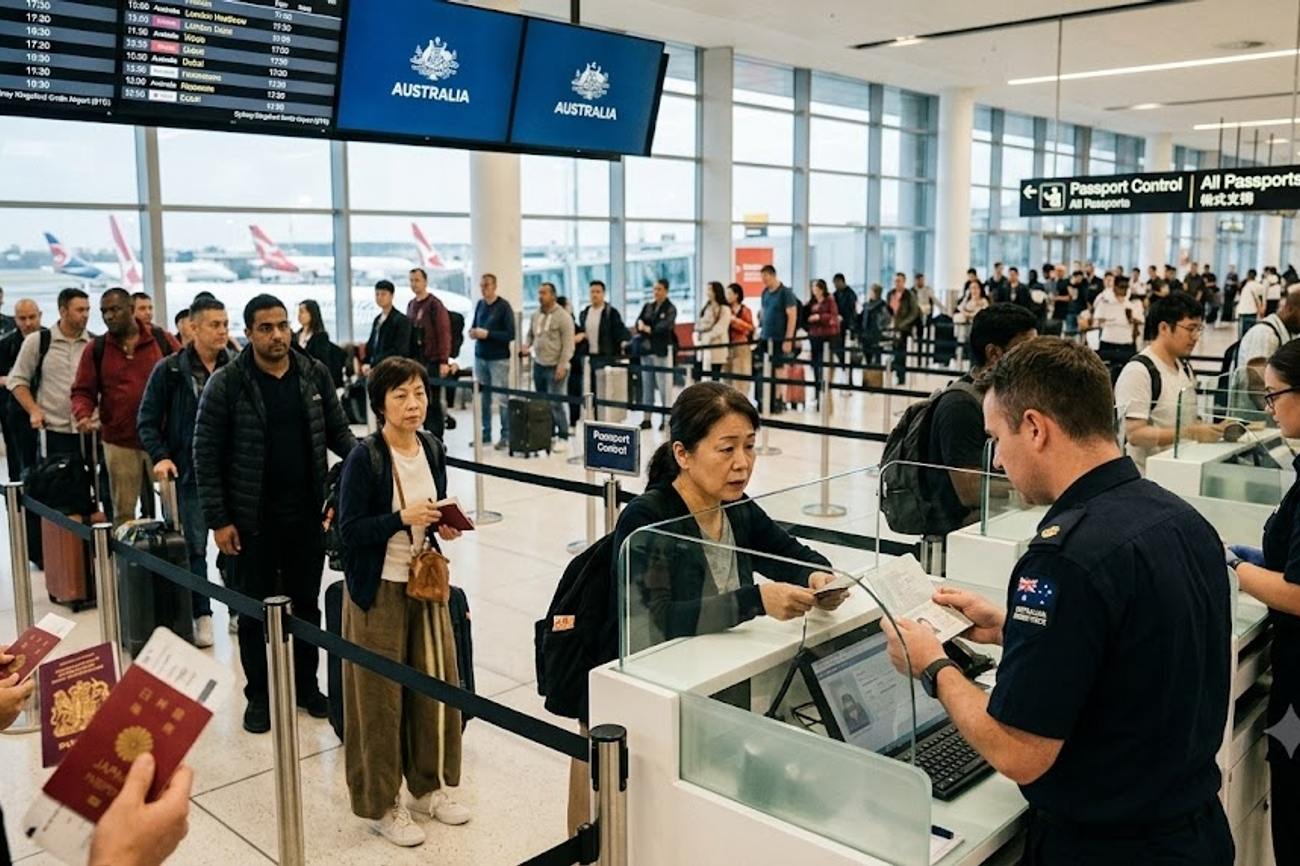
Image generated by AI
Are you planning a long-term stay, study program, or working holiday in Australia or other major hubs starting in 2026? You need to prepare for a systemic shift toward "high-compliance" transit, where digital monitoring and stricter eligibility rules replace the more flexible entry policies of the last decade.
The 2026 Global Visa Compliance Shift
Starting in 2026, Australia is spearheading a global movement toward aggressive visa management. This is not merely a change in paperwork; it is a strategic effort to curb "visa hopping"—the practice of switching visa categories while remaining onshore—and to strictly limit temporary migration. Australia's primary objective is to bring net overseas migration down to approximately 225,000 by the 2027–28 period.
This trend is mirrored across the "Five Eyes" nations and the European Union. The common thread is a transition from "open-door" temporary residency to a "targeted-entry" model. For the traveler, this means that the window for flexible residency is closing. Governments are now prioritizing skilled migration in critical sectors (such as healthcare and engineering) while placing significant barriers on dependants and general temporary residents to relieve pressure on national housing and healthcare infrastructures.
Route and Schedule Details: 2026 Visa Frameworks
The following table outlines the specific regulatory shifts across key global transit hubs. These changes affect your ability to enter, extend, and transition between visa types.
| Region/Country | Primary Visa Focus | Key Change/Mechanism | Target Outcome | Status |
|---|---|---|---|---|
| Australia | Student & Visitor | No Further Stay (NFS) conditions | Reduce onshore switching | Implementing 2026 |
| Australia | Working Holiday | Ballot-style extension system | Manage worker volume | Implementing 2026 |
| United Kingdom | Student | Restricted dependant access | Lower housing pressure | Active/Tightening |
| Canada | International Student | Permit controls & financial checks | Infrastructure relief | Active/Tightening |
| USA | All Temporary | Expanded security/identity screening | Prevent overstays | Ongoing |
| New Zealand | Student/Work | Financial capacity audits | Infrastructure balance | Active |
| Germany | Skilled Migration | Border monitoring vs. Labor gaps | Target healthcare/tech | Active |
| France | Residency | Compliance enforcement | Curb irregular migration | Active |
Traveler Logistics Guide
Navigating these restrictions requires a shift in how you plan your itinerary. You can no longer assume that a visitor visa can be converted into a work or study permit once you land.
1. Managing the "No Further Stay" (NFS) Condition If you are traveling to Australia, check your visa grant letter for the "No Further Stay" condition. If this is applied, you cannot apply for another visa while inside the country.
- Action: If you intend to transition to a student or work visa, you must apply for and secure that visa before departing your home country. Do not rely on onshore processing.
2. Student Visa Logistics and Dependants The UK and Australia have significantly restricted the ability of students on taught courses to bring partners or children.
- Action: Verify the specific course eligibility via the Australian Department of Home Affairs or the UK Home Office. If your course does not permit dependants, you will need to arrange separate visitor visas for family members, which will not allow them to work or study.
3. Working Holiday Ballot Systems Australia is moving toward a ballot-style system for Working Holiday visa extensions. This means your stay is no longer guaranteed based on hours worked in regional areas.
- Action: Treat your Working Holiday visa as a fixed-term stay. Do not commit to long-term leases or contracts beyond your initial visa expiry unless you have already received a successful ballot confirmation.
4. Financial Proof and Documentation Canada and New Zealand have increased the financial thresholds required to prove you can support yourself.
- Action: Prepare authenticated bank statements and proof of funds that exceed the minimum requirements by 15-20% to avoid delays. Use digital verification tools where available to speed up the process.
5. Border and Residency Compliance in Europe With Germany and France increasing border monitoring, ensure your passport is valid for at least six months beyond your intended stay.
The Australian government is implementing stricter visa caps and enhanced compliance measures to manage net overseas migration and ensure resident controls. Travelers and prospective migrants should consult the Department of Home Affairs for the latest updates on visa eligibility and application requirements.
- Action: If you are utilizing the Schengen area, keep a digital folder of your return flight and hotel bookings. Border officers are increasingly requesting proof of "intent to depart" to prevent irregular migration.
Regional Connectivity Impact
These policy changes are reshaping the flow of global talent and tourism. In Australia, the crackdown on Working Holiday visas is creating a tension between migration goals and economic needs. Agriculture groups have specifically warned that these tighter rules could lead to seasonal labor shortages during harvest periods.
In the UK and Canada, the focus on reducing dependant access and tightening student permits is designed to alleviate the housing crisis. For the traveler, this means that short-term rentals in student-heavy cities may become more expensive or harder to find as the government attempts to reclaim housing for permanent residents.
In Asia, Japan and China are following a similar trajectory by expanding the monitoring of foreign workers to prevent illegal employment. This means that "digital nomadism" without a proper visa is becoming a high-risk activity. The shift toward identity verification and security screening in the US and Europe suggests that the "frictionless" travel experience is being replaced by a "verified" travel experience.
FAQ: Global Visa Management 2026
Do I need a transit visa if I am just passing through? Transit requirements vary by country. However, with increased screening in the US and Australia, ensure your transit visa is valid. Always check the official embassy website of your transit hub 30 days before departure.
Can I still check my bags through to my final destination? Yes, baggage transfer policies remain based on airline agreements, not visa laws. However, if you are required to clear customs to change terminals (common in the US), you must have the appropriate entry permit.
How long should my layover be given the new screening measures? Given the expanded identity verification and security screenings in major hubs, I recommend a minimum layover of 3-4 hours for international-to-international connections to account for potential processing delays.
Can I switch from a visitor visa to a student visa while onshore? In Australia, this is becoming significantly harder due to the "No Further Stay" condition. In the UK and Canada, scrutiny has increased. It is highly recommended to secure your student visa before entering the country.
Plan for compliance, not for convenience, or risk a denied entry at the border.
Related Travel Guides
- Florida Dengue Outbreak Claims Death as 152 Local Cases Raise Fresh Travel Health Concerns
- Wisconsin Moves With Michigan as US Flooding Forecast Raises Flash-Flood Risks Across Key Travel Regions
- Australia Issues Fresh Travel Warning For Saudi Arabia As Middle East Tensions Raise New Safety Risks For Travellers
Disclaimer
This article is for informational and educational purposes only. It does not constitute legal, financial, or professional advice. While we strive to provide accurate and up-to-date information, travel policies, regulations, and conditions change rapidly. Always verify information with official sources before making travel decisions. Nomad Lawyer makes no representations about the accuracy, reliability, completeness, or suitability of the information provided. Readers should consult qualified professionals for advice specific to their circumstances. The views expressed in this article are those of the author and do not necessarily reflect the views of Nomad Lawyer.
Naina Thakur
Contributor & Travel Specialist
Travel enthusiast and legal writer covering visa regulations, responsible tourism, and cultural journeys across global destinations.
Learn more about our team →