Australia Issues Fresh Travel Warning For Saudi Arabia As Middle East Tensions Raise New Safety Risks For Travellers

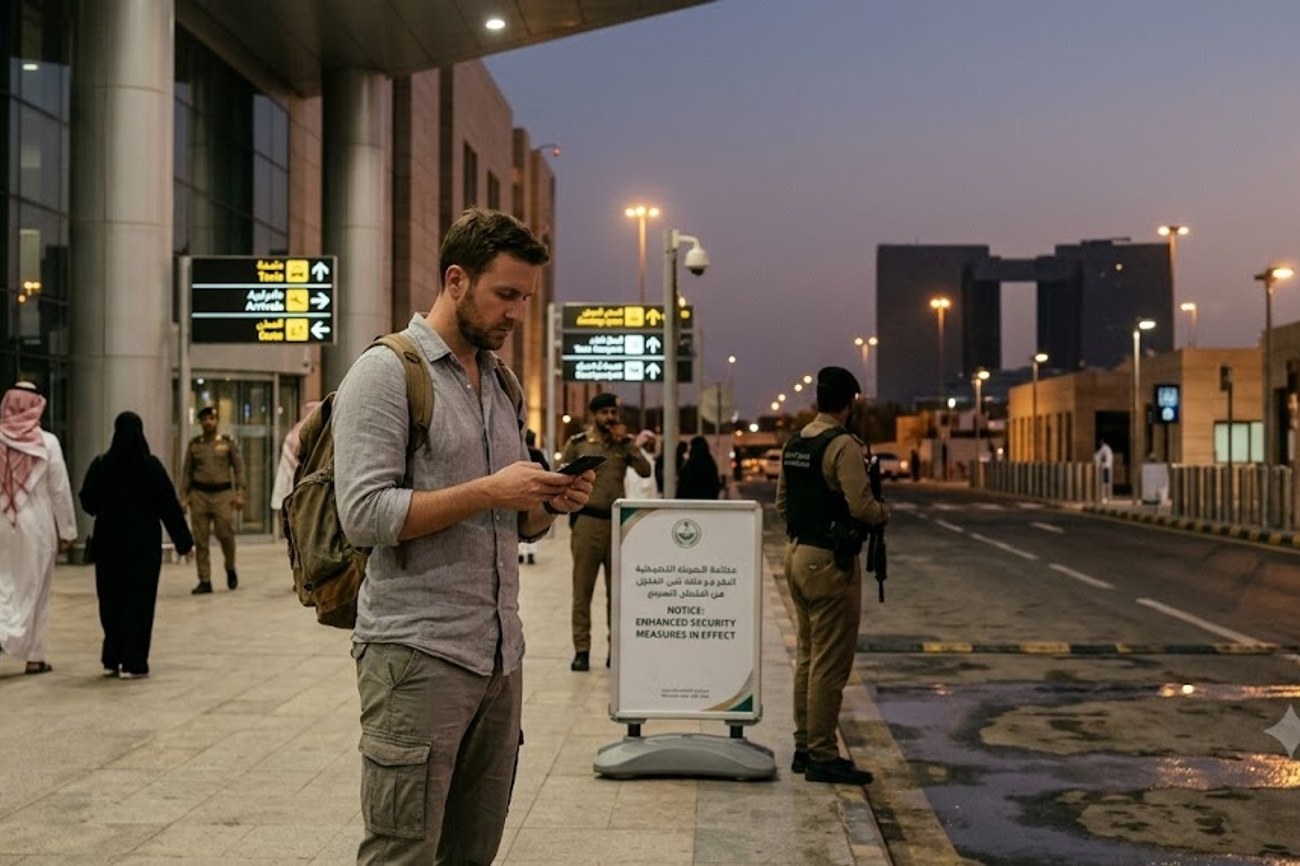
Image generated by AI
Australia's updated travel advisory for Saudi Arabia marks a pivot from the aggressive tourism growth targets seen in the 2030 Vision, shifting the narrative from "open for business" to "reconsider necessity." While the Kingdom has spent billions to diversify its economy away from oil, the current security climate—characterized by missile and drone activity—has forced Western governments to re-evaluate the risk-to-reward ratio for their citizens.
The Security Risk in Numbers: Southern Provinces and Border Zones
The Australian government's latest advisory is not a blanket ban but a strategic segmentation of risk. The most severe warnings are concentrated in the southern regions, specifically targeting Asir, Jazan, and Najran provinces. The data point of highest concern is the 30-kilometre buffer zone along the Yemen border, which is now designated as a "do not travel" area. This specific geographic restriction highlights the localized nature of the conflict, yet the ripple effects extend to the Kingdom's primary urban hubs.
The advisory explicitly identifies a pattern of attacks targeting five primary categories of infrastructure: energy facilities, civilian infrastructure, airports, residential areas, and other national infrastructure. The reach of these threats is not limited to the border; the Australian government cites previous strikes that have reached Riyadh and Jeddah, as well as various points along the Red Sea coast. This indicates that while the southern provinces are the epicenter, the security perimeter for international travelers now encompasses the entire national airspace.
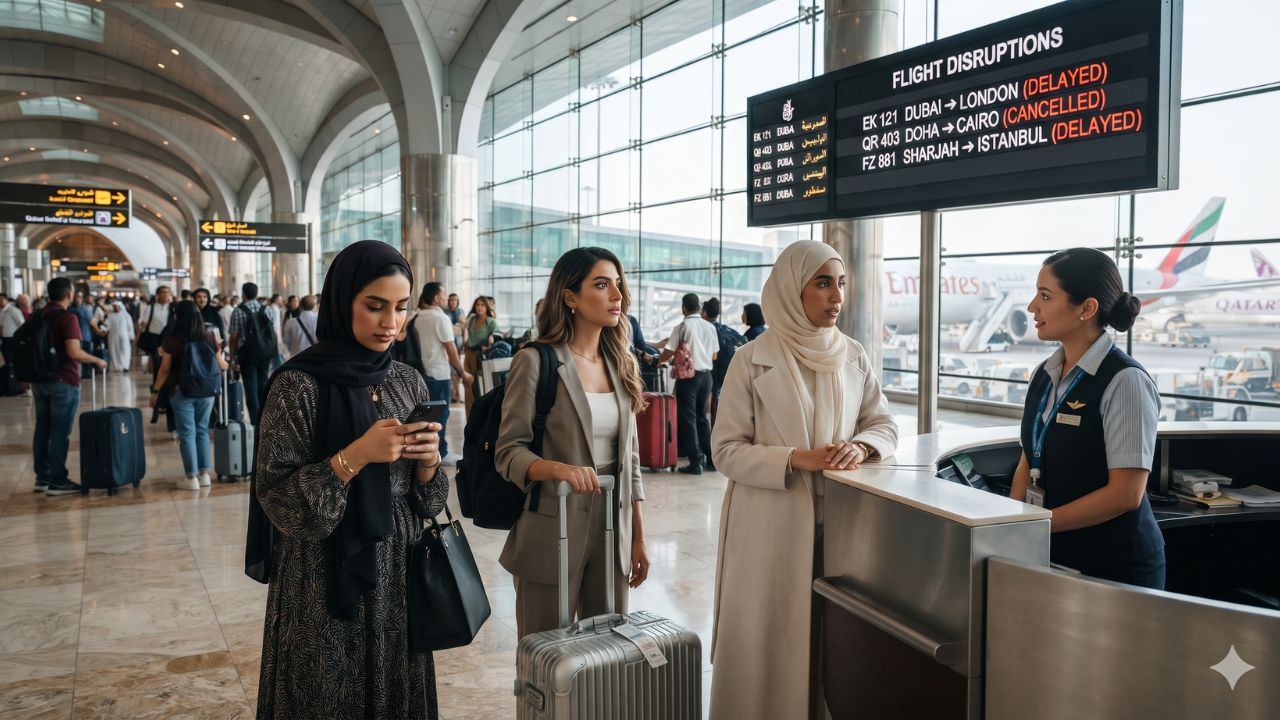
For those utilizing Saudi airports as transit hubs, the risk profile has shifted. The advisory warns that airspace disruptions, flight cancellations, and diversions are no longer theoretical possibilities but active risks. When viewed through the lens of IATA operational data, any instability in Middle Eastern airspace creates a cascading effect on global flight paths, increasing fuel burn and travel time for long-haul carriers.
Comparative Context: Regional Stability vs. Tourism Ambitions
The tension between Saudi Arabia's "Vision 2030" goals and the current security reality is stark. The Kingdom has sought to position itself as a global tourism powerhouse, but government advisories from Five Eyes nations often act as a counter-weight to these marketing efforts. Historically, travel warnings in the region fluctuate based on the intensity of the Houthi-led conflict in Yemen.
The following table illustrates the shift in risk categorization for Australian travelers across different Saudi zones:
| Region/Zone | Previous Status | Current Advisory Status | Primary Risk Driver |
|---|---|---|---|
| Riyadh & Jeddah | Exercise High Caution | Reconsider Necessity | Infrastructure/Drone Strikes |
| Asir Province | Exercise High Caution | Do Not Travel | Military Conflict/Border Proximity |
| Jazan Province | Exercise High Caution | Do Not Travel | Missile Activity/Houthi Attacks |
| Najran Province | Exercise High Caution | Do Not Travel | Border Instability |
| Yemen Border (30km) | High Risk | Do Not Travel | Active Combat/Retaliation |
| Transit Hubs | Routine Monitoring | Review Necessity | Airspace Disruptions/Closures |
When comparing this to regional benchmarks, the "Reconsider Necessity" status is a significant escalation. It suggests that the Australian government believes the potential for harm outweighs the typical benefits of tourism or business travel. According to data trends often tracked by Statista, such advisories typically lead to a measurable dip in luxury hotel occupancy and a spike in flight cancellations within the 14-day window following the announcement.
Practical Traveler Advisory and Strategic Insights
For the individual traveler or the corporate nomad, this data translates into immediate operational changes. The most critical impact is on insurance. Most comprehensive travel insurance policies contain clauses that void coverage if a traveler enters a region against the official advice of their home government. If you travel to Asir, Jazan, or Najran provinces, you are likely operating without a safety net.
If you are planning a trip to Saudi Arabia in the coming months, the following actions are essential:
- Audit your itinerary for "Border Zone" proximity. Ensure no excursions or business meetings are scheduled within 30 kilometres of the Yemen border.
- Verify your insurance policy's "Government Advice" clause. Contact your provider to confirm if "Reconsider Necessity" triggers a coverage suspension.
- Implement a 48-hour flight verification window. Given the warning regarding airport closures and diversions, checking flight status 24 hours before departure is no longer sufficient; a 48-hour window allows for the rescheduling of connecting flights in the event of airspace closures.
Travelers are advised to monitor the latest safety advisories and exercise a high degree of caution when visiting the region. For comprehensive guidance on current security levels and entry requirements, consult the official Smartraveller portal managed by the Australian Government. 4. Strict adherence to photography laws. The advisory warns that filming military operations, drone launches, or critical infrastructure can lead to criminal prosecution. In a high-tension environment, "tourist photography" is often misinterpreted as intelligence gathering.
Forward Projection: Airspace Volatility and Market Shifts
The trajectory of this trend suggests a period of prolonged volatility for Middle Eastern transit. As long as the Houthi-led attacks on energy and civilian infrastructure continue, we can expect "tactical" travel warnings—where specific provinces are toggled between "caution" and "do not travel" based on weekly intelligence.
We are likely to see a shift in transit patterns. If Saudi airports continue to be flagged for potential disruptions, a higher volume of transit traffic may shift toward hubs in Qatar or the UAE, provided those regions remain stable. However, the interconnected nature of regional airspace means that a closure in Saudi Arabia often forces diversions across the entire Gulf.
Furthermore, the focus on "critical infrastructure" as a target means that travelers staying in high-rise hotels in Riyadh or Jeddah should be aware of the government's advice to seek inner rooms without windows during security incidents. This shift from "general safety" to "specific survival tactics" indicates that the Australian government views the risk of falling debris from intercepted missiles as a tangible threat to urban visitors.
FAQ: Saudi Arabia Travel Security 2024
Will flight prices to Saudi Arabia increase due to these warnings? Potentially. If airlines are forced to reroute flights to avoid contested airspace or if capacity drops due to cancellations, ticket prices typically rise. However, a sharp drop in demand caused by travel advisories can sometimes lead to short-term price dips.
Is it safe to transit through Jeddah or Riyadh airports? The Australian government advises reviewing the necessity of such journeys. While airports remain operational, the risk is not the airport itself but the potential for sudden closures, diversions, or airspace restrictions that could strand passengers.
Which regions are strictly off-limits? Travelers are explicitly told not to visit Asir, Jazan, and Najran provinces, as well as any area within 30 kilometres of the border with Yemen.
Can I still get travel insurance for a trip to Saudi Arabia? Yes, but you must read the fine print. Many insurers will not pay out for incidents occurring in "Do Not Travel" zones or may deny claims if you ignored a "Reconsider Necessity" warning.
As geopolitical volatility redefines the map, the modern traveler must trade spontaneity for strict data-driven planning.
Tags: Saudi-Arabia-Security-2024, Australian-Travel-Advisory-KSA, Houthi-Infrastructure-Risk, Yemen-Border-Zone-Restrictions, Middle-East-Airspace-Volatility
Related Travel Guides
- Uganda Travel Under Attention As Australia Issues New Advisory Amid Border Threats And Security Risks
- Fiji Declares National HIV Emergency After Record Cases Surge, Prompting Fresh Travel Health Focus
- New York City West Nile Virus Cases Climb Sharply as Record Mosquito Activity Shadows Autumn Tourism
This article is for informational purposes. Flight routes, passenger regulations, visa rules, and transit advisories are subject to change by airlines and aviation authorities. Readers are advised to verify schedules and travel documentation with relevant carriers and border agencies before departure.
Related Stories
Asia Flight Disruptions: Over 2,270 Delays and 280 Cancellations Hit Bangkok, Beijing, and Mumbai

France Rail Strike Grips Paris Terminals and Shuts Regional Train Networks Ahead of Peak Autumn Travel