
Arctic Security Frameworks And Rising Infrastructure Investments Are Redefining Modern High-Latitude Expedition Travel In Greenland
Arctic Security Frameworks And Rising Infrastructure Investments Are Redefining Modern High-Latitude Expedition Travel In Greenland

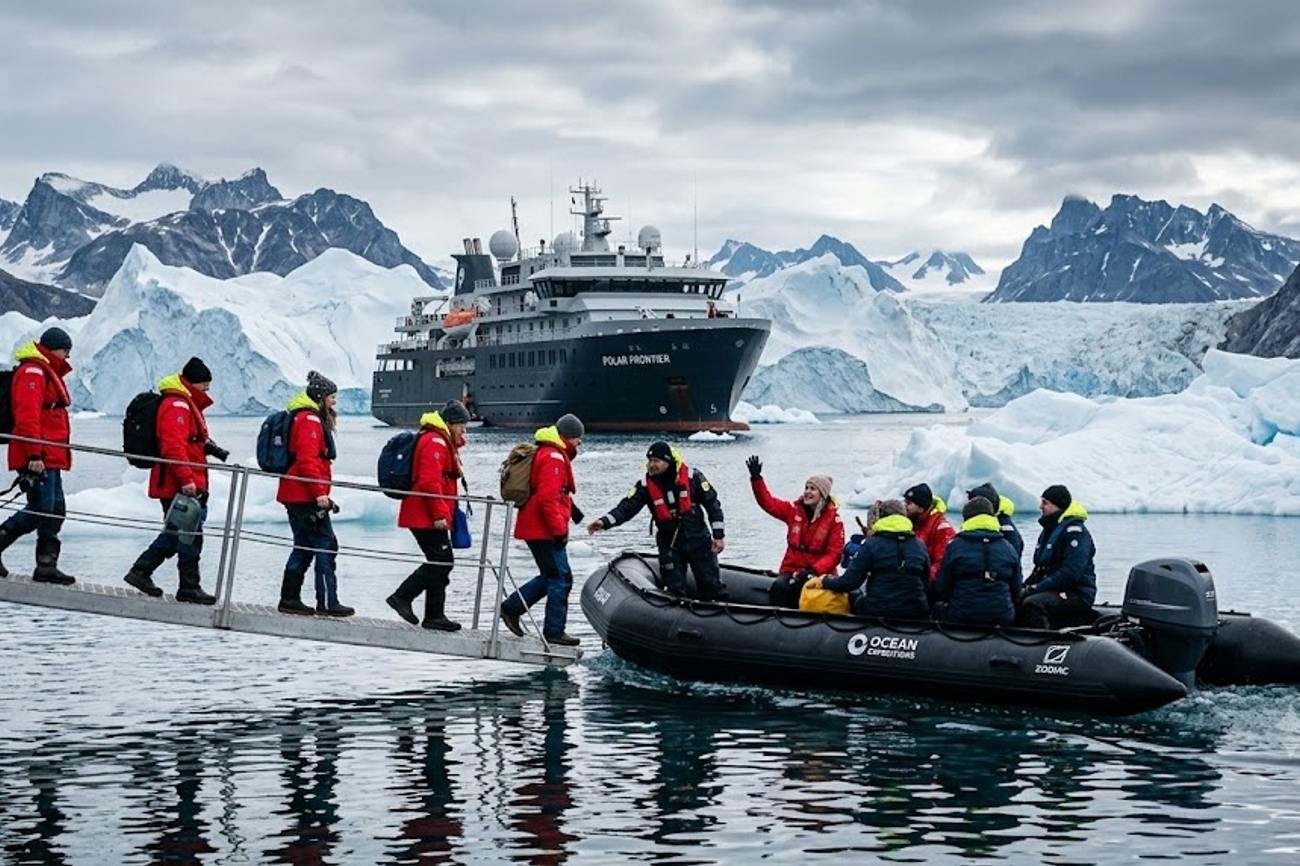
Image generated by AI
The Far North is no longer a silent void of ice and wind; it has become a high-stakes geopolitical chessboard where the race for green energy minerals often overrides the sovereignty of Indigenous populations. While the world views the Arctic through the lens of "saving the planet" via cobalt and lithium extraction, the people living there are navigating a new era of "green colonialism," where global sustainability goals frequently clash with local land rights and ancestral heritage.
The High-Latitude Shift: From Exploration to Friction
The era of the romantic polar explorer in a heavy parka is over. Today, travel to the Arctic is less about discovering "blank spots" on a map and more about navigating a complex web of wounded ecosystems and shifting borders. The region is currently undergoing a profound transformation as it transitions from a remote wilderness into a strategic industrial zone. For the modern traveler, this means the "peaceful wildness" once associated with the North is now intertwined with the noise of resource extraction and military fortification.
This shift is most evident in how the world perceives the region. Mainstream narratives often frame the Arctic as a treasure chest of minerals essential for the global transition to green energy. However, this framing typically ignores the political agency of Indigenous Peoples, treating them as mere stakeholders rather than sovereign entities. As you move through these territories, you will notice a palpable tension between the rapid influx of industrial interest and the desperate need for cultural preservation. The interaction between international guests and local hosts is changing; the hospitality is still there, but it is now set against a backdrop of struggle for self-determination and the fight for Free, Prior, and Informed Consent regarding land use.
The Science of a Warming North
The physical reality of the destination is changing faster than the maps can be updated. Recent scientific data provides a sobering look at the pace of this transformation. In July 2026, a massive 21-month national expedition concluded after traveling over 6,500 km aboard an ice-resistant platform. Supported by the nuclear icebreaker Arktika, the mission reached 89°33′ N, confirming a terrifying statistic: polar warming is occurring 2 to 3 times faster than the global average.
For those planning expedition cruises or trekking trips, this isn't just a scientific data point—it is a logistical reality. The instability of sea ice and the shifting patterns of polar wildlife mean that itineraries are becoming less predictable. While some areas are becoming more accessible, the risks associated with navigational safety are increasing.
Furthermore, the way we understand this environment is becoming fragmented. In the past, initiatives like the 2019–2020 expedition aboard the Polarstern championed open international collaboration. More recent efforts, such as the 2026 French Tara Polar Station project, have focused heavily on marine biodiversity. However, as geopolitical tensions rise, scientific data is increasingly being locked into national silos. This fragmentation creates a hurdle for the upcoming Fifth International Polar Year (2032–2033) and makes it harder for private tour operators to access the shared environmental forecasting data necessary for safe and sustainable travel. You can track these global conservation efforts and heritage protections via the UNESCO World Heritage Centre.
The Human Element: Greenland’s Labor Paradox
If you visit Greenland today, you will encounter a demographic paradox that defines the current visitor experience. With a total population of just over 56,000, the region is grappling with significant youth outmigration. This brain drain has left a void in the hospitality and service sectors, meaning the people greeting you at your hotel or guiding your transport are often not local Greenlanders.
To keep the tourism engine running, the region has leaned heavily on foreign labor networks, particularly from Southeast Asia. This has created a uniquely multicultural service environment in one of the most remote places on Earth. While these workers are essential for maintaining operational capacity, they are operating within a system plagued by severe housing shortages and structural population decline. As a traveler, you may notice that while the service is professional, the infrastructure is stretched thin. Accommodation availability is often limited, and costs remain high because the systemic issues of housing and labor have not been resolved. For official travel requirements and entry points, always consult Visit Greenland.
Security, Surveillance, and Access
The Arctic is no longer treated as an isolated operational theater; it is now an integrated part of Northern Hemisphere defense systems. This means that the "wild" feeling of the North is increasingly monitored by early-warning networks, uncrewed platforms, and space-based assets. For the international traveler, this translates to tighter regulations and heightened security monitoring in polar airspace and maritime routes.
There is also a growing conflict between commercial tourism and military logistics. As nations reinforce their northern supply chains, dual-use infrastructure—such as ports and airfields—is being prioritized for defense readiness. This means that strategic ports that were once open to expedition ships may now be restricted, and transit schedules may change without notice to accommodate military movements. The "freedom" of polar exploration is being replaced by a structured, monitored, and often restricted transit system.
The Industrialization of the Russian Arctic
In the Russian Far East and northern territories, the approach to tourism is fundamentally different. Tourism has been integrated into state-supported economic growth, now accounting for roughly 10% of these initiatives. The scale of development is massive: over 400 development agreements are currently in place to build modern hotels, ski resorts, and recreational facilities.
The goal is to diversify regional economies so they are no longer solely dependent on resource extraction. By 2030, officials plan to complete nearly 200 urban master plans to increase accessibility. For the future traveler, this means the Russian Arctic will likely feel less like a frontier and more like a developed tourist destination, though this rapid expansion often comes at the cost of the very raw, untouched nature that attracts visitors in the first place.
Visitor Insider Tips
Timing the Visit: To avoid the peak expedition cruise crowds, aim for the "shoulder" windows in late spring or early autumn. However, be aware that sea-ice stability is volatile; always book through operators who provide real-time ice-tracking updates.
Etiquette and Interaction: When visiting Indigenous communities, remember that you are entering a space of political tension. Avoid treating local villages as "museums." Engage with the current social realities of the community—such as the struggle for land rights—rather than focusing solely on traditional folklore.
Regional Specialties: In Greenland, move beyond the tourist menus. Seek out local fermented fish and seal products, but do so through community-led tours to ensure your money stays within the local economy rather than going to foreign-owned operators.
Transport Hacks: Relying on scheduled flights in the North is a gamble. Always build in two "buffer days" for your return journey to account for weather delays or military priority shifts at regional airfields.
Where to Base Yourself: Instead of staying in the primary hubs, look for smaller settlements that offer homestays. This provides a more authentic lens into the labor shifts and demographic changes currently reshaping the region.
Cultural and Environmental Context
Tourism in the Polar Regions is currently a double-edged sword. On one hand, it brings essential revenue to communities struggling with population decline. On the other, it risks accelerating the "green colonialism" mentioned earlier. When high-end expedition cruises arrive, they often bring a globalized standard of luxury that clashes with the modest, sustainable rhythms of local life.
The environmental impact is equally complex. While tourism can raise awareness about the fact that the Arctic is warming 2 to 3 times faster than the rest of the world, the carbon footprint of getting to these remote areas is immense. There is a growing demand for "responsible itineraries" that prioritize local sovereignty over corporate profit. The future of polar travel depends on whether operators can shift from a model of "extraction" (taking photos and experiences) to a model of "reciprocity" (supporting local governance and environmental restoration).
FAQ: Visiting the Arctic 2025-2026
What is the best time to visit? Depending on your goal, June to August offers the best accessibility and wildlife viewing. For the Aurora Borealis, September to March is ideal, though transport becomes significantly more restricted and weather-dependent.
Do I need a visa for Greenland? Greenland is an autonomous territory of Denmark. While EU citizens have easy access, others may need a visa depending on their nationality. Always check the latest Danish immigration guidelines before booking.
How do I get there from major hubs? Most travelers fly into Kangerlussuaq or Nuuk via Copenhagen. From there, internal travel is primarily by helicopter or small aircraft, as there are no roads connecting the towns.
Is it safe for solo travelers? Yes, but "safe" in the Arctic means something different. While crime is very low, the environment is hazardous. Solo travelers should always stay with reputable guides and carry satellite communication devices.
The North is no longer a place to escape the world, but a place to witness exactly how the world is changing.
#GreenlandTravel2026 #ArcticExpeditions #PolarScienceTourism #IndigenousRightsArctic #FarNorthTravel
Related Travel Guides
- Saudi Arabia’s Jeddah Strengthens Global Travel And Trade Links With New Asia–Europe Shipping Service
- Turkey Travel Shines as Antalya Becomes Europe’s Hottest September Escape With White Sandy Beaches
- Russia Travel Reveals 12 Longest Train Journeys Worldwide With The Ultimate 8 Day Rail Adventure Leading The List
Disclaimer
This article is for informational and educational purposes only. It does not constitute legal, financial, or professional advice. While we strive to provide accurate and up-to-date information, travel policies, regulations, and conditions change rapidly. Always verify information with official sources before making travel decisions. Nomad Lawyer makes no representations about the accuracy, reliability, completeness, or suitability of the information provided. Readers should consult qualified professionals for advice specific to their circumstances. The views expressed in this article are those of the author and do not necessarily reflect the views of Nomad Lawyer.
Raushan Kumar
Founder & Lead Developer
Full-stack developer with 11+ years of experience and a passionate traveller. Raushan built Nomad Lawyer from the ground up with a vision to create the best travel and law experience on the web.
Learn more about our team →