
Zimbabwe Is Now Looking to Munhumutapa Day as a Unique New Opportunity to Unlock Better Heritage Tourism
Zimbabwe Is Now Looking to Munhumutapa Day as a Unique New Opportunity to Unlock Better Heritage Tourism

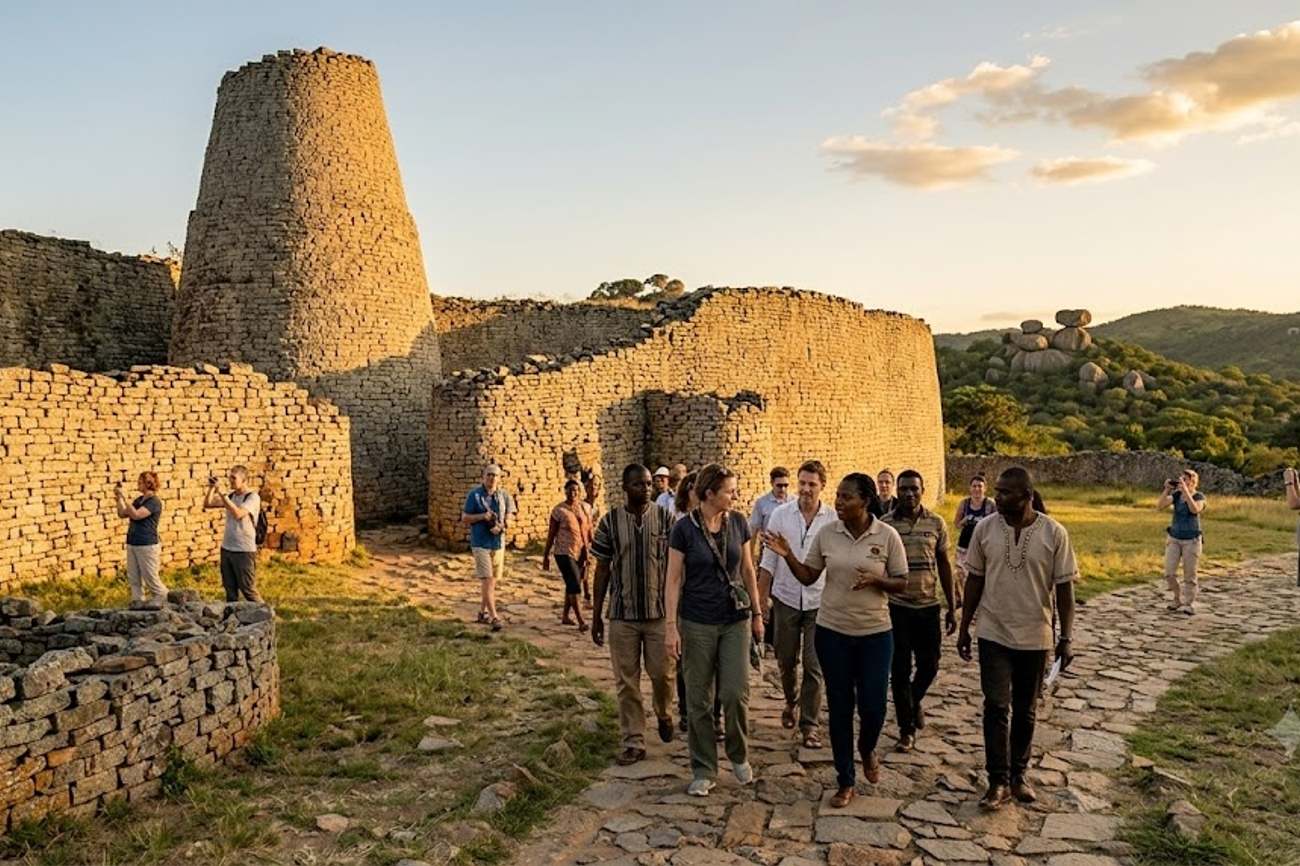
Image generated by AI
[Harare, September 2026] — Zimbabwe has formally established Munhumutapa Day as an annual public holiday observed every 15 September, marking a strategic shift toward the promotion of heritage-based tourism. The designation, enacted through Statutory Instrument 148 of 2026, creates a recurring national commemoration of the pre-colonial Mutapa state, providing a fixed date for potential cultural education and domestic travel initiatives.
While the holiday is now law, the move currently represents a policy shift rather than a fully realized tourism product. Government officials have discussed the possibility of launching international cultural festivals, diaspora homecoming programs, and tourism-investment forums, but none of these initiatives have been officially launched or opened for booking. The Zimbabwe Tourism Authority continues to oversee a growing market, with international arrivals reaching 1,613,901 in 2024, providing a substantial existing visitor base for future heritage programming.
The Statutory Basis for Munhumutapa Day
The introduction of Munhumutapa Day is the result of a legislative action intended to elevate the visibility of Zimbabwe's pre-colonial history. By codifying the date via Statutory Instrument 148 of 2026, the government has ensured that 15 September is a recognized day of national observance. The immediate effect is operational: public offices, government departments, and various public services will likely close or operate on reduced schedules.
Beyond the calendar change, the government is exploring "Cultural Legacy Travel Experiences." These conceptual frameworks aim to link the historical legacy of the Mutapa state with existing landmarks. Proposed routes include connections between the Great Zimbabwe National Monument, Khami Ruins, Matobo Hills, and Victoria Falls. There are also early-stage suggestions to integrate community-based tourism in regions such as Mutoko, Chimanimani, Binga, and Gonarezhou. However, these remain development concepts; there is currently no official timetable, budget, or booking platform for these specific heritage routes.
Market Impact and Affected Sectors
The introduction of the holiday affects several sectors of the travel and administrative ecosystem, though the impact varies between immediate operational changes and long-term speculative growth.
| Sector | Immediate Impact | Long-term Potential |
|---|---|---|
| Government Services | Office closures on 15 September | Streamlined heritage permits |
| International Visitors | No change to entry requirements | Specialized "Legacy" itineraries |
| Domestic Travelers | Increased local holiday travel | New regional festival circuits |
| Heritage Sites | Standard operating hours | Increased footfall and funding |
| Immigration | Standard weekday processing | No new visa concessions |
For the international travel market, the scale of opportunity is underscored by recent growth. International arrivals rose from 1,602,781 in 2023 to 1,613,901 in 2024, an increase of 11,120 visitors (approximately one percent). This steady growth suggests that while Munhumutapa Day is a new addition, the infrastructure for receiving international tourists is already operational.
What This Means for Travelers
For the average traveler booking a trip to Zimbabwe, the most critical takeaway is that Munhumutapa Day does not grant any special entry privileges. There are no new visa-free agreements, expanded visa-on-arrival eligibility, or fast-track passport processing measures associated with this holiday. All entry requirements remain tied to the traveler's nationality and the current regulations set by the Zimbabwe Department of Immigration.
Travelers planning visits around mid-September should anticipate disruptions in government services. Because immigration offices typically follow public holiday schedules, those requiring in-person administrative assistance or permit processing should schedule their visits to avoid 15 September.
Furthermore, while the government promotes the idea of heritage tourism, travelers should not expect "all-inclusive" Munhumutapa Day packages to be available through major agencies yet. The existing UNESCO-listed sites remain the primary draw, but the coordinated "Legacy" routes are not yet operational. Visitors should continue to book individual site visits and local guides rather than searching for a centralized holiday tour package.
Conservation and Infrastructure Challenges
The ambition to scale heritage tourism is tempered by the need for rigorous conservation. Zimbabwe currently holds five properties on the UNESCO World Heritage List, creating a portfolio where cultural sites (60%) outweigh natural sites (40%). The cultural properties include the Matobo Hills, Khami Ruins National Monument, and Great Zimbabwe National Monument. The natural properties consist of Mosi-oa-Tunya/Victoria Falls and the Mana Pools National Park (including Sapi and Chewore Safari Areas).
The fragility of these sites is evidenced by recent international funding requirements. In May 2026, US$29,960 in international assistance was approved for preservation work at Great Zimbabwe. Previously, in May 2025, US$23,230 was allocated for a cultural landscape management plan for the Matobo Hills.
These figures highlight a critical tension: while the government seeks to increase visitor numbers through national commemorations, the physical infrastructure of these ancient sites requires precise management. Any surge in footfall resulting from Munhumutapa Day will necessitate strict controls over waste management, water usage, and the movement of visitors around sensitive archaeological structures and rock art.
The Road to Cultural Legacy Travel
The transition from a public holiday to a viable tourism product requires more than a statutory instrument. To realize the "Cultural Legacy Travel Experiences," Zimbabwe must coordinate transport logistics, expand accommodation in remote heritage zones, and implement specialized training for guides.
The potential for this sector is high, as it allows for the diversification of the Zimbabwean travel experience. Currently, many visitors focus heavily on the natural wonders of Victoria Falls or the wildlife of Mana Pools. By leveraging the 15 September anniversary, the state can pivot the narrative toward a more geographically varied itinerary that blends archaeology with nature.
If the proposed diaspora programs and investment forums materialize, the 15 September window could become a peak period for high-spend cultural tourism. However, until official route maps and admission systems are published, the holiday remains a civic event rather than a commercial travel product.
FAQ: Zimbabwe Heritage Travel 2026
Does Munhumutapa Day provide a visa waiver for tourists? No. The establishment of the holiday did not include any changes to immigration laws. All visitors must still adhere to the standard visa and passport requirements based on their nationality.
Which sites are the primary focuses for heritage tourism in Zimbabwe? The primary sites are the UNESCO-listed Great Zimbabwe National Monument, Khami Ruins, and Matobo Hills, alongside natural landmarks like Victoria Falls and Mana Pools.
Will government offices be open on 15 September? Generally, no. As a formal public holiday under Statutory Instrument 148 of 2026, government offices and many public services are expected to be closed.
Are there official "Munhumutapa Day" tour packages available? Not currently. While the government has proposed festivals and historical routes, these remain concepts. Travelers should book existing sites independently.
A legislative date is a start, but the infrastructure for a heritage boom remains under construction.
#ZimbabweTourism #MunhumutapaDay2026 #UNESCOZimbabwe #HarareTravel #HeritageTourismZim #ZTA
Related Travel Guides
Disclaimer
This article is for informational and educational purposes only. It does not constitute legal, financial, or professional advice. While we strive to provide accurate and up-to-date information, travel policies, regulations, and conditions change rapidly. Always verify information with official sources before making travel decisions. Nomad Lawyer makes no representations about the accuracy, reliability, completeness, or suitability of the information provided. Readers should consult qualified professionals for advice specific to their circumstances. The views expressed in this article are those of the author and do not necessarily reflect the views of Nomad Lawyer.
Naina Thakur
Contributor & Travel Specialist
Travel enthusiast and legal writer covering visa regulations, responsible tourism, and cultural journeys across global destinations.
Learn more about our team →