
Bolivia Is In Festive Mood as Sampaya and Several Other Villages Have Plans for Fall Campaigns
Bolivia Is In Festive Mood as Sampaya and Several Other Villages Have Plans for Fall Campaigns
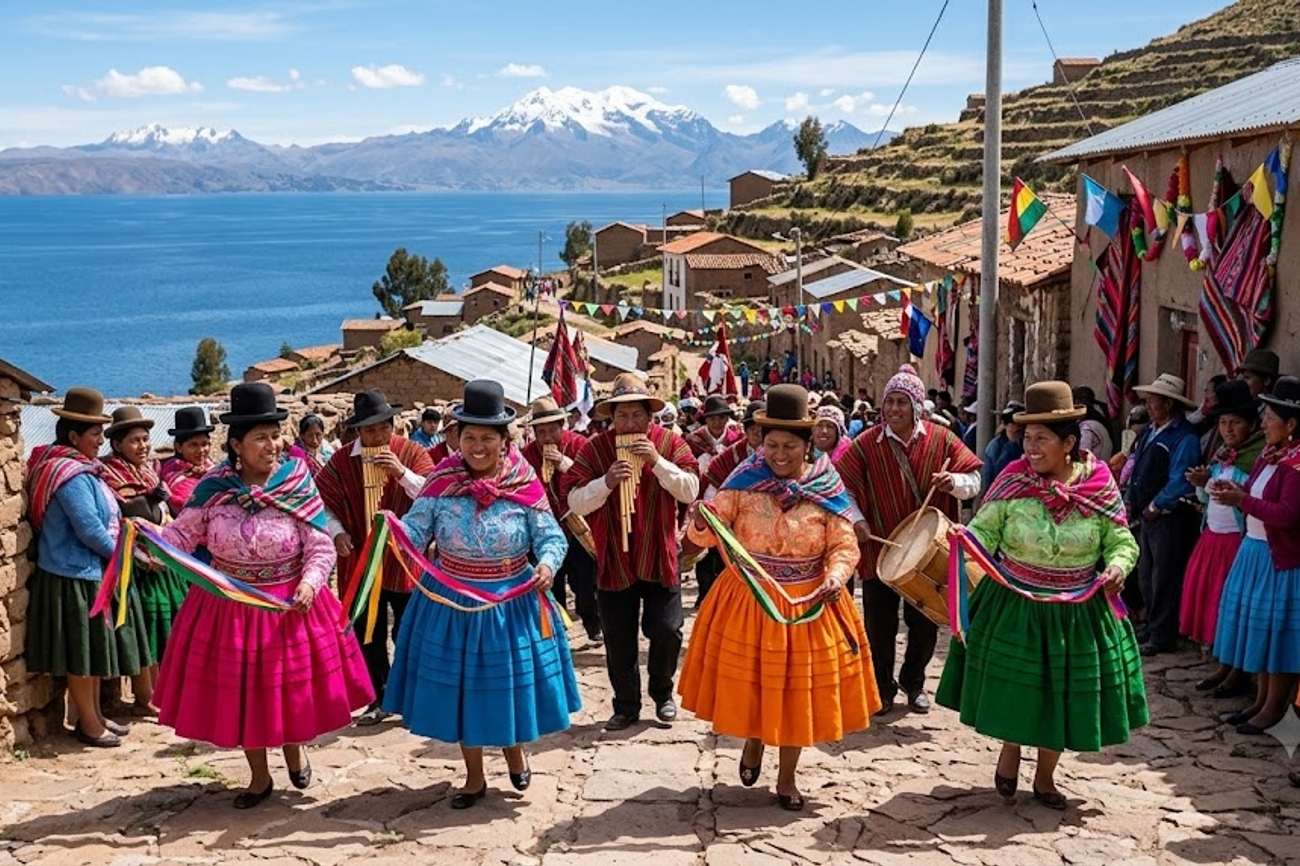
Image generated by AI
18 distinct rural communities and heritage sites across Bolivia are currently restructuring their infrastructure to anchor the nation's autumn 2026 tourism strategy. This strategic pivot represents a calculated move by Bolivian authorities to decentralize travel from primary urban hubs and shift the economic benefits of tourism toward indigenous-led, community-based models. By leveraging the specific climatic windows of September through November, Bolivia is positioning its rural interior—ranging from the high-altitude Aymara villages of the Altiplano to the lowland Tacana communities of the Amazon—as a premium alternative to the over-saturated "bucket list" destinations of South America.
The Strategic Pivot to Community-Led Tourism
The shift toward rural destinations like Sampaya and San Miguel del Bala is not merely a marketing trend but a structural response to the global evolution of traveler psychology. Modern high-value travelers are increasingly avoiding "mass tourism" in favor of "meaningful journeys." In Bolivia, this manifests as a transition from passive sightseeing to active participation in local lifestyles.
The government's approach focuses on diversifying the tourism product across three distinct geographic pillars: the Andean highlands, the Amazonian lowlands, and the Jesuit mission territories of the east. By integrating these remote villages into official tourism circuits, Bolivia is attempting to create a sustainable economic loop where the revenue from visitors directly funds the preservation of indigenous traditions and the protection of biodiversity. This model is closely aligned with the standards set by the World Tourism Organization (UNWTO), which advocates for tourism as a tool for rural development and poverty alleviation.
Infrastructure and Regional Specialization for Autumn 2026
The readiness of these villages varies from basic visitor services to established eco-lodges, reflecting a tiered approach to development. The autumn window is specifically targeted because it offers a climatic "sweet spot": the highlands experience clear skies and manageable trekking temperatures, while the Amazon remains accessible before the onset of heavy seasonal rains.
| Village / Community | Region | Primary Tourism Driver | Key Infrastructure | Seasonal Advantage (Fall 2026) |
|---|---|---|---|---|
| Sampaya | La Paz / Lake Titicaca | Aymara Heritage | Visitor center, small lodge, artisan facilities | Clearer lake views; optimal trekking temps |
| San Miguel del Bala | Beni / Rurrenabaque | Amazon Ecotourism | Community eco-lodge, interpretation center | Exploration prior to heavy rainfall |
| Asunción del Quiquibey | Pilón Lajas Reserve | Indigenous Amazon | Mapajo Community Lodge | High-value conservation focus |
| Santa Ana de Mosetenes | Alto Beni | Agro-ecotourism | Specialized eco-routes (Cocoa) | Integration of nature and agriculture |
| Tupiza | Potosí | Adventure/Heritage | Established operators & lodging | Peak comfort for outdoor activities |
| Torotoro | Potosí | Geological/Cultural | Protected-area guides | Cooler temps for canyon hiking |
| Charazani | La Paz / Apolobamba | Kallawaya Medicine | Cultural tourism routes | High Andes trekking window |
| San José de Chiquitos | Santa Cruz | Jesuit Missions | Regional visitor services | Dry season road accessibility |
For those navigating these regions, the logistical backbone is often provided by local cooperatives. In the Amazonian sector, the Ministerio de Culturas, Descolonización y Despatriarcalización often works in tandem with local guides to ensure that cultural exchanges remain respectful and non-extractive.
Expert Analysis: The Economics of Authenticity
For the traveler booking these routes for 2026, the direct consequence of this shift is a move toward "slow travel." When a visitor stays at the Mapajo lodge in Asunción del Quiquibey or explores the cocoa production in Santa Ana de Mosetenes, the pricing pressure shifts. Instead of paying global hotel chains, the capital remains within the community. This creates a feedback loop: the more the community benefits financially, the more incentive they have to preserve the "authentic" lifestyle the traveler is seeking.
However, this transition introduces specific logistical risks. Many of these destinations, such as Chushuara or Muchane, are categorized as "developing community services." This means travelers should expect a lack of standardized luxury. The "value" here is not in the thread count of the linens but in the exclusivity of the access.
From a regulatory perspective, the focus on the Pilón Lajas Biosphere Reserve and Madidi National Park indicates that Bolivia is leveraging its natural capital to attract a specific demographic: the eco-conscious, high-spend nomad. By limiting the scale of infrastructure—opting for community cabins over large resorts—Bolivia is effectively implementing a "scarcity model." This prevents the environmental degradation seen in other global hotspots and allows the government to maintain higher price points for "exclusive" indigenous experiences.
The integration of the Jesuit missions in San Ignacio de Velasco and Concepción further diversifies the portfolio, adding a layer of colonial history to the indigenous narrative. This allows Bolivia to capture both the "adventure" market and the "cultural heritage" market within a single national campaign.
Key Takeaways
- Climatic Timing: Autumn 2026 (September–November) is the optimal window for multi-region travel, offering dry conditions in the Santa Cruz missions and clear visibility in the Lake Titicaca highlands.
- Diversified Portfolio: Tourism is expanding beyond the "Salar de Uyuni" trope to include Aymara heritage in Sampaya, Kallawaya medicine in Charazani, and Tacana culture in San Miguel del Bala.
- Infrastructure Variance: Travelers should prepare for a spectrum of amenities, ranging from the established operators in Tupiza to the basic visitor services in Yampupata.
- Economic Impact: The shift toward community-led lodges (e.g., Mapajo) ensures that tourism revenue supports local conservation and cultural preservation.
- Niche Appeal: New focus areas include agro-ecotourism (cocoa in Alto Beni) and geological tourism (dinosaur footprints in Torotoro).
FAQ: Bolivia Rural Tourism 2026
When is the best time to visit Bolivia's rural villages? The autumn period from September to November is ideal. This window provides the best balance of weather, offering dry roads for the eastern missions and clear skies for trekking in the Andes and Amazon.
What should I expect regarding accommodation in community-led villages? Expect "eco-lodges" or community cabins. While places like San Miguel del Bala have dedicated lodges, others like Yampupata offer basic services. The focus is on authentic immersion rather than luxury amenities.
Are these remote destinations safe for independent travelers? While many are accessible via established circuits (like the Copacabana route), it is highly recommended to use local guides, especially in the Amazon and Apolobamba regions, to ensure cultural respect and safety.
How does community tourism differ from standard tourism? In community tourism, the local residents own and manage the services. Your payments go directly to the village for lodge upkeep and guide wages, rather than to external tour operators or international hotel chains.
The future of Bolivian travel lies not in the luxury of the city, but in the authenticity of the village.
Tags: Bolivia-Tourism-2026, Lake-Titicaca-Travel, Amazon-Ecotourism, Aymara-Culture, Jesuit-Missions-Bolivia, Community-Based-Tourism
Related Travel Guides
Disclaimer
This article is for informational and educational purposes only. It does not constitute legal, financial, or professional advice. While we strive to provide accurate and up-to-date information, travel policies, regulations, and conditions change rapidly. Always verify information with official sources before making travel decisions. Nomad Lawyer makes no representations about the accuracy, reliability, completeness, or suitability of the information provided. Readers should consult qualified professionals for advice specific to their circumstances. The views expressed in this article are those of the author and do not necessarily reflect the views of Nomad Lawyer.
Naina Thakur
Contributor & Travel Specialist
Travel enthusiast and legal writer covering visa regulations, responsible tourism, and cultural journeys across global destinations.
Learn more about our team →