Washington State Multigenerational Family Travel Surges as $25.6 Billion Economic Engine

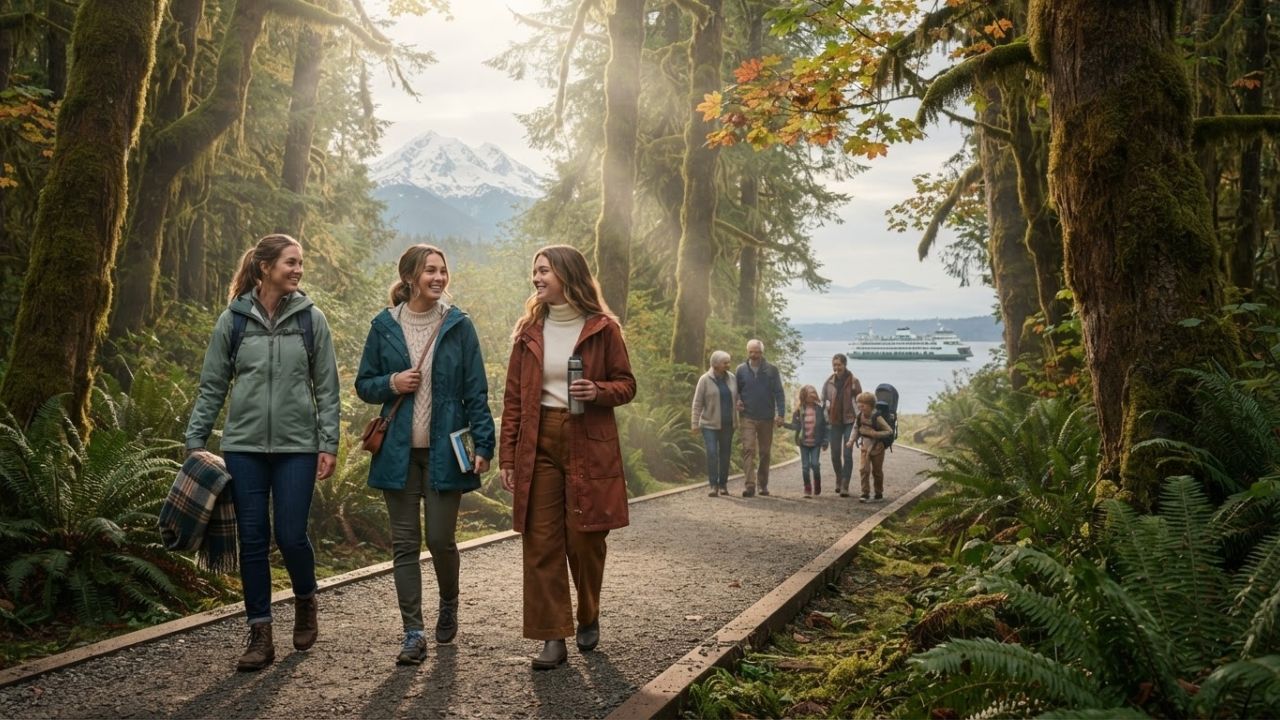
Multigenerational family travel is driving a major economic shift across Washington State, contributing $25.6 billion (£20 billion) in annual visitor spending. From step-free national park trails to multi-bedroom coastal lodges, accessible infrastructure is powering regional tourism growth and sustaining 232,457 jobs statewide.
[SEATTLE, Wash.] — Expanded family travel parties spending an average of $228 per day per individual are reshaping hospitality networks and municipal services across Washington State. Official tourism reports indicate that three-generation trips now sustain 232,457 direct, indirect, and induced employment positions while generating $2.6 billion in local and state tax revenue.
The regional influx reaches peak volume during August, when summer visitor counts climb to 13.9 million travellers. In response to this demographic surge, state park administrators, municipal urban hubs, and maritime transit agencies are updating operational policies to accommodate multi-age groups seeking step-free access and shared accommodations.
Ground-Floor Estates and Multi-Room Lodging Expand in Port Townsend and Cle Elum
Standard single-room hotel configurations fail to meet the physical space requirements of extended family groups. As a result, hospitality operators across the Pacific Northwest are expanding multi-room suites, ground-floor accessibility features, and private kitchen amenities.
At Fort Worden Historical State Park in Port Townsend, converted Officers’ Row housing managed alongside the Washington State Parks and Recreation Commission provides grand three- to six-bedroom historic residences. Designed to host groups of 12 to 15 guests, these properties pair fully equipped kitchens with ground-floor bedrooms for older relatives alongside sweeping lawns extending to the edge of Puget Sound.
Further north along the coastal spit in Blaine, Semiahmoo Resort combines full-service amenities with flat, paved shoreline paths designed for strollers and mobility devices. Extended family groups utilize multi-bedroom group villas while children explore calm-water tide pools nearby.
In the Cascade Mountains, Suncadia Resort near Cle Elum encompasses over 6,000 acres of mountain terrain. The development pairs multi-bedroom luxury vacation rental homes with structured youth programs, paved multi-use trails, golf courses, and accessible mountain shuttle routes. Statewide, visitor spending on lodging and short-term rentals totals $5.1 billion annually, supporting 26,028 direct jobs.
Step-Free Wilderness Trails Open Mount Rainier and Olympic National Parks
State and national park engineers are applying universal accessibility standards across wilderness zones, allowing three-generation travel groups to experience iconic natural landscapes together.
Inside Olympic National Park, the Hoh Rain Forest features the Hall of Mosses trail, a flat 0.8-mile paved and packed loop designed for strollers and mobility devices. Drivers reaching Hurricane Ridge navigate scenic mountain passes to access paved lookout pathways, delivering alpine vistas without requiring high-altitude trekking. Coastal locations like Rialto Beach and Kalaloch Beach feature boardwalk viewing platforms extending toward the Pacific Ocean.
At Mount Rainier National Park, the National Park Service maintains low-barrier options across the Paradise and Longmire areas, centered around the flat, paved Trail of the Shadows loop with historical interpretive panels. To manage roadway congestion during peak summer months, park officials enforce a timed-entry reservation window from May through September. This system regulates entry rates, preventing unexpected gate delays for multi-vehicle family trips. Out-of-state leisure visitors log an average stay of 3.2 days when touring regional national park circuits.
Seattle Center Campus and Waterfront Integrate Accessible Urban Attractions
Metropolitan tourist hubs are pairing high-energy recreation facilities with climate-controlled observation venues to accommodate mixed-age travel groups. The 74-acre Seattle Center campus serves as a central urban anchor, grouping cultural institutions and inclusive recreation facilities in one location.
The campus houses the Pacific Science Center—featuring interactive exhibits, a tropical butterfly garden, and planetarium presentations—adjacent to the Artists at Play Playground at the base of the Space Needle. Nearby, Chihuly Garden and Glass offers step-free indoor display galleries and flat outdoor garden pathways.
Along the Seattle Waterfront, Miners Landing operates 100 per cent ADA-compliant infrastructure centered around the 175-foot-tall Seattle Great Wheel. The wheel features 42 climate-controlled, fully enclosed gondolas capable of boarding large strollers and motorized wheelchairs. Statewide data confirms urban entertainment, dining, and beverage operations support 62,376 employment positions.
Regional Itineraries Expand Across San Juan Islands and Bavarian Leavenworth
Extended travel parties are distributing tourism dollars into regional communities, supported by structured transit corridors and walkable downtown hubs.
- San Juan Archipelago: Reached via ferry terminals in Anacortes, the 172-island chain offers coastal boat excursions, beachcombing, and whale watching in Friday Harbor using low-impact vessels and walkable downtown streets.
- Leavenworth: Located in the Cascade Mountains, this Bavarian-themed municipality features flat pedestrianized streets, riverfront parks, and seasonal festivals.
- Columbia River Gorge: Situated in Southwest Washington, the scenic corridor provides accessible highway-adjacent overlooks like the Maryhill Stonehenge Memorial.
- Lake Chelan: Offers traditional lakefront vacation facilities, including multi-room cabins, shallow swimming bays, and passenger ferry cruises.
Outdoor recreation and ecotourism activities account for 12 per cent of total family travel budgets across Washington State.
Maritime Transit Infrastructure Connects Puget Sound Island Communities
Connecting mainland urban centers with coastal island retreats relies on marine transit systems designed for all age groups. The Washington State Department of Transportation operates 21 vessels across 10 distinct routes throughout Puget Sound.
State ferries feature step-free foot-passenger walkways, wide observation decks, onboard dining services, and passenger elevators. Sailings connecting Pier 52 in Seattle to Bainbridge Island and Bremerton carry over 20 million riders annually. Family travel groups allocate approximately 23 per cent of their total travel budgets specifically to regional air, ground, and maritime transportation.
Washington State Tourism and Multigenerational Travel Metrics
| Economic & Operational Indicator | Recorded Benchmark / Statistical Figure |
|---|---|
| Annual Statewide Tourism Visitor Spending | $25.6 billion (£20 billion) |
| Average Daily Individual Travel Expenditure | $228 per day |
| Total Jobs Sustained by Tourism | 232,457 positions |
| State and Local Tax Revenues Generated | $2.6 billion |
| Average Resident Household Tax Relief | $1,140 per household |
| Annual Lodging & Short-Term Rental Spending | $5.1 billion (26,028 jobs supported) |
| Urban Entertainment & Dining Employment | 62,376 positions |
| Annual Domestic Visitor Volume | 109.9 million visitors (97.7% market share) |
| Annual International Visitor Volume | 2.6 million arrivals |
| Canadian Cross-Border Visitor Inflow | 1.65 million visitors |
| Average Out-of-State Leisure Stay Duration | 3.6 days (3.2 days for regional park itineraries) |
| Average Intrastate Resident Stay Duration | 1.8 days |
| Peak Summer Tourist Volume (August) | 13.9 million visitors |
| Washington State Ferry Fleet Capacity | 21 vessels across 10 distinct routes |
| Pier 52 (Seattle) Annual Ferry Passenger Volume | Exceeds 20 million riders |
Economic Breakdown: Domestic Travelers Drive Regional Tourism Spending
Domestic travel groups represent the main economic driver for Washington State's leisure industry. Annual domestic visitor volume totals 109.9 million travellers, capturing a 97.7 per cent market share compared to 2.6 million international arrivals. Canadian cross-border travel forms the largest international segment, accounting for 1.65 million visitors who primarily enter via land border crossings.
Stay durations vary depending on visitor origin. Out-of-state domestic leisure travellers remain in the state for an average of 3.6 days, whereas local intrastate residents average 1.8 days per trip.
Tax receipts generated by visitor activity deliver an average tax burden relief of $1,140 per resident household statewide.
Why This Matters (Information Gain & Experience)
For the traveler, the widespread adoption of universal design standards across Washington State eliminates traditional accessibility barriers on group trips. Rather than dividing family members between physical hiking trails and distant rest zones, three-generation groups can explore identical wilderness loops like the Hoh Rain Forest's Hall of Mosses or ride the Seattle Great Wheel together.
From a planning and logistical standpoint, organizing extended family trips requires early alignment with state reservation channels. Booking peak-season timed-entry slots for Mount Rainier National Park between May and September is vital to prevent gate congestion. In addition, securing multi-room historic residences like Fort Worden’s Officers' Row or Suncadia’s group villas allows families to consolidate lodging expenses while ensuring step-free ground-floor access for older relatives.
Frequently Asked Questions
What makes Washington State ideal for multigenerational travel?
Washington State provides a combination of fully accessible national park trails, step-free urban attractions, large multi-room lodging facilities, and accessible public ferry networks suitable for all mobility levels.
When is the best time of year for extended families to visit Washington?
Summer (June through September) brings warm, dry conditions and full access to mountain pass roads. Shoulder seasons in late spring and early autumn offer lower lodging rates and manageable crowd levels along coastal routes.
Do national parks in Washington require advanced reservations?
Yes. Mount Rainier National Park uses a timed-entry reservation system during peak summer months (May through September) to manage vehicle capacity and reduce entrance wait times.
Are public ferries in Washington accessible for strollers and wheelchairs?
Yes. Washington State Ferries feature step-free foot-passenger ramps, passenger elevators, wide observation decks, accessible restrooms, and dedicated vehicle lanes across all active routes.
Related Travel Guides
This article is for informational purposes. Flight routes, passenger regulations, visa rules, and transit advisories are subject to change by airlines and aviation authorities. Readers are advised to verify schedules and travel documentation with relevant carriers and border agencies before departure.
Related Stories
10 Best Cross-Border Road Trips From the United States to Canada Reddit Travelers Recommend in 2026
UK and Global Aviation Alliances Propel Oman Tourism Beyond 10% Growth: Inside the Sultanate's Vision 2040 Upscale Travel Boom