
Community Unity: Four Seasons Kyoto Hosts the 2026 Terry Fox Run
Four Seasons Hotel Kyoto leads the third annual Kyoto Terry Fox Run on September 27, 2026, raising cancer research funds for Kyoto University.
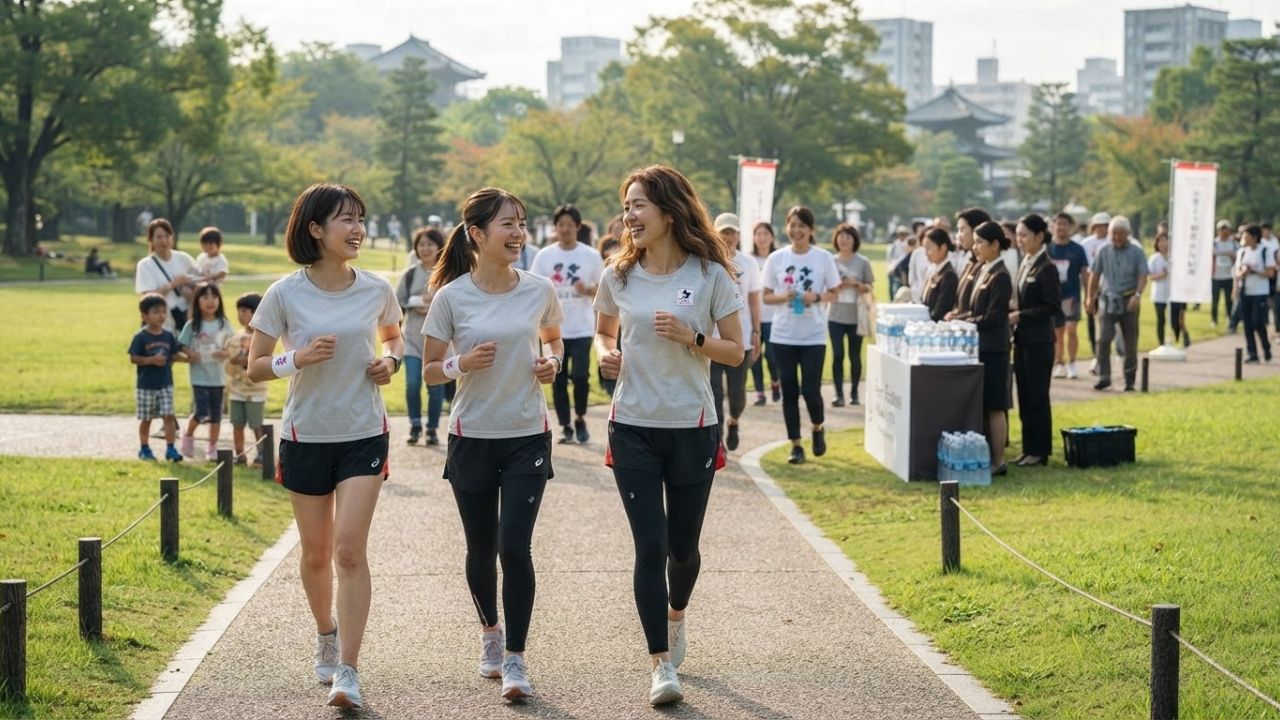
Image generated by AI
When the third annual Kyoto Terry Fox Run takes place in Umekoji Park on Sunday, September 27, 2026, it will highlight the operational role of luxury hotels in supporting regional medical research. Led by the Four Seasons Hotel Kyoto, the event connects international charity networks with local scientific work, directing all fundraising proceeds to the Kyoto University Cancer Immunotherapy and Immunobiology Center.
The Local Trend Revealed: Philanthropic Hospitality and Social Sustainability
The luxury hospitality sector in Japan is experiencing a strategic shift, where international hotel brands are moving beyond traditional accommodation services to active community leadership. By utilizing their administrative platforms, marketing reach, and customer service teams, high-end properties are organizing community-centric events that promote social sustainability. The coordination of the Kyoto Terry Fox Run by the Four Seasons Hotel Kyoto is a key example of this trend, uniting hotel guests, employees, and local residents around a shared social cause.
The grassroots format of the run allows participants to connect with Kyoto's residents in a relaxed environment, fostering mutual respect and cultural exchange. Travelers who take part in the event can experience a different side of Kyoto, moving beyond standard commercial tours to join a shared civic effort. This social integration is a key component of sustainable tourism, showing how travelers can positively impact the communities they visit.
The event, which is non-competitive and open to all ages and physical abilities, takes place on a 2.5-kilometer loop within the green spaces of Umekoji Park. Unlike standard athletic marathons, the run prioritizes participation and community solidarity. Attendees are encouraged to complete the course at their own pace—whether walking, jogging, or running. Registration opens at 8:30 AM, followed by a warm-up session at 8:45 AM, with the run officially starting at 9:00 AM and concluding at 11:00 AM.
Supporting Cancer Immunotherapy Research at Kyoto University
A central focus of the Kyoto edition is directing local contributions toward domestic scientific breakthroughs. All funds raised through participant registrations and donations are donated directly to the Kyoto University Cancer Immunotherapy and Immunobiology Center (CCII), a leading research facility dedicated to cancer prevention, early detection, and advanced immunobiology treatments.
The CCII center operates in close collaboration with the Kyoto University Graduate School of Medicine, conducting clinical research that advances cancer treatment methods. By directing funds to this local institution, the run directly supports the scientific community of Kyoto. This targeted giving ensures that contributions are managed efficiently and transparently, providing participants with clear evidence of their positive social impact.
The event features a flexible donation structure to encourage broad public participation. Travelers and residents who register in advance can choose contribution levels of JPY 4,000, JPY 6,000, or JPY 10,000, with each level including a commemorative Terry Fox Run T-shirt. These shirts are available for collection at the Four Seasons Hotel Kyoto boutique from September 14 to September 25, 2026. For those wishing to contribute smaller amounts, donations under JPY 4,000 are accepted in person at the park on the day of the run, though these entries do not include a commemorative T-shirt.
For the visitor, the real impact is the opportunity to engage directly with Kyoto's academic and community life. By participating, travelers contribute to the city's scientific development, helping to fund medical research that benefits both local patients and the global scientific community.
Terry Fox's Global Legacy in Japan's Cultural Capital
The run honors the memory of Terry Fox, who lost his right leg to bone cancer at age eighteen. In 1980, at the age of twenty-two, he embarked on the Marathon of Hope—a run across Canada to raise funds and awareness for cancer research. Fox completed 143 days of running, covering 5,373 kilometers, and raised CAD 24 million before his illness returned. Today, his legacy continues through more than 12,000 runs organized annually worldwide.
Sustainable event practices also extend to waste reduction and energy conservation on the day of the run. Organizers encourage participants to bring reusable water bottles to minimize plastic waste in Umekoji Park. By coordinating with local environmental groups, the event team aims to leave the park in its original state, demonstrating how community gatherings can be managed with minimal ecological footprints.
The Kyoto event acts as a locally rooted extension of this international movement, showcasing how global philanthropy can adapt to local cultures. By selecting Umekoji Park, organizers have chosen a highly accessible venue for both residents and international visitors. Located just a 15-minute walk from JR Kyoto Station, the park features large lawns and family-friendly paths, providing a relaxed setting for a community gathering.
Kyoto Visitor Guide: Transport Navigation and Cultural Heritage
For travelers planning to participate in the run or explore the historic city, the Kyoto City Tourism Association (KCTA) suggests the following tips:
- Optimal Booking Windows: Autumn is one of the most scenic times to visit Kyoto. Plan your visit for late September to experience comfortable temperatures and the early changing colors of the maple trees.
- Park Transport Etiquette: Umekoji Park is easily reached on foot or by public transport. Walk 15 minutes west from JR Kyoto Station, or take the San-in Main Line to Umekoji-Kyotonishi Station, which is located directly beside the park.
- Sample Regional Cuisine: Take advantage of your time in Kyoto to sample local culinary specialties. Try yuba (tofu skin), enjoy a bowl of traditional Kyoto style ramen, or sample matcha-flavored sweets at local cafes near the park.
- Explore Historical Monuments: Visit nearby cultural heritage sites, including the wooden temple of To-ji with its five-story pagoda, or explore the historic Higashiyama district to learn about Kyoto's ancient traditions.
- Support Local Merchants: Buy fresh seasonal produce, green tea, and traditional crafts from independent shops inside the city, ensuring your tourist spending directly supports local family businesses.
- Kyoto Imperial Heritage: Kyoto, which served as Japan's imperial capital for over a millennium, is globally renowned for its preserved wooden temples, traditional tea houses, and tranquil rock gardens. Home to seventeen UNESCO World Heritage sites, the city represents the cultural heart of Japan. Visitors to Kyoto can explore the historic streets of Gion, famous for its traditional wooden machiya merchant houses and geisha culture, or walk along the Philosopher's Path to experience the tranquil atmosphere of the city's ancient canal networks.
- Under-the-Radar Quiet Zones: At JR Kyoto Station, seek out the quieter rooftop sky garden, which offers panoramic views of the city and a peaceful environment away from the busy train concourses.
- Off-Peak Transit Times: To avoid commuter crowds on the municipal subway lines, travel during mid-day hours or walk along the city's scenic canal paths.
Long-Term Outlook for Kyoto's Philanthropic Tourism
The return of the Terry Fox Run to Kyoto highlights the value of community-led tourism initiatives. By connecting luxury hospitality resources with public green spaces and local academic research, the event establishes a sustainable tourism model that benefits the host community.
Over the coming decade, continued investments in public parks, urban green spaces, and community health events will shape Kyoto's travel market. By maintaining high social responsibility standards and promoting authentic local connections, the city's tourism planners aim to build a balanced visitor economy. This approach ensures that Kyoto remains not only a historic cultural capital but also a healthy, supportive community for both residents and visitors.
Disclaimer
This article is for informational and educational purposes only. It does not constitute legal, financial, or professional advice. While we strive to provide accurate and up-to-date information, travel policies, regulations, and conditions change rapidly. Always verify information with official sources before making travel decisions. Nomad Lawyer makes no representations about the accuracy, reliability, completeness, or suitability of the information provided. Readers should consult qualified professionals for advice specific to their circumstances. The views expressed in this article are those of the author and do not necessarily reflect the views of Nomad Lawyer.