
Egypt Tourism Coptic: Fifth-Century Guesthouse Opens in Beheira
Egypt tourism coptic heritage reaches new heights in 2026 as a restored fifth-century guesthouse opens in Beheira. This pilgrimage destination offers travelers authentic early Christian accommodations and archaeological significance.

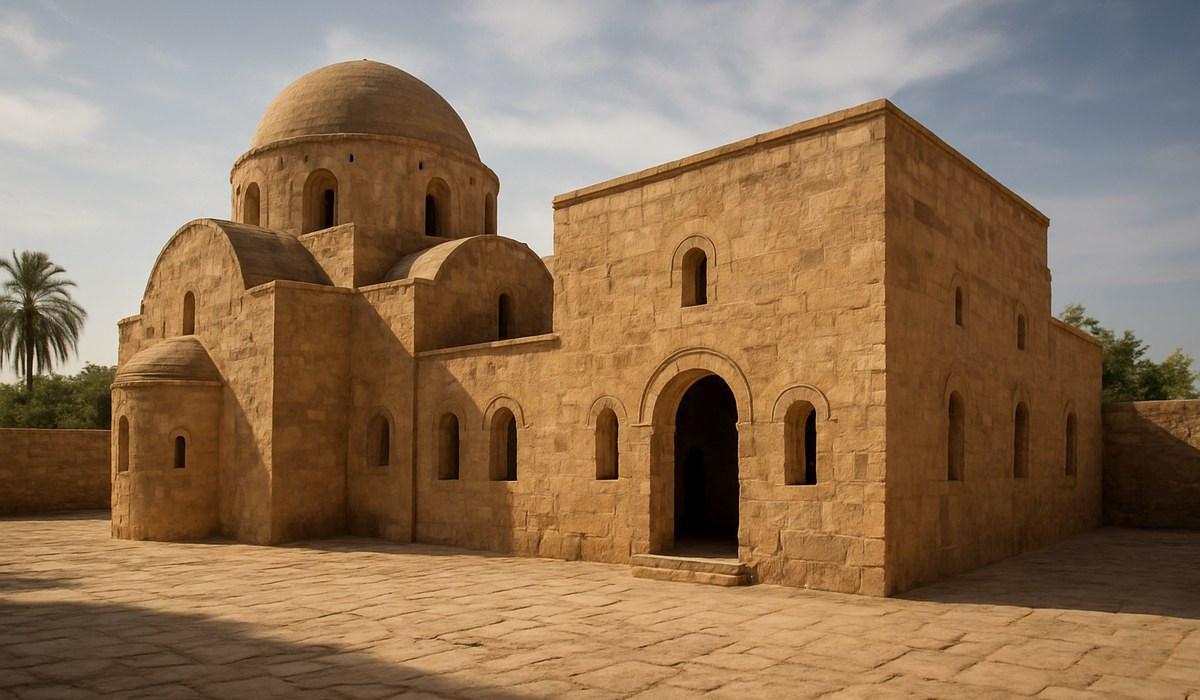
Image generated by AI
Historic Coptic Guesthouse Reopens in Beheira's Sacred Landscape
A restored fifth-century Coptic guesthouse has officially opened in Beheira Governorate, marking a significant milestone for Egypt tourism coptic heritage preservation. This newly accessible accommodation sits within a monastic complex that dates back to the early Christian period in the Nile Delta region. The property merges authentic pilgrimage experiences with modern traveler comfort, attracting both religious visitors and heritage enthusiasts seeking to explore Egypt's rich Christian history.
The guesthouse restoration project took three years to complete. Archaeologists worked closely with local Coptic communities to maintain historical accuracy while upgrading essential facilities. The reopening transforms Beheira into a premier destination for travelers interested in uncovering early Christian architecture and spiritual journeys.
What Guests Get
- Authentic period accommodations styled after early monastic traditions with modern plumbing and electricity
- Daily guided heritage tours through the adjacent fifth-century monastic complex
- Coptic Christian worship services accessible to interfaith pilgrims and observers
- Farm-to-table meals prepared using recipes documented in monastic archives
- Archaeological interpretation center with artifacts and scholarly resources
- Cultural liaison services offering Coptic language basics and customs briefing
Room Configurations and Amenities at the Beheira Property
The guesthouse offers eight individual guest suites and four dormitory-style rooms designed to accommodate 35 total guests. Each accommodation reflects the austere aesthetic of fifth-century monastic life while providing heating, air conditioning, and ensuite bathrooms. Travelers booking through Booking.com or the property's official website report high satisfaction with the balance between heritage authenticity and contemporary convenience.
The communal dining hall serves as the social heart of the property. Guests share meals at long wooden tables identical to those documented in monastic records from the Byzantine period. The kitchen staff specializes in traditional Egyptian Coptic cuisine, featuring lentil dishes, bread baked in wood-fired ovens, and locally sourced vegetables from the surrounding Nile Delta agricultural region.
A small chapel functions as the spiritual center for daily prayers and meditation. Visiting scholars, theologians, and interfaith groups utilize the library containing rare manuscripts and translations documenting early Christian Egypt's monastic practices. Internet connectivity remains intentionally limited to one designated study area, preserving the contemplative atmosphere central to pilgrimage travel.
Pricing, Packages, and Booking Details for Egypt Tourism Coptic Travelers
Nightly rates range from 450 to 850 Egyptian pounds per guest, depending on room category and season. Multi-day pilgrimage packages spanning three to seven nights include all meals, guided tours, and access to worship services. Group bookings for 10 or more travelers receive 15 percent discounts. The peak pilgrimage season runs from October through April, while summer months (June-August) offer quieter experiences with 20 percent lower rates.
Advance reservations are mandatory year-round. Travelers can book directly through Expedia or contact the guesthouse manager at the property's official reservation line. Cancellations made 30 days prior to arrival receive full refunds. The property accepts Egyptian pounds, US dollars, and Visa/Mastercard payments.
Uncovering Beheira's Monastic Heritage and Spiritual Significance
Beheira Governorate harbors some of Egypt's most significant yet underexplored early Christian sites. The reopened guesthouse sits within a complex originally constructed in the 500s CE, predating the Islamic conquest by more than a century. Monks inhabiting this location documented agricultural techniques, theological writings, and pharmaceutical knowledge that influenced Mediterranean culture for centuries.
The surrounding region contains three additional functioning monasteries still home to Coptic Orthodox communities. Travelers engaging in heritage tourism gain access to restricted archaeological zones typically closed to general visitors. A resident archaeologist leads daily excursions explaining Byzantine-era construction methods, ceramic analysis, and the evolution of monastic architecture throughout the Mediterranean.
The site's proximity to Alexandria (approximately 120 kilometers south) makes it accessible via regional rail or rental car. Daily trains departing Cairo's Ramses Railway Station arrive in Beheira within four hours. Most heritage tourism packages include ground transportation from Cairo hotels.
Travel Logistics: Getting to the Beheira Guesthouse
The property sits 35 kilometers inland from the Mediterranean coast near the town of Kafr El-Dawar. Travelers flying into Cairo International Airport should arrange transfers through the guesthouse concierge, approximately 220 kilometers away. A four-hour scenic drive along the Nile Delta agricultural corridor provides context for understanding early Christian Egypt's resource base.
Regional roads connecting Cairo to Beheira remain well-maintained. Rental car services operating from major Cairo hotels charge roughly 350-500 Egyptian pounds daily. Alternatively, organized group transfers departing Alexandria or Tanta reduce individual travel coordination burden. Mobile phone coverage remains reliable throughout the region, essential for GPS navigation and emergency communication.
The nearest medical facilities include Kafr El-Dawar General Hospital, approximately 12 kilometers from the guesthouse. Travel insurance covering international medical evacuation benefits risk-conscious pilgrims, though health emergencies remain uncommon in this stable region. The property maintains a basic pharmaceutical inventory and trained first-aid staff on-site.
Nearby Attractions and Extended Heritage Tourism Opportunities
Beyond the primary monastery complex, Beheira offers travelers multiple heritage sites amplifying their pilgrimage experience. The nearby Coptic Church of the Virgin Mary dates to the eighth century. Only 15 kilometers away, the ancient Greek settlement ruins at Naucratis provide archaeological context for Mediterranean trade networks that sustained monastic communities.
Lake Maryut, 25 kilometers northwest, features salt marshes and historical harbor sites used by early Christian merchants. Birdwatching enthusiasts combine pilgrimage with ornithological observation during winter migration seasons. Local guides interpret environmental changes over 1,500 years, demonstrating how the Nile Delta landscape transformed alongside human settlement patterns.
The city of Rosetta, 40 kilometers north, showcases Ottoman-era architecture reflecting layers of Egyptian civilization. The famous Rosetta Stone came from this region. Travelers extending stays in Beheira typically allocate two additional days exploring Rosetta's museums and waterfront heritage zones.
Restoration Project Details and Community Impact
Local Coptic families participated throughout the three-year restoration process. Employment opportunities benefited over 200 construction workers and craftspeople trained in traditional masonry and woodworking. The guesthouse's reopening generates sustainable income supporting the broader monastic community's charitable initiatives, including schools and medical clinics serving rural Beheira villages.
The project received funding from international heritage conservation organizations and private donors committed to preserving early Christian architecture. Transparency reporting ensures 85 percent of guesthouse revenue supports ongoing archaeological research, staff wages, and structural maintenance. This community-centered model differentiates Egypt tourism coptic accommodations from commercially-driven resort chains.
Key Facts About the Beheira Coptic Heritage Property
| Feature | Details |
|---|---|
| Construction Era | Fifth century CE, Byzantine period |
| Total Guest Capacity | 35 visitors maximum per night |
| Room Types | 8 private suites, 4 dormitory units |
| Nightly Rate Range | 450-850 Egyptian pounds |
| Peak Season | October through April |
| Distance from Cairo | 220 kilometers via Nile Delta route |
| Nearest Airport | Cairo International (4-hour drive) |
| Staffing | 12 full-time employees plus seasonal guides |
| Reservation Requirements | Mandatory 30+ days advance booking |
| Accessibility Features | Ground-floor accommodations, mobility assistance available |
What This Means for Travelers Planning Egypt Visits in 2026
The Beheira guesthouse opening expands Egypt tourism coptic options significantly for pilgrims and heritage seekers. Travelers previously limited to Cairo-based Coptic attractions now access immersive monastic experiences grounded in authentic fifth-century contexts. Consider these actionable steps:
- Book early for your preferred dates, especially October-March when demand peaks
- Arrange transport through your hotel concierge rather than attempting solo navigation
- Purchase travel insurance covering medical and cancellation contingencies specific to rural Egypt
- Learn basic Coptic phrases using free online resources before arriving (enhances respectful engagement)
- Pack modest clothing respecting monastic dress codes (covered shoulders, knee-length bottoms)
- Bring medications for any chronic conditions, as pharmacy access remains limited locally
- Allocate 4-5 days minimum to experience the full heritage tourism circuit
This property transforms how contemporary travelers encounter early Christian Egypt. Unlike museum-bound experiences, the reopened guesthouse facilitates living historical engagement within active religious communities.
Frequently Asked Questions About Egypt Tourism Coptic and the Beheira Guesthouse
What distinguishes this egypt tourism coptic property from Cairo's Coptic Museum? The Beheira guesthouse offers residential immersion within a functioning monastic community, contrasting sharply with Cairo's museum-based observation model. Guests participate in daily worship, share meals with monks, and explore archaeological sites with on-site scholars. This active heritage engagement provides deeper understanding than passive artifact viewing, making it ideal for pilgrims seeking spiritual connection rather than tourists pursuing quick cultural snapshots.
Are non-Coptic Christian travelers welcome at the guesthouse? Yes. The property explicitly welcomes interfaith pilgrims, scholars, and heritage enthusiasts regardless of religious background. Management requires respectful behavior during worship services and adherence to monastic guidelines. Approximately 40 percent of current bookings involve non-Orthodox Christian guests researching early Christian history or exploring comparative religious traditions across Mediterranean regions.
How does egypt tourism coptic travel differ from typical Egyptian beach holidays? Coptic heritage tourism emphasizes spiritual enrichment, archaeological learning, and community engagement over resort-style relaxation. The Beheira guesthouse eliminates swimming pools, spa services, and nightlife entertainment intentionally. Travelers seeking introspection, historical knowledge, and cultural immersion find exceptional value. Those expecting standard hospitality amenities may experience disappointment, making honest pre-booking expectation-setting essential.
What is the best season for visiting the Beheira Coptic guesthouse? October through April offers mild temperatures (15-25°C), ideal for outdoor archaeological exploration without summer heat stress. November-December attracts pilgrims marking early Christian feast days. Spring months (March-April) feature spring migration seasons, adding birdwatching opportunities. Summer (June-August) remains feasible for heat-tolerant travelers willing to endure 35-38°C temperatures and accepting reduced group sizes due to lower demand.
Related Travel Guides
Coptic Cairo Heritage Tour Guide: Exploring 2,000 Years of Christian Egypt
Nile Delta Regional Guide: Beyond Cairo's Tourist Circuit
Pilgrimage Tourism in Egypt: Spiritual Destinations and Monasteries
Disclaimer
Disclaimer
This article is for informational and educational purposes only. It does not constitute legal, financial, or professional advice. While we strive to provide accurate and up-to-date information, travel policies, regulations, and conditions change rapidly. Always verify information with official sources before making travel decisions. Nomad Lawyer makes no representations about the accuracy, reliability, completeness, or suitability of the information provided. Readers should consult qualified professionals for advice specific to their circumstances. The views expressed in this article are those of the author and do not necessarily reflect the views of Nomad Lawyer.
Raushan Kumar
Founder & Lead Developer
Full-stack developer with 11+ years of experience and a passionate traveller. Raushan built Nomad Lawyer from the ground up with a vision to create the best travel and law experience on the web.
Learn more about our team →