
Vietnam, Japan And More Asian Countries Steps Up To Protect Tourism Gems With Visitor Limits And Strict Restrictions
Vietnam, Japan And More Asian Countries Steps Up To Protect Tourism Gems With Visitor Limits And Strict Restrictions

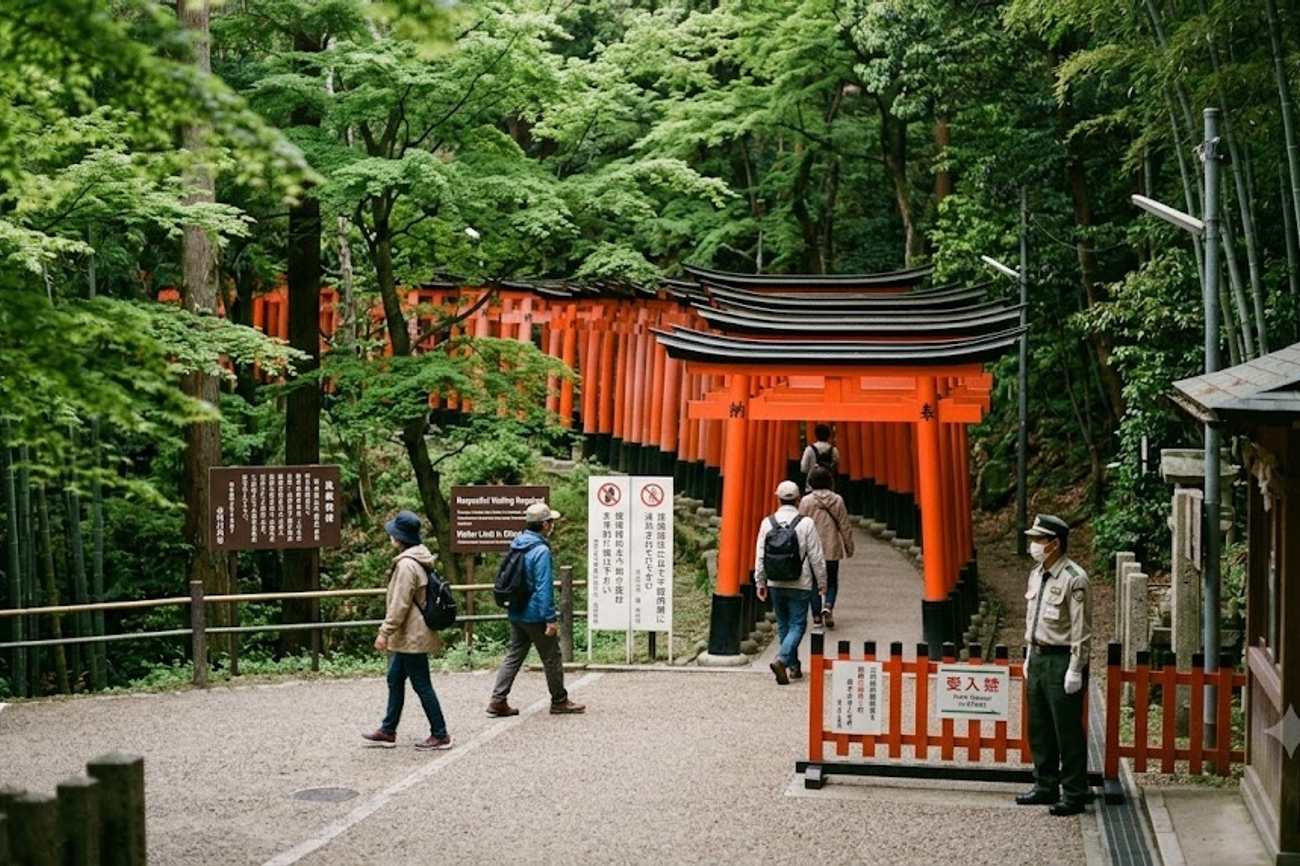
Image generated by AI
Zero-tolerance policies toward illegal construction and strict visitor caps across Asia's most fragile ecosystems signal a fundamental pivot in the region's economic strategy for 2026. The transition from a volume-based growth model—where success was measured by raw arrival numbers—to a value-based conservation model is now an official state priority for governments from Vietnam to Japan. This shift is not merely an environmental gesture but a calculated business move to prevent the total degradation of the very assets that drive their multi-billion dollar tourism industries.
The Pivot Toward Managed Access in Southeast Asia
The operational philosophy of Asian tourism is undergoing a structural realignment. For decades, the objective was the aggressive expansion of infrastructure to accommodate the widest possible demographic of travelers. However, the emergence of "overtourism" has forced a regulatory correction. In Vietnam, the focus has shifted to the Central Highlands, specifically the Bien Ho tea region. Here, the state is no longer prioritizing the number of hotel beds but is instead implementing a protection plan designed to shield century-old pine rows and historic tea landscapes from commercial encroachment.
This is part of a broader regional trend where governments are treating their landscapes as finite capital. By restricting development and preventing land encroachment, Vietnam is attempting to hedge against the volatility of mass tourism, ensuring that the agricultural heritage of the Bien Ho area remains a viable draw for high-spending nature tourists. This approach mirrors the systemic rehabilitation seen in the Philippines, where Boracay Island underwent a forced environmental reset. The Boracay model—which involved the demolition of illegal structures and a total overhaul of wastewater systems—has become a blueprint for other island nations struggling with the externalities of rapid growth.
Data Breakdown: 2026 Regional Conservation Frameworks
The following data outlines the specific regulatory mechanisms being deployed across the region to mitigate environmental and cultural erosion.
| Country | Primary Protected Asset | 2026 Regulatory Mechanism | Core Objective |
|---|---|---|---|
| Vietnam | Bien Ho Tea Area / Pine Rows | Construction bans & land encroachment controls | Preservation of agricultural heritage |
| Japan | Shirakawa-go / Mt. Fuji | Modern construction limits & visitor movement management | Architectural and ecological integrity |
| Thailand | Maya Bay / Similan Islands | Temporary closures & strict visitor quotas | Marine ecosystem recovery |
| Philippines | Boracay / Tubbataha Reefs | Infrastructure rehabilitation & wastewater mandates | Coastal and reef restoration |
| Indonesia | Bali / Komodo National Park | Sustainable planning & biodiversity mandates | Wildlife and cultural conservation |
| Bhutan | Himalayan Highlands | High-value, low-impact pricing and quotas | Cultural and environmental equilibrium |
Expert Analysis: The Economics of Exclusion
For the modern traveler, the direct consequence of these policies is the end of the "unrestricted access" era in Asia. We are seeing the rise of "exclusive conservation," where the cost of entry is either raised through financial levies—as seen in the Kingdom of Bhutan—or restricted through rigorous permit systems.
The pricing pressure this creates is intentional. By shifting toward a "high-value, low-impact" model, these nations are attempting to decouple their GDP growth from the physical number of tourists. From a logistical standpoint, this means that booking a trip to destinations like Maya Bay or the Komodo National Park now requires far more lead time and regulatory compliance than in previous years.
Furthermore, the move toward "managed movement" in Japan, particularly in Kyoto and Shirakawa-go, indicates a shift toward algorithmic tourism. Authorities are increasingly using data to steer crowds away from saturated heritage sites and toward under-visited regions. For the traveler, this means that the "hidden gem" is becoming a state-sponsored directive. The risk for these countries is the potential for "tourism leakage," where travelers migrate to unregulated secondary sites, inadvertently creating new zones of degradation. However, the alternative—the total collapse of the ecosystem, as nearly happened in Boracay—is a risk that the World Tourism Organization and local governments are no longer willing to take.
Key Takeaways
- End of Mass Access: Major sites including Maya Bay (Thailand) and Boracay (Philippines) have transitioned from open-access to strictly regulated zones with visitor caps.
- Infrastructure Purges: Vietnam and the Philippines are actively removing illegal commercial structures from protected zones to restore natural landscapes.
- Financial Barriers: Bhutan continues to lead the "high-value" model, using tourism revenue specifically to fund the conservation of Himalayan monasteries and forests.
- Architectural Freezes: Japan is implementing strict bans on modern construction in heritage villages like Shirakawa-go to maintain UNESCO-level authenticity.
- Marine Prioritization: Indonesia and Thailand are prioritizing coral reef and biodiversity recovery over immediate hotel occupancy rates.
FAQ: Asia Tourism Regulations 2026
Do I need special permits to visit Maya Bay or Komodo National Park? Yes. Most high-protection zones in Thailand and Indonesia now require pre-booked permits or are subject to daily visitor quotas. It is recommended to check official national park portals before planning your itinerary.
How has the "high-value" model in Bhutan affected travel costs? Bhutan utilizes a sustainable development fee (SDF) integrated into the travel cost. This ensures that only low-impact travelers visit, with the funds directly supporting the country's carbon-neutral goals and cultural preservation.
Are there restrictions on where I can stay in Japan's historic villages? In areas like Shirakawa-go, there are strict limits on new hotel construction. Travelers should book traditional Gassho-style accommodations well in advance, as capacity is legally capped to prevent overtourism.
What happened to Boracay that led to these strict rules? Rapid, unregulated expansion led to severe sewage failures and beach degradation. The Philippine government implemented a total shutdown for rehabilitation, removing illegal buildings and upgrading waste systems to save the island's ecosystem.
The era of the unchecked itinerary is over; the future of Asian travel is a curated, regulated, and priced experience.
Tags: Bien Ho Tea Area, Shirakawa-go, Maya Bay Recovery, Boracay Rehabilitation, Bhutan High-Value Tourism, Komodo National Park 2026
Related Travel Guides
- Iran Sepehran Airlines Boeing 737 Emergency Landing Highlights Aviation Safety Response After Tyre Issue
- Yosemite Wildfire Surges to 100 Acres: Dome Fire Triggers Chilnualna Falls Backcountry Closures
- US Flash Flood Threats Sweep Kansas, Missouri, and Arizona: How Heavy Rains Are Paralyzing Autumn Travel Routes
Disclaimer
This article is for informational and educational purposes only. It does not constitute legal, financial, or professional advice. While we strive to provide accurate and up-to-date information, travel policies, regulations, and conditions change rapidly. Always verify information with official sources before making travel decisions. Nomad Lawyer makes no representations about the accuracy, reliability, completeness, or suitability of the information provided. Readers should consult qualified professionals for advice specific to their circumstances. The views expressed in this article are those of the author and do not necessarily reflect the views of Nomad Lawyer.
Preeti Gunjan
Contributor & Community Manager
A passionate traveller and community builder. Preeti helps grow the Nomad Lawyer community, fostering engagement and bringing the reader experience to life.
Learn more about our team →