Upper Midwest Early Fall Frost: Essential Travel Guide for Michigan, Wisconsin, and Minnesota

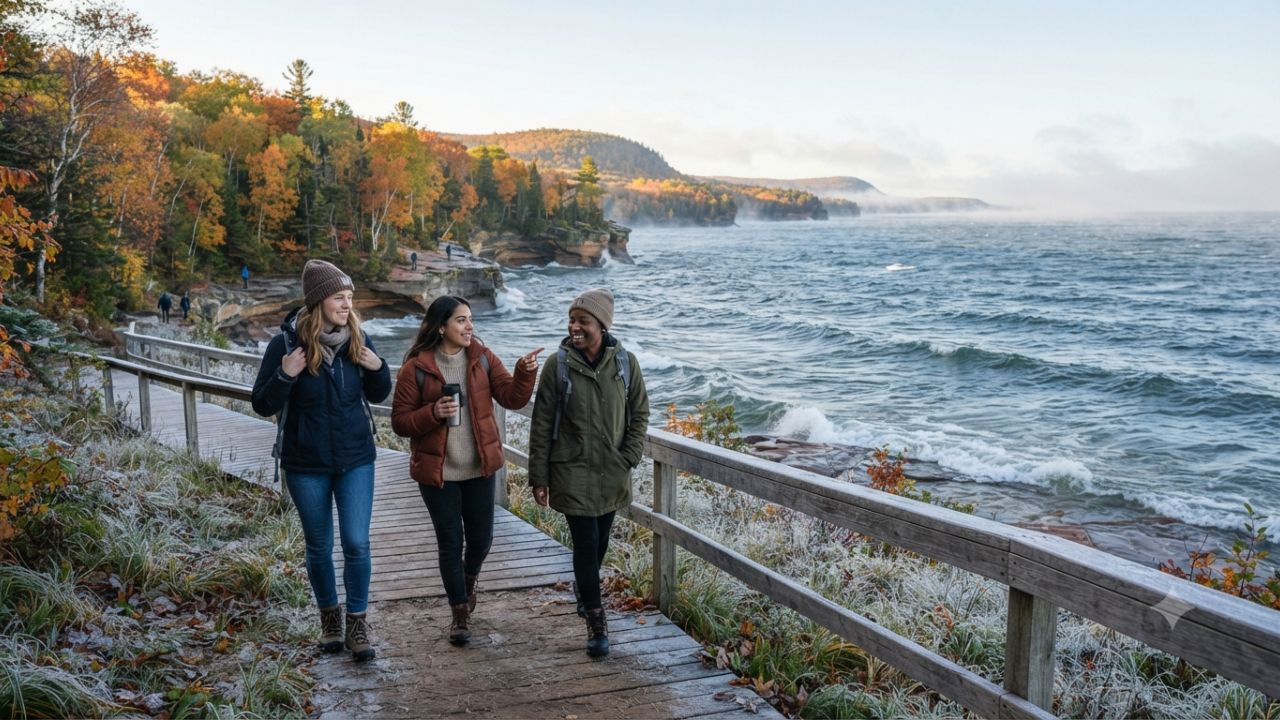
While many autumn road-trippers anticipate crisp afternoon sunshine and gentle golden foliage across the Northwoods, the meteorological reality of Lake Superior creates an abrupt thermal shock as early as late September. According to official records from the National Park Service, the historical average date for the very first autumn freeze at Pictured Rocks National Lakeshore arrives precisely on September 23. This year, a dominant high-pressure airmass settling across the Upper Midwest has triggered sub-freezing overnight temperatures across western Upper Peninsula woodlands, northern Wisconsin forests, and Minnesota's Iron Range, catching unprepared campers and coastal hikers off guard.
The cold snap, highlighted in official alerts issued by the National Weather Service offices in Marquette, Duluth, and Green Bay, signals a distinct transition for autumn tourism across the Great Lakes basin. With overnight probabilities of frost reaching 50% to 80% across western Upper Peninsula counties, travelers venturing to cliffside trails, rustic cabins, and exposed inland lakes face morning temperatures dipping into the 20s and 30s Fahrenheit alongside hazardous freshwater surf.
Arctic Air and Lake Superior Microclimates Collide
The sudden drop in temperatures beginning the night of 21 September 2026 illustrates how quickly maritime weather systems along Lake Superior dictate inland conditions. High pressure parked over the northern plains pulls cold air southward from Canada, creating widespread inland frost while generating turbulent surface dynamics over open water.
In northern Michigan, coastal communities like Munising, Grand Marais, and Marquette experience substantial temperature contrasts between midday warmth and pre-dawn freezing conditions. While daytime hiking trails remain accessible under clear skies, early-morning condensation rapidly glazes boardwalks, rocky overlooks, and backcountry roads.
| Destination Area | Forecast Temperature Range | Frost & Marine Risk Level | Recommended Primary Gear |
|---|---|---|---|
| Pictured Rocks & Munising (MI) | Lows 28°F–34°F / Highs 52°F–58°F | High inland frost; high shoreline rip currents | Thermal base layers, 20°F sleeping bag, windbreaker |
| Marquette County Shoreline (MI) | Lows 32°F–36°F / Highs 50°F–55°F | Dangerous swimming; elevated northeast surf | Neoprene gloves, fleece insulation, traction boots |
| Duluth & Twin Ports (MN/WI) | Lows 30°F–35°F / Highs 48°F–54°F | High rip currents at Park Point; patchy frost | Insulated shell, thermos flasks, wool socks |
| Minnesota Iron Range (MN) | Lows 25°F–32°F / Highs 46°F–52°F | Widespread sub-freezing freeze through midweek | Sub-zero rated sleeping pad, winter tent stakes |
| North-Central Wisconsin Forests | Lows 30°F–34°F / Highs 50°F–56°F | Patchy overnight frost late Monday/Tuesday | Fleece mid-layers, vehicle windshield scraper |
Farther west, the NWS Duluth office reported freezing conditions extending from Sunday night through Wednesday night, with sub-freezing lows concentrated north of Minnesota's Iron Range and across northwest Wisconsin. These localized weather patterns demonstrate that autumn travel in the Northwoods demands cold-weather technical readiness rather than standard summer packing.
Why Lake Superior Shorelines Demand Specialized Caution
The physical geography of the Lake Superior basin creates dramatic microclimatic variations within just a few miles of the shore. The massive thermal mass of the largest freshwater lake on Earth moderates immediate shoreline temperatures, often keeping water-facing bluffs a few degrees warmer than inland forests. However, this same temperature differential drives powerful coastal winds and unpredictable water hazards.
During late September, cold northerly winds blowing across hundreds of miles of open water generate steep, short-period waves. NWS Marquette and NWS Duluth have emphasized high rip-current risks and hazardous swimming conditions along exposed beaches in Marquette County and the Twin Ports of Duluth and Superior. Because freshwater is less buoyant than seawater and Lake Superior water temperatures hover in the low 50s Fahrenheit, entering the surf during high-wind episodes presents immediate hypothermia and drowning risks.
On land, the presence of sub-freezing air interacting with moisture-laden lake breezes creates black ice on exposed bridges, elevated highways, and shaded gravel trails. For hikers exploring the sandstone cliffs of Chapel Rock or Miners Castle, wet sandstone surfaces become exceptionally slippery when morning frost freezes overnight mist.
Visitor Insider Tips for Autumn Northwoods Travel
Exploring the Upper Peninsula, northern Wisconsin, and Minnesota's North Shore during the initial freeze requires distinct practical adjustments to stay safe and maximize scenic enjoyment.
- Check State Highway Telemetry Before Dawn: Use official road condition monitoring systems including Michigan Department of Transportation's MiDrive and Wisconsin 511 before driving early morning rural routes. Forest corridors along MI-28, US-41, and WI-13 frequently experience rapid icing on bridge decks and shaded curves.
- Isolate Camping Gear from Cold Ground: If tent camping at Twelvemile Beach or inland state forest campgrounds, use an insulated sleeping pad with an R-value of 4.0 or higher. Cold ground pulls body heat away rapidly, making standard summer air mattresses insufficient when temperatures fall below 32°F.
- Time Hiking Excursions for Midday Sun: Schedule cliff walks and forest treks between 11:00 AM and 4:00 PM. This window allows morning frost to melt off boardwalks and exposed roots, providing optimal trail traction and warmer ambient temperatures for photography.
- Respect Red-Flag Beach Warnings at Park Point and Presque Isle: Avoid swimming or launching paddleboards when marine warnings are active along Duluth's Park Point or Marquette's Presque Isle. Powerful undertows and elevated wave action can sweep experienced swimmers into freezing open water within seconds.
- Sample Warm Regional Provisions: Take refuge from frosty mornings at local pasty shops and smokehouses across the Upper Peninsula. Traditional rutabaga-and-beef pasties in Munising and fresh smoked Lake Superior whitefish in Grand Marais offer hot, calorie-dense fuel for cold-weather explorations.
Forest Ecology and Northern Community Adaptation
Autumn frost represents an ecological trigger across the Great Lakes northern hardwood forests, initiating the rapid pigment transition from chlorophyll green to intense sugar maple reds and aspen golds. Regional conservation initiatives promoted by Pure Michigan emphasize sustainable outdoor recreation during peak leaf-peeping season, encouraging travelers to adhere strictly to Leave No Trace principles on sensitive dune ecosystems.
For rural northern communities across the Upper Peninsula and the Iron Range, the arrival of freezing temperatures around September 23 marks the final preparation window for harsh winter conditions. Local outfitters, charter boat captains, and heritage lodges begin winterizing dock infrastructure and transitioning seasonal equipment. By respecting trail closures, packing out all waste, and supporting locally owned businesses in gateway towns, visitors help sustain these fragile wilderness corridors through their most vulnerable seasonal transitions.
FAQ: Visiting Upper Midwest in Fall 2026
When does the first freezing temperature typically hit Pictured Rocks? According to the National Park Service, the historical average date for the first autumn freeze at Pictured Rocks National Lakeshore is September 23.
Are roads closed in Michigan, Wisconsin, or Minnesota due to early frost? No regional highway closures are in effect. Roads remain open, though drivers should check MiDrive and Wisconsin 511 for early morning bridge icing.
Is swimming in Lake Superior safe during late September cold spells? Swimming is strongly discouraged during late September due to elevated wave heights, high rip-current risks, and water temperatures that induce rapid hypothermia.
What sleeping gear is required for tent camping in the Upper Peninsula now? Campers need a sleeping bag rated to at least 20°F and an insulated sleeping pad with an R-value of 4.0 or higher to withstand overnight sub-freezing soil temperatures.
Embracing the genuine chill of Lake Superior with proper layers and marine caution unlocks the most spectacular wilderness moments of the Northwoods autumn season.
Related Travel Guides
This article is for informational purposes. Flight routes, passenger regulations, visa rules, and transit advisories are subject to change by airlines and aviation authorities. Readers are advised to verify schedules and travel documentation with relevant carriers and border agencies before departure.
Related Stories

Eastern US Warms Up Ahead of Thanksgiving Travel Rush: Mild Forecasts, Florida Floods, and Route Guide
Wisconsin Thanksgiving Travel Guide 2026: 1.63 Million Holiday Rush, Peak Traffic Hours, and Gas Costs