Eastern US Warms Up Ahead of Thanksgiving Travel Rush: Mild Forecasts, Florida Floods, and Route Guide


While millions of holiday drivers brace for freezing highway conditions ahead of Thanksgiving, afternoon temperatures across New York and Chicago are climbing 5 to 15 degrees above normal into the mid-60s—even as Florida faces Atlantic coastal flooding and beach erosion.
As the United States enters its busiest travel corridor of the autumn season, an expansive atmospheric ridge is altering late-November conditions across the eastern half of the country. Pushed by a broad high-pressure system migrating from the Ohio Valley toward the Atlantic seaboard, unseasonable warmth, dry pavement, and blue skies are greeting road trippers and airline passengers from the Great Lakes to the Carolinas. However, this mild pre-Thanksgiving window is divided by sharp regional contrasts: while northern cities enjoy terrace weather, Florida contends with persistent onshore gales, and parched woodlands in the Southeast face mounting wildfire risks.
The Pre-Holiday Atmospheric Divide: Warm Ridges and Southern Flooding
Forecast models published on 17 November 2026 project afternoon temperatures climbing well into the 60s Fahrenheit across northern and central states through the working week and into the weekend. New York City and Chicago, which typically endure biting winds and frost by mid-November, will see afternoon highs rise from the low 50s into the mid-60s by Thursday and Friday.
Further south, major regional transit hubs including Atlanta, Nashville, and Charlotte will see afternoon peaks approaching 70°F. For major air carriers operating out of Hartsfield-Jackson Atlanta (ATL), Charlotte Douglas (CLT), Chicago O'Hare (ORD), and New York JFK, clear skies mean minimal de-icing operations and fewer ground-stop delays during the initial wave of holiday departures.
In sharp contrast to the dry northern warmth, the Florida peninsula faces a challenging subtropical setup. Strong, persistent onshore easterly winds are driving seawater ashore, generating significant beach erosion and tidal flooding along sections of the Atlantic coastline. Slow-moving rain bands threaten urban drainage networks and low-lying river basins, requiring coastal travelers heading toward St. Augustine, Daytona Beach, and Miami to prepare for road detours and standing water.
| Geographic Region / Hub | Forecast High Temperatures | Dominant Weather Pattern | Primary Travel & Activity Impact |
|---|---|---|---|
| New York City (NYC) | Low 50s rising to mid-60s°F | Mild sunshine, light offshore breezes | Excellent urban walking; dry airport approaches |
| Chicago (ORD/MDW) | Low 50s climbing to mid-60s°F | Broad high pressure, unseasonable warmth | Dry interstate driving along I-90 and I-80 corridors |
| Atlanta & Charlotte | Upper 60s approaching 70°F | Warm, dry air mass; 5–15°F above average | Smooth hub connections; elevated park fire hazards |
| Nashville & Tennessee Valley | Near 70°F in afternoons | Severe rainfall deficit (<50% monthly normal) | High brushfire risks in rural mountain counties |
| Florida Atlantic Coast | Mid-70s to low 80s°F | Heavy squalls, strong onshore winds | Coastal flooding, beach erosion, highway spray |
| Midwest / Ohio Valley | 60s°F shifting late weekend | Rain returning 21–22 November | Frontal transition marks end of warm spell |
Weekend Weather Transition: The 21–22 November Shift
Travelers must time their journeys carefully, as the benign weather window will not hold indefinitely. According to meteorological tracking, the blocking high-pressure center will begin sliding offshore over the weekend of 21–22 November 2026.
As the ridge departs, a low-pressure system pushing east from the Rocky Mountains will spread rain showers across the upper Midwest, gradually introducing cooler, damp conditions back into the Ohio Valley. Simultaneously, a secondary coastal disturbance over the western Atlantic could funnel moisture toward Mid-Atlantic shorelines. However, for travelers heading into the high ridgelines of the Appalachians, central Virginia, and interior New England, dry conditions are favored to linger right into Thanksgiving week.
What Makes This November Window Different
Late November in the Eastern United States usually demands heavy wool coats, salted highways, and treacherous black ice across elevated overpasses. This year's high-pressure dome transforms the classic late-autumn road trip.
Wandering through New York's Central Park or along Chicago's Lakefront Trail in light sweaters feels remarkably spring-like. In the Blue Ridge and Great Smoky Mountains, mountain overlooks along the Blue Ridge Parkway offer exceptional long-range visibility, free from the thick autumn haze that often blankets the valleys during summer humidity. But along the Florida coast, checking updates via Visit Florida is essential, as localized coastal flooding can submerge historic waterfront thoroughfares in cities like St. Augustine during high astronomical tides.
Visitor Insider Tips
- Early Morning Visibility Hazards: While afternoons remain clear and warm, nighttime radiational cooling creates dense localized ground fog across river valleys and farmland between 05:00 and 08:30. If driving early along Interstate 81 through Virginia or Interstate 65 across Indiana, reduce speeds and use low-beam headlights.
- Monitoring Wildfire Restrictions: Because several eastern states have received less than half of their normal monthly rainfall, dry leaves and dead grass create dangerous tinderbox conditions. If camping in state or national forests across Tennessee, Georgia, or the Carolinas, check with the National Park Service regarding mandatory backcountry campfire bans.
- Tire Pressure and Radiator Checks: Unseasonable temperature swings—from chilly 30s at night to near 70°F by afternoon—trigger significant tire pressure fluctuations. Inspect your vehicle's tire pressure cold in the morning before starting long highway runs.
- Check Weather Safety Portals: Monitor real-time radar, small craft advisories, and flood warnings through the National Weather Service (NOAA) before loading luggage into the car.
Cultural and Environmental Context
The prolonged autumn dry spell highlights the growing environmental fragility of Eastern North American forests. AccuWeather senior meteorologist Adam Douty warned that rainfall totals across multiple eastern metro areas have dropped beneath 50 percent of historical averages over the preceding thirty days.
When rainfall deficits coincide with unseasonable warmth, fallen autumn foliage dries rapidly, turning suburban woodlots and state parks into high-risk wildfire zones. Furthermore, light surface winds prevent atmospheric dispersion, causing particulate matter from wood smoke and vehicle exhaust to settle in low river valleys. Practicing strict outdoor fire safety and adhering to municipal burn bans ensures that holiday tourism does not exacerbate pressure on rural volunteer fire departments.
Along the coastal margins of Florida, repetitive flooding without a named tropical storm underscores how sea-level rise and seasonal king tides increasingly disrupt daily life. Supporting local businesses that practice sustainable coastal retreat and respecting dunes cordoned off for sea turtle and shorebird restoration helps preserve fragile barrier island ecologies.
FAQ: Eastern US Thanksgiving Travel 2026
How warm will it get in major Eastern cities before Thanksgiving?
Afternoon temperatures will reach the mid-60s in New York City and Chicago, and approach 70°F in Atlanta, Nashville, and Charlotte, running 5 to 15 degrees above seasonal averages.
What travel hazards exist in Florida during this warm spell?
Persistent onshore winds and heavy rainfall are generating coastal flooding, beach erosion, and urban runoff along Florida's Atlantic shoreline, particularly around high tides.
When will the warm weather pattern end?
Conditions begin breaking down over the weekend of 21–22 November 2026 as high pressure shifts offshore, allowing a frontal rain system from the Rockies to enter the Midwest.
Are there campfire restrictions in Eastern national parks?
Yes. With rainfall deficits dropping below 50 percent of monthly norms in parts of the Southeast and Midwest, several state and national parks have active open-flame bans.
Related Travel Guides
- British Airways Launches Glasgow to Nice Flights and Riviera Guide
- Delta and Hyatt Forge Strategic Travel Loyalty Alliance Guide
- JSX Launches Daily Dallas to New York Flights via Teterboro
By checking regional flood alerts and packing for unseasonable warmth, travelers can make the most of an unusually gentle pre-Thanksgiving window.
This article is for informational purposes. Flight routes, passenger regulations, visa rules, and transit advisories are subject to change by airlines and aviation authorities. Readers are advised to verify schedules and travel documentation with relevant carriers and border agencies before departure.
Related Stories
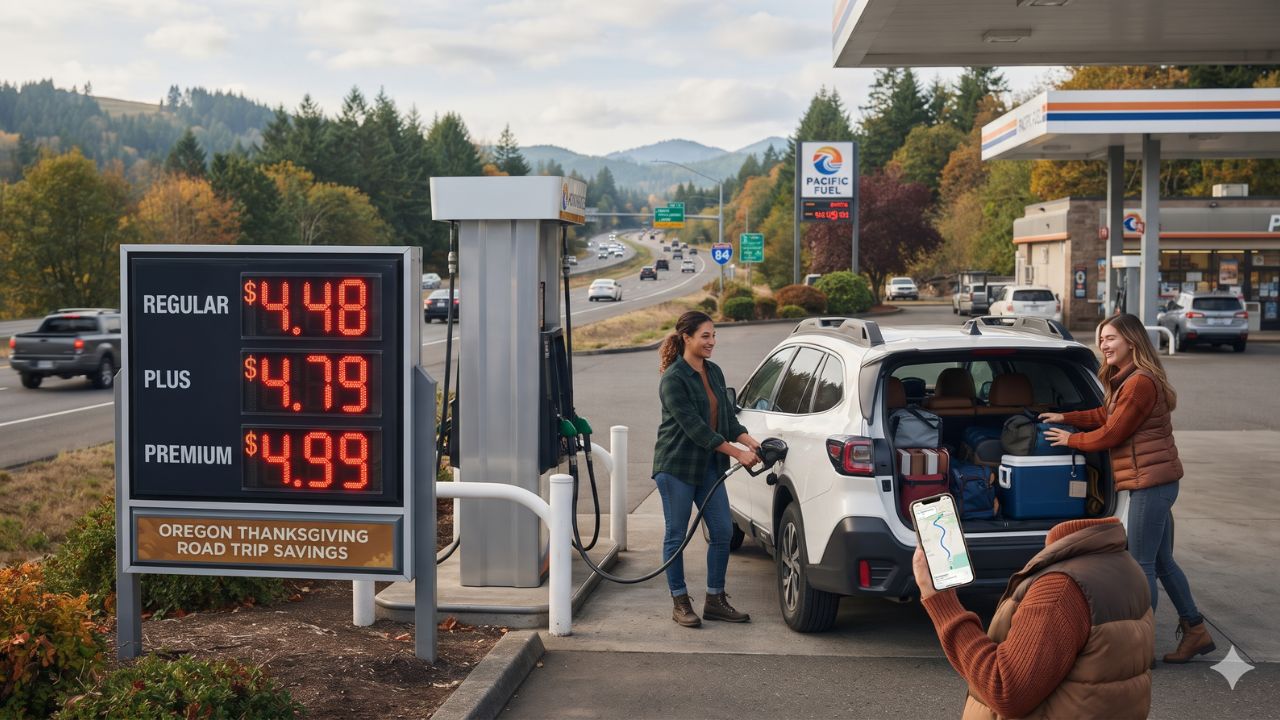
Oregon and Portland Thanksgiving Road Trip Guide 2026: Falling Gas Prices, I-5 Traffic, and Routes

Cheaper Than Florida: Cancun, Punta Cana, Cartagena, and Antigua Winter 2027 Flight Guide