Texas Road Transit Efficiency 2026: Traffic Delays Drop 11% Despite Rising Vehicle Demand

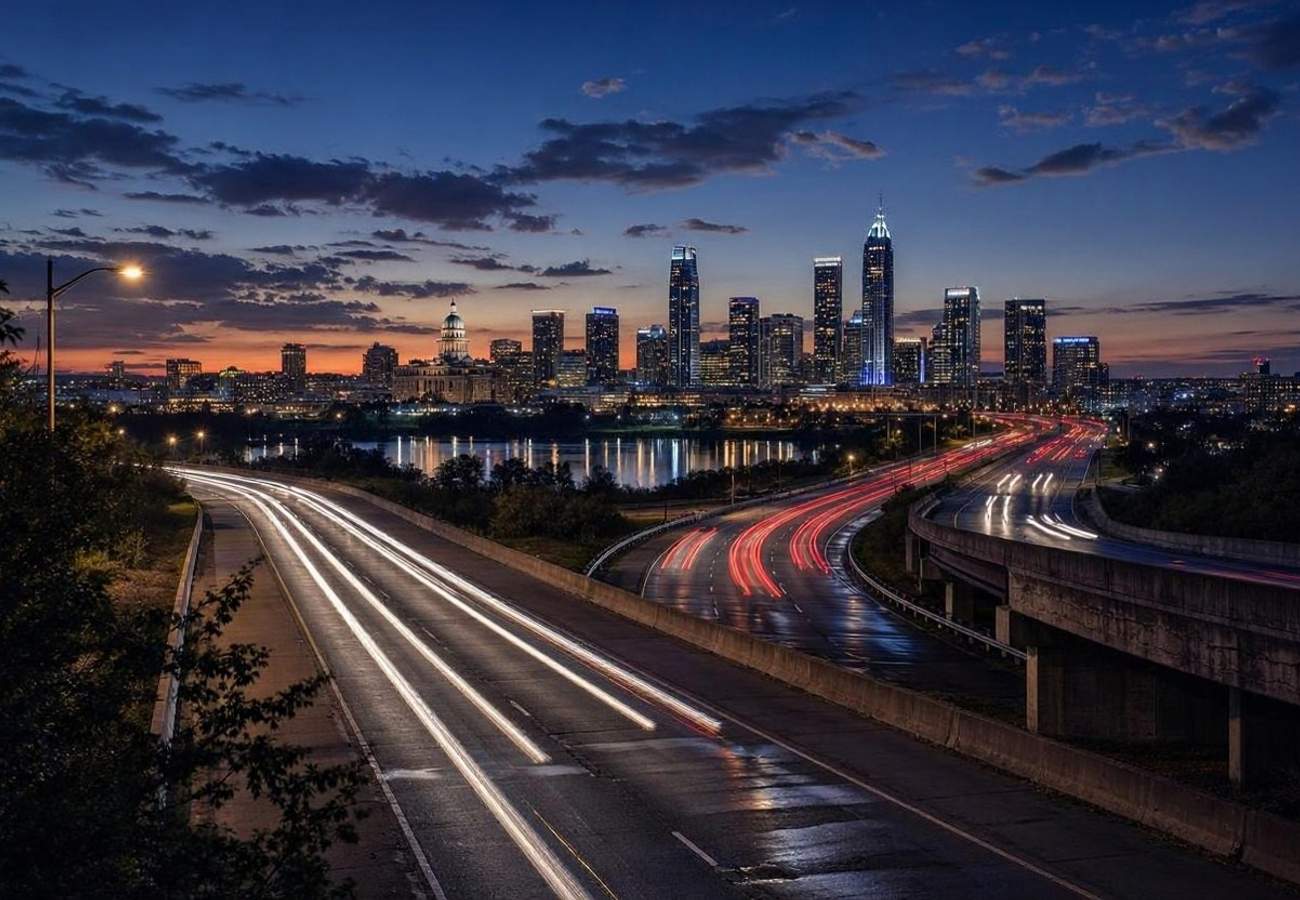
Image generated by AI
Planning a road trip or business circuit through the Lone Star State? You may find your transit times more predictable than in previous years, as recent data indicates a surprising decoupling of vehicle volume and road congestion.
The Texas Transit Shift: Lower Delays, Higher Volume
In an official report released on 19 November 2026, the Texas Department of Transportation (TxDOT) revealed a significant improvement in statewide road efficiency. Between 2017 and 2025, the state witnessed a 13% increase in total vehicle travel. Under normal circumstances, this surge in demand would lead to gridlock; however, statewide traffic delays actually decreased by 11% during this same window.
This shift has a tangible economic impact. TxDOT estimates that the reduction in congestion saved motorists approximately US$1.6 billion in fuel costs and lost time during 2025 when compared to the 2017 baseline. For the frequent traveler or logistics coordinator, this suggests that infrastructure investments and traffic management strategies are successfully absorbing higher volumes of traffic without proportionally increasing transit times.
Road Performance and Transit Metrics
The following data outlines the specific shifts in Texas road logistics as reported by TxDOT on 19 November 2026.
| Transport Indicator | Official Finding | Reporting Period |
|---|---|---|
| Statewide Vehicle Travel | Increased 13% | 2017–2025 |
| Statewide Traffic Delays | Decreased 11% | 2017–2025 |
| Estimated Time/Fuel Savings | US$1.6 billion | 2025 vs. 2017 Baseline |
| Reporting Authority | Texas Department of Transportation | 19 November 2026 |
| Geographical Scope | Texas Statewide Road Network | United States |
| Data Classification | Road Traffic and Congestion | Non-tourism specific |
Traveler Logistics Guide
While the statewide data is positive, the "average" does not apply to every mile of pavement. If you are coordinating transit across the Texas Triangle (Dallas, Houston, Austin, San Antonio), follow these operational steps to ensure your schedule remains intact.
1. Real-Time Routing vs. Historical Data Do not rely on the 11% delay reduction to plan your arrival times. Congestion remains highly localized. Use the DriveTexas.org portal for real-time road closures, construction alerts, and incident reports. This is the only way to verify if the statewide efficiency gains are currently active on your specific route.
2. The "Texas Triangle" Connection Strategy When moving between major hubs:
- Dallas to Houston: Account for heavy congestion around the I-45 corridor during morning and evening peaks.
- Austin to San Antonio: The I-35 corridor remains a high-volatility zone; always build in a 30-minute buffer for unexpected bottlenecks.
- Airport Transfers: For those landing at DFW or IAH, utilize ride-share apps but cross-reference with live maps to determine if alternative surface streets are faster than the main highway exits.
3. Freight and Commercial Transit For those managing logistics or business deliveries, the US$1.6 billion in savings highlights a more efficient environment for freight. However, ensure your drivers are utilizing electronic logging devices (ELDs) and planning stops at designated weigh stations to avoid adding artificial delays to these improved transit times.
4. Rental Car Logistics If renting a vehicle, prioritize those with integrated GPS and live traffic updates. Because Texas is vast, the difference between a "clear" highway and a "congested" one can be the difference between a 4-hour drive and a 6-hour drive.
Regional Connectivity Impact
The improvement in road efficiency reshapes how travelers can approach regional connectivity. With more predictable transit times, the feasibility of "hub-and-spoke" travel increases. Rather than staying in a single city, travelers can more reliably use a central hub (like Austin) to visit outlying cultural landmarks or national parks.
For business operators, this efficiency supports more aggressive scheduling for field visits and regional sales calls. The reduction in fuel waste and idling time directly lowers the overhead for commercial transport. However, it is essential to remember that these gains are statewide; individual urban bottlenecks in Houston or Dallas may still present significant challenges during peak holiday windows or major sporting events.
FAQ: Texas Road Transit 2026
Does the 11% delay reduction apply to all Texas cities? No. The figure is a statewide average. High-density urban corridors in cities like Houston and Dallas may still experience significant congestion regardless of the overall state trend.
How can I verify current road conditions before a trip? The most reliable method is using the official TxDOT DriveTexas system or real-time GPS navigation tools that provide live traffic overlays.
Will these improvements reduce my rental car fuel costs? While the state saw US$1.6 billion in collective savings, individual savings depend on your route. Less idling in traffic generally leads to better fuel efficiency.
Are there specific times when these efficiency gains disappear? Yes. Peak commuting hours, major holidays, and large-scale events in metropolitan areas can override the general trend of reduced delays.
Plan for the average, but prepare for the bottleneck.
Related Travel Guides
This article is for informational purposes. Flight routes, passenger regulations, visa rules, and transit advisories are subject to change by airlines and aviation authorities. Readers are advised to verify schedules and travel documentation with relevant carriers and border agencies before departure.
Related Stories

US East Coast Weather Alert: Potential Tropical Storm Kyle Impacts Travel from Georgia to New England 2026

US Travelers Face Bahrain Flight Disruptions: Aviation Security Risks and Passenger Rights 2026