Dubai Travel Insurance Risks 2026: Regional Tensions and Policy Exclusions for UAE Visitors


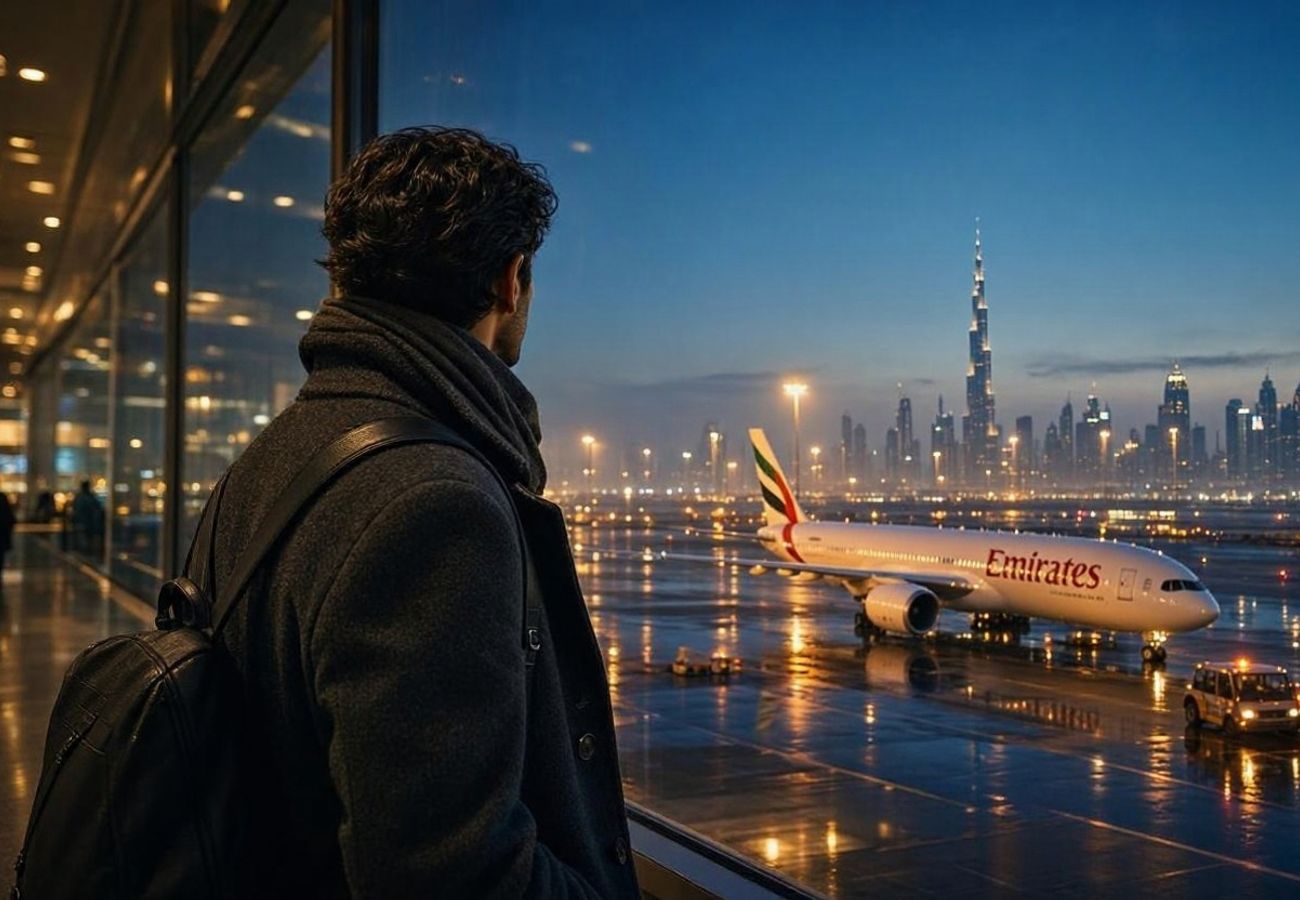
Image generated by AI
19.59 million international overnight visitors arrived in Dubai in 2025, representing a 5% growth over 2024 figures. While this trajectory suggests robust demand, a growing gap between tourism volume and financial protection is emerging. As regional tensions fluctuate, travelers are discovering that "comprehensive" insurance may not cover the specific security disruptions currently affecting the Gulf region.
The Gap Between Travel Advice and Insurance Coverage
The current friction for travelers stems from a misalignment between government travel advisories and private insurance contracts. In June 2026, the UK Foreign, Commonwealth & Development Office (FCDO) lifted its advice against all but essential travel to the UAE. However, the November 2026 guidance maintains warnings regarding unpredictable security conditions and potential aviation disruptions.
For the nomad or luxury traveler, this creates a legal gray area. Insurance providers often trigger "war or conflict" exclusions based on the actual state of regional security rather than the specific wording of a government's "non-essential travel" status. If a security incident occurs that is classified as an act of war or armed conflict, standard policies may void claims for emergency evacuation, additional accommodation, or trip cancellation.
Dubai Tourism Volume and Market Dynamics
Despite the security discourse, Dubai remains a primary global hub. The city's economic strategy, specifically the Dubai Economic Agenda D33, positions tourism as a cornerstone of its financial diversification. This makes the city highly resilient in terms of infrastructure, but it leaves the individual traveler exposed to the terms of their private contracts.
| Metric | 2024 Data | 2025 Data | Trend/Change |
|---|---|---|---|
| International Overnight Visitors | ~18.65 Million | 19.59 Million | +5% Increase |
| Primary Source Markets | Europe, South Asia, Gulf | Europe, South Asia, Gulf | Stable |
| Government Stance (UK) | Restricted (until June 2026) | Non-essential travel permitted | Liberalized |
| Key Economic Driver | Tourism Infrastructure | D33 Economic Agenda | Strategic Growth |
Expert Analysis: The "Known Event" Trap
For travelers booking routes to Dubai, the direct consequence of the current environment is the "Known Event" clause. Most insurers distinguish between an unforeseen emergency and a situation that was already a matter of public record at the time of policy purchase.
Because regional tensions are now a documented reality, insurers may argue that any disruption resulting from these tensions was "foreseeable." This means that purchasing a policy after the November 2026 security warnings may not provide coverage for events stemming from those specific tensions. The pricing pressure this creates means travelers may see a rise in "Cancel for Any Reason" (CFAR) premiums, as standard policies become less reliable for the UAE.
Furthermore, the distinction between a refund and compensation is critical. Under International Air Transport Association (IATA) standards and regional laws, an airline must provide a refund or rerouting if a flight is cancelled. However, they are rarely required to pay additional financial compensation if the cancellation is due to "extraordinary circumstances," which frequently includes security threats or airspace closures.
Key Takeaways
- Exclusion Scrutiny: Review policies specifically for "war, terrorism, or civil unrest" clauses, as these often override general cancellation coverage.
- Timing Matters: Insurance bought after regional tensions are publicized may be subject to "known event" exclusions.
- Package vs. Independent: UK residents booking via the Package Travel and Linked Travel Arrangements Regulations 2018 have stronger legal grounds for termination without fees during extraordinary circumstances than those booking flights and hotels separately.
- Refunds $\neq$ Compensation: While you are entitled to a refund or reroute for cancelled flights, "extraordinary circumstances" typically exempt airlines from paying additional cash compensation.
FAQ: Dubai Travel Security 2026
Will my travel insurance cover a flight cancellation due to regional conflict? Not necessarily. Many policies exclude "acts of war" or "armed conflict." You must verify if your policy includes specific coverage for political evacuation or security-related disruptions.
What are my rights if my flight to Dubai is cancelled? Depending on the airline and route, you are generally entitled to a full refund or rerouting to your destination. The airline should also provide meals and hotel accommodation during the wait.
Can I cancel my Dubai hotel booking without a penalty? This depends on the booking terms. Refundable rates offer the most flexibility. If you booked a package holiday, you may have more protection under consumer laws if extraordinary circumstances occur.
Is it currently safe to travel to Dubai? While the UK government allows non-essential travel, they warn of unpredictable security conditions. Always check the latest UAE Government official portals for entry requirements and local safety alerts.
The difference between a ruined vacation and a recovered investment is often found in the fine print of a policy exclusion.
Related Travel Guides
This article is for informational purposes. Flight routes, passenger regulations, visa rules, and transit advisories are subject to change by airlines and aviation authorities. Readers are advised to verify schedules and travel documentation with relevant carriers and border agencies before departure.
Related Stories
UK Eases UAE Travel Restrictions for Winter 2026 Amid Persistent Gulf Aviation Security Threats

US East Coast Weather Alert: Potential Tropical Storm Kyle Impacts Travel from Georgia to New England 2026