
Asia Aviation Crisis 2026: Monsoons and Typhoon Dolphin Trigger 6,639 Flight Delays and 212 Cancellations
Severe monsoon rains and Typhoon Dolphin have crippled Asian aviation hubs, resulting in 6,639 delays and 212 cancellations in a single day across Jakarta, Bangkok, and East Asia.

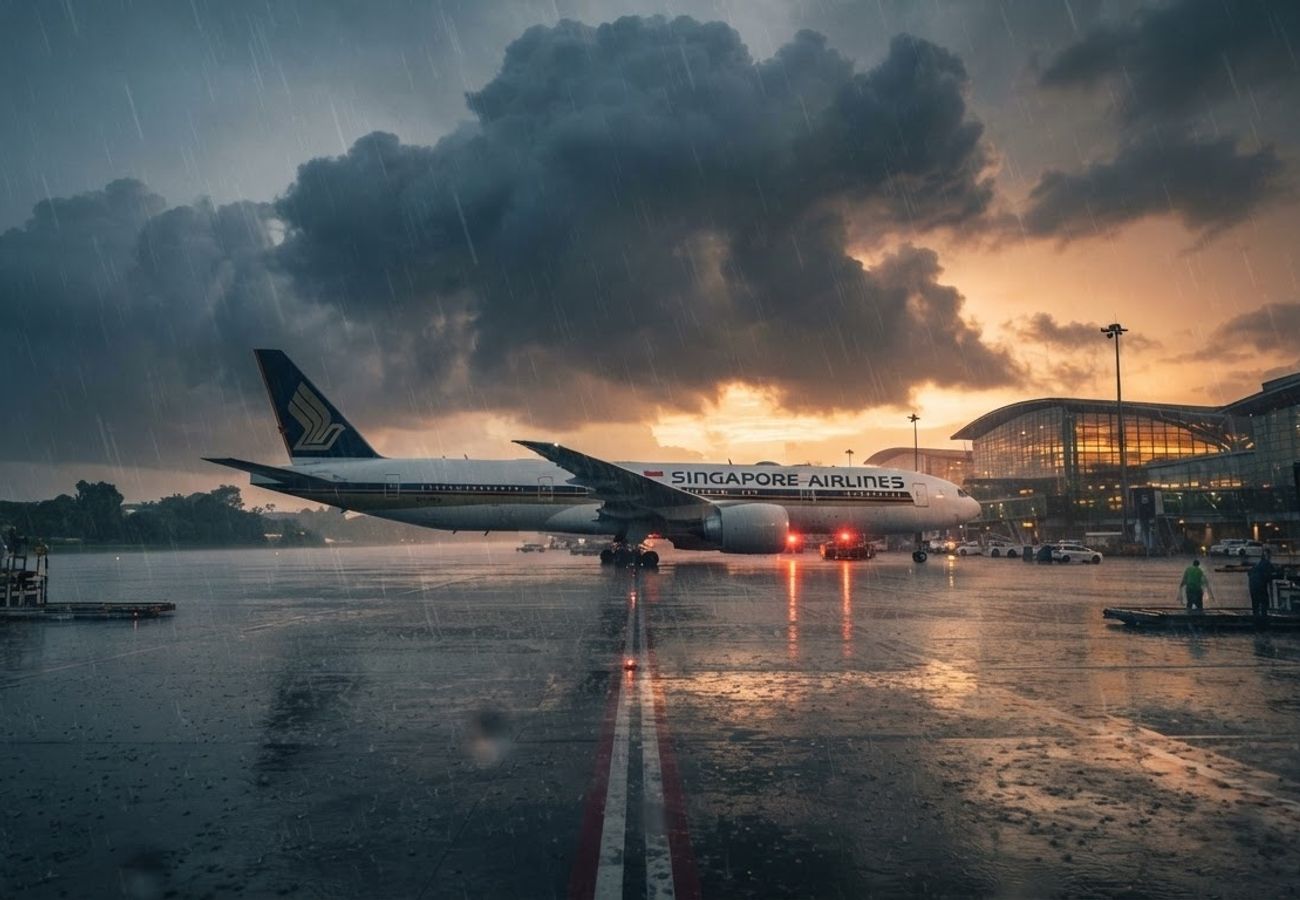
Image generated by AI
Severe weather systems have paralyzed Asian airspace, causing 6,639 delays and 212 cancellations in a single 24-hour window. Key hubs from Jakarta to Tokyo are experiencing systemic failures as monsoon rains and typhoon remnants collide with peak travel demand.
Regional Aviation Breakdown
Operational data indicates a massive spike in disruptions driven by a convergence of the southwest monsoon and the lingering effects of Typhoon Dolphin. The ASEAN Climate Outlook Consensus Bulletin for June–August 2026 had previously projected stronger-than-average monsoon activity, a forecast now manifesting in sustained heavy downpours and critical visibility reductions across South and Southeast Asia.
The scale of the disruption is not limited to a single region but spans a corridor from the Gulf to East Asia. While Typhoon Dolphin’s landfall in eastern China triggered phased suspensions earlier in August, the current instability is characterized by overlapping weather cells that eliminate operational flexibility at capacity-strained hubs.
Flight and Airport Impact Analysis
Our analysis of aviation tracking reports identifies the following primary nodes of disruption:
- Jakarta Soekarno Hatta International Airport: A primary epicenter of the crisis. Data from August shows daily cancellations frequently exceeding 150, peaking at 212 cancellations on 16 August 2026.
- Bangkok Suvarnabhumi & Don Mueang: Thousands of monthly cancellations reported, with specific late-August dates approaching 200 cancellations per day.
- China (Guangzhou Baiyun, Shanghai Pudong, Beijing Capital): Earlier summer storms resulted in nearly 7,000 disruptions over several days; these hubs continue to propagate delays across long-haul routes.
- Tokyo Haneda: Frequent appearances at the top of daily delay rankings due to storm bands hitting the Kanto region, impacting both domestic and regional shuttles.
- Gulf Hubs: Secondary delays are mounting in Middle Eastern transit points as late arrivals from Asia compress connection windows for passengers traveling to Europe and North America.
Passenger Rights and Recovery Advisory
For the affected passenger, weather-related disruptions create a complex legal landscape regarding compensation. Our analysis of current aviation policies suggests the following:
Compensation Eligibility Under most frameworks, including EU261/2004 (for flights departing the EU or arriving in the EU on an EU carrier), "extraordinary circumstances" such as monsoons and typhoons generally exempt airlines from paying cash compensation for delays or cancellations.
The Right to Care Regardless of the cause (weather or technical), passengers are typically entitled to a "Duty of Care." For the affected passenger, this means:
- Communication: Access to two phone calls, emails, or faxes.
- Subsistence: Vouchers for food and refreshments proportional to the waiting time.
- Accommodation: Hotel lodging and transport between the airport and hotel if an overnight stay becomes necessary.
Rebooking and Refunds If a flight is cancelled, passengers must be offered a choice between a full refund or re-routing to their final destination at the earliest opportunity. We advise passengers to avoid accepting travel vouchers if a cash refund is legally mandated by their national aviation authority or the DOT.
Industry Analyst Perspective
The current crisis reveals a dangerous intersection between seasonal weather and structural fragility. Over the last 24 months, Asian carriers have aggressively expanded capacity to meet surging demand, yet runway and air traffic control (ATC) infrastructure has not scaled proportionally.
Many hubs are now operating with zero scheduling slack. When a thunderstorm forces a temporary reduction in movements per hour, the lack of buffer creates a rolling delay effect. This is exacerbated by the high frequency of "turns" for short-haul aircraft; a two-hour delay on a morning flight in Jakarta can derail four subsequent flights throughout the day.
Furthermore, data from hubs as far as Sydney indicates that carriers are concentrating traffic on specific city pairs to offset rising fuel costs and regional conflicts. This concentration increases the volatility of the network; when a core hub like Bangkok or Tokyo closes, the ripple effect is magnified across the entire global grid.
Travelers should anticipate elevated risks through September as the regional monsoon weakens.
Related Travel Guides
Disclaimer
This article is for informational and educational purposes only. It does not constitute legal, financial, or professional advice. While we strive to provide accurate and up-to-date information, travel policies, regulations, and conditions change rapidly. Always verify information with official sources before making travel decisions. Nomad Lawyer makes no representations about the accuracy, reliability, completeness, or suitability of the information provided. Readers should consult qualified professionals for advice specific to their circumstances. The views expressed in this article are those of the author and do not necessarily reflect the views of Nomad Lawyer.
Raushan Kumar
Founder & Lead Developer
Full-stack developer with 11+ years of experience and a passionate traveller. Raushan built Nomad Lawyer from the ground up with a vision to create the best travel and law experience on the web.
Learn more about our team →