
UN Tourism World Tourism Day 2026: How AI is Redefining Global Travel Discovery and Booking
World Tourism Day 2026 examines the AI revolution in travel, focusing on how digital transformation shifts the power from professional bookers to end-users while challenging industry governance.

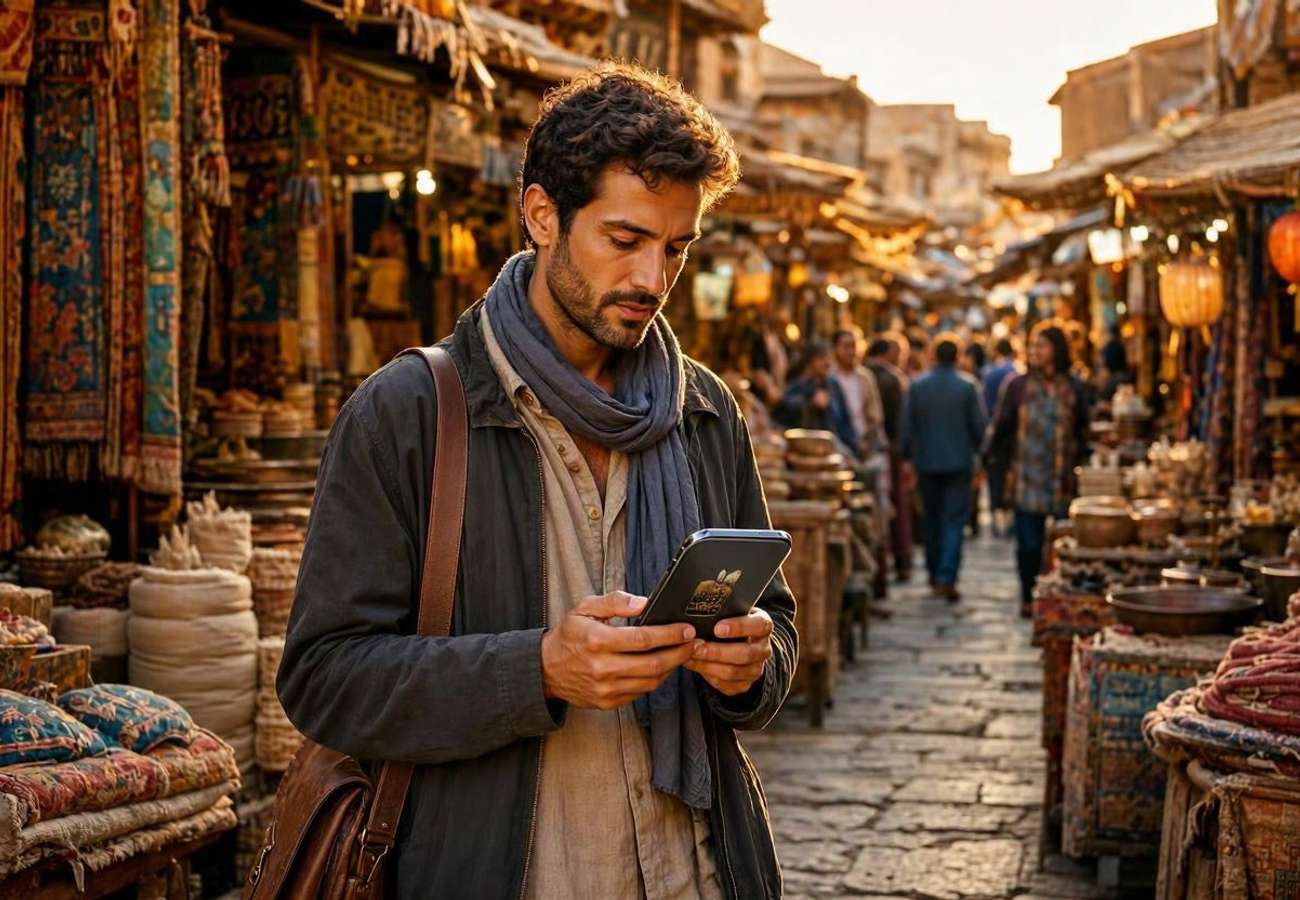
Image generated by AI
The era of the professional travel agent as the sole gatekeeper of luxury experiences is officially over. For the first time in the history of global movement, the tools once reserved for elite industry insiders—complex booking engines, deep-tier pricing, and curated itinerary software—are now in the palms of the average traveler, powered by an AI revolution that is moving faster than the laws designed to govern it.
The Digital Pivot of World Tourism Day 2026
On September 27, UN Tourism will observe World Tourism Day 2026, centering the global conversation on the intersection of digitalization and artificial intelligence. This isn't just about chatbots answering FAQs; it is a systemic examination of the entire travel value chain. From the back-end logistics of hotel management to the front-end psychology of how a traveler chooses their next destination, the industry is undergoing a fundamental rewrite.
To prepare for this milestone, Belvera Partners convened a panel of heavyweights from the B2B travel tech space to dissect this shift. The discussion featured Daniel Pino, CEO and Co-Founder of Aloja, Ivonne Arriola, Managing Director of Connect by PriceTravel Holding, and Catt McLeod, Vice President of Elegant Hotels of the World (part of the HotelREZ network). Their consensus was clear: while technology has been a companion to travel for decades, AI is now the driver.
What Makes the AI Shift Different
In previous decades, "digitalization" meant moving a paper brochure to a PDF or a phone call to an email. The current shift is qualitatively different because AI is altering the cognitive process of travel discovery.
According to Daniel Pino, AI is poised to transform nearly every operational aspect of the industry—from how companies maximize profitability to how guests discover activities—while leaving the "actual experience" of the destination as the only remaining human sanctuary. The friction of booking is disappearing, but the risk is a loss of serendipity.
Ivonne Arriola points out that the real power of AI lies in the speed of information processing. We are moving past generic recommendations into a world of hyper-personalization, where the system doesn't just know you like "beaches," but understands the specific atmospheric and cultural nuances you seek based on real-time data processing.
Catt McLeod highlighted a democratic shift in the industry. Historically, the "secrets" of high-end hospitality and complex logistics were held by professional bookers. Today, the end guest has the same analytical power as a seasoned agent, fundamentally changing the power dynamic between the service provider and the consumer.
Visitor Insider Tips
For the modern traveler navigating this AI-driven era, the goal is to use the technology to handle the logistics while protecting the authenticity of the trip.
- Audit Your AI Recommendations: AI often leans on high-volume data, which can lead to "algorithmic tourism"—where everyone is sent to the same three "Instagrammable" spots. To avoid crowds, use AI to find the general region, then switch to local forums or physical maps to find the specific street or cafe.
- The Human Loop: When booking through AI-driven platforms, always verify the "human element." Check if the hotel or tour operator has a direct line of communication. As the industry automates, the most valuable luxury becomes direct human contact.
- Timing the Tech: Use dynamic pricing tools (like those developed by Aloja) to track activity costs. If you see a dip in bookings for a high-demand period, it may be an algorithmic anomaly—book immediately.
- Digital Literacy for Locals: If you are visiting less-developed regions, be mindful that the digital divide is real. While you may have an AI-planned itinerary, the local provider may still rely on cash and handwritten ledgers. Carry physical backups of all digital vouchers.
Cultural and Environmental Context
The rapid ascent of AI in tourism brings a precarious tension between efficiency and ethics. A recurring theme in the World Tourism Day 2026 discussions is the "regulation gap." Ivonne Arriola noted that AI development has far outpaced the legal frameworks required to manage it. This creates risks regarding data privacy and the potential for algorithmic bias to steer tourists away from certain cultures or toward over-commercialized zones.
The United Nations World Tourism Organization (UNWTO) celebrates World Tourism Day on September 27, highlighting the role of innovation and digital technologies in tourism development, with a focus on how Artificial Intelligence (AI) is transforming the travel industry, as outlined on the UNWTO website. This year's theme emphasizes the need for sustainable and responsible tourism practices, leveraging AI to enhance the traveler experience. By embracing AI-powered solutions, the tourism sector can improve its competitiveness and contribute to achieving the Sustainable Development Goals.
There is also a significant concern regarding inclusive growth. Catt McLeod emphasized that innovation must not leave behind less-developed regions. If the "smart tourism" revolution only benefits major hubs like Paris, Tokyo, or New York, the economic divide in global travel will widen. The challenge for UNESCO and other heritage bodies is to ensure that AI promotes the preservation of authentic culture rather than turning historic sites into optimized "content factories" for social media.
Furthermore, the environmental impact of AI—specifically the massive energy requirements of the data centers powering these LLMs—stands in contradiction to the industry's push for sustainability. The future of tourism depends on whether we can balance the convenience of a "smart" journey with the carbon cost of the technology that plans it.
FAQ: Visiting Global Destinations 2026
How is AI changing the way I should book my 2026 trips? You can now use AI for hyper-personalized itinerary planning, but be wary of "algorithmic bubbles." Use AI for the framework, but verify specific local details through human sources to avoid overcrowded, AI-recommended traps.
Will AI replace human tour guides and hotel staff? Industry leaders suggest AI will handle the "friction" (bookings, check-ins, scheduling), but the core value of tourism remains human connection. The "actual experience" remains a human-centric endeavor.
Is my data safe with these new AI travel tools? Governance is still catching up to technology. It is recommended to use platforms with clear data protection policies and to be cautious about the amount of personal preference data shared with third-party AI planners.
How can I ensure my travel supports local communities in the AI era? Seek out "human-in-the-loop" experiences. Prioritize booking directly with local operators or using platforms that explicitly mention inclusive economic development and fair wages for local guides.
The machine can plan the route, but it can never feel the wind on the coast or the heat of a street market.
Related Travel Guides
Disclaimer
This article is for informational and educational purposes only. It does not constitute legal, financial, or professional advice. While we strive to provide accurate and up-to-date information, travel policies, regulations, and conditions change rapidly. Always verify information with official sources before making travel decisions. Nomad Lawyer makes no representations about the accuracy, reliability, completeness, or suitability of the information provided. Readers should consult qualified professionals for advice specific to their circumstances. The views expressed in this article are those of the author and do not necessarily reflect the views of Nomad Lawyer.
Naina Thakur
Contributor & Travel Specialist
Travel enthusiast and legal writer covering visa regulations, responsible tourism, and cultural journeys across global destinations.
Learn more about our team →