
Taiwan Launches NT$3.33 Billion Tourism Drive to Attract International Visitors Beyond Major Cities in 2026
Taiwan introduces a NT$3.33 billion incentive program to decentralize tourism, offering accommodation subsidies and free guided tours to attract global visitors to rural regions.

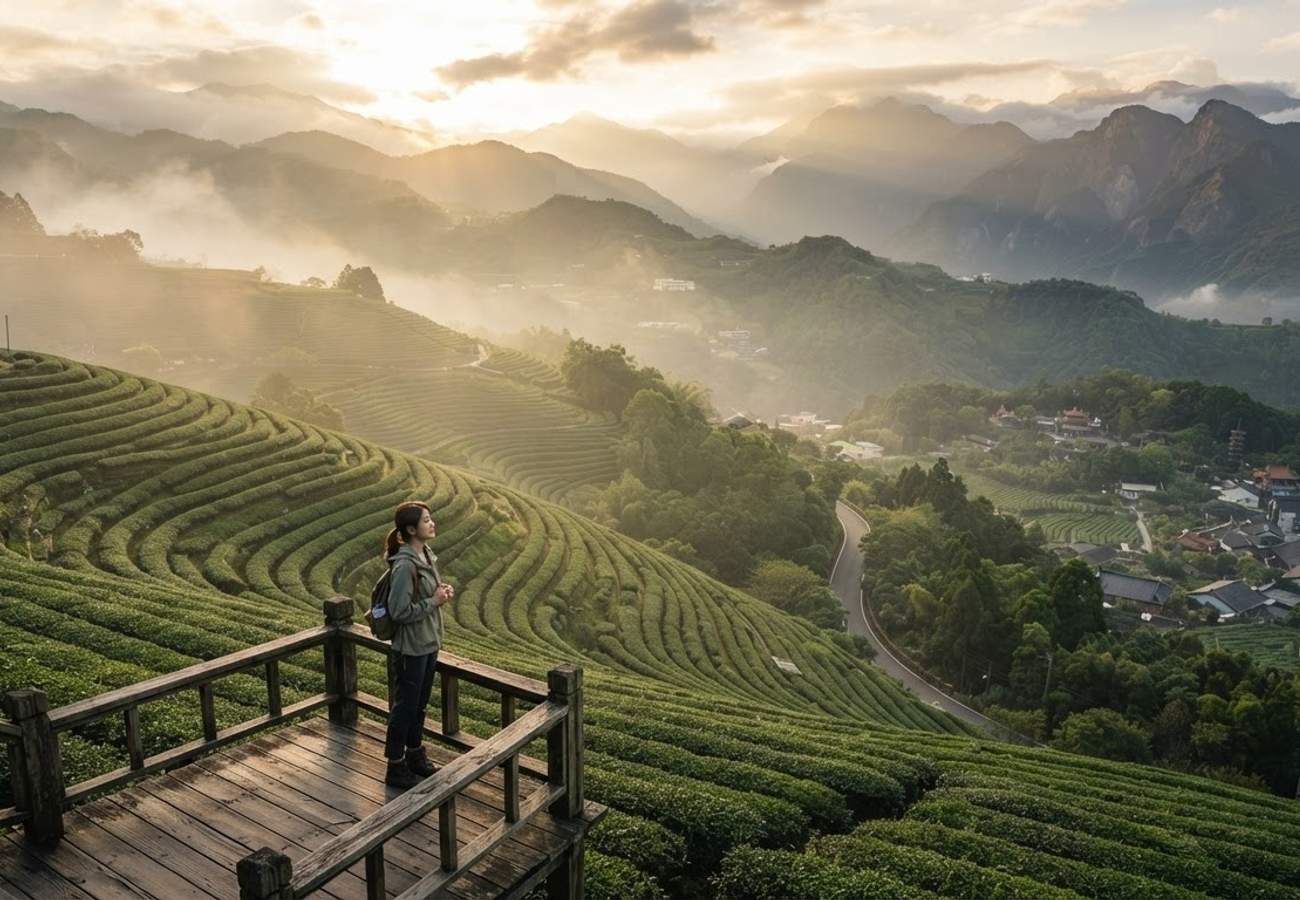
Image generated by AI
Taiwan is deploying a NT$3.33 billion (approximately US$104 million) strategic incentive program to divert international tourist traffic from saturated urban centers toward rural prefectures. The initiative specifically targets the autumn travel window to stabilize weekday demand and reduce peak-period congestion.
The Taiwan Tourism Administration has initiated this large-scale financial campaign to restructure the island's tourism economy. By offering a combination of accommodation subsidies, travel credit lotteries, and complimentary guided experiences, the government aims to extend the average length of stay and distribute economic benefits to smaller communities and agricultural zones.
This move comes as Asian destinations intensify competition for global market share. Taiwan's strategy shifts from general destination marketing to targeted financial incentives that lower the barrier for overseas visitors to venture beyond Taipei and other primary hubs.
Strategic Incentive Framework and Distribution
The program is designed to address specific systemic challenges in Taiwan's current tourism model, most notably the heavy concentration of visitors during weekends and the over-reliance on major city infrastructure.
| Tourism Incentive | Primary Objective | Target Impact |
|---|---|---|
| Accommodation Subsidies | Encourage weekday hotel stays | Reduction in weekend hotel price spikes |
| Free Guided Bus Tours | Facilitate regional exploration | Increased footfall in rural prefectures |
| Travel Credit Lotteries | Stimulate local spending | Higher average transaction value per visitor |
| Promotional Campaigns | Market awareness in global hubs | Diversification of visitor demographics |
Regional Diversification and Infrastructure Focus
The administration is prioritizing the promotion of "Hidden Taiwan," focusing on four primary regional archetypes to ensure a more balanced distribution of visitors.
- Mountain Regions: Focus on high-altitude hiking, nature reserves, and scenic landscapes.
- Coastal Areas: Promotion of marine activities, seafood gastronomy, and beach tourism.
- Rural Communities: Emphasis on local traditions, indigenous heritage, and cultural immersion.
- Agricultural Zones: Development of farm-to-table tourism and agritourism experiences.
To bridge the accessibility gap, the government has introduced complimentary guided bus tours. This directly addresses the primary deterrent for international travelers: the perceived difficulty of navigating regional transportation networks without fluency in local languages.
Operational Goals for the Autumn Season
The autumn window is being treated as a strategic growth opportunity. With cooler temperatures and a calendar of cultural festivals, the administration is using the following metrics to gauge success:
| Autumn Goal | Expected Operational Result |
|---|---|
| Weekday Travel Shift | Optimized utilization of existing tourism capacity |
| Rural Distribution | Decreased pressure on Taipei's transport and hotel grids |
| Stay Extension | Increased total tourism expenditure per capita |
| Local Operator Support | Revenue growth for small-scale regional businesses |
Traveler Logistics Guide: Navigating Taiwan’s 2026 Incentives
From a ground-level perspective, the best way to navigate this new system is to align your itinerary with the "weekday" subsidy window. To maximize the benefits of the NT$3.33 billion drive, travelers should adopt the following logistics strategies:
Booking and Timing Avoid scheduling your primary regional excursions on Saturdays or Sundays. By shifting your rural visits to Tuesday through Thursday, you are more likely to qualify for accommodation subsidies and find availability for the free guided bus tours.
Navigating Regional Transit While the free guided tours are a significant advantage, those preferring independent travel should utilize the Taiwan Railway (TRA) and the High Speed Rail (HSR) for primary legs, then pivot to the government-sponsored shuttle services for the "last mile" into rural communities.
Digital Integration and Customs Ensure all travel documents are updated via official government portals. For those entering Taiwan, utilizing digital arrival cards and checking for updated e-visa requirements via the Bureau of Consular Affairs will streamline the entry process, allowing more time to utilize the regional incentives.
Managing the "Hidden Destination" Gap Information gaps remain the biggest hurdle. Travelers should cross-reference official Taiwan Tourism Administration guides with local regional operator websites to identify which specific rural prefectures are currently offering the highest subsidies.
Infrastructure and Economic Impact Assessment
This shift toward decentralization is expected to provide a critical economic lift to small businesses in rural communities that have historically seen little benefit from the tourism boom in Taipei. By reducing the pressure on urban infrastructure, Taiwan is mitigating the risk of "overtourism" while simultaneously building a more resilient, diversified tourism product.
The focus on repeat visitors is also a key component of the 2026 strategy. By offering a completely different experience—shifting from the neon lights of Ximending to the quietude of the central mountain ranges—Taiwan is positioning itself as a multi-visit destination rather than a one-time checklist stop.
Taiwan is effectively trading short-term urban convenience for long-term regional sustainability.
Related Travel Guides
Disclaimer
This article is for informational and educational purposes only. It does not constitute legal, financial, or professional advice. While we strive to provide accurate and up-to-date information, travel policies, regulations, and conditions change rapidly. Always verify information with official sources before making travel decisions. Nomad Lawyer makes no representations about the accuracy, reliability, completeness, or suitability of the information provided. Readers should consult qualified professionals for advice specific to their circumstances. The views expressed in this article are those of the author and do not necessarily reflect the views of Nomad Lawyer.
Kunal K Choudhary
Co-Founder & Contributor
A passionate traveller and tech enthusiast. Kunal contributes to the vision and growth of Nomad Lawyer, bringing fresh perspectives and driving the community forward.
Learn more about our team →