
Estonia Travel Surge Powers Saaremaa Island Cycling and Summer Tourism Boom
Stronger ferry traffic and a surge in multi-island cycling routes over 100 km drive record summer tourism across Saaremaa and Kuressaare.

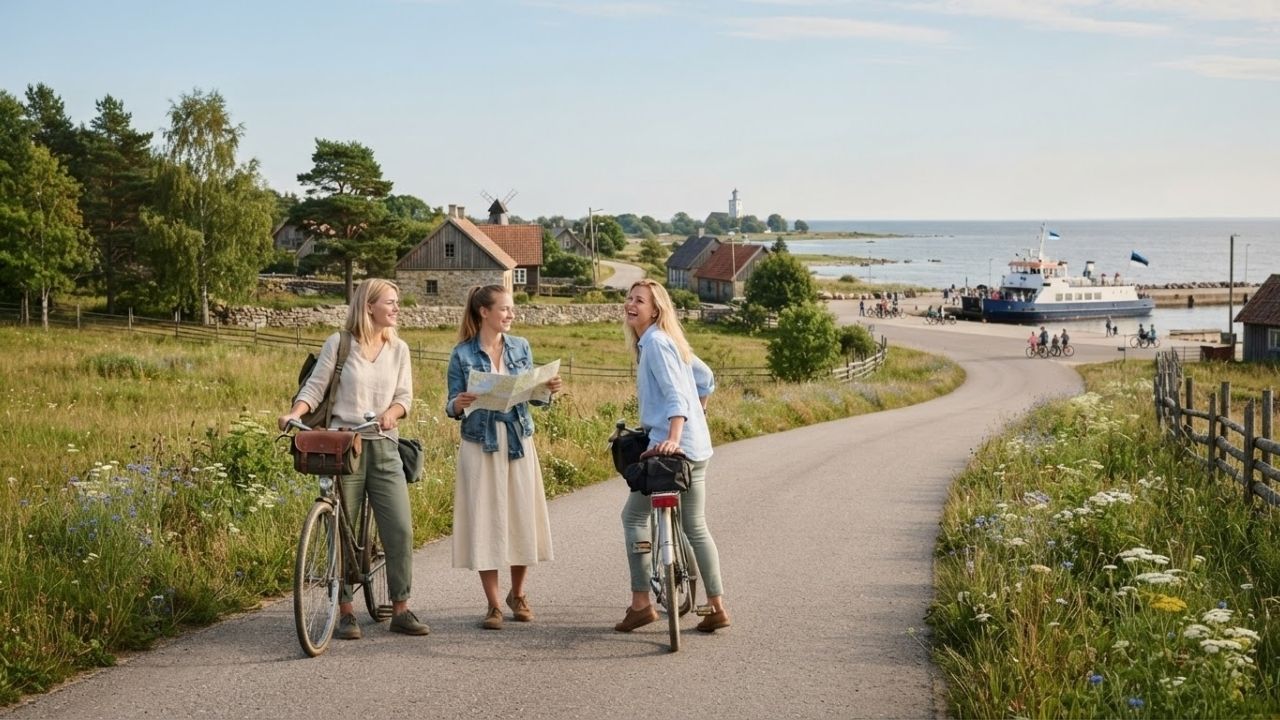
Image generated by AI
Estonia’s expanding tourism boom is driving a major visitor surge across Saaremaa, as increased mainland ferry capacity and surging demand for multi-island cycling holidays bring record numbers of domestic and international travelers to Western Estonia. With cycling itineraries exceeding 100 kilometers across Saaremaa and neighboring Hiiumaa, local hospitality sectors in Kuressaare report an earlier start to the peak summer season.
[TALLINN, Estonia, Sept. 1, 2026] — Official passenger statistics and ferry traffic monitoring confirm a substantial rise in visitor numbers traveling to Saaremaa, establishing the island as a primary driver of Estonia’s summer tourism growth. According to operational data from maritime transport links and official tourism benchmarks published by Visit Estonia, increased passenger and vehicle transport from the Estonian mainland has energized local businesses across the Western Estonian archipelago.
The summer surge reflects a growing global shift toward slow travel, active outdoor recreation, and nature-focused holidays removed from crowded urban hubs. Increased visitor footfall has provided commercial opportunities for regional lodging providers, food services, equipment repair shops, and transport operators throughout the island.
Ferry Traffic Growth Links Mainland Estonia to Western Island Gateways
Maritime ferry services operate as the vital transport lifeline connecting mainland Estonia with Saaremaa, carrying residents, seasonal workers, passenger vehicles, and international holidaymakers. Recent passenger volume figures indicate sustained growth in cross-strait crossings, providing clear empirical evidence of heightened visitor demand.
Reliable, high-frequency ferry schedules managed by maritime operators like Praamid Ferry Services have enabled seamless access for visitors traveling with private vehicles and bicycles. This improved transport reliability allows travelers to explore remote coastal stretches, nature reserves, and rural villages across the island without logistical bottlenecks.
Multi-Island Cycling Routes Spanning 100 Kilometers Boost Outdoor Tourism
Active cycling tourism has emerged as a major growth segment across Western Estonia. An increasing proportion of visitors arrive with bicycles or rent equipment upon arrival, reflecting a broader preference for eco-friendly, exercise-oriented travel itineraries.
Cycle touring routes frequently originate in the national capital of Tallinn before extending west toward the islands. Popular long-distance itineraries combine Saaremaa with neighboring Hiiumaa, with individual cycle journeys frequently covering more than 100 kilometers across paved rural roadways and scenic coastal paths.
This decentralization of visitor traffic benefits small rural communities outside major urban centers. Cyclists stop frequently at local guest houses, roadside eateries, and regional heritage sites, distributing tourist spending directly into island micro-economies.
Domestic and International Traveler Mix Diversifies Island Economics
The expansion of Saaremaa's visitor base is supported by a balanced distribution of domestic and foreign travelers. Domestic tourism remains a foundation of island commerce, as Estonian residents leverage proximity for repeat visits and weekend getaways outside the traditional peak summer weeks.
Concurrently, international arrivals from Nordic and Western European markets continue to rise. Foreign travelers seeking quiet nature reserves, coastal landscapes, and low-density destinations enhance Saaremaa’s profile within European eco-tourism markets.
This dual demographic mix protects the regional tourism economy from reliance on any single market segment, sustaining commercial activity across diverse price points and travel styles.
Hospitality Venues in Central Kuressaare Report Early Peak Visitor Activity
Commercial impact is especially evident in Kuressaare, Saaremaa’s principal urban center and historic fortress city. Local hospitality operators report that high visitor density began earlier in the season than historical averages, effectively lengthening the revenue-generating window for regional businesses.
In central Kuressaare, outdoor dining venues experienced seating queues early in the summer season, signaling a strong concentration of visitor footfall. Extending the active summer window allows operators to maintain seasonal employment, invest in service upgrades, and plan extended shoulder-season operations.
Key Tourism Directives and Infrastructure Benchmarks
- Cycling Route Distance: Multi-island itineraries across Saaremaa and Hiiumaa routinely exceed 100 kilometers.
- Transport Connectivity: High-frequency car and passenger ferry links connect mainland ports directly to Kuressaare access corridors.
- Geographic Scope: Combined archipelago travel incorporates Saaremaa, Hiiumaa, and the broader UNESCO Biosphere Reserve network.
- Urban Concentration: Hospitality businesses in central Kuressaare recorded peak summer occupancy weeks ahead of traditional seasonal timelines.
Key Tourism Indicators and Infrastructure Metrics
| Tourism Indicator / Sector | Operational Catalyst | Economic & Regional Impact |
|---|---|---|
| Ferry Passenger Volume | High-frequency mainland-to-island maritime schedules | Increases overall visitor throughput across Western Estonia |
| Long-Distance Cycling | 100+ km multi-island routes (Tallinn–Saaremaa–Hiiumaa) | Distributes tourist spending into small rural homesteads & cafes |
| Urban Hospitality Footfall | Early seasonal surge in central Kuressaare | Lengthens peak revenue window for restaurants & accommodation |
| International Market Share | Growing demand from Nordic & European eco-travelers | Diversifies market dependency beyond seasonal domestic travel |
Infrastructure Development and Public-Private Transport Planning
To convert seasonal visitor momentum into long-term economic growth, local municipal authorities and tourism boards are focusing on targeted infrastructure enhancements. Regional development plans emphasize expanding dedicated cycle paths, improving route signage, and establishing secure bicycle storage facilities near ferry terminals and heritage sites.
Integrating bicycle transport with public bus networks and ferry schedules remains a priority for regional transport planners. Providing charging stations for electric bicycles and expanding roadside repair points will lower technical barriers for long-distance cyclists exploring the island.
Cooperation between regional government bodies and private hospitality businesses is essential to develop structured multi-day cycling packages, guided nature excursions, and cultural heritage itineraries that encourage visitors to extend their average length of stay.
Industry Impact Analysis: Transitioning Seasonal Momentum into Year-Round Growth
Saaremaa’s strong summer performance demonstrates the viability of active, low-impact tourism models for island destinations across Europe. By positioning cycling and nature exploration as core destination assets, Saaremaa successfully attracts high-value travelers who prioritize environmental quality and cultural authenticity over mass-market attractions.
However, destination analysts emphasize that maintaining long-term competitiveness requires expanding shoulder-season offerings. Developing autumn wellness retreats, spring birdwatching itineraries, and winter cultural events will help smooth seasonal income fluctuations for island businesses.
Investing in sustainable transport infrastructure and digital route mapping ensures that Saaremaa can scale visitor numbers without overwhelming local ecosystems or rural road networks.
Why This Matters: Essential Takeaways for Active Island Travelers
For travelers planning visits to Saaremaa and the Western Estonian archipelago, understanding regional travel dynamics ensures a smooth itinerary:
- Plan Multi-Island Cycling Routes: Interconnected ferry routes make it easy to combine Saaremaa and Hiiumaa into a single cycling itinerary covering over 100 kilometers.
- Reserve Ferry Tickets in Advance: High demand during peak summer weekends makes advance vehicle and bicycle reservations on mainland ferries essential.
- Explore Beyond Kuressaare: While Kuressaare offers historic fortifications and dining, cycling into rural coastal villages provides quieter roads and authentic local guest houses.
- Take Advantage of Extended Seasons: Visiting during early summer or late spring offers full access to local services while avoiding peak dining queues in Kuressaare.
Frequently Asked Questions
How do visitors reach Saaremaa with bicycles?
Cyclists can take direct passenger ferries from mainland Estonia to Saaremaa. Many travelers start cycling in Tallinn and travel west to the ferry ports, carrying their bicycles onboard for island exploration.
What is the average distance for cycling tours across Saaremaa and Hiiumaa?
Popular multi-island cycle routes across Saaremaa and neighboring Hiiumaa typically cover more than 100 kilometers, following paved rural roads and scenic coastal paths.
When does the peak summer tourism season begin in Kuressaare?
While peak tourism traditionally centers on mid-summer, recent visitor data shows high occupancy and busy hospitality venues starting weeks earlier in late spring and early summer.
What facilities are available for cycling tourists on Saaremaa?
Saaremaa offers expanding cycling infrastructure, including dedicated bike paths near Kuressaare, roadside repair points, lodging with secure bicycle storage, and rental services throughout the island.
Related Travel Guides
Disclaimer
This article is for informational and educational purposes only. It does not constitute legal, financial, or professional advice. While we strive to provide accurate and up-to-date information, travel policies, regulations, and conditions change rapidly. Always verify information with official sources before making travel decisions. Nomad Lawyer makes no representations about the accuracy, reliability, completeness, or suitability of the information provided. Readers should consult qualified professionals for advice specific to their circumstances. The views expressed in this article are those of the author and do not necessarily reflect the views of Nomad Lawyer.
Raushan Kumar
Founder & Lead Developer
Full-stack developer with 11+ years of experience and a passionate traveller. Raushan built Nomad Lawyer from the ground up with a vision to create the best travel and law experience on the web.
Learn more about our team →