
UK Airspace Chaos 2026: Software Defect at NATS Triggers Over 2,000 Flight Cancellations
A rare software defect within the UK's National Air Traffic Services (NATS) caused massive airspace restrictions on September 8, 2026, leading to over 2,000 cancelled flights and systemic network delays.

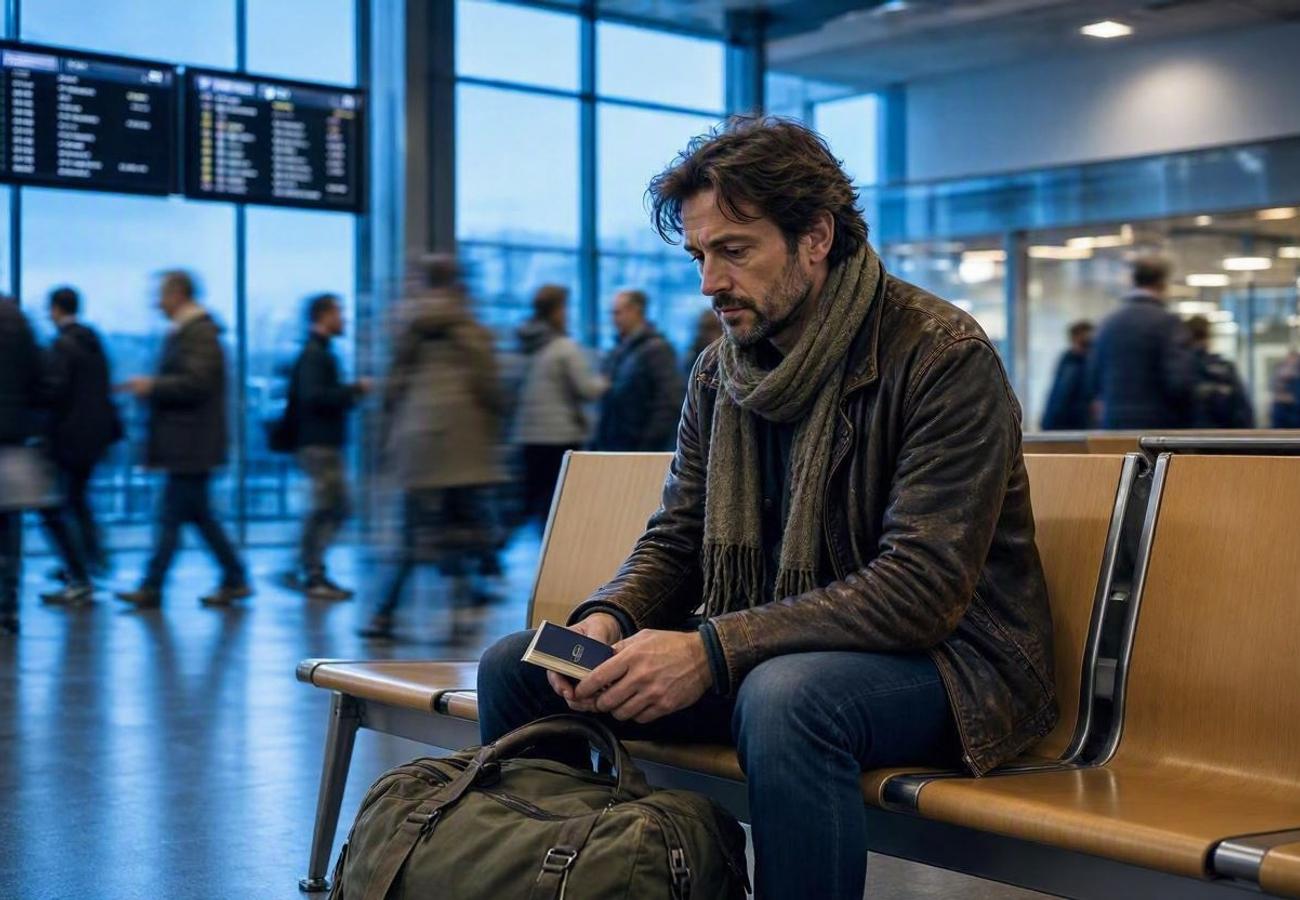
Image generated by AI
A single high-priority message arriving at the exact wrong millisecond was enough to paralyze the skies over Britain. On September 8, 2026, a rare technical glitch within the UK's air traffic management system triggered a cascade of failures that resulted in more than 2,000 flight cancellations and left thousands of travelers stranded across the country.
The Glitch That Grounded the UK
The disruption centered on the National Air Traffic Services (NATS), the entity responsible for the safe movement of aircraft across British airspace. According to a preliminary report from NATS, the crisis was sparked by a software defect rather than human error. The failure occurred during a specific sequence of events: a controller was manually requesting a code for an aircraft when the system simultaneously received a separate message flagged as a higher priority.
This interaction caused the system to pause the original request. While this may sound like a minor lag, the result was a significant reduction in the flight data available to air traffic controllers. To maintain safety standards, NATS was forced to implement immediate capacity restrictions. Although the technical fault primarily affected high-altitude flights managed by the London Area Control Centre, the safety protocols required restrictions to be applied across the entire UK while systems were rebooted and flight data was reloaded.
Why "No Operator Error" Matters for Travelers
The NATS report explicitly states the event was not caused by any incorrect actions by civil or military operators. For the average traveler, this distinction might seem academic, but it shifts the entire conversation regarding accountability and system resilience. When a failure is attributed to a software defect, the scrutiny moves away from the individual controllers in the tower and toward the architects of the system and the rigor of its stress testing.
From a practical standpoint, an air traffic control (ATC) failure is different from a mechanical failure on a specific plane. When a single aircraft breaks down, only one flight is delayed. When the Civil Aviation Authority (CAA) or NATS implements airspace restrictions, the entire network suffers. This creates a "rolling disruption" effect. An aircraft cancelled in London may have been scheduled to fly to Manchester, then to Paris, and finally to New York. When that first leg is cut, the plane and its crew are out of position, triggering a chain reaction of cancellations across different cities and time zones for days following the initial event.
Visitor Insider Tips
Navigating a national airspace shutdown requires a different strategy than dealing with a standard airline delay. If you find yourself caught in a systemic UK aviation disruption, keep these local insights in mind:
Prioritize the App Over the Desk During mass disruptions, airport service desks become bottlenecks. Airlines typically push rebooking options to their mobile apps minutes before they are announced at the gate. Refresh your app constantly and accept the first viable alternative, even if it is not your first choice.
The "Alternative Hub" Strategy If you are flying into London and face a cancellation, check for availability at nearby regional airports. Depending on your final destination, shifting your departure to a different hub can sometimes bypass the specific control center restrictions causing the bottleneck.
Manage Your Connection Windows Given the volatility of UK airspace, avoid "tight" connections (under 2 hours) when traveling through London or Manchester. Building in a larger buffer or staying overnight before a critical international connection can save you from being stranded by a low-probability software fault.
Documentation is Key Keep a digital folder of all communication from the airline. While ATC issues are often classified as "extraordinary circumstances" (which can limit some compensation claims under UK261 regulations), having a precise record of the timeline is essential for insurance claims and refund requests.
Cultural and Environmental Context
The 2026 disruption highlights a growing tension in modern aviation: the reliance on hyper-interconnected, automated systems. As traffic volumes increase to meet post-pandemic demand, the margin for error shrinks. The UK's aviation infrastructure is currently balancing the need for high-capacity throughput with the necessity of absolute safety.
This event has reignited a debate about the resilience of national infrastructure. When a single software bug can cancel 2,000 flights, it reveals a fragility in the "just-in-time" nature of airline scheduling. Local communities around major hubs like Heathrow and Gatwick often feel the ripple effects, as thousands of displaced passengers flood local hotels and transport links, putting sudden pressure on regional resources. Furthermore, the environmental cost of these disruptions is significant, as diverted flights and circling aircraft increase carbon emissions per passenger.
FAQ: Visiting the UK in 2026
What is the best time to visit the UK to avoid travel chaos? While software defects are unpredictable, avoiding the peak summer months (July-August) and the December holiday rush reduces the likelihood of being caught in a "cascade failure" where high traffic volumes amplify the impact of a technical glitch.
Do I need a visa for the UK in 2026? Visa requirements depend on your nationality. Most visitors from the US, EU, and Canada can enter for tourism without a visa, though you should check the official UK Government website for the most current Electronic Travel Authorisation (ETA) requirements.
How do I get from London airports to the city center during disruptions? If flights are cancelled and you are stuck at the airport, the Elizabeth Line and Heathrow Express remain the fastest routes. During mass disruptions, these trains can become extremely crowded, so consider booking a pre-paid ride-share or using the Underground (Piccadilly Line) for more frequent, albeit slower, service.
Is it safe for solo travelers to navigate UK airport disruptions? Yes, UK airports are generally very safe. However, during mass cancellations, crowds can become volatile. Stick to official airline communication channels and avoid unofficial "help" services that may attempt to charge for rebooking.
When the systems that guide the skies fail, the only real luxury is a flexible itinerary.
Related Travel Guides
Disclaimer
This article is for informational and educational purposes only. It does not constitute legal, financial, or professional advice. While we strive to provide accurate and up-to-date information, travel policies, regulations, and conditions change rapidly. Always verify information with official sources before making travel decisions. Nomad Lawyer makes no representations about the accuracy, reliability, completeness, or suitability of the information provided. Readers should consult qualified professionals for advice specific to their circumstances. The views expressed in this article are those of the author and do not necessarily reflect the views of Nomad Lawyer.
Raushan Kumar
Founder & Lead Developer
Full-stack developer with 11+ years of experience and a passionate traveller. Raushan built Nomad Lawyer from the ground up with a vision to create the best travel and law experience on the web.
Learn more about our team →