Turkish Airlines Expands Global Routes with London City and Direct Australia Flights

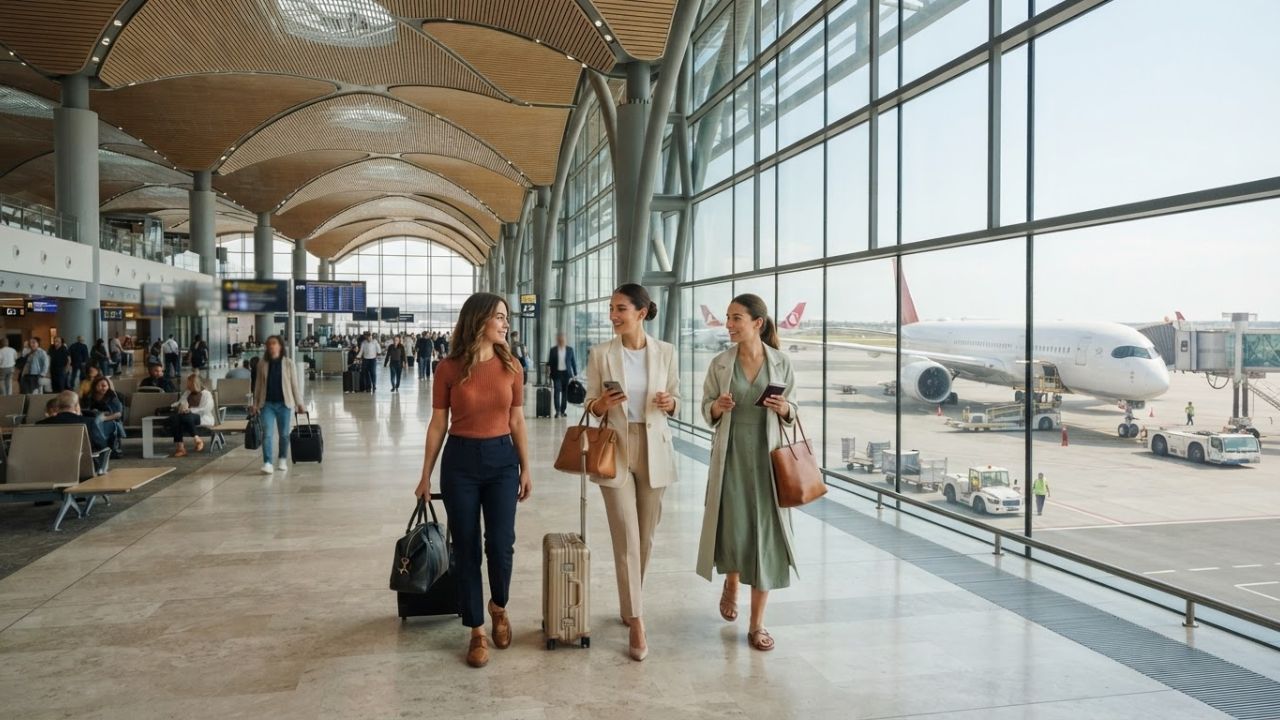
Image generated by AI
Turkish Airlines has announced plans to include London City Airport within its UK flight network and launch nonstop Airbus A350 services from Istanbul to Sydney and Melbourne, supporting its long-term fleet growth target of 850 aircraft.
The Local Trend Revealed: Direct Ultra-Long-Haul Aviation and Hub Dominance
Turkish Airlines is embarking on a phase of international route expansion, leveraging its geographical advantage in Istanbul to link distant global markets. During the Farnborough International Airshow, the carrier's chairman Murat Seker announced strategic plans to expand operations in the United Kingdom and launch direct flights to Australia. Currently, Turkish Airlines serves the British market through London Heathrow, London Gatwick, London Stansted, Manchester, Birmingham, and Edinburgh. The addition of London City Airport is designed to capture business and leisure travelers seeking direct access to London's financial district.
Simultaneously, the airline is preparing to connect Sydney and Melbourne to Istanbul with nonstop ultra-long-haul flights. Made possible by the introduction of new-generation Airbus A350 aircraft, these direct routes will replace the need for connecting layovers. To support this growth, Turkish Airlines is launching a fleet expansion program aiming to operate approximately 850 aircraft over the next decade, serving around 350 destinations and generating annual revenues exceeding $50 billion through an estimated $50 billion investment in new aircraft purchases at list prices.
Turkish Airlines Network and Fleet Expansion Metrics
| Strategic Expansion Segment | Current UK Operations | Future Target / Route Plans | Aircraft and Fleet Investment |
|---|---|---|---|
| UK Aviation Network | Heathrow, Gatwick, Stansted, Manchester, Birmingham, Edinburgh | Potential addition of London City Airport | Focused on short-haul and business passenger access |
| Australia Nonstop Routes | Connection-dependent travel | Direct flights to Sydney and Melbourne | Utilizing new-generation Airbus A350 long-haul fleets |
| Onboard Experience Upgrades | Two-cabin configurations | "Crystal Business Class" and Premium Economy (from 2028) | Focusing on privacy, seat space, and transit services |
| 10-Year Growth Goals | Under 500 aircraft | 850 aircraft and 350 destinations | $50 Billion investment in new aircraft list prices |
Cultural & Environmental Value: Carbon-Efficient Fleets and Regional Transit
For the traveler, the real impact of this transcontinental route expansion is the opportunity to practice slow travel that bypasses secondary layovers and supports carbon-efficient long-haul flight paths. By utilizing new-generation, highly fuel-efficient Airbus A350 aircraft for direct routes, Turkish Airlines reduces overall per-passenger emissions.
Mapped in coordination with the General Directorate of Civil Aviation and Istanbul Airport operators, this model channels investment directly into sustainable aviation fuel (SAF) procurement and local hospitality programs in Türkiye. This ensures that transfer passengers contribute to local economies through transit tours and local cultural exhibitions during their layovers, supporting independent retailers and food businesses.
To enhance this journey, Turkish Airlines is introducing a "crystal business class" concept for greater privacy and will launch a premium economy cabin on its Airbus A350 aircraft from 2028, giving travelers a mid-tier option for ultra-long-haul sectors.
Destination Specialist Local Insider Tips
To help you manage travel plans and optimize transit experiences through Istanbul, specialists suggest the following tips:
- Leverage Complimentary Istanbul Transit Tours: If you have a layover between 6 and 24 hours at Istanbul Airport (IST), register for the complimentary Touristanbul service, which provides free guided city tours, entry tickets, and traditional meals.
- Savor Simit and Turkish Tea During Layovers: Experience local gastronomy. Try traditional Simit (sesame-crusted bread rings) accompanied by a hot glass of Turkish tea at the airport's heritage lounges.
- Allow Ample Transfer Time: Istanbul Airport is one of the world's largest single-terminal structures. Ensure you allow at least 90 to 120 minutes for flight connections to account for walking distances between gates.
- Book London City Airport for Business: If traveling to London's financial center, choose London City Airport (LCY) to benefit from fast border processing and direct Docklands Light Railway (DLR) connections.
- Look Out for the 2028 Cabin Upgrades: If planning future travel from Australia to Europe, look for the Airbus A350 premium economy fares launching in 2028 to secure extra legroom on the ultra-long-haul segment.
Long-Term Outlook: Istanbul as the Ultimate Transcontinental Bridge
The long-term outlook for global aviation is shaped by Istanbul's consolidating role as the ultimate bridge between Europe, Asia, and the Pacific. As Turkish Airlines expands its route network to 350 destinations and upgrades its onboard experiences, the airline will continue to drive high-yield business and leisure travel. By coordinating infrastructure capacity at Istanbul Airport with eco-friendly fleet operations, the sector is positioned to build a balanced, resilient transborder network.
Related Travel Guides
This article is for informational purposes. Flight routes, passenger regulations, visa rules, and transit advisories are subject to change by airlines and aviation authorities. Readers are advised to verify schedules and travel documentation with relevant carriers and border agencies before departure.
Related Stories
Singapore Airlines and Scoot Expand Asia-Pacific Holiday Capacity with Supplementary Japan Flights and Regional Network Surge
Syrian Airlines Inaugurates Direct Aleppo to Moscow Flights as Airport Expansion Targets 2 Million Capacity