European City Break Travel Insurance Analysis: EHIC Limits and 2026 Cost Projections

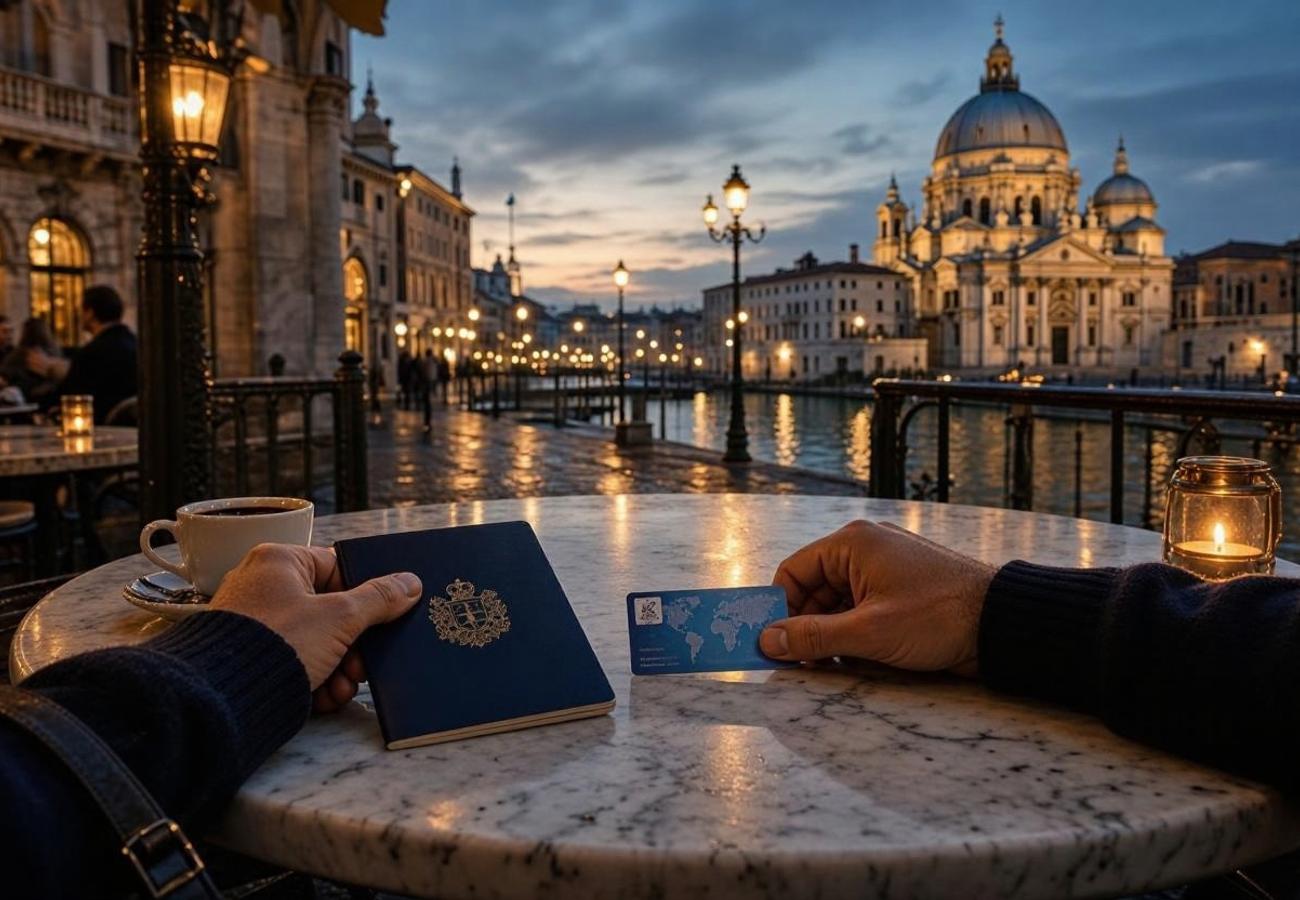
Image generated by AI
[Brussels, November 17, 2026] — Travelers embarking on three-to-five-day European city breaks are facing a critical gap between state-provided healthcare and comprehensive emergency protection, as 2026 data reveals that medical evacuation costs can exceed $100,000. While airlines and booking platforms frequently bundle insurance at checkout, the decision to purchase depends on a traveler's residency, the flexibility of their bookings, and their understanding of the European Health Insurance Card (EHIC).
The current risk environment for short-haul European travel separates protections into three primary categories: emergency medical/evacuation, trip cancellation/interruption, and logistical losses (baggage and delays). For many, the "peace of mind" marketing masks a complex reality where state health cards provide basic care but leave passengers exposed to catastrophic financial liability in the event of repatriation or private clinic admission.
The EHIC Coverage Gap
For citizens and insured residents of the EU and European Economic Area (EEA), the European Health Insurance Card (EHIC) is the primary tool for accessing healthcare. This card ensures that the holder receives medically necessary, state-provided healthcare under the same financial conditions as a local resident.
However, the EHIC is not a substitute for comprehensive insurance. It operates strictly within public health systems. If a traveler is admitted to a private hospital or requires specialized rescue services, the EHIC provides zero coverage.
Critical EHIC Exclusions
- Medical Repatriation: The cost of transporting a patient back to their home country via air ambulance.
- Private Care: Treatment at non-contracted clinics or private facilities.
- Search and Rescue: Mountain rescue or emergency extraction from remote areas.
- Non-Medical Losses: No protection for cancelled flights, lost luggage, or hotel defaults.
Regional Risk Profiles and Protections
The necessity of supplemental insurance varies wildly based on the traveler's passport and existing health coverage.
EU and EEA Residents
These travelers have a baseline of protection. While public hospital costs are capped or subsidized, they remain vulnerable to repatriation costs and non-medical trip losses. Most national health authorities recommend maintaining a private policy to cover the gaps left by the EHIC.
United States Travelers
US visitors face the highest financial risk. Most domestic US health plans offer limited or no coverage in Europe, or operate with prohibitive out-of-network deductibles. In cities like Rome or Paris, an uninsured US citizen is treated as a private, self-paying patient. A single ICU stay or emergency evacuation can easily reach six figures. Current 2026 policy trends show US travelers opting for medical cover between $100,000 and $250,000, with evacuation limits often exceeding $500,000.
United Kingdom Travelers
Post-Brexit, UK citizens utilize the UK Global Health Insurance Card. While this provides similar access to state care as the EHIC, it does not cover repatriation or private treatment. UK regulators continue to advise that travel insurance is essential for any trip to the EU to avoid catastrophic medical bills.
2026 Pricing Metrics for Short-Stay Insurance
Insurance premiums for short city breaks are proportionally higher per day than long-term vacations due to minimum policy fees. Data from 2026 aggregators indicates that comprehensive premiums typically range from 3% to 7% of the total trip cost.
Comparative Insurance Costs (2026 Data)
| Trip Duration | Average Daily Cost (Ireland/UK Example) | Premium as % of Trip Cost | Primary Coverage Focus |
|---|---|---|---|
| 3-Day City Break | €7.00 per day | 5% - 7% | Medical + Cancellation |
| 14-Day Holiday | €4.00 per day | 3% - 6% | Comprehensive + Baggage |
| Short-Stay (US-EU) | Varies by Provider | High Variance | Evacuation + Medical |
What This Means for Travelers
For the modern nomad or short-term tourist, the "worth" of insurance is a calculation of risk versus liquidity.
When to Skip Insurance:
- You are an EU resident with a valid EHIC.
- Your flights and hotels are fully refundable.
- You have a high-limit global health policy that explicitly covers European private hospitals and repatriation.
When Insurance is Mandatory:
- Non-EU Citizens: If you lack a global health plan, the risk of a $100,000+ medical bill outweighs a small premium.
- Non-Refundable Bookings: If you have prepaid expensive boutique hotels or low-cost carrier flights that offer no refunds.
- High-Risk Activities: If your "city break" includes excursions to remote areas or activities that might require mountain rescue.
Future Outlook: Digital Health Integration
The aviation and insurance industries are moving toward integrated digital health passports. By late 2026, more insurers are offering "modular" policies, allowing travelers to strip away cancellation cover (if using refundable bookings) while maintaining high-limit medical and evacuation protection. This shift allows for lower premiums while addressing the most catastrophic risks of international travel.
FAQ: European Travel Insurance 2026
Does the EHIC cover me in private hospitals? No. The EHIC only covers state-provided healthcare. If you are treated at a private clinic or a facility not contracted with the national health system, you are responsible for the full bill.
How much does medical repatriation cost? Depending on the severity of the condition and the distance, an air ambulance repatriation from Europe to North America or Asia can exceed $100,000.
Is travel insurance necessary for a 3-day trip? For non-EU residents, yes. While the trip is short, a medical emergency can occur on day one, leading to costs that far exceed the total price of the vacation.
What is the difference between trip cancellation and trip interruption? Cancellation covers non-refundable costs before you leave. Interruption covers costs if you must cut your trip short or extend it due to an emergency after you have already departed.
Travelers should verify their specific policy exclusions before departure to avoid unexpected out-of-pocket expenses.
Related Travel Guides
This article is for informational purposes. Flight routes, passenger regulations, visa rules, and transit advisories are subject to change by airlines and aviation authorities. Readers are advised to verify schedules and travel documentation with relevant carriers and border agencies before departure.
Related Stories

Air Arabia Dammam Launches Direct Damascus Flights: A320 Schedule, Ancient City Heritage, and Levant Guide
Budget Airline Priority Boarding Guide 2026: Ryanair, easyJet, and Wizz Air Logistics