
Qantas and Global Carriers Restructure Networks with Long-Haul Route Cuts
Qantas and other global carriers are cutting long-haul international routes, increasing traveler reliance on hubs like Singapore, Doha, and Dubai.

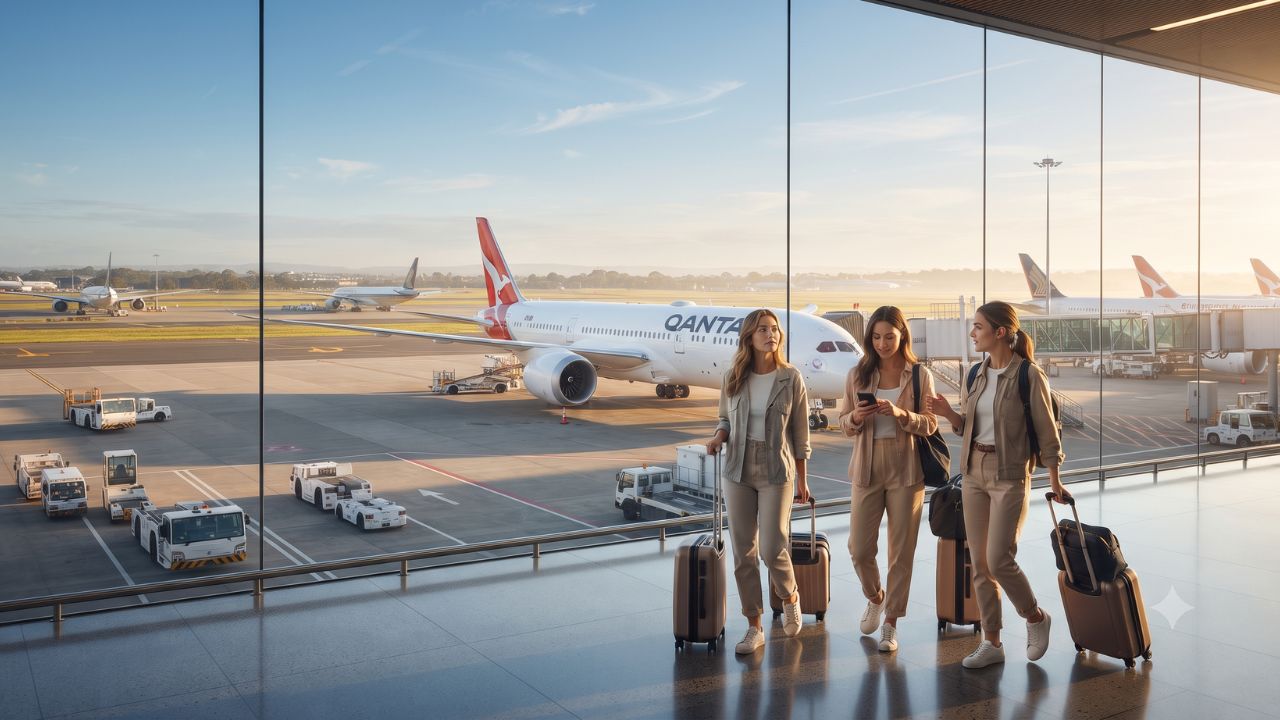
Image generated by AI
Qantas has removed nine long-haul destinations from its international network, reflecting an industry-wide consolidation where global airlines are cutting direct routes. Travelers face fewer nonstop flight options and must increasingly connect through transit hubs like Singapore, Dubai, and Doha.
The international aviation market is undergoing a significant transition as airlines prioritize fleet yield over network footprint. When carriers adjust their schedules away from thin, low-yield international corridors, travelers must adjust to multi-segment journeys and higher average airfares.
This consolidation is reshaping global flight maps across the Asia-Pacific, North American, and European sectors.
Network Reshaping: Qantas Discontinues Nine Long-Haul Services
Qantas has adjusted its international footprint by removing several historic long-haul routes. The carrier is focusing its long-haul fleet on high-yield business corridors and upcoming ultra-long-haul projects, withdrawing operations from several secondary markets.
Key Qantas route changes and cancellations include:
- China Corridor: Sydney–Shanghai (SYD–PVG) and Sydney–Beijing (SYD–PEK) have been suspended and removed from the network due to low demand.
- Hong Kong Adjustments: Sydney–Hong Kong (SYD–HKG) and Melbourne–Hong Kong (MEL–HKG) flights were reduced or restructured to optimize regional capacity.
- South American Connections: The Sydney–Santiago (SYD–SCL) service, suspended during the pandemic, has not been restored as a regular Qantas-operated route.
- North American Flights: The Melbourne–Dallas/Fort Worth (MEL–DFW) and Brisbane–Chicago (BNE–ORD) direct services have been withdrawn, concentrating US services through Sydney and Brisbane.
- Japanese Services: The Melbourne–Tokyo Narita (MEL–NRT) service was removed as Qantas restructured its overall Japan capacity.
- South African Routes: The Perth–Johannesburg (PER–JNB) connection has been cut as part of the airline's capacity reallocation.
Global Fleet Consolidation: Strategic Cuts by European and North American Carriers
Qantas' network changes are mirrored by major airlines worldwide, which are reducing long-haul international capacity due to aircraft delivery delays, crew shortages, and changing corporate demand:
- British Airways and Virgin Atlantic: Both carriers have suspended London Heathrow–Beijing services, with Virgin Atlantic also suspending its Shanghai route, citing low passenger yields.
- Lufthansa: The German carrier has suspended its Frankfurt–Nanjing route and reduced Munich–Hong Kong frequencies, redirecting widebody aircraft to higher-yielding transatlantic corridors.
- US Legacy Carriers: American Airlines, Delta Air Lines, and United Airlines have reduced direct flights to China and secondary Asian hubs, concentrating West Coast capacity on primary gateways like Tokyo and Seoul.
- Air New Zealand: The carrier has suspended Auckland–Chicago services and reduced Auckland–Seoul flights due to fleet limitations and engine maintenance requirements.
Geopolitical and Operating Pressures: Russian Airspace Closures and Fleet Scarcity
External operational constraints have accelerated long-haul route cuts, particularly for European carriers operating flights to Asia.
- Airspace Restrictions: Finnair has reduced Helsinki–Tokyo Narita frequencies and suspended Helsinki–Osaka flights. The closure of Russian airspace has increased flight times to Japan by up to three hours, raising fuel and crew costs to levels that make some routes unprofitable.
- Aircraft Delivery Delays: Manufacturers are struggling to deliver new widebody aircraft on schedule, forcing airlines to keep older models in service longer or suspend routes to match available fleet size.
- Rise of Leisure Demand: While business travel recovery remains uneven, airlines are shifting their largest aircraft to high-demand international vacation destinations to capture premium leisure revenue.
Transit Geography: The Rising Dominance of Mega-Hub Connections
As airlines withdraw direct point-to-point long-haul routes, international travelers must adapt to connecting flights through major transit hubs. Connecting options on airlines like Singapore Airlines, Cathay Pacific, Emirates, Qatar Airways, and Turkish Airlines have become essential for cross-border journeys.
For travelers, this shift means longer total journey times, additional security checks, and a higher risk of baggage delays. However, the concentration of traffic through hubs like Singapore Changi, Dubai International, and Doha Hamad allows carriers to maintain high passenger load factors and keep global networks viable.
Traveler Advisory: Navigating Long-Haul Flight Cancellations and Re-routing
For passengers managing travel plans affected by international route cuts:
- Monitor Partner Alliances: If your direct flight is cancelled, check if your ticket can be re-routed through a partner carrier within the Oneworld, Star Alliance, or SkyTeam networks.
- Review Transit Visa Rules: When booking itineraries with connections through hubs like Tokyo, Singapore, or Doha, verify if transit visas or electronic travel authorizations are required for your nationality.
- Verify Baggage Interlining: Ensure your baggage is checked through to your final destination when transitioning between different airlines during a multi-segment journey.
Future Projections for Ultra-Long-Haul Aviation and Hub-Centric Networks
The restructuring of global flight paths shows that airlines are prioritizing route profitability over geographic reach. Over the coming years, route networks will become more concentrated around major international transit hubs.
While new ultra-long-haul aircraft will allow carriers to launch selected point-to-point routes, secondary international connections will remain limited. By centering operations on high-yield hubs, global carriers can manage operating costs and ensure long-term network stability in an inflationary travel environment.
Related Travel Guides
Disclaimer
This article is for informational and educational purposes only. It does not constitute legal, financial, or professional advice. While we strive to provide accurate and up-to-date information, travel policies, regulations, and conditions change rapidly. Always verify information with official sources before making travel decisions. Nomad Lawyer makes no representations about the accuracy, reliability, completeness, or suitability of the information provided. Readers should consult qualified professionals for advice specific to their circumstances. The views expressed in this article are those of the author and do not necessarily reflect the views of Nomad Lawyer.
Kunal K Choudhary
Co-Founder & Contributor
A passionate traveller and tech enthusiast. Kunal contributes to the vision and growth of Nomad Lawyer, bringing fresh perspectives and driving the community forward.
Learn more about our team →