The 5 Best Places to Live in Colorado: Mountains, Culture, and Quality of Life

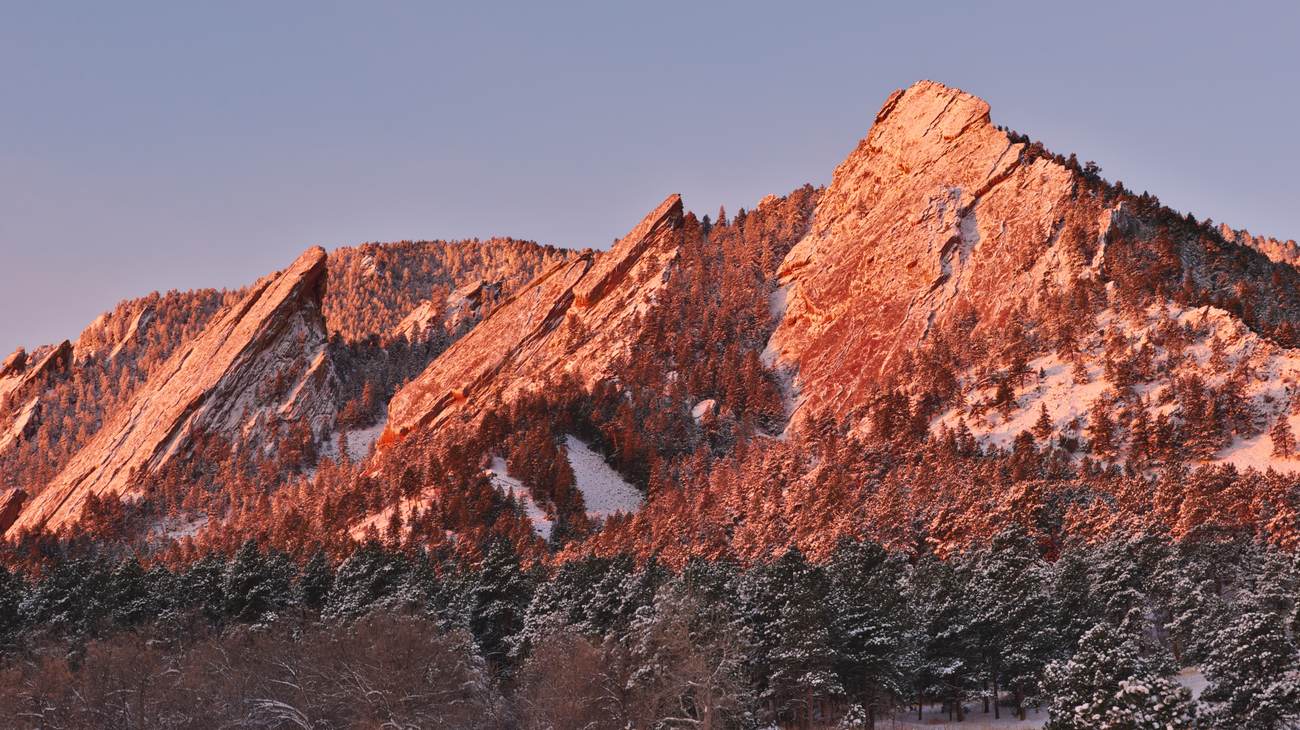
Sunrise over the iconic Flatirons of Boulder, where the Rocky Mountain foothills meet one of the nation's most dynamic communities.
There is a moment that almost every newcomer to Colorado experiences within their first month of residency. You wake up on a Tuesday morning in late October, pull open the curtains, and step outside into crisp, mountain-scented air beneath a sky so impossibly cobalt-blue it looks retouched. The jagged peaks of the Front Range are dusted in fresh white powder, yet by noon the sun is warming your jacket, people are pedaling gravel bikes along the creek trail, and colleagues are casually planning a weekend ski trip or trail run over local microbrews.
I remember my first autumn living along the Front Range. Coming from the gray, rain-drenched coastal Northeast, the legendary "300 days of sunshine" sounded like typical chamber-of-commerce hyperbole—until I experienced it myself. Even in the dead of January, a heavy Rocky Mountain snowstorm will drop six inches of dry champagne powder overnight, only for the afternoon sun to break through, melting the streets clean and coaxing residents onto patio benches in fleece vests.
Colorado is not merely a place on a map; it is an active, health-conscious, forward-looking way of life. But choosing where to lay your roots in the Centennial State can be daunting. The state spans high-altitude alpine basins, booming tech hubs, historic mining settlements, and sprawling plains.
Whether your dream is launching a tech startup with trailheads right outside your front door, raising children in an affordable mountain-view suburb, or immersing yourself in urban culinary culture, here is my firsthand guide to the 5 best places to live in Colorado.
1. Boulder: The Intellectual Outdoor Capital
Nestled right where the Great Plains collide with the sheer geological uplift of the Flatirons, Boulder is arguably the most idyllic, intellectually stimulating, and physically active small city in the United States. Home to the flagship University of Colorado (CU Boulder), federal scientific institutions like NCAR (National Center for Atmospheric Research) and NIST, and an explosive tech startup ecosystem (featuring major engineering campuses for Google, Twitter/X, and biotech leaders), Boulder combines small-town walkability with global intellectual firepower.
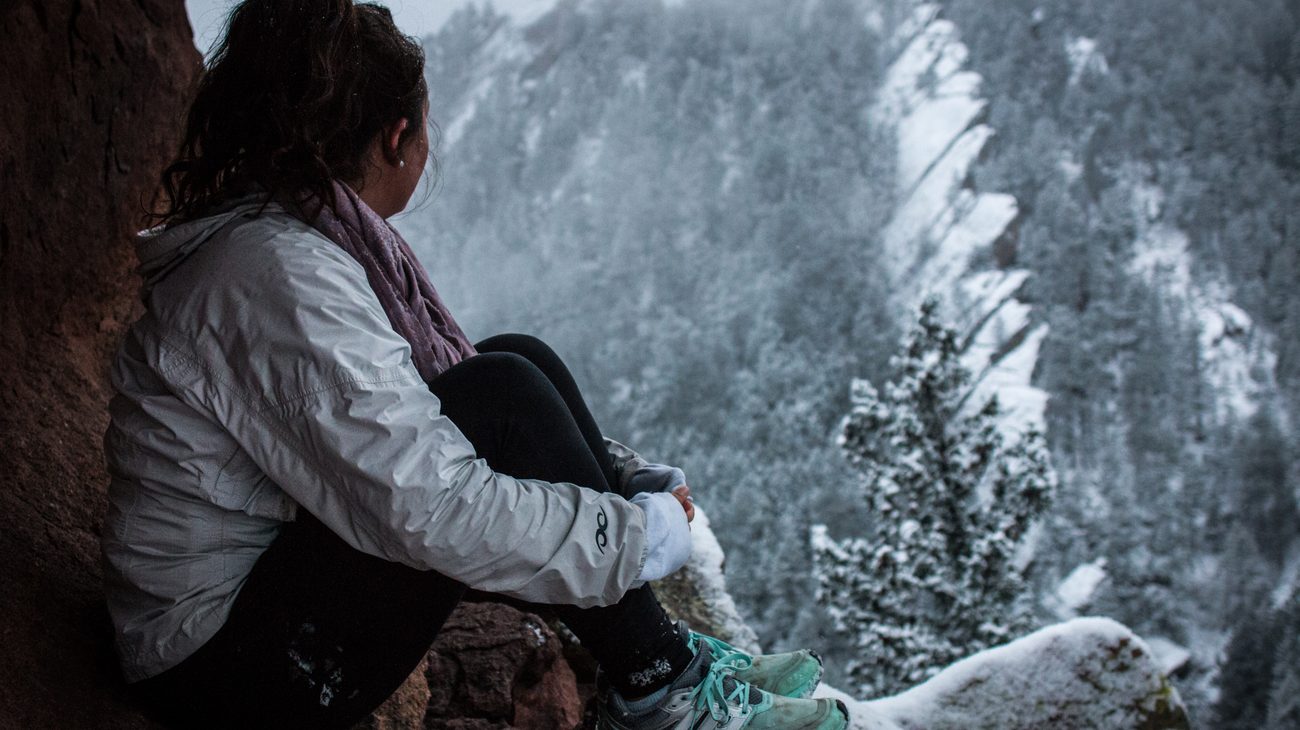
- The Vibe & Neighborhoods: Boulder lives and breathes the outdoors. Morning board meetings often double as trail runs through Chautauqua Park or road bike ascents up Flagstaff Mountain. The heart of the city is the brick-paved Pearl Street Mall, a vibrant four-block pedestrian haven packed with independent bookstores, gear outfitters, farm-to-table restaurants, and street performers. Historic neighborhoods like Mapleton Hill feature canopy-shaded streets lined with Victorian estates, while North Boulder ("NoBo") offers modern solar-powered lofts, artist studios, and community gardens.
- The Trade-Off (Cost of Living): Boulder's quality of life commands a substantial price tag. Median single-family home prices regularly exceed $950,000 to $1.3 million. Strict municipal open-space growth boundaries have protected thousands of acres of surrounding wilderness from urban sprawl, creating an environmentally pristine basin but keeping housing inventory tightly constrained.
- Who It's Best For: Remote tech professionals, entrepreneurs, researchers, and dedicated mountain athletes who prioritize world-class trail access, sustainability, and stellar public schools above all else.
2. Colorado Springs: Majestic Scenery & Family Affordability
Situated 60 miles south of Denver at the towering base of Pikes Peak (14,115 feet—the mountain that inspired Katharine Lee Bates to pen "America the Beautiful"), Colorado Springs has surged in popularity as one of the fastest-growing and most desirable family destinations in the American West.
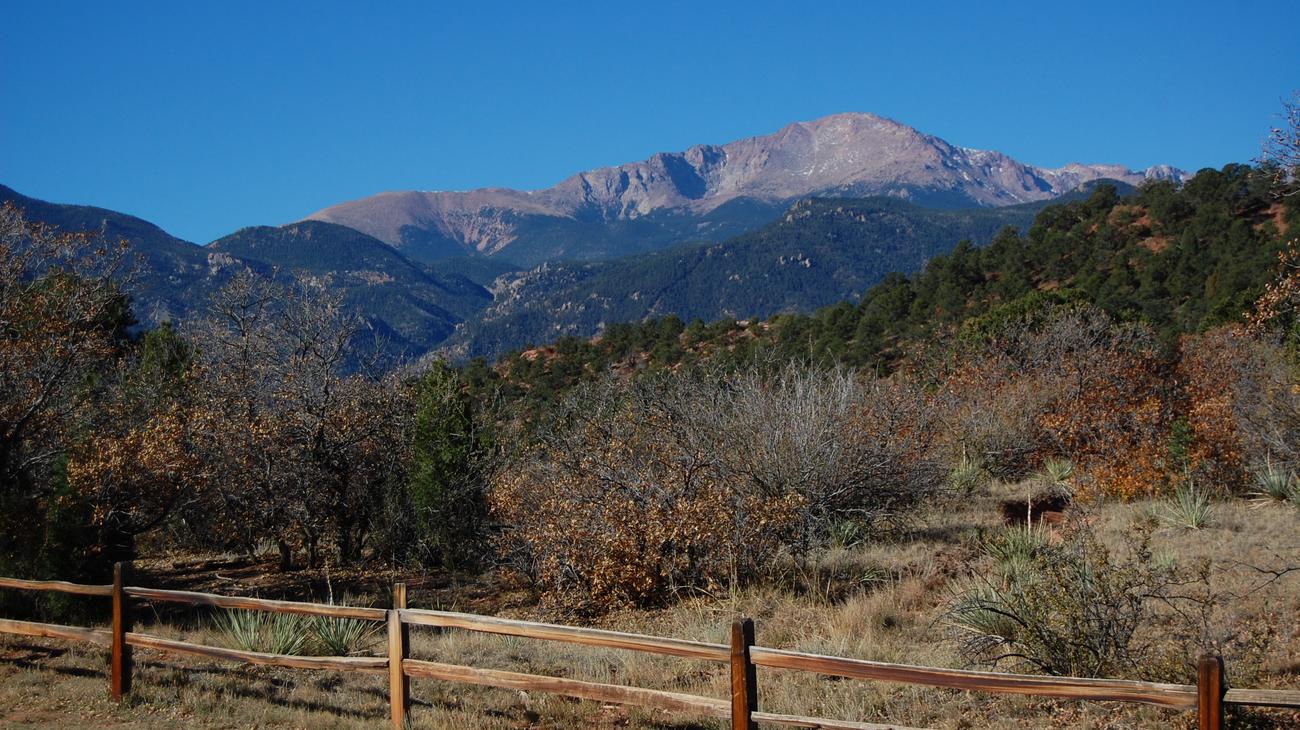
- The Vibe & Community: Known as "Olympic City USA," Colorado Springs houses the U.S. Olympic & Paralympic Committee headquarters and state-of-the-art training center, infusing the city with athletic excellence. The city's landscape is dominated by Garden of the Gods—a designated National Natural Landmark featuring towering 300-foot red sandstone rock formations set against snow-dusted alpine summits, accessible entirely free of charge to residents every single day.
- Economy & Industry: The local economy is exceptionally stable, anchored by military installations (Peterson Space Force Base, Fort Carson, Schriever Space Force Base, and the U.S. Air Force Academy) and a thriving aerospace, defense, and cybersecurity sector.
- Cost of Living Advantage: Compared to Boulder and metropolitan Denver, Colorado Springs offers significantly greater square footage for your money. Median home prices hover around $440,000 to $480,000. Master-planned northern communities like Briargate and Flying Horse offer brand-new homes, top-ranked Academy District 20 schools, and unobstructed front-row views of the Rampart Range.
- Who It's Best For: Military families, aerospace defense contractors, budget-conscious remote workers, and outdoor enthusiasts looking for breathtaking mountain scenery without seven-figure mortgages.
3. Denver ("The Mile High City"): Urban Energy & Cultural Hub
Perched at exactly 5,280 feet above sea level, Denver is the cultural, financial, and logistical epicenter of the Rocky Mountain region. Over the past two decades, Denver has evolved from an old-school cowtown into a bustling, sophisticated metropolitan powerhouse packed with trendy urban neighborhoods, a thriving arts scene, and major league sports.
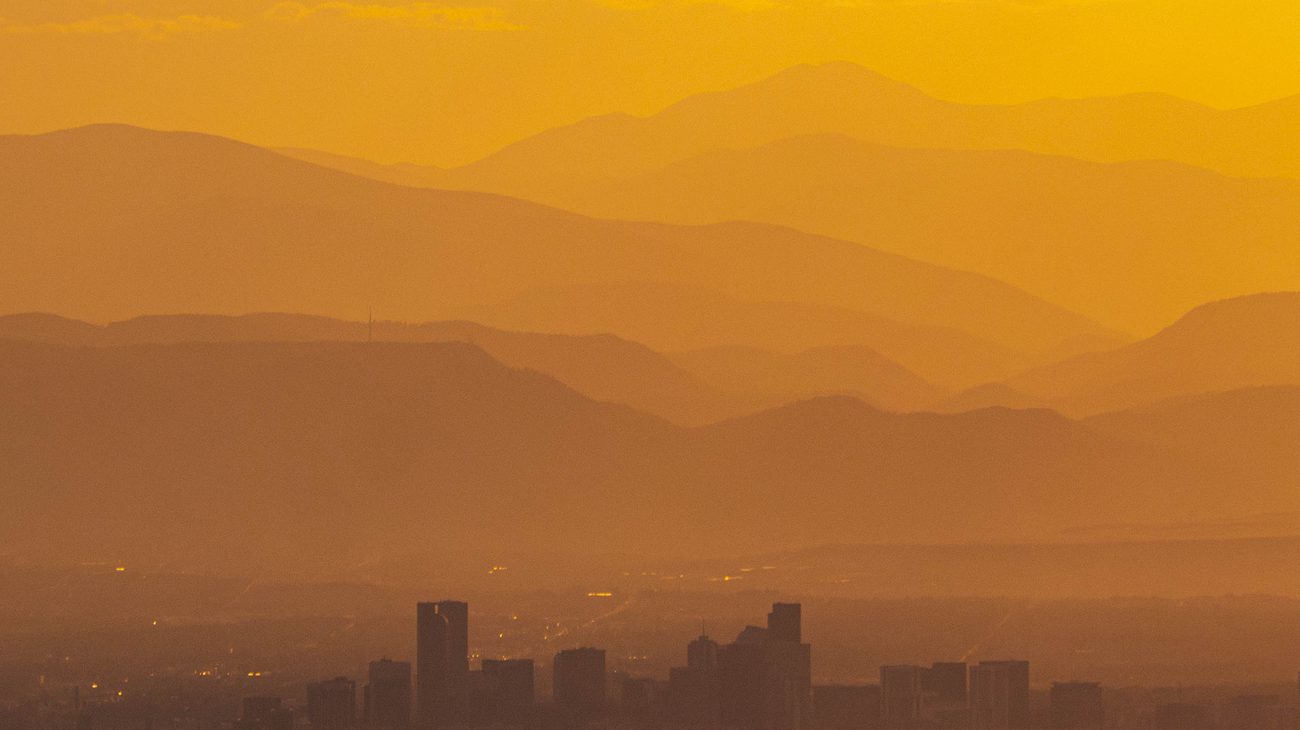
- Neighborhood Personalities: Denver's magic lies in its distinct neighborhoods:
- Washington Park ("Wash Park"): The crown jewel of family neighborhoods, featuring tree-lined avenues of 1920s brick bungalows surrounding two scenic lakes, flower gardens, and a 2.5-mile perimeter jogging loop.
- River North Art District (RiNo): A once-gritty industrial warehouse district turned creative playground, brimming with world-class street art murals, experimental cideries, tech co-working spaces, and food halls like Denver Central Market.
- LoDo (Lower Downtown): Historic brick architecture centered around Union Station, where you can grab morning espresso, catch an afternoon Rockies game at Coors Field, and hop on the direct commuter rail to Denver International Airport (DEN).
- Music & Mountains: Living in Denver means having legendary Red Rocks Amphitheatre just 20 minutes away in Morrison, where seeing your favorite band perform under the stars between monolithic crimson sandstone ship rocks is a near-religious Colorado rite of passage. On winter weekends, Interstate 70 delivers skiers directly to world-renowned resorts like Loveland, Keystone, Breckenridge, and Vail.
- Cost of Living: Median home values in Denver proper stand around $560,000 to $620,000, with historic neighborhoods commanding premiums.
- Who It's Best For: Young professionals, urbanites, foodies, and music lovers who want big-city career opportunities and amenities while maintaining weekend access to ski slopes and mountain passes.
4. Fort Collins: Northern Charm & Craft Beer Capital
Located an hour north of Denver along the cache la Poudre River, Fort Collins ("FoCo") consistently earns top accolades on national quality-of-life lists. Home to Colorado State University (CSU), Fort Collins radiates a relaxed, wholesome, community-centric atmosphere with an unmatched cycling culture.
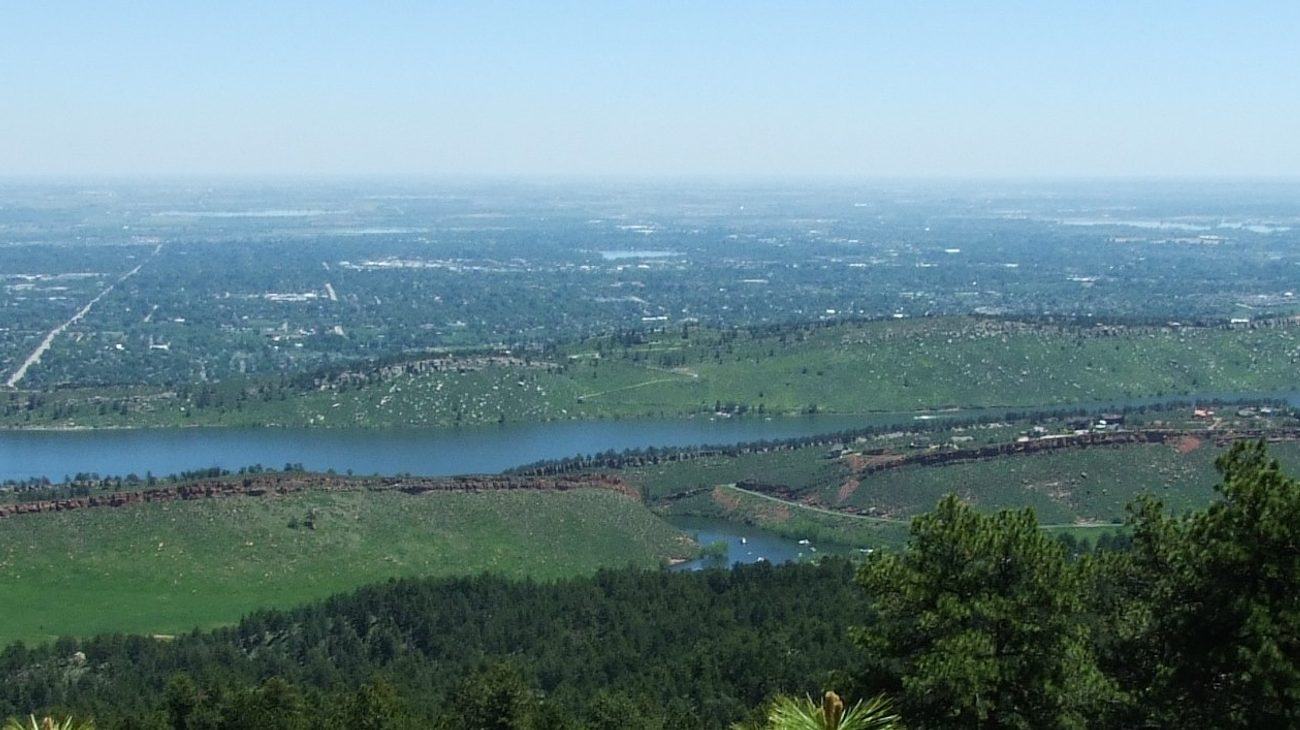
- Historic Inspiration & Craft Brewing: The historic square of Old Town Fort Collins—with its gas lamps, brick alleyways, restored 19th-century storefronts, and vintage streetcars—was the direct visual inspiration for Walt Disney's Main Street, U.S.A. Fort Collins is also the undisputed craft brewing capital of Colorado, producing over 70% of the state's craft beer, anchored by legendary employee-owned powerhouses like New Belgium Brewing and Odell Brewing Company.
- Bicycle Paradise & Recreation: With over 280 miles of dedicated on-street bike lanes and off-street paved trails, Fort Collins is one of only a handful of Platinum-rated Bicycle Friendly Communities in America. Just west of town lies Horsetooth Reservoir, a 6.5-mile blue ribbon of water nestled against hogback sandstone ridges where locals spend summer days paddleboarding, sailing, rock bouldering, and camping.
- Cost of Living: Median home prices range around $520,000 to $560,000. It offers lower congestion and cleaner air than the immediate Denver metro area while providing outstanding public schools in the Poudre School District.
- Who It's Best For: Families, university educators, craft beer lovers, and cyclists seeking a tight-knit, walkable, and environmentally conscious city with minimal highway congestion.
5. Golden: Historic Foothills Gateway to Adventure
If you love the career and cultural offerings of Denver but want to live in a genuine, historic mountain town nestled right against the foothills, Golden is the ultimate compromise. Founded in 1859 during the Pikes Peak Gold Rush, Golden was once the territorial capital of Colorado before Denver existed.
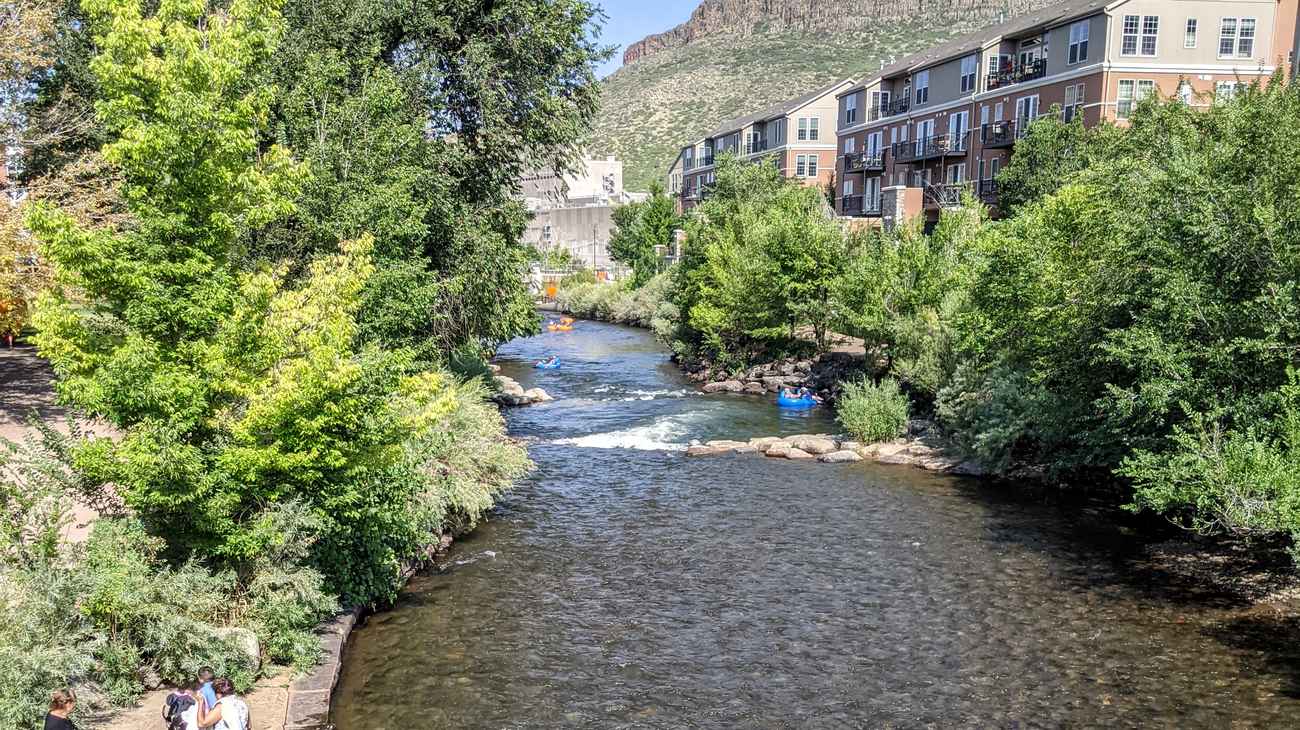
- The Vibe & Setting: Surrounded by North Table Mountain, South Table Mountain, and Mount Lookout, Golden feels like an alpine mountain enclave, yet it sits just 15 miles west of downtown Denver. On warm summer days, Clear Creek flows right through the center of historic downtown, filled with kayakers, fly-fishermen, and locals floating on inner tubes.
- Engineering Pedigree & Heritage: Golden is home to the prestigious Colorado School of Mines, one of the top engineering and applied science universities in the world, lending the town an intellectually ambitious undercurrent. It is also the historic home of the Coors Brewery (one of the largest single-site breweries on Earth) and the National Renewable Energy Laboratory (NREL).
- Instant Mountain Access: Living in Golden means you are already west of Denver's worst highway traffic bottlenecks. When fresh powder falls on Saturday morning, you are already 20 minutes ahead of the I-70 ski traffic heading up toward the Continental Divide.
- Real Estate Realities: Golden's small geographic footprint and immense desirability make it a competitive real estate market, with median home prices sitting between $750,000 and $920,000.
- Who It's Best For: Mountain sports purists, engineers, outdoor gear enthusiasts, and anyone who wants to fish, kayak, or hike five minutes after stepping away from their home office desk.
Colorado Best Places to Live: Comparison Matrix
| City / Location | Region / Setting | Median Home Price (2026/2027) | Top Economic Drivers | Primary Outdoor Advantage |
|---|---|---|---|---|
| Boulder | Northwest Front Range / Mountain Base | $1,050,000 | Tech startups, CU Boulder, biotech, scientific labs | Flatirons trailheads, Chautauqua Park, cycling routes |
| Colorado Springs | Southern Front Range / Pikes Peak | $460,000 | Aerospace, defense, military, US Olympic Committee | Garden of the Gods, Pikes Peak, North Cheyenne Cañon |
| Denver | Central Front Range / Urban Core | $580,000 | Finance, tech, aerospace, aviation, healthcare | 300+ sunny days, urban parks, Red Rocks Amphitheatre |
| Fort Collins | Northern Colorado / Poudre River | $535,000 | CSU, craft brewing, tech hardware, clean energy | Horsetooth Reservoir, Poudre Canyon, Platinum bike trails |
| Golden | Western Foothills / Clear Creek Valley | $820,000 | School of Mines, NREL, Coors, engineering | Clear Creek tubing, Table Mountains, direct I-70 ski access |
Crucial Factors to Know Before Moving to Colorado
- Elevation & Acclimatization: Every city on this list sits at 5,000 feet (Denver) to 6,035 feet (Colorado Springs) above sea level. When you first arrive, drink twice as much water as normal, use SPF 50 sunscreen (UV intensity increases roughly 4% for every 1,000 feet of elevation), and expect your body to take 2 to 3 weeks to adjust to the thinner air.
- Property Taxes vs. State Income Tax: Colorado features relatively low residential property tax rates (effective rates around 0.50% to 0.55%), balanced by a flat state income tax rate of 4.40%.
- Winter Tires & Traction Laws: If you plan on driving up the I-70 mountain corridor during winter months, Colorado's Traction Law requires passenger vehicles to have either AWD/4WD or winter-rated snow tires with a minimum 3/16-inch tread depth.
- Active Social Culture: Making friends in Colorado is remarkably straightforward if you enjoy outdoor activities. Running clubs, gravel cycling groups, ski carpools, dog park meetups, and local brewery trivia nights are the primary social currency of the Front Range.
Frequently Asked Questions (FAQ)
What is the most affordable good place to live in Colorado?
Among the premier Front Range cities, Colorado Springs offers the best balance of affordability, job stability, and dramatic mountain scenery. Single-family homes and rent prices in Colorado Springs average 20% to 45% lower than Boulder or suburban Denver.
Which city has the best schools for families?
Boulder (Boulder Valley School District), northern Colorado Springs (Academy District 20), and Fort Collins (Poudre School District) routinely receive the highest ratings in Colorado for academic performance, STEM education, and graduation rates.
How bad is winter weather along the Front Range?
Much milder than most people expect. Because Colorado sits in a semi-arid high-desert climate, winter snows are dry and light rather than wet and slushy. Snow typically melts within 24 to 48 hours thanks to powerful high-altitude sunshine and warm down-slope Chinook winds.
Related Travel & Living Guides
This article is for informational purposes. Flight routes, passenger regulations, visa rules, and transit advisories are subject to change by airlines and aviation authorities. Readers are advised to verify schedules and travel documentation with relevant carriers and border agencies before departure.
Related Stories
A Guide to the 10 Best Places to Live in Alabama: Where Southern Charm Meets Booming Opportunity
USA Weather Alert 2026: Dangerous Surf in Florida, Dense Fog in Denver, and Mountain Snow in Utah