15 Best Places to Visit in Alaska According to Quora: A Traveler's Wilderness Guide

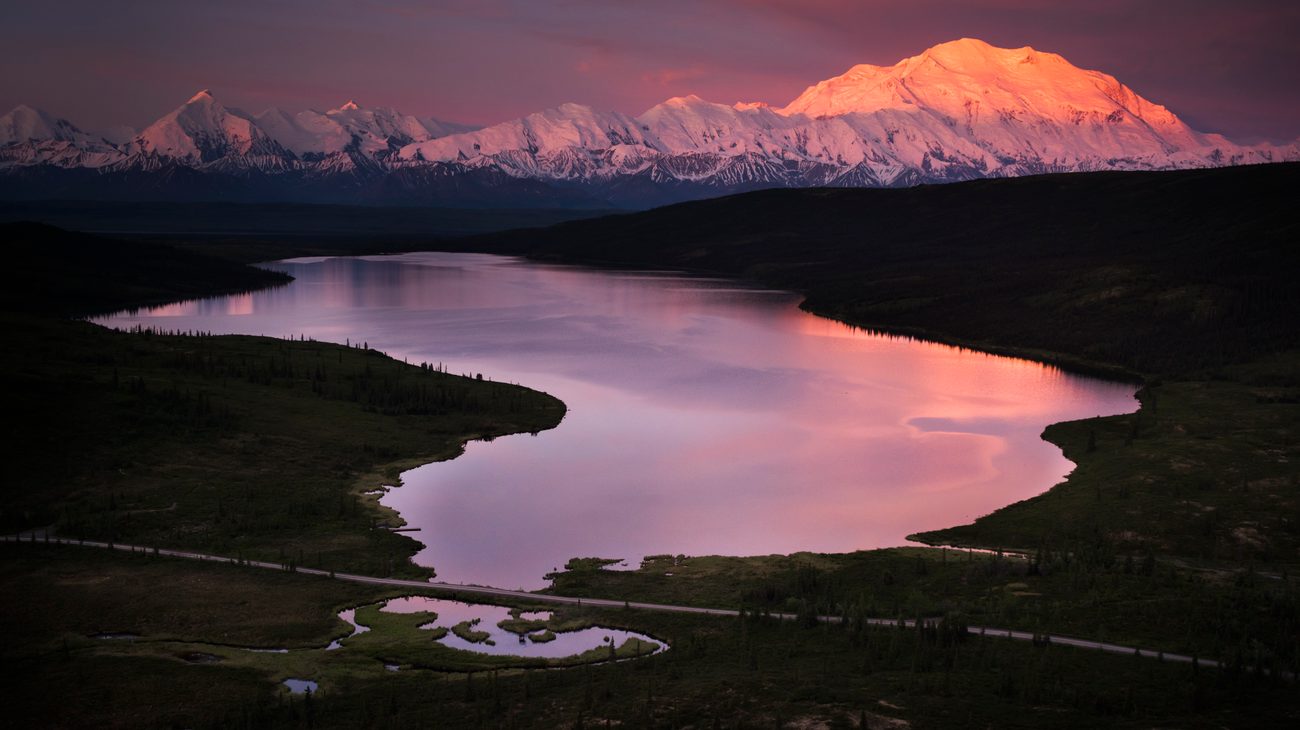
The colossal snowy massif of Mount Denali rising 20,310 feet above the fiery gold and russet autumn tundra of the Alaska Range.
There is a moment early in any journey across Alaska when your internal sense of scale quietly fractures. For me, it happened while standing on the rocky shore of Wonder Lake at five in the morning. The thermometer on my pack read 34°F, steam curled from my enamel coffee mug, and through a lifting curtain of subarctic fog, the twin granite peaks of Denali rose more than 20,000 feet straight into the sky—so immense and impossibly sharp that my brain refused to believe the mountain was still nearly thirty miles away.
Most people approach planning an Alaska holiday with spreadsheet anxiety: Cruise ship or camper van? Fly into Fairbanks or Anchorage? How do we see glaciers and bears without going bankrupt? When you delve into the most thoughtful Alaska travel threads on Quora—written not by corporate travel agencies, but by Bush pilots, National Park rangers, and travelers who have spent decades exploring the 49th state—a refreshingly candid consensus emerges.
Alaska cannot be checked off on a checklist. It is an untamed continent within a continent, where weather dictates your calendar, moose have the right-of-way on city sidewalks, and the greatest moments happen when you get off the cruise dock and onto dirt trails or small boat decks.
If you are planning an authentic wilderness journey, here are the 15 best places to visit in Alaska that experienced Quora travelers recommend experiencing firsthand.
1. Denali National Park & Preserve: The Great One
Spanning six million acres of subarctic taiga, glacier-carved braided rivers, and towering granite peaks, Denali National Park remains the undisputed centerpiece of Interior Alaska. Only one 92-mile dirt road penetrates the park's heart, deliberately designed without guardrails or excessive paving to protect the fragile tundra ecosystem.
During my transit on the park transit bus, the driver cut the engine near Mile 37. Five hundred yards up a gravel bench, a massive blond grizzly sow and two cubs were digging furiously for wild roots. Later that afternoon, a herd of 40 caribou crossed the river bed directly below us, their antlers velvety against the golden alpine scrub. The sheer wilderness density here is unmatched.
- Quora Traveler Wisdom: One frequent Quora contributor—a seasonal ranger—repeatedly stresses: "Do not visit Denali expecting a guaranteed mountain view. Mount Denali creates its own microclimate and stays veiled behind cloud cover roughly two out of every three summer days. Go for the wildlife, the vast rolling tundra hikes, and the solitude. If the mountain shows herself, consider it a miraculous bonus."
- Best Window: Mid-June through early September (tundra foliage turns blazing crimson by late August).
- Access Point: George Parks Highway (Route 3), 240 miles north of Anchorage.
2. Kenai Fjords National Park & Resurrection Bay
Where the jagged ice of the 700-square-mile Harding Icefield spills down into the tempestuous North Pacific, Kenai Fjords National Park creates a dramatic coastal marine amphitheater. Accessible primarily by tour boat or sea kayak from the harbor town of Seward, this is where Alaska's marine wildlife and ancient ice collide.
I took an 8-hour catamaran cruise out to Northwestern Glacier. As our captain cut the propellers a quarter-mile from the sheer three-hundred-foot blue ice wall, the silence was deafening—until a slab of ice the size of a five-story apartment building sheared off with a sound like a cannon blast, crashing into the fjord and sending emerald waves rocking our hull. Along the rocky cliffs, puffins buzzed like tiny feathered footballs while sea otters floated lazily on their backs through kelp forests.
- Quora Traveler Wisdom: Quora locals consistently recommend booking the longer 7.5 to 8-hour Northwestern or Holgate Fjord boat cruises over the shorter 4-hour bay tours. The longer cruises venture past the outer islands into open water where orcas, humpback bubble-net feeding groups, and massive Steller sea lion haulouts are far more active.
- Hiker’s Detour: Don't miss hiking the Harding Icefield Trail from Exit Glacier—a strenuous 8.2-mile round-trip climb that leads you directly onto the edge of an infinite sea of prehistoric ice.
3. Katmai National Park: The Brown Bear Capital of the World
If your lifelong dream is watching 1,000-pound coastal brown bears plunge into rushing whitewater to snap jumping sockeye salmon out of midair, Katmai National Park & Preserve has no equal on earth. Tucked away on the stormy Alaska Peninsula with zero road access, visitors fly in via floatplane, landing with an exhilarating splash on Naknek Lake.
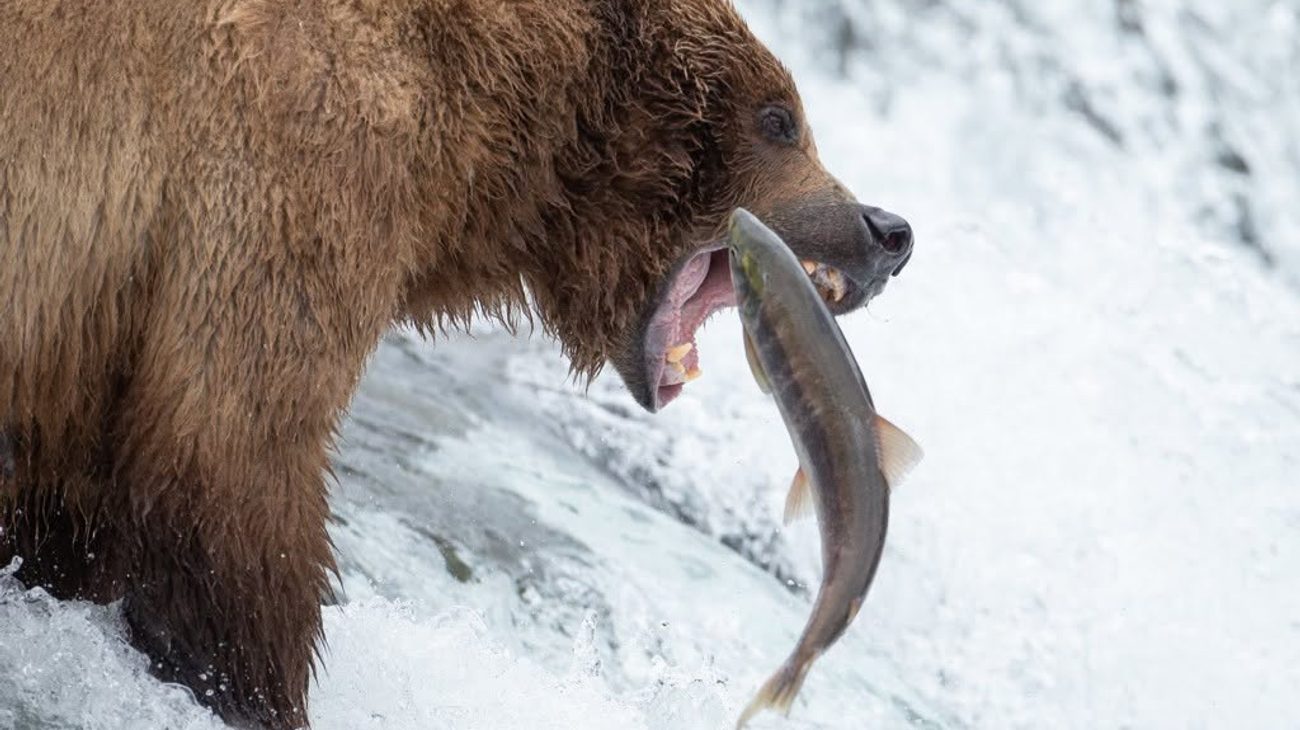
Standing on the elevated wooden platform at Brooks Falls, you are practically close enough to hear the bears chewing. During the peak salmon runs in July and September, two dozen dominant male bears claim fishing perches along the falls—some diving completely underwater, others patiently standing at the lip of the cascade waiting for salmon to leap right into their jaws.
- Quora Traveler Wisdom: Katmai veterans on Quora point out that while day trips from Anchorage or Homer are possible, spending at least one night at Brooks Lodge or the adjacent electric-fenced campground transforms the trip. When day-tripper floatplanes depart around 4:00 PM, the viewing platforms empty, leaving you with uninterrupted bear viewing in the soft golden midnight sun.
- Logistics: Day trips must be booked 6–9 months ahead; Brooks Camp campground lottery opens every January and fills in minutes.
4. Wrangell-St. Elias National Park & Historic Kennecott
Few travelers realize that the largest national park in the United States isn't Yellowstone or Yosemite—it is Wrangell-St. Elias, encompassing an astonishing 13.2 million acres (equal to six Yellowstones combined). Tucked deep within this alpine wilderness sits Kennecott, a red-and-white 14-story abandoned copper mill town frozen in 1938 at the foot of the jagged Root Glacier.
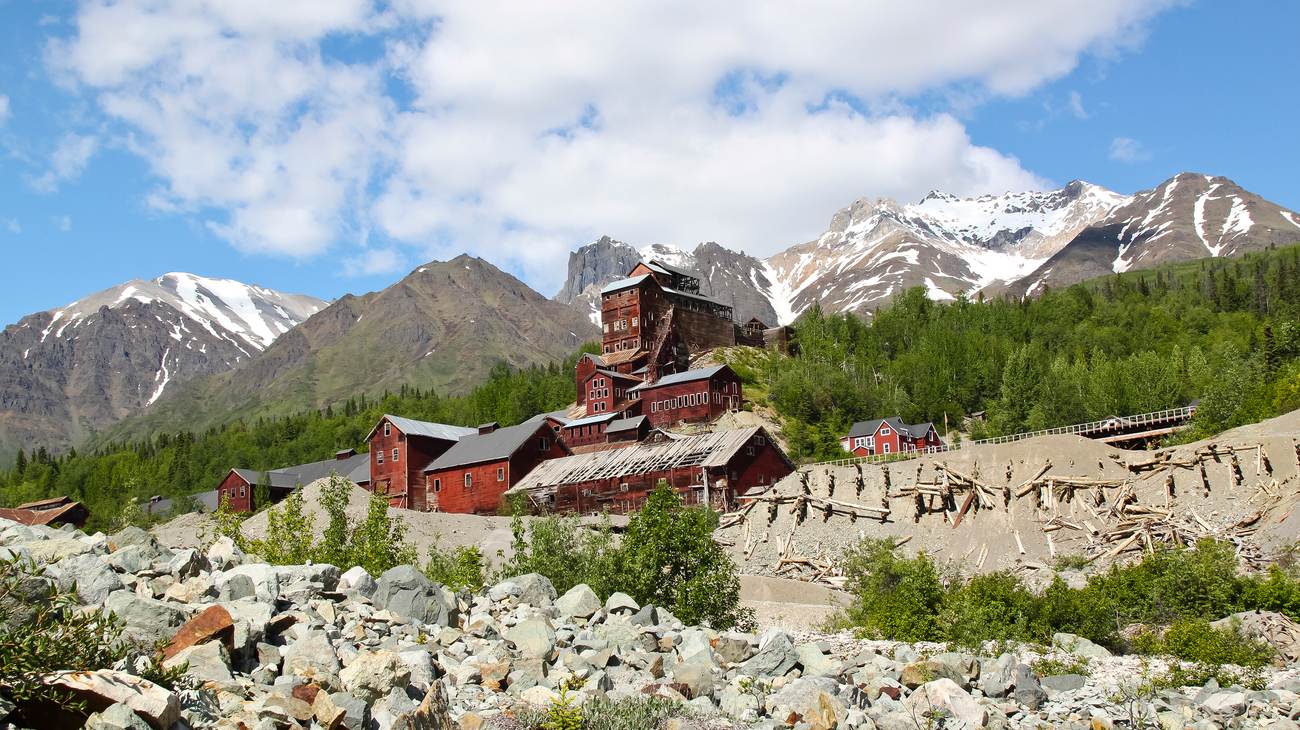
Getting here is part of the initiation: a 60-mile drive along the unpaved McCarthy Road, built over an old railway bed where old railroad spikes still occasionally poke through the gravel. Walking through the creaking wooden hallways of the mill with a National Park ranger, looking out over the dirt streets of McCarthy where off-grid locals still rely on wood stoves and gravity-fed mountain spring water, feels like slipping through a portal into early 20th-century frontier life.
- Quora Traveler Wisdom: Quora road-trippers emphasize: "Do not rush Kennecott on a single afternoon. Stay at a cabin in McCarthy, strap on crampons for a guided ice-walk on Root Glacier, and drink a local spruce tip ale at the Golden Saloon alongside bush pilots and backcountry guides."
- Vehicle Caution: Check your rental car contract; several major corporate rental agencies prohibit driving the McCarthy Road. Rent through local Anchorage outfits like Alaska 4x4 Rentals that permit gravel roads.
5. Seward & The Resurrection Bay Coast
Nestled between jagged snow-dusted peaks and the deep cobalt waters of Resurrection Bay, Seward is the historic terminus of the Alaska Railroad and arguably the state's most versatile coastal hub. It strikes a rare, comfortable balance between wilderness access, maritime heritage, and vibrant local dining.
I spent three days based in Seward, starting mornings with fresh halibut chowder and warm sourdough at the harbor, followed by afternoon sea kayaking along the sea caves of Caines Head. At the Alaska SeaLife Center—the state’s premier marine rescue facility—you can watch harbor seals and giant Pacific octopuses up close, while bald eagles perch on telephone poles along the waterfront like city pigeons.
- Quora Traveler Wisdom: If traveling from Anchorage, Quora travelers overwhelmingly advise taking the Alaska Railroad Coastal Classic train instead of driving. The rails hug the dramatic shoreline of Turnagain Arm before veering inland through remote backcountry valleys and past glacier faces that no highway can reach.
- Local Bite: Grab a bowl of house-made seafood chowder and fish tacos at The Cookery in downtown Seward—reservations are essential during July and August.
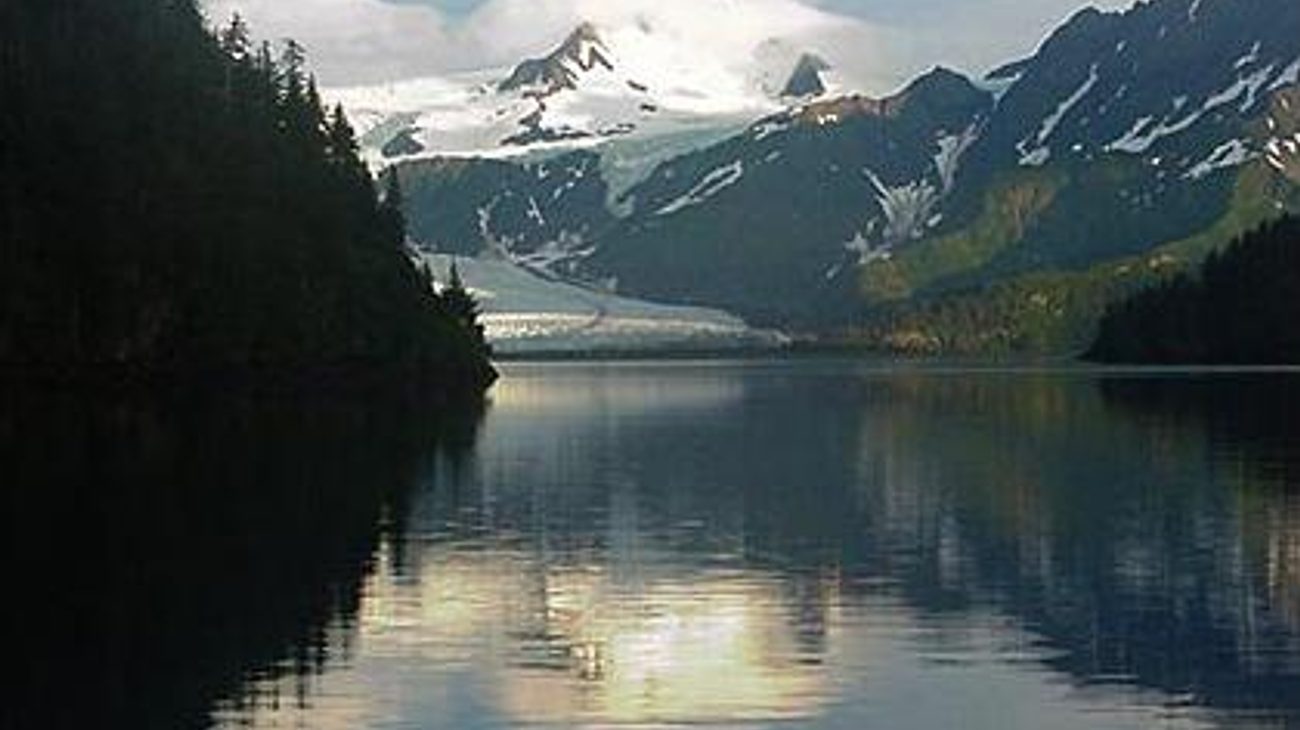
6. Homer & Kachemak Bay: The End of the Road
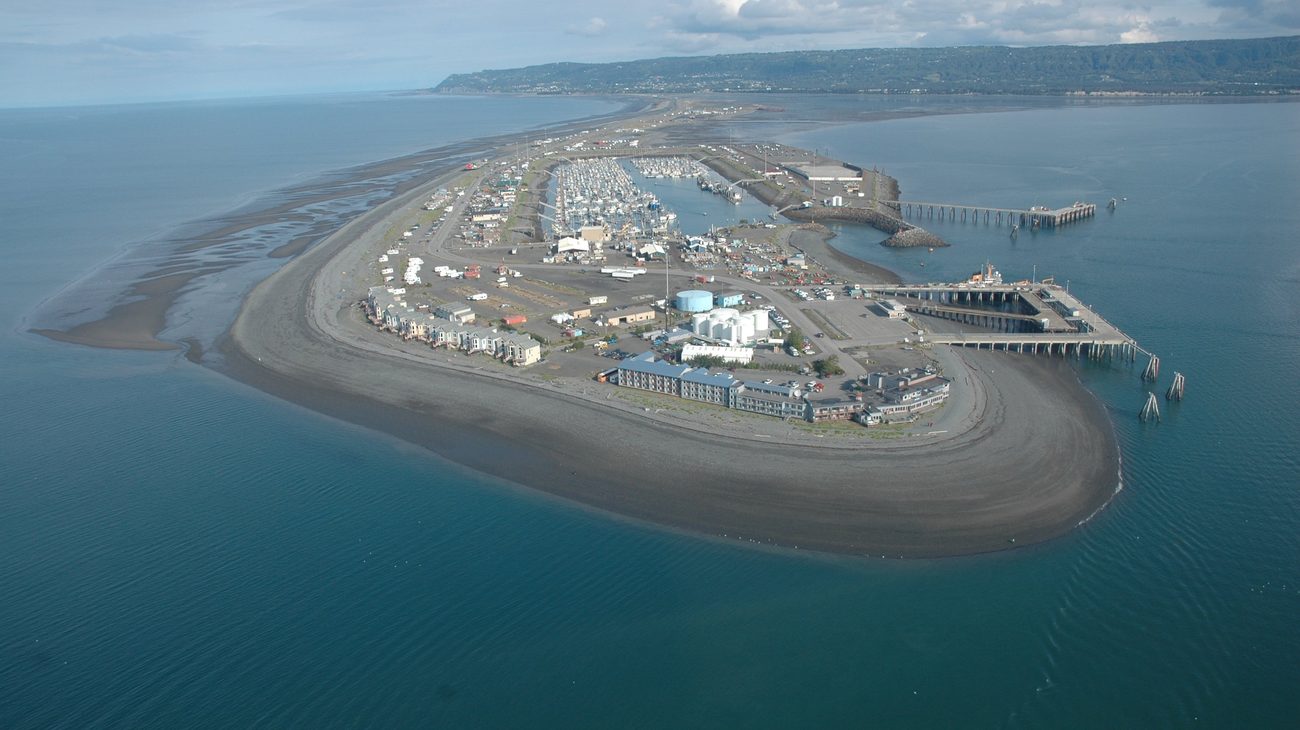
At the southern tip of the Kenai Peninsula, the Sterling Highway quite literally runs out of land on the Homer Spit—a narrow, 4.5-mile finger of gravel jutting directly into the turquoise waters of Kachemak Bay. Long celebrated as the "Halibut Fishing Capital of the World," Homer has an eclectic, bohemian character that feels remarkably distinct from the rest of Alaska.
Here, commercial fishermen, organic homesteaders, artists, and wildlife biologists mingle at the famous Salty Dawg Saloon, an 1897 lighthouse-turned-watering hole whose walls are covered in thousands of autographed one-dollar bills. Across the bay lies Kachemak Bay State Park—a 400,000-acre roadless wilderness where water taxis drop you off for solitary hikes through ancient spruce forests to the iceberg-choked lagoon of Grewingk Glacier.
- Quora Traveler Wisdom: Quora contributors frequently label Homer as the best town in Alaska for culinary lovers. Between fresh oysters from Kachemak Bay, fresh-caught blackened halibut collars, and farm-to-table bakeries like Two Sisters Bakery in Old Town, your tastebuds will eat as well as your eyes.
- Must-Do Activity: Hop a 15-minute water taxi across the bay to the boardwalk artist colony of Halibut Cove.
7. Glacier Bay National Park & Preserve (Southeast Alaska)
Covering 3.3 million acres of the Alaskan Panhandle, Glacier Bay is a UNESCO World Heritage site that protects one of the most dynamic glaciated wildernesses on the planet. Two hundred and fifty years ago, a colossal ice sheet thousands of feet thick filled the entire bay. Today, that ice has retreated 65 miles inland, revealing a living laboratory of plant and animal succession.
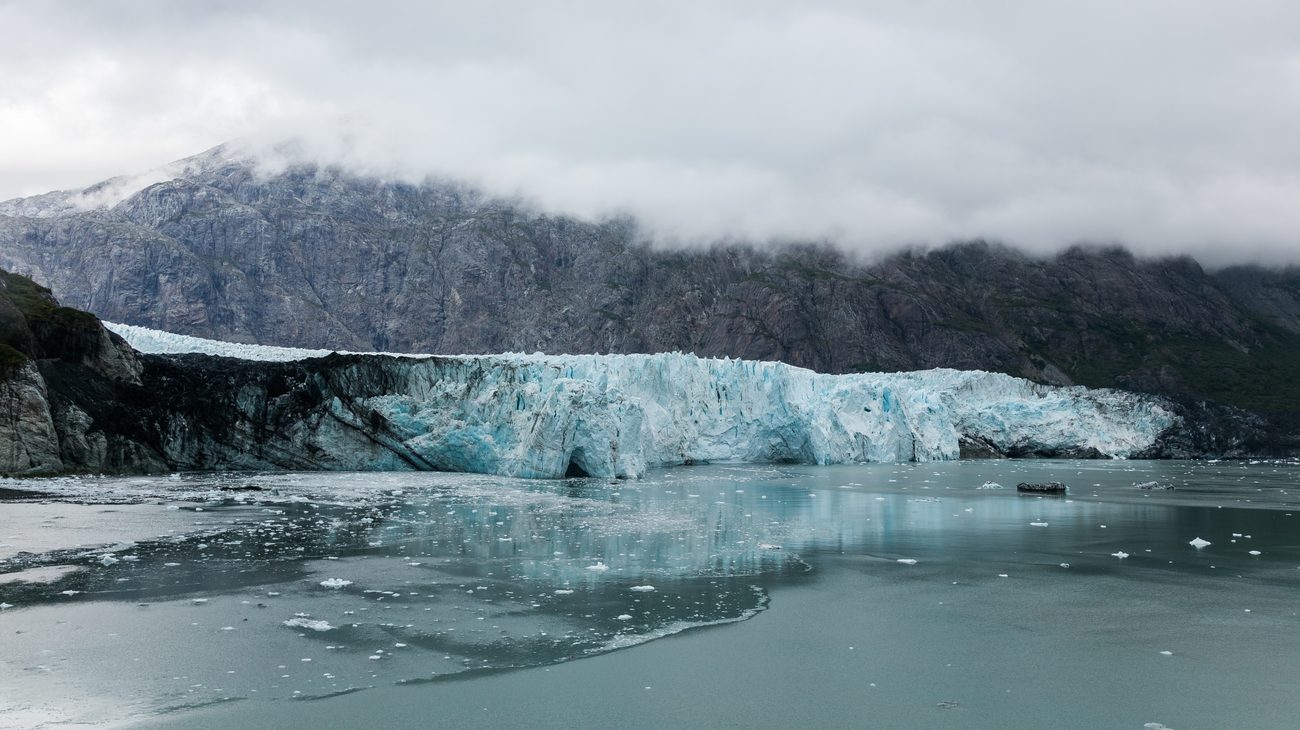
Standing on the deck of a vessel deep inside Tarr Inlet, facing the 250-foot-tall, mile-wide wall of Margerie Glacier, is sensory overload. The ice is an electric neon blue—a color resulting from thousands of years of crushing pressure that squeezes out every microscopic air bubble. When the glacier calves, the shockwave resonates in your chest before the thunderclap even reaches your ears.
- Quora Traveler Wisdom: While over 80% of Glacier Bay visitors see it from cruise ship balconies, Quora adventurers highlight the Glacier Bay Lodge day tour or multi-day guided wilderness sea kayaking trips from Gustavus. Paddling past floating blue bergy bits with harbor seals following your paddle stroke is an experience no megaship can provide.
8. Valdez & Keystone Canyon: The Little Switzerland of Alaska
Tucked at the head of a deep fjord in Prince William Sound, Valdez is cradled by sheer 5,000-foot mountains that collect over 300 inches of snow each winter. Driving into Valdez via the Richardson Highway requires passing through Keystone Canyon, a narrow gorge carved by the Lowe River where vertical rock walls weep with spectacular waterfalls like Bridal Veil Falls and Horsetail Falls.
Valdez is where the Trans-Alaska Pipeline terminates, but for travelers, it is an outdoor paradise. You can sea kayak among luminous blue icebergs in the lagoon of the Columbia Glacier, hike the historic Keystone Canyon pack trail, or book a fishing charter out into Prince William Sound for monster halibut and feisty silver salmon.
- Quora Traveler Wisdom: Quora users frequently recommend Valdez as the ultimate endpoint for a mainland Alaska road trip loop (Anchorage → Glennallen → Valdez → take the Alaska Marine Highway ferry across Prince William Sound to Whittier → drive back to Anchorage). Taking your car aboard the state ferry lets you view marine glaciers without backtracking on the highway.
9. Haines & The Chilkat Bald Eagle Preserve
Located on the shores of Lynn Canal in Southeast Alaska, Haines is a laid-back frontier town with a rich Tlingit cultural heritage and none of the mass-commercial cruise ship congestion of neighboring Skagway. Surrounded by jagged coastal ranges and pristine salmon rivers, it offers an authentic look at coastal Alaskan life.
Between October and December, the Alaska Chilkat Bald Eagle Preserve just north of town hosts the largest gathering of bald eagles anywhere on earth. Over 3,000 eagles congregate along an unusual warm-water "council grounds" on the Chilkat River to feast on a late run of chum salmon. Even during midsummer, you will see dozens of eagles circling overhead as grizzly bears fish along the riverbanks of Chilkoot Inlet.
- Quora Traveler Wisdom: Quora nature photographers recommend Haines over Skagway if you want peace, wildlife photography, and rich Native culture. Be sure to visit the American Bald Eagle Foundation raptor rehabilitation center in town.
10. Sitka: Russian-American History & Baranof Island
Perched on the seaward flank of Baranof Island facing the open Pacific, Sitka is widely considered by Quora travelers to be the most historically fascinating and scenic small town in Southeast Alaska. Originally inhabited by the Tlingit people, it became the capital of Russian America (then named New Archangel) in 1808 before the Alaska Purchase of 1867.
You can walk among the ancient totem poles tucked into lush temperate rainforest at Sitka National Historical Park, explore the golden onion domes of St. Michael's Russian Orthodox Cathedral, and visit Fortress of the Bear, an inspiring non-profit sanctuary that rescues orphaned brown and black bear cubs.
- Quora Traveler Wisdom: A favorite Quora insider tip: climb Castle Hill (Baranof Castle State Historic Site) right at sunset. It offers a majestic 360-degree view over Sitka Sound, dotted with spruce-covered islands, fishing boats heading to sea, and the snow-capped volcanic cone of Mount Edgecumbe in the distance.
11. Hatcher Pass & Independence Mine
Located just 80 minutes northeast of Anchorage in the Talkeetna Mountains, Hatcher Pass is an alpine wonderland that feels like the Scottish Highlands crossed with the Rocky Mountains. The road climbs above the tree line into a high alpine tundra bowl carpeted in wildflowers, mosses, and turquoise tarns.
Preserved at 3,500 feet is Independence Mine State Historical Park, an eerie gold mining camp that buzzed with hundreds of hard-rock miners during the 1930s. Several wooden bunkhouses, stamp mills, and assay offices still stand against the granite mountain walls. During August, local Alaskans flock here with buckets to harvest gallons of wild blueberries on the tundra slopes.
- Quora Traveler Wisdom: Quora road-trippers rate the hike up to April Bowl (2 miles round-trip) as one of the best high-reward, moderate-effort trails in Southcentral Alaska. You ascend past three alpine tarns to a razor-thin ridge overlooking sweeping glacial valleys.
12. Talkeetna & Denali Flightseeing
If a town could personify eccentric Alaskan charm, it would be Talkeetna. Situated at the confluence of three wild rivers (the Susitna, Chulitna, and Talkeetna), this historic village served as the real-life inspiration for the quirky TV series Northern Exposure. Log cabins, rustic roadhouses, and craft breweries line Main Street, and for decades the town’s honorary mayor was a cat named Stubbs.
Talkeetna is also the staging ground for mountaineers attempting to summit Denali, making it the premier location for glacier flightseeing tours. Boarding a ski-equipped de Havilland Beaver or turbine Otter to fly deep into the Ruth Amphitheater and touch down onto thousands of feet of solid glacial ice surrounded by 5,000-foot sheer granite spires is arguably the single most breathtaking excursion in North America.
- Quora Traveler Wisdom: Many Quora travelers strongly advise adding the "glacier landing" option to your flightseeing booking. Standing on the frozen Ruth Glacier with nothing but silence and massive rock walls around you is unforgettable. Afterward, treat yourself to wood-fired pizza and microbrews at the Mountain High Pizza Pie.
13. Lake Clark National Park & Preserve
If Katmai represents high-density bear viewing at a managed boardwalk, Lake Clark National Park represents total, untamed wilderness intimacy. Located just 100 miles southwest of Anchorage, Lake Clark is roadless and accessible only by small floatplane or boat. It encompasses turquoise glacial lakes, smoking active volcanoes (Mount Redoubt and Mount Iliamna), and wild coastal salt marshes.
At places like Chinitna Bay or Silver Salmon Creek, you can walk along open tidal mudflats with an experienced bush guide, observing massive brown bears grazing peacefully on sedge grasses or digging for razor clams within 50 yards of you. The absence of boardwalks or crowds creates a deeply respectful, primal wildlife encounter.
- Quora Traveler Wisdom: Quora backcountry enthusiasts recommend Lake Clark for travelers seeking world-class bear viewing who missed out on the competitive Katmai lodging lottery. Floatplane day trips from Anchorage or Soldotna offer direct drop-offs right on the coastal beach.
14. Girdwood & The Turnagain Arm Scenic Drive
Driving south from Anchorage along the Seward Highway, the road hugs the base of the dramatic Chugach Mountains as they drop sheer into the silt-laden waters of Turnagain Arm. This 45-mile stretch is recognized as an All-American Road—and for good reason. Beluga whales frequently surface alongside the highway chasing salmon, and Dall sheep pick their way across craggy cliffs directly above passing cars.
The drive leads to Girdwood, a funky ski town nestled in a temperate rainforest valley. Take the Alyeska Aerial Tram to the 2,300-foot summit of Mount Alyeska for lunch at the Bore Tide Deli overlooking seven hanging glaciers, then hike the gentle Winner Creek Trail through towering Sitka spruce and hemlock stands.
- Quora Traveler Wisdom: Check local tide charts before driving Turnagain Arm. On days with extreme tidal swings, a massive 6-foot wave known as the Turnagain Arm Bore Tide surges down the inlet at 10–15 mph, frequently attracting adventurous surfers clad in thick 5mm neoprene wetsuits.
15. Utqiaġvik (Barrow) & The Arctic Ocean Coast
For intrepid travelers who want to venture beyond the typical tourist corridors, flying 330 miles north of the Arctic Circle to Utqiaġvik (formerly Barrow) is a transformative cultural and geographical journey. Perched on the frozen edge of the Arctic Ocean, it is the northernmost incorporated community in the United States.
Here, you step into living Iñupiat Eskimo whaling culture, where subsistence hunting traditions have sustained communities for over 1,500 years. Visit the Iñupiat Heritage Center to understand traditional baleen carving, stand before the iconic Whale Bone Arch on the black gravel beach, and look out over the pack ice of the Beaufort Sea. Between May and August, the sun never dips below the horizon for 84 consecutive days.
- Quora Traveler Wisdom: Quora extreme-travel enthusiasts emphasize visiting with cultural humility and an open mind. Utqiaġvik is an active Native community, not an open-air theme park. Dress in serious winter layers even in July, and hire a local Iñupiat guide to safely view polar bears and cultural landmarks.
Alaska Destination Comparison: Quora Quick-Reference
| Destination | Primary Appeal | How to Access | Recommended Duration | Quora Pro-Tip |
|---|---|---|---|---|
| Denali National Park | Grizzly bears, caribou, tundra solitude | Train or Parks Highway (Route 3) | 2–3 Days | Ride transit bus past Mile 43; don't judge the trip by mountain visibility. |
| Kenai Fjords & Seward | Calving glaciers, orcas, puffins | Alaska Railroad or Seward Hwy | 2–3 Days | Book full 8-hour Northwestern Fjord cruise; hike Harding Icefield Trail. |
| Katmai National Park | World-class brown bear salmon fishing | Floatplane from Anchorage or Homer | 1–2 Days | Overnight at Brooks Camp if possible to avoid daytime crowds. |
| Wrangell-St. Elias | Massive wilderness, historic copper mill | Unpaved McCarthy Road (60 miles) | 3 Days | Strap on crampons for a guided Root Glacier trek. |
| Homer & Kachemak Bay | Halibut fishing, artists, water taxis | Sterling Highway (End of the Road) | 2–3 Days | Take a water taxi to Halibut Cove and hike to Grewingk Glacier lagoon. |
| Glacier Bay | Tidewater glaciers, harbor seals | Boat tour / cruise from Gustavus | 1–2 Days | Experience it by small expedition boat or wilderness sea kayak. |
| Valdez | Prince William Sound, waterfalls | Richardson Hwy or State Ferry | 2 Days | Take the Alaska Marine Highway ferry across Prince William Sound. |
| Haines | Bald eagle congregations, quiet coast | Ferry from Juneau or Haines Hwy | 1–2 Days | Visit Chilkat Bald Eagle Preserve during late autumn salmon runs. |
| Sitka | Russian-Tlingit heritage, Castle Hill | Alaska Airlines flight or Ferry | 2 Days | Watch the sunset from Castle Hill; visit Fortress of the Bear. |
| Talkeetna | Denali flightseeing, quirky roadhouse | Route 3 / Parks Highway | 1–2 Days | Always book the glacier landing add-on for your flight tour. |
| Lake Clark | Remote bears, active volcanoes | Floatplane from Anchorage/Kenai | 1 Day | Best alternative to Katmai without the competitive lottery. |
| Hatcher Pass | Alpine tundra, 1930s gold mine | 80 mins drive from Anchorage | Half to Full Day | Hike April Bowl trail and pick wild blueberries in late August. |
| Girdwood / Turnagain | Belugas, bore tide, temperate rainforest | 45 mins drive on Seward Hwy | 1 Day | Ride Alyeska tram to Seven Glaciers and watch bore tide surfers. |
| Utqiaġvik (Barrow) | Arctic Ocean pack ice, Iñupiat culture | Alaska Airlines jet to BRW | 1–2 Days | Hire a local Iñupiat guide and respect sacred whaling traditions. |
4 Rules for Alaska Travel Quora Veterans Insist You Follow
- Build a "Weather Buffer" Day into Every Itinerary: Bush planes, small ferries, and glacier cruises cancel frequently due to coastal gales or subarctic fog. If your international flight departs Anchorage on Sunday evening, never schedule a remote floatplane tour for Sunday morning.
- Dress Exclusively in Synthetic Layers (No Cotton): Coastal Alaska averages 50°F to 60°F in summer with frequent sideways drizzle. Cotton absorbs moisture and accelerates hypothermia. Pack merino wool base layers, a fleece mid-layer, and a seam-sealed Gore-Tex rain jacket.
- Carry Bear Spray and Know How to Draw It: When hiking anywhere in Alaska—including municipal trails in Anchorage or Juneau—carry a can of EPA-approved bear spray on your hip or chest holster, never buried inside your backpack. Make noise around blind river bends.
- Rent Your Vehicle 6 to 9 Months in Advance: Alaska has a severe shortage of rental vehicles during June, July, and August. Waiting until spring often results in rental rates exceeding $350–$500 per day.
Frequently Asked Questions (FAQ)
What is the single best month to visit Alaska for wildlife and good weather?
July through mid-August offers the most balanced weather, open park roads, peak salmon runs, and prime bear viewing across Katmai and Denali. However, if your priority is viewing the Northern Lights (Aurora Borealis) alongside daytime hikes and vivid red-and-gold autumn tundra, visit between August 25 and September 20.
Do I need a cruise ship to see the best parts of Alaska?
No. In fact, seasoned travelers on Quora almost universally favor an independent land trip (or a combination of renting a car and taking the Alaska Marine Highway ferry) over a mega cruise ship. Land travel lets you stay deep within Denali, spend full days with brown bears, dine at local seafood shanties, and escape port-town crowds.
Is Alaska too expensive for budget-conscious travelers?
Alaska is undeniably more expensive than the Lower 48 due to remote shipping logistics and a brief 90-day tourism window. However, you can dramatically cut costs by renting a small camper van, buying groceries at Carrs or Costco in Anchorage, camping in state and national park campgrounds, and prioritizing self-guided hikes over daily $400 helicopter tours.
Can I drive to all of Alaska's top national parks?
Surprisingly, no. Out of Alaska's eight national parks, only three (Denali, Kenai Fjords, and Wrangell-St. Elias) are connected to the road system. The remaining five (Katmai, Lake Clark, Glacier Bay, Gates of the Arctic, and Kobuk Valley) require floatplanes, bush planes, or boats to access.
More Comprehensive Travel Guides & Road Trips:
- 10 Best Great Lakes Circle Tour Stops Reddit Travelers Recommend in 2027
- 10 Best Michigan Upper Peninsula Waterfall Road Trip Stops Reddit Travelers Recommend in 2027
- 10 Best Keweenaw Peninsula Scenic Drives Reddit Travelers Recommend in 2027
- 10 Best Route 66 Hidden Roadside Attractions Reddit Travelers Recommend in 2027
- 10 Best New Mexico Desert Road Trips Reddit Travelers Recommend in 2027
This article is for informational purposes. Flight routes, passenger regulations, visa rules, and transit advisories are subject to change by airlines and aviation authorities. Readers are advised to verify schedules and travel documentation with relevant carriers and border agencies before departure.
Related Stories

15 Best Places to Visit in the USA for First-Time Travelers According to Quora
15 Best Places to Visit in India That International Travelers Should Know About