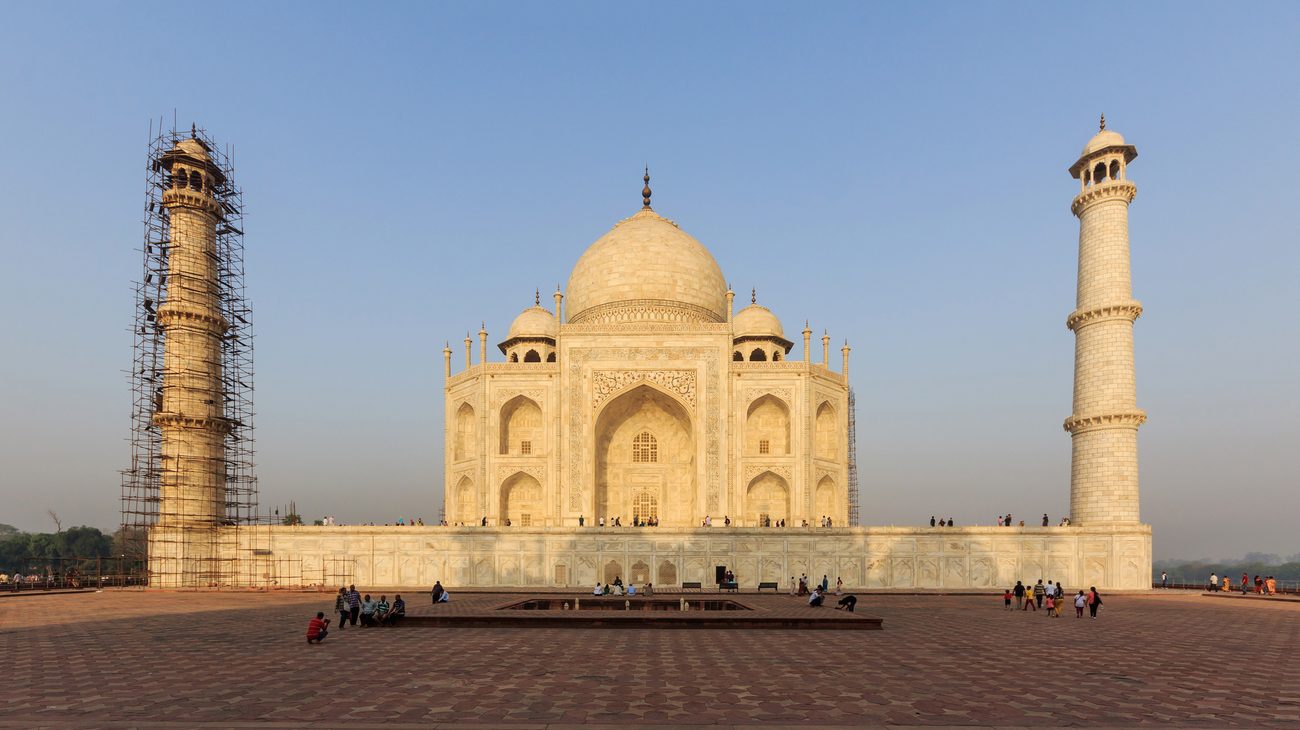
15 Best Places to Visit in the USA for First-Time Travelers According to Quora


The iconic silhouette of Lower Manhattan glowing at twilight across the East River from Brooklyn Bridge Park.
Planning your first trip to the United States is notoriously overwhelming. When international travelers post their initial two-week itinerary drafts on Quora, the common mistake is trying to treat America like a mid-sized European country: "We want to spend Monday in New York, drive to Miami on Tuesday, visit the Grand Canyon on Thursday, and finish in Los Angeles by Sunday."
Seasoned American travel writers and Quora top contributors immediately point out reality: the continental United States is nearly 3,000 miles wide, covering four mainland time zones, 63 national parks, and wildly divergent cultural identities. Visiting the mist-shrouded redwoods of Northern California feels like an entirely different planet than eating hot crawfish beignets to live brass jazz in New Orleans.
Over the past decade of exploring America from coast to coast—riding cross-country Amtrak trains, driving historic two-lane highways, and hiking through sacred desert canyons—I have learned that the best first-time trips focus on high-impact anchor destinations paired with breathtaking natural landscapes.
If you are planning your first American odyssey, here are the 15 best places to visit in the USA that Quora travelers consistently recommend.
1. New York City: The Electric Heart of America (New York)
No matter how many films or television shows you have watched, nothing prepares you for the visceral sensory overload of stepping out of a subway stairwell onto the pavement of Manhattan. The steam rising from manhole covers, the yellow cabs honking in rhythm, the aroma of roasted street halal cart chicken mingling with warm pretzels, and skyscrapers that block out the sun—it is the quintessential American urban experience.
Walk across the wooden pedestrian boardwalk of the Brooklyn Bridge at sunrise, looking back as early morning light glints off One World Trade Center. Spend an afternoon getting lost in the 843 acres of Central Park, marveling at how a dense oak woodland and tranquil rowboat lake can sit directly beside the bustling canyon of Fifth Avenue. Spend your evenings taking in a Broadway production, exploring world-class art at the Met, or slipping into an underground jazz club in Greenwich Village.
- Quora Traveler Wisdom: Avoid spending your entire trip within the tourist vortex of Times Square. Take the subway out to Brooklyn—walk through brownstone-lined Brooklyn Heights, grab authentic thin-crust coal-fired pizza at Juliana’s or Grimaldi’s under the bridge, and enjoy the sunset from DUMBO.
- Transit Tip: Never rent a car in New York City. The NYC subway runs 24/7, costs under $3 per ride with contactless OMNY tap-to-pay on your phone, and is infinitely faster than battling Manhattan traffic.
2. Grand Canyon National Park: Earth's Greatest Chasm (Arizona)
Nothing on earth prepares your eyes for your first glimpse over the rim of the Grand Canyon. Measuring 277 miles long, up to 18 miles wide, and over a mile deep, its banded red, orange, and purple rock strata expose nearly two billion years of the Earth's geological history.

Most first-time visitors head to the South Rim, which remains open year-round and offers the most dramatic, accessible viewpoints like Mather Point, Yavapai Point, and Desert View Watchtower. For a deeper perspective, hike down the Bright Angel or South Kaibab Trail to Ooh Aah Point. Walking just one mile below the rim removes 90% of the crowds and immerses you in the echoing silence of the canyon.
- Quora Traveler Wisdom: Quora contributors strongly caution against the commercial "Grand Canyon West" glass skywalk if you want authentic wilderness—it is not part of the National Park and is expensive. Stick to Grand Canyon National Park (South Rim). Watch both sunrise and sunset; the shifting solar angles change the canyon walls from ochre to glowing magenta.
- Pro-Tip: Combine the Grand Canyon with the red rock vortices and art galleries of Sedona, located just two hours south through scenic Oak Creek Canyon.
3. San Francisco & Highway 1 Pacific Coast (California)
Perched on a thumb of land between the Pacific Ocean and San Francisco Bay, San Francisco is one of America’s most photogenic and culturally revolutionary cities. Its steep, roller-coaster hills are framed by pastel Victorian "Painted Ladies," historic rumbling cable cars, and the monumental orange steel towers of the Golden Gate Bridge.
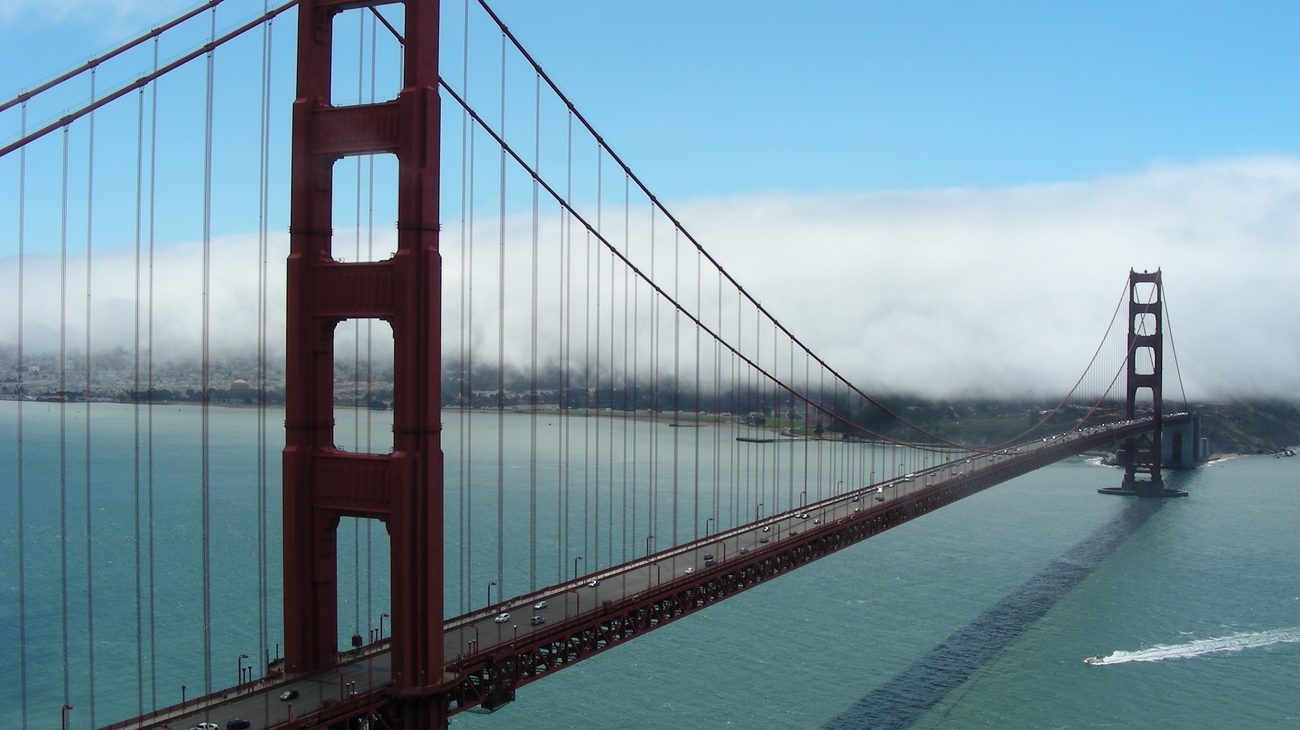
Ride a historic cable car over Nob Hill down to Fisherman’s Wharf, take the ferry out to the notorious island fortress of Alcatraz, and stroll through the vibrant alleys of the oldest Chinatown in North America for fresh dim sum. Then, rent a car and drive south down California Highway 1 through the dramatic seaside cliffs of Big Sur and Monterey.
- Quora Traveler Wisdom: The famous summer fog ("Karl the Fog") means San Francisco is often cold and windy in July and August (often dipping to 55°F / 13°C). Quora locals remind first-timers: "Never visit San Francisco in summer without a warm windbreaker or fleece jacket. The warmest, sunniest months are actually September and October."
4. Yellowstone National Park: The Geothermal Wonderland (Wyoming/Montana)
Established in 1872 as the world’s very first national park, Yellowstone sits atop an active volcanic caldera that powers more than half of the planet’s geothermal features. Here, the earth boils, hisses, and shoots steaming water hundreds of feet into the sky.
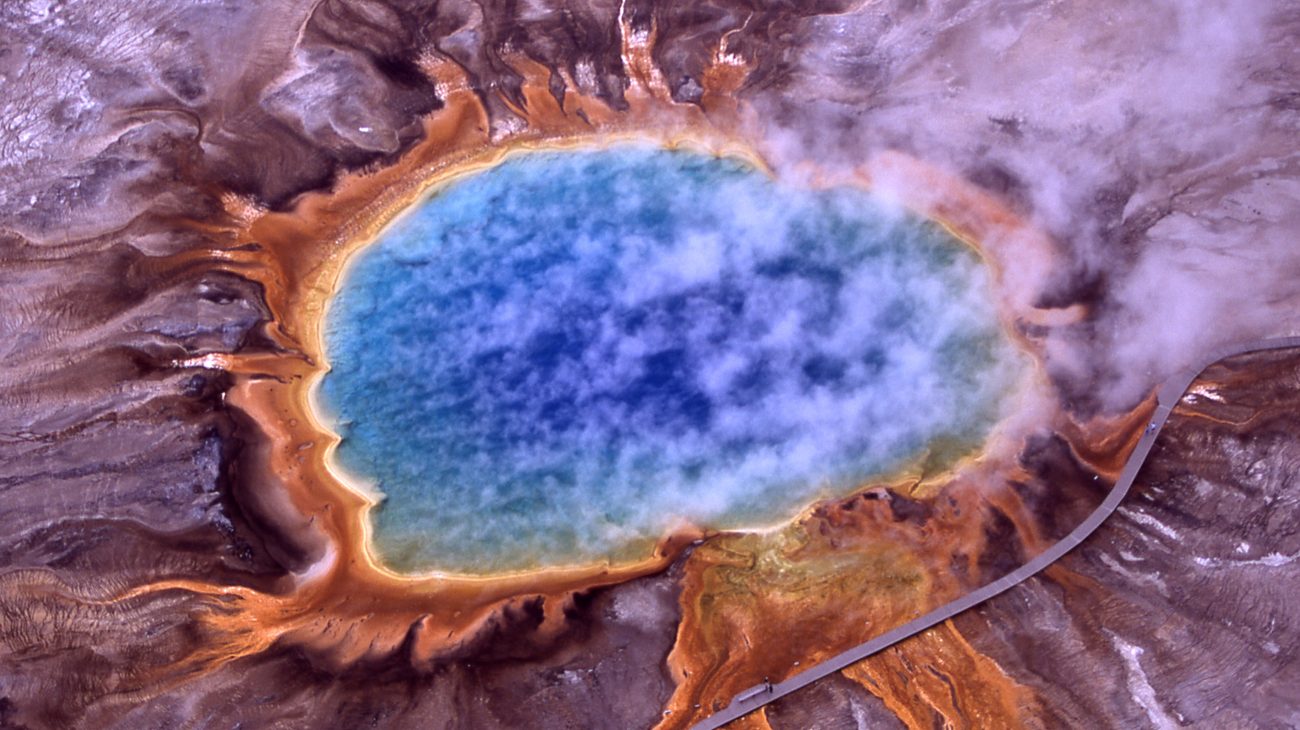
The centerpiece is the Grand Prismatic Spring, an enormous geothermal pool whose concentric rings of deep turquoise, amber, and fiery orange bacteria look like an alien eye. Watch Old Faithful erupt with clockwork precision, marvel at the pastel travertine terraces of Mammoth Hot Springs, and drive into the Lamar Valley at dawn, where thousands of wild bison roam alongside grizzly bears and wolf packs.
- Quora Traveler Wisdom: Yellowstone is massive—larger than the states of Rhode Island and Delaware combined. Driving between major basins can take 2 to 3 hours due to wildlife "bison jams." Book lodging inside the park at least 6 to 9 months ahead, or stay in gateway towns like Gardiner, Montana.
- Safety Rule: Never approach wildlife. Stay at least 25 yards from bison and elk, and 100 yards from bears and wolves.
5. Washington, D.C.: Living American History & Monuments
The nation’s capital is an exceptionally walkable, low-rise city designed on a grand neoclassical scale. What makes Washington, D.C. an absolute paradise for first-time international travelers is accessibility: almost all of its greatest cultural treasures are completely free of charge.
Stroll down the tree-lined two-mile spine of the National Mall, standing beneath the colossal marble statue of Abraham Lincoln at the Lincoln Memorial, gazing out past the Reflecting Pool to the Washington Monument and the United States Capitol dome. Spend days exploring the world-renowned Smithsonian Institution museums—including the National Air and Space Museum, the National Museum of Natural History, and the National Museum of African American History and Culture.
- Quora Traveler Wisdom: Visit the major monuments at night. Walking up the marble steps of the Lincoln Memorial or Jefferson Memorial under dramatic floodlights, with soft evening breezes off the Potomac River, is an awe-inspiring experience free from school tour groups.
- Neighborhood Gem: Spend an evening in historic Georgetown, strolling cobblestone streets lined with 18th-century row houses, canal paths, and waterfront seafood taverns.
6. New Orleans: Soul, Jazz & Creole Magic (Louisiana)
There is no city in America quite like New Orleans (NOLA). Shaped by three centuries of French, Spanish, African, and Caribbean influences, the Crescent City is a hypnotic celebration of music, culinary indulgence, and historical mystique.
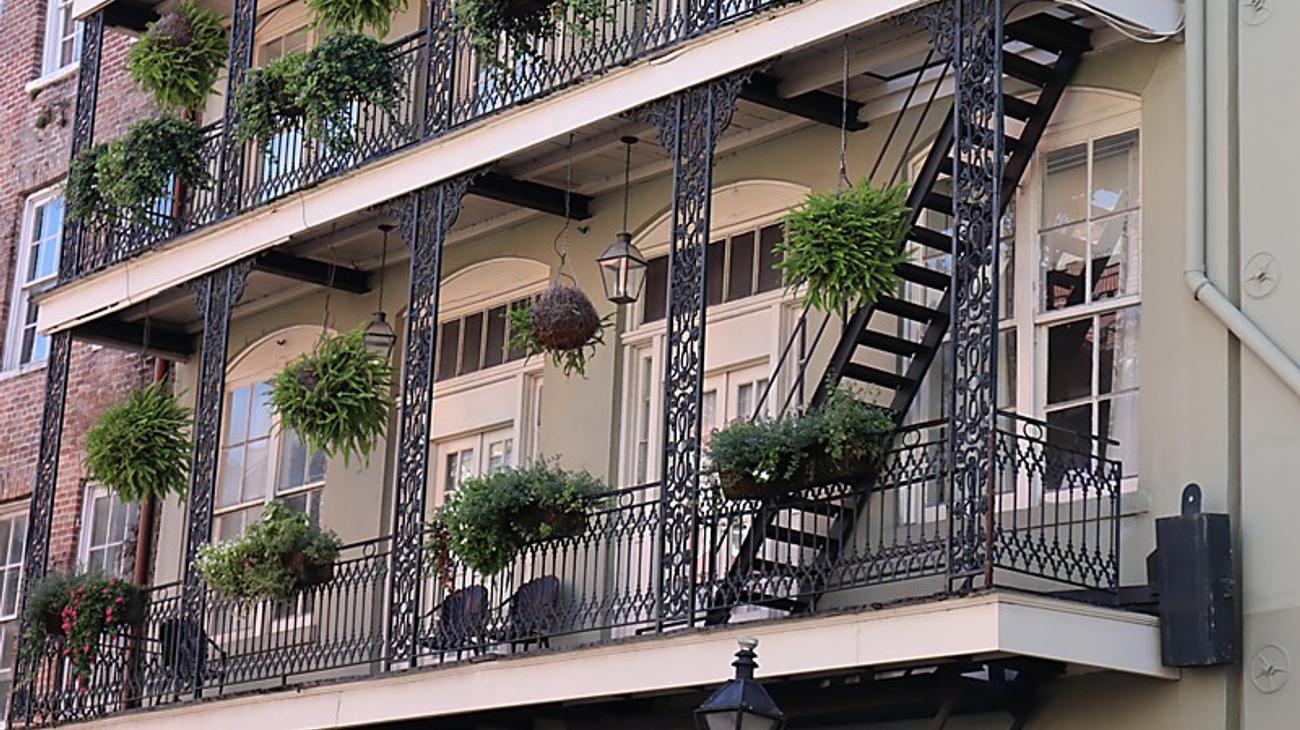
Wander the French Quarter, admiring the ornate Spanish wrought-iron balconies, gas lamps, and hidden courtyards draped in lush ferns. Order warm, powdered-sugar-dusted beignets with chicory café au lait at Café du Monde, then head down to Frenchmen Street in the Marigny neighborhood to hear world-class live brass bands, funk, and traditional jazz in intimate, no-cover clubs.
- Quora Traveler Wisdom: Quora veterans advise: "Bourbon Street is loud, messy, and mostly geared toward college spring breakers. If you want authentic New Orleans soul, spend your evenings on Frenchmen Street or catch an acoustic performance at the legendary Preservation Hall."
- Food Must-Try: Gumbo, jambalaya, crawfish étouffée, and warm po'boy sandwiches at neighborhood corner joints like Mother's Restaurant or Napoleon House.
7. Yosemite National Park: The Cathedral of Granite (California)
Located in California’s Sierra Nevada mountains, Yosemite Valley is a monument to glacial power. Within a compact seven-square-mile valley floor rise towering sheer granite monoliths that have inspired generations of adventurers: El Capitan, the 3,000-foot vertical granite wall that is the holy grail of rock climbing, and the iconic rounded crest of Half Dome.
Roaring waterfalls like Yosemite Falls (plunging 2,425 feet in three dramatic tiers) and Bridalveil Fall spray mist across the valley meadows. Drive up to Glacier Point for a sweeping eagle-eye panorama of the entire High Sierra crest, and walk beneath the ancient, 2,000-year-old giant sequoia trees in the Mariposa Grove.
- Quora Traveler Wisdom: Peak waterfall season is May and June when Sierra snowmelt is at its thundering zenith. By late August, several falls can dry to a trickle. Be aware that Yosemite enforces a peak-hours driving reservation system during spring and summer weekends; secure permits on Recreation.gov months in advance.
8. Zion & Bryce Canyon National Parks: Utah’s Red Rock Wonders
Southern Utah holds the most concentrated wonderland of sculpted sandstone on the planet. In Zion National Park, unlike the Grand Canyon where you look down from the rim, you stand on the lush valley floor of Zion Canyon looking straight up at towering 2,000-foot crimson and ivory sandstone walls.
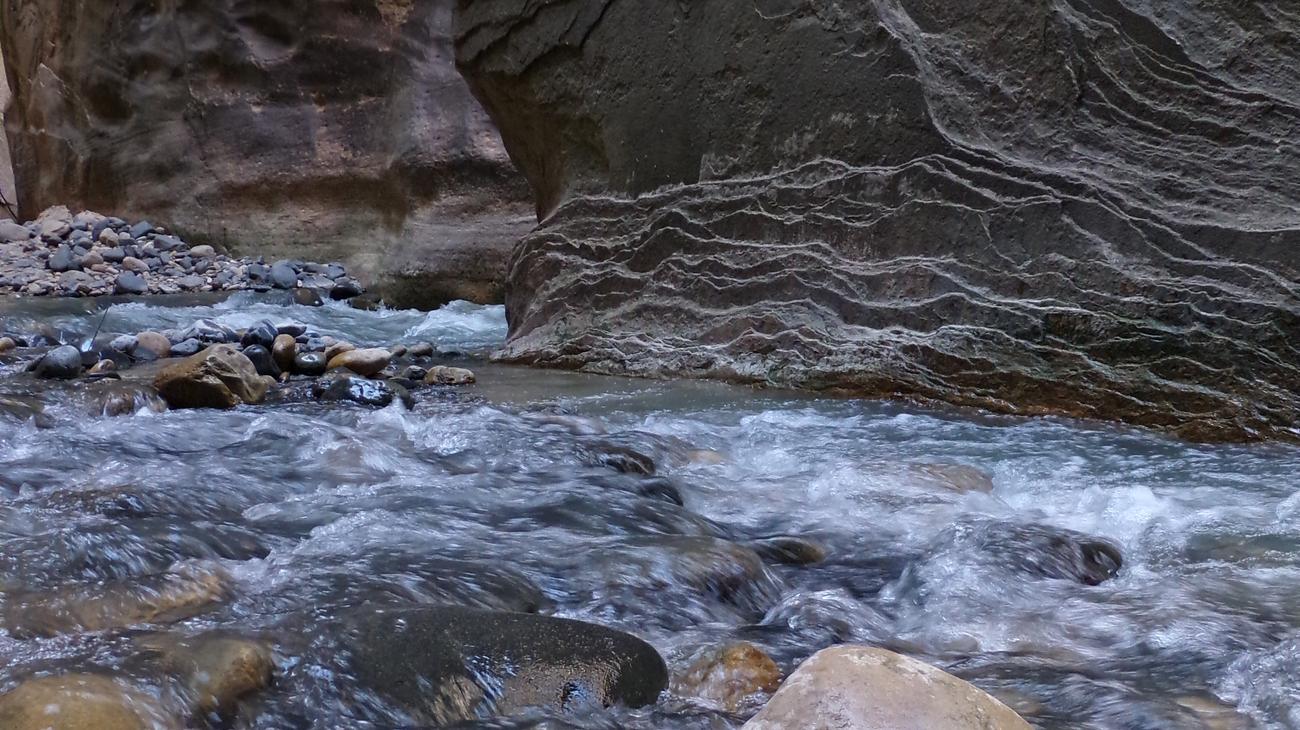
The defining adventure here is hiking The Narrows, wading directly up the crystal-clear waters of the Virgin River through a towering canyon that narrows to just twenty feet wide beneath thousand-foot vertical rock faces. Just 80 miles northeast lies Bryce Canyon National Park, an otherworldly high-altitude amphitheater packed with thousands of fragile, orange-and-white limestone "hoodoos" (rock spires) carved by freeze-thaw erosion.
- Quora Traveler Wisdom: For hiking The Narrows, rent neoprene socks, canyoneering boots, and a sturdy wooden walking stick from an outfitter in Springdale. Never enter The Narrows if rain is in the forecast anywhere in the region due to lethal flash flood risks.
9. Las Vegas & Valley of Fire (Nevada)
Rising like an electric neon oasis in the middle of the Mojave Desert, Las Vegas is America's ultimate playground of entertainment, mega-resorts, and culinary excess. Walking The Strip after dark is pure spectacle: watching the synchronized dancing waters of the Bellagio Fountains, catching a world-class Cirque du Soleil production, and dining at restaurants helmed by Michelin-starred celebrity chefs.
Yet, what surprises most first-time visitors is what lies just outside the city limits. Just 45 minutes northeast sits Valley of Fire State Park, an ancient geological wonderland of Aztec sandstone formations that glow like burning embers under the desert sun, adorned with ancient Native American petroglyphs carved thousands of years ago.
- Quora Traveler Wisdom: Midweek hotel rates (Tuesday through Thursday) in Las Vegas are often 60% to 75% cheaper than weekend rates. Use Vegas as an affordable base to rent a car and launch road trips to the Grand Canyon, Hoover Dam, and Zion.
10. Maui & Oahu: The Tropical Pacific Paradises (Hawaii)
Visiting Hawaii is an exotic departure from the American mainland. Oahu blends the energy of Honolulu and the world-famous sands of Waikiki Beach with solemn history at Pearl Harbor and the massive winter surf breaks of the North Shore.
Meanwhile, Maui offers a more relaxed, nature-centric island escape. Wake up at 4:00 AM to drive through eucalyptus and cloud forests to the 10,023-foot summit of Haleakalā National Park to watch the sunrise above a sea of clouds. Later, drive the legendary Road to Hana, a winding 64-mile jungle highway crossing 59 one-lane bridges past thundering waterfalls, black sand beaches, and roadside banana bread stands.
- Quora Traveler Wisdom: Quora contributors urge visitors to embrace mālama (caring for the land and culture). Respect sacred cultural sites, use reef-safe sunscreen to protect delicate coral reefs, and never touch green sea turtles (honu) or monk seals resting on the beach.
11. Chicago: Architecture, Blues & Lake Michigan (Illinois)
Rising proudly from the southwest shore of Lake Michigan, Chicago is the birthplace of the modern skyscraper. Following the Great Chicago Fire of 1871, architects turned the city into a global showcase of cutting-edge design, resulting in what many travelers consider America's most architectural city.
Take the world-famous Chicago Architecture Center River Cruise, where expert docents narrate the engineering feats behind iconic towers like the Willis Tower (Sears Tower) and Marina City from an open-air riverboat. Snap your reflection in Anish Kapoor’s famous Cloud Gate sculpture (affectionately known as "The Bean") in Millennium Park, stroll along the pedestrian Riverwalk, and sample Chicago-style deep-dish pizza at Lou Malnati's or Pequod’s.
- Quora Traveler Wisdom: Visit between June and September. Chicago’s summer energy is electric—beaches along Lake Michigan are packed, free concerts fill the Jay Pritzker Pavilion, and neighborhoods burst with street food festivals.
12. Savannah, Georgia & Charleston, South Carolina
For first-time travelers who want to experience the romantic charm and rich historical tapestry of the American South, the coastal sister cities of Savannah and Charleston are unmissable.
Savannah is famous for its 22 historic public squares shaded by massive live oak trees draped in ethereal Spanish moss, lined with antebellum mansions and cobblestone riverfront streets. Just two hours north, Charleston boasts pastel Georgian row houses ("Rainbow Row"), horse-drawn carriage tours, and an acclaimed Lowcountry culinary scene celebrating shrimp and grits, she-crab soup, and wood-smoked Carolina barbecue.
- Quora Traveler Wisdom: Savannah has an open-container law in its historic district, allowing you to walk freely from square to square with a craft cocktail or sweet tea in hand. Book a guided historical walking tour to understand the complex history of Gullah Geechee culture and coastal civil rights.
13. Seattle & Mount Rainier National Park (Washington)
Cradled between the saltwater of Puget Sound and the freshwater of Lake Washington, Seattle is the emerald metropolis of the Pacific Northwest. Watch fishmongers fling whole King salmon through the air at the historic Pike Place Market, ride the elevator to the observation deck of the Space Needle, and explore the museum celebrating indigenous glass art at Chihuly Garden and Glass.
On clear days, the horizon is dominated by the colossal ice-clad volcanic cone of Mount Rainier (14,411 feet). Driving just two hours south brings you into Mount Rainier National Park’s Paradise area, where subalpine meadows explode in purple lupine and scarlet paintbrush wildflowers beneath massive active glaciers.
- Quora Traveler Wisdom: Take the Washington State Ferry from downtown Seattle to Bainbridge Island for under $10. It offers the most spectacular view of the Seattle skyline with Mount Rainier towering in the background.
14. Great Smoky Mountains National Park (Tennessee/North Carolina)
Consistently ranking as the most visited national park in the United States, the Great Smoky Mountains protect an ancient, mist-draped ridge of the Appalachian chain. The park’s signature blue haze—caused by volatile organic compounds released by millions of trees—gives the ridges their poetic name.
Explore Cades Cove, a broad, verdant mountain valley surrounded by peaks where historic 19th-century log cabins, barns, and churches stand preserved alongside herds of white-tailed deer and wild black bears. Climb to the observation tower at Clingmans Dome (Kuwohi), the highest point in the park at 6,643 feet, for a 360-degree vista spanning seven states on clear days.
- Quora Traveler Wisdom: Entrance to Great Smoky Mountains National Park is completely free (protected by historic deed agreements), though a nominal parking tag is required if parking for more than 15 minutes. Visit during mid-to-late October to witness one of the most brilliant autumn hardwood leaf displays in North America.
15. Key West & The Florida Keys (Florida)
Stretching 120 miles southwest off the tip of mainland Florida, the Florida Keys are connected by the breathtaking Overseas Highway (US-1), a scenic engineering marvel that leaps from island to island across 42 bridges, including the famous Seven Mile Bridge over azure ocean waters.
At the very end of the road lies Key West, a quirky, tropical island haven with gingerbread Victorian houses, free-roaming roosters, and a storied bohemian past that attracted Ernest Hemingway, Tennessee Williams, and President Harry Truman. Spend your days snorkeling North America’s only living coral barrier reef, tour the Hemingway Home, and join hundreds of travelers every evening at Mallory Square for the lively Sunset Celebration.
- Quora Traveler Wisdom: Don't leave Key West without eating a slice of authentic, pale-yellow Key Lime pie (if it's bright green, it uses artificial food coloring!). Stop on your drive down at Bahia Honda State Park for the best natural beach in the Keys.
USA First-Time Destinations: Quora Quick-Reference Table
| Destination | Region | Main Appeal | How to Get Around | Quora Traveler Pro-Tip |
|---|---|---|---|---|
| New York City | Northeast | Skyline, Broadway, museums, food | Subway & Walking | Avoid Times Square for food; explore Brooklyn neighborhoods. |
| Grand Canyon | Southwest | Vast geological chasm | Rental car / Park shuttle | Hike below the rim on South Kaibab Trail for real solitude. |
| San Francisco | West Coast | Golden Gate, Victorian architecture | Cable cars, BART, walking | Summer is chilly and foggy; pack a warm windbreaker. |
| Yellowstone | Mountain West | Geysers, hot springs, wild bison | Rental car essential | Book in-park lodging 9 months ahead; never approach bison. |
| Washington, D.C. | Mid-Atlantic | Free Smithsonian museums, monuments | Metro & Walking | Walk the National Mall monuments after dark under floodlights. |
| New Orleans | South | Live jazz, Creole dining, French Quarter | Streetcars & Walking | Head to Frenchmen Street for authentic, intimate live music. |
| Yosemite | West Coast | Granite monoliths, waterfalls | Rental car / YARTS bus | May–June offers peak thundering waterfalls from snowmelt. |
| Zion & Bryce | Southwest | Red rock canyons, The Narrows | Park shuttle (Zion) | Rent canyoneering boots to wade up The Narrows. |
| Las Vegas | Southwest | Neon nightlife, shows, day trips | Monorail, rideshare, car | Midweek hotel rates are up to 70% cheaper than weekends. |
| Maui & Oahu | Pacific | Beaches, volcanoes, Polynesian culture | Rental car | Practice mālama and respect protected sea turtles and reef rules. |
| Chicago | Midwest | River architecture, art, deep-dish | 'L' Train & Walking | Take the Chicago Architecture Center open-air river cruise. |
| Savannah / Charleston | South | Oak-lined squares, Lowcountry dining | Walking & Carriage | Savannah allows open alcoholic beverages in its historic district. |
| Seattle | Pacific Northwest | Pike Place Market, Mount Rainier | Monorail, Ferries, Car | Take the Bainbridge Island ferry for the best skyline view. |
| Great Smoky Mountains | Southeast | Blue mist ridges, black bears, history | Rental car | Visit Cades Cove early morning to spot grazing black bears. |
| Key West | Southeast | Overseas Highway, coral reefs, sunsets | Walking & Bicycles | Authentic Key Lime pie is always pale yellow, never green. |
4 Golden Rules for First-Time USA Travel
- Pick One or Two Geographic Regions (Don't Overextend): If you have two weeks, focus on either the Northeast Corridor (New York, Philadelphia, Washington, D.C.), the American Southwest (Las Vegas, Grand Canyon, Zion, Utah), or California (San Francisco, Highway 1, Yosemite, Los Angeles). Trying to cross the continent every three days will leave you exhausted in airport security lines.
- Master the Tipping Culture: In American sit-down restaurants, servers rely on tips for their living wage. The standard tip is 18% to 20% of the pre-tax bill for good service. Tips are generally not expected at fast-food counter service, though tip jars exist.
- Get an "America the Beautiful" National Parks Pass: If you plan on visiting three or more national parks during your trip, buy the $80 annual America the Beautiful pass at the entrance station of your first park. It covers entrance fees for an entire carload and saves substantial money.
- Always Carry a Physical Credit Card: While mobile payment (Apple Pay / Google Pay) is widely accepted in major cities, car rental agencies, national park entrance stations in remote areas, and highway toll booths frequently require a physical card.
Frequently Asked Questions (FAQ)
What is the best way to travel between major US cities?
Between East Coast cities (Boston, New York, Philadelphia, Washington, D.C.), the Amtrak train (especially the high-speed Acela or Northeast Regional) is faster and more comfortable than flying or driving. For crossing long distances between regions (e.g., New York to California or Chicago to Florida), domestic budget flights on Delta, United, American, or Southwest are the standard.
How much spending money should I budget per day in the USA?
For an average comfortable trip (mid-range hotel, two meals out, subway/transit, and museum admissions), budget $180 to $280 per person per day in expensive cities like New York, San Francisco, or Honolulu. In regional hubs, the South, and national park road trips, costs often drop to $120 to $180 per day.
Do I need an International Driving Permit (IDP) to rent a car?
If your foreign driver's license is in English with an official photo, most major rental companies (Enterprise, Hertz, Avis) accept it alongside your valid passport. However, if your license is in a non-Latin script (such as Japanese, Arabic, or Cyrillic), an International Driving Permit translation is legally required.
Is the United States safe for solo travelers?
Yes, the vast majority of popular travel destinations and national parks are exceptionally safe for solo travelers. Practice standard urban common sense: stay aware of your surroundings at night, keep valuables out of sight in rental cars, and stay on designated park trails.
Discover More Inspiring Global Travel Guides:
- 15 Best Places to Visit in Alaska According to Quora: A Wilderness Guide
- 15 Best Places to Visit in Canada According to Quora: Iconic Rockies to Secret Frontiers
- 10 Best Great Lakes Circle Tour Stops Reddit Travelers Recommend in 2027
- 10 Best Route 66 Hidden Roadside Attractions Reddit Travelers Recommend in 2027
This article is for informational purposes. Flight routes, passenger regulations, visa rules, and transit advisories are subject to change by airlines and aviation authorities. Readers are advised to verify schedules and travel documentation with relevant carriers and border agencies before departure.
Related Stories
12 Best Places to Visit in Europe for First-Time Travelers According to Quora
15 Best Places to Visit in Alaska According to Quora: A Traveler's Wilderness Guide