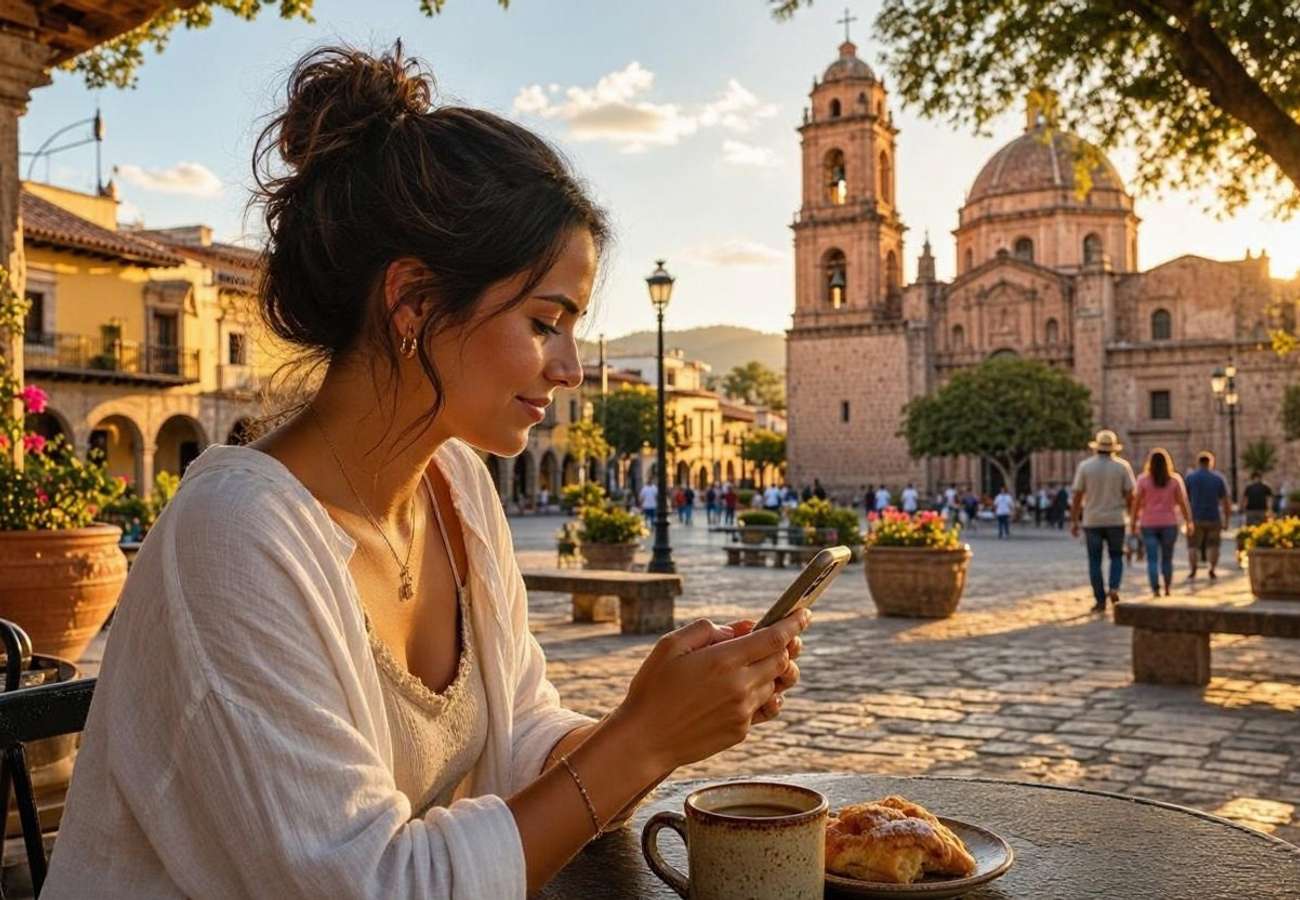
How AI Image Generators Boost Travel Marketing

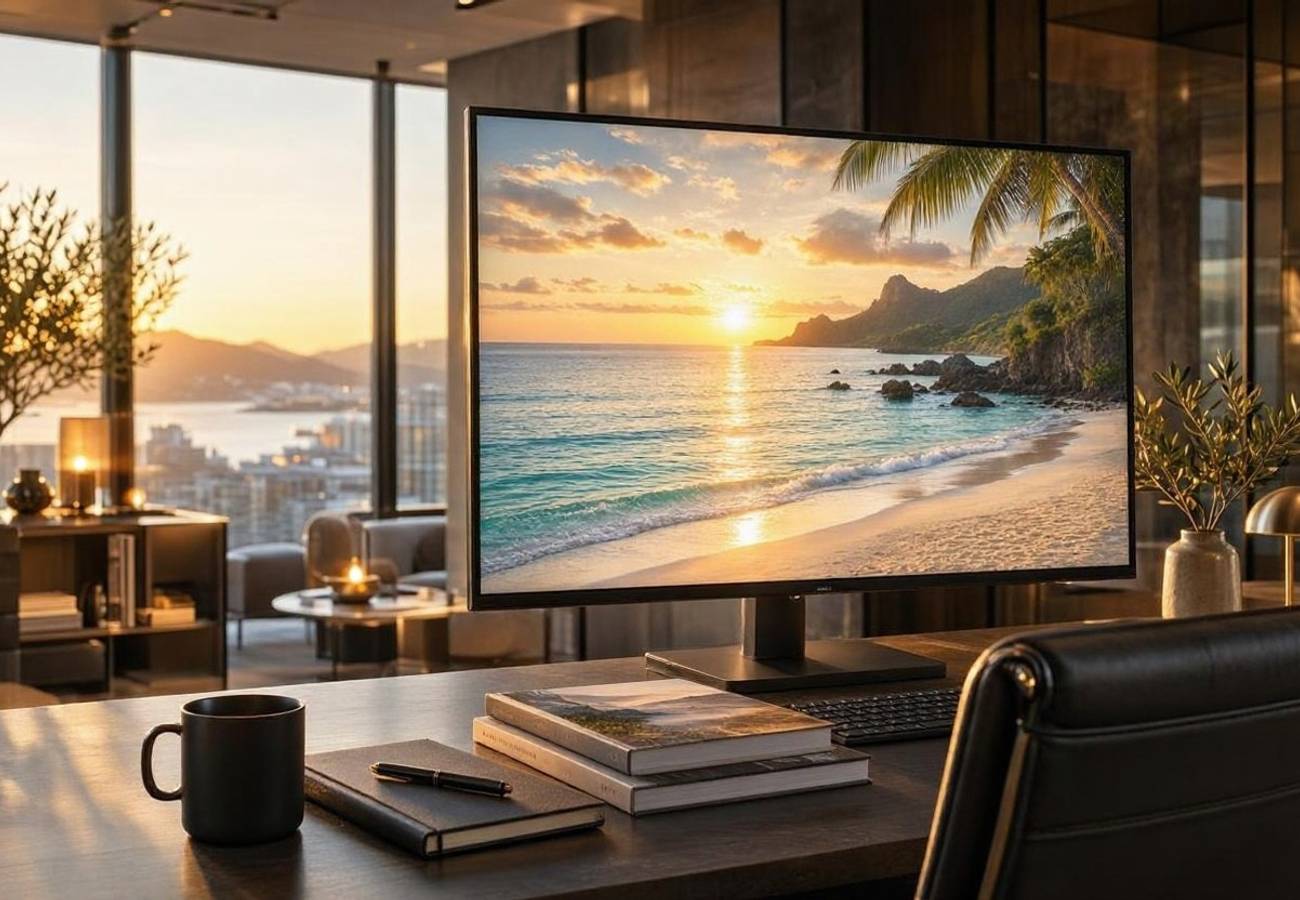
AI image generators assist travel marketers in conceptualizing vibrant destination campaigns and creative visual assets.
AI image generators help travel businesses create custom visuals for destination promotions, hotel campaigns, social media, and digital advertisements. They make it easier to explore creative ideas, develop different campaign concepts, and prepare marketing materials without arranging a photoshoot for every project. When used responsibly, this technology can save production time while helping brands connect with different types of travelers.
Travel marketing is built around experiences. People want to imagine themselves relaxing on a beach, exploring a historic city, or enjoying a mountain getaway before they book a trip. Strong visuals help bring these experiences to life.
However, finding the right image for every campaign is not always easy. Stock photography can feel repetitive, while professional photoshoots require planning, equipment, and additional costs. This is where an ai image generator can help. It allows marketing teams to turn written descriptions into custom visual concepts that match their campaign goals.
How Does AI Image Generation Save Time and Money?
Creating custom travel visuals traditionally involves several steps. Businesses may need photographers, models, location access, editing services, and approval from different team members.
AI image generation offers another option. A marketer can describe a visual concept, select a preferred style, and generate different versions within a short period.
For example, a travel agency promoting summer holidays might need images of:
- Tropical beaches with clear blue water.
- Luxury hotel rooms overlooking the ocean.
- Families enjoying outdoor activities.
- Sunset views from coastal restaurants.
Instead of organizing separate photoshoots for every concept, the marketing team can generate illustrative visuals to explore campaign ideas.
This can reduce the time spent on early creative development. However, generated images still require review, editing, and sometimes professional photography before publication.
For smaller travel agencies, this flexibility can make visual content planning more manageable.
How Can AI Help Create Personalized Travel Advertisements?
Different travelers look for different experiences. A family planning a vacation may prefer comfortable resorts and child-friendly activities, while adventure travelers may be more interested in hiking, camping, and outdoor exploration.
Travel marketers can create different visual concepts for these audience segments.
For example:
- Family vacations: Illustrative images of family-friendly resorts and beach activities.
- Luxury travel: Elegant hotel interiors, private pools, and scenic dining environments.
- Adventure tourism: Mountain trails, camping locations, and outdoor activities.
- Romantic getaways: Coastal sunsets, quiet destinations, and attractive accommodation concepts.
- Budget travel: City exploration, local markets, and affordable holiday experiences.
These visuals can support audience-specific advertising campaigns.
The important point is that personalization also requires audience research. AI can help create different creative variations, but marketers must still understand customer interests, travel preferences, and booking behavior.
How Does AI Solve the Blank-Page Problem in Travel Campaigns?
Even experienced marketing teams sometimes struggle to develop fresh campaign ideas. They may know their target audience and promotional offer but have no clear visual direction.
AI-generated images can help solve this creative challenge through mood boards and concept development.
For instance, a tourism company planning a campaign around Japan could explore different visual themes:
- Traditional Japanese streets during cherry blossom season.
- Modern Tokyo nightlife.
- Peaceful mountain landscapes.
- Traditional architecture and cultural experiences.
These concepts can help designers and marketing teams agree on a visual direction before investing in professional production.
AI-generated mood boards are especially useful during brainstorming, client presentations, and early campaign planning. However, conceptual images should not be confused with authentic photographs of actual destinations.
Can AI Image Generators Support Hotel and Resort Marketing?
Hotels and resorts depend heavily on visual presentation. Potential guests often want to see rooms, swimming pools, restaurants, gardens, and other facilities before making a reservation.
AI image generation can support this process, particularly during early planning and promotional design.
For example, a hotel developing a new spa area could create conceptual images showing possible interior designs, lighting arrangements, and relaxation spaces. These visuals can help communicate design ideas before construction is complete.
Travel businesses can also use illustrative images for:
- Proposed hotel renovations.
- New resort design concepts.
- Promotional campaign mockups.
- Interior design presentations.
- Future tourism development projects.
There is one important rule: conceptual visuals must be clearly distinguished from actual hotel facilities. Businesses should never advertise AI-generated amenities as existing features when guests cannot access them.
For real accommodation listings and booking pages, genuine photographs are generally the better choice.
How Can AI-Generated Images Improve Social Media Marketing?
Social media platforms have become important channels for travel inspiration and promotion. Travel agencies, hotels, and tourism brands regularly publish destination photographs, seasonal offers, travel tips, and promotional content.
Maintaining a consistent supply of fresh visuals can be challenging, particularly for smaller marketing teams.
AI image generation can help create content ideas for different social media formats:
- Interactive posts: Create fictional destination landscapes for travel quizzes and guessing games.
- Seasonal campaigns: Develop illustrative autumn, winter, summer, and spring travel themes.
- Travel storytelling: Create a series of images showing a fictional travel experience from departure to arrival.
- Promotional graphics: Prepare visual concepts for holiday packages and seasonal offers.
These approaches can make social media content more varied. However, engagement still depends on factors such as audience relevance, content quality, timing, and the overall marketing strategy.
How Can Travel Marketers Use AI for A/B Testing?
A/B testing helps marketers compare different versions of an advertisement to understand which performs better. Traditionally, creating multiple visual variations could require additional design work and production time.
AI image generation makes it easier to prepare alternative creative concepts for testing.
For example, a travel agency could create two advertisements for the same holiday package:
- Version A: featuring a bright beach scene during the daytime.
- Version B: featuring a sunset view of the same type of destination.
The agency can then compare relevant campaign metrics, such as:
- Click-through rate (CTR).
- Cost per click (CPC).
- Landing page engagement.
- Conversion rate.
- Booking inquiries.
To obtain meaningful results, marketers should keep the headline, offer, audience, and other campaign elements consistent while testing the visual difference. AI makes it easier to prepare variations, but actual campaign data determines which creative performs better.
What Are the Best Ways to Get Quality Results from AI Image Generators?
The quality of generated visuals depends partly on how clearly the marketer describes the desired result. A vague prompt may produce an image that looks attractive but does not match the campaign.
For better results, travel marketers should consider the following:
- Describe the destination: Mention the environment, landscape, buildings, or other relevant visual elements.
- Specify the lighting: Include details such as golden-hour sunlight, soft morning light, or cloudy weather.
- Explain the mood: Describe whether the image should feel relaxing, adventurous, luxurious, or welcoming.
- Choose the composition: Specify whether the image should use a wide-angle landscape, aerial perspective, or close-up view.
- Select the visual style: Decide whether the campaign needs photorealistic imagery, an illustration, or a creative editorial style.
- Review multiple versions: Compare the generated results and refine the prompt when necessary.
Marketers should also check the final images for distorted objects, incorrect architectural details, unnatural human features, and unwanted visual elements.
What Should Travel Businesses Consider Before Publishing AI Images?
AI-generated visuals can support travel marketing, but they also introduce questions about accuracy, transparency, and commercial usage. Customer trust should remain a priority.
Here are some important considerations:
- Destination accuracy: Do not present fictional landscapes or buildings as actual tourist attractions.
- Hotel representation: Use genuine photographs when advertising specific rooms, facilities, or services.
- Transparency: Clearly identify conceptual or illustrative visuals when their fictional nature could confuse customers.
- Copyright and licensing: Review the image generator's terms and commercial-use permissions before using its output in advertisements or other business materials.
- Brand consistency: Make sure generated images match the business's visual identity and marketing style.
- Human review: Check every image before publication instead of assuming that generated content is automatically accurate.
A balanced approach combines AI-generated creative concepts with authentic photography and verified destination information.
What Is the Future of AI Image Generation in Travel Marketing?
AI image generation is creating new opportunities for travel businesses to plan visual campaigns, develop creative concepts, and produce different types of promotional content. As these tools become part of everyday marketing workflows, businesses may find it easier to experiment with campaign designs and prepare content for different audiences.
However, technology alone cannot create customer trust or guarantee more bookings. Travelers still need accurate information about destinations, accommodation, prices, facilities, and travel experiences. Genuine photography and reliable details remain important when customers are making purchasing decisions.
The strongest approach is to use AI where it adds creative value while keeping real-world accuracy at the center of travel advertising.
Conclusion
AI image generators are changing how travel businesses approach visual content creation. From personalized advertisements and social media campaigns to hotel design concepts and A/B testing, they offer practical ways to explore ideas and prepare marketing materials.
For travel agencies, hotels, and tourism marketers, the real opportunity is not simply producing more images. It is creating relevant visuals that communicate the right experience to the right audience.
By combining AI-assisted creativity with authentic photography, human review, and honest marketing practices, travel businesses can develop more engaging campaigns while maintaining customer confidence.
Related Travel Guides
This article is for informational purposes. Flight routes, passenger regulations, visa rules, and transit advisories are subject to change by airlines and aviation authorities. Readers are advised to verify schedules and travel documentation with relevant carriers and border agencies before departure.
Related Stories
Aridge Flying Cars Join Ras Al Khaimah Testing Hub to Advance UAE Aerial Tourism in 2026
AI Business Email Compromise Costs Travel Firms $224,123 Per Incident in 2025 US Study