
10 Emerging Destinations Changing the Future of Global Travel in 2027

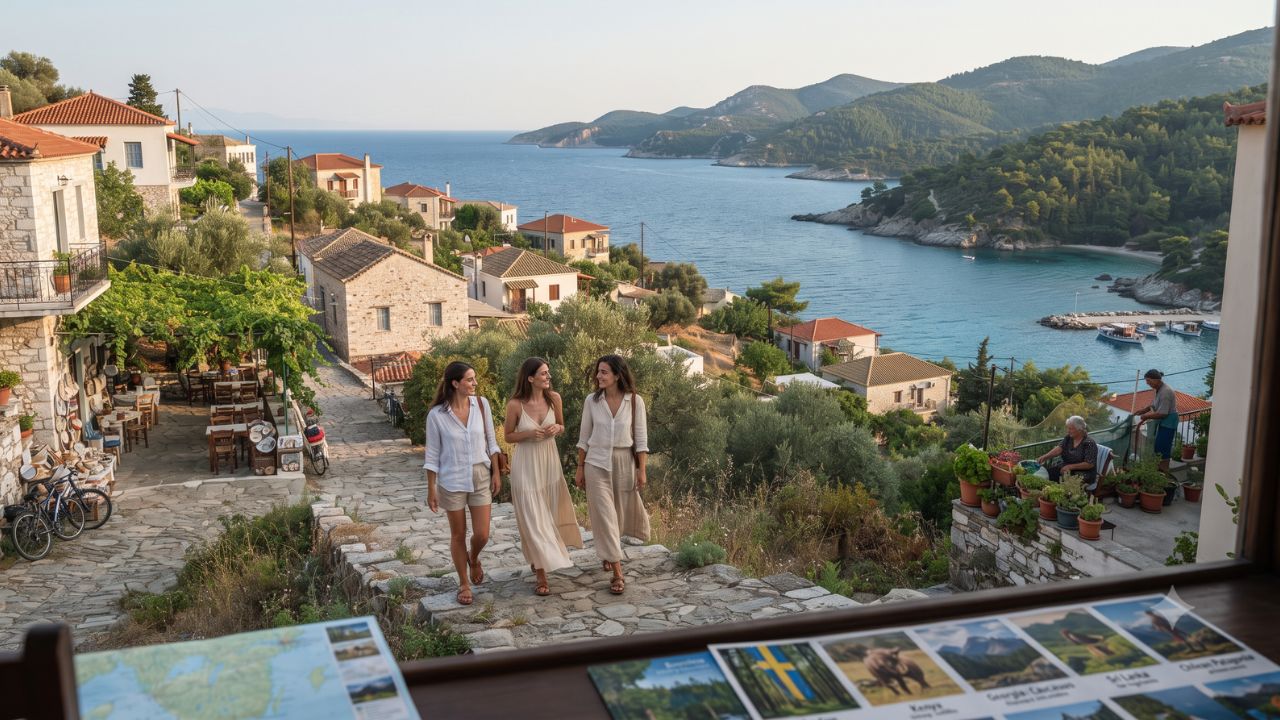
From the quiet Sporades waters of Greece’s Alonnisos to the rugged glacial fjords of Chile’s Carretera Austral, ten under-the-radar destinations have been named to the 2027 Not Hot List to pioneer a more equitable, low-impact model of global exploration. By redistributing visitor spending toward community-managed conservancies, Indigenous heritage trails, and rural walking corridors, these emerging travel sanctuaries demonstrate how tourism can thrive without degrading local environments.
The global travel industry faces an urgent distribution challenge. Heavy visitor concentration continues to overwhelm popular cities, saturated Mediterranean islands, and marquee national parks, straining public infrastructure and pricing out local residents. In response, sustainable tour operators and the UN Tourism body (UNWTO) are championing decentralized travel models that channel economic benefits directly into rural communities, Indigenous enterprises, and fragile conservation zones.
The Local Trend Revealed: Ten Sanctuaries Redefining Global Tourism in 2027
The 2027 Not Hot List highlights ten distinct regions where responsible tourism provides an antidote to overtourism while funding environmental stewardship:
- Alonnisos (Greece): Nestled in the Sporades archipelago, Alonnisos offers an uncrowded alternative to Santorini and Mykonos. Home to Europe’s largest marine protected area, the island pairs traditional whitewashed fishing settlements with crystalline seas protected for Mediterranean monk seals.
- Dalarna (Sweden): Situated in central Sweden, Dalarna delivers accessible Scandinavian wildlands—pine forests, mirror lakes, and rolling hills—without requiring long journeys to the Arctic north. It serves as an active hub for gravel cycling, cross-country hiking, and craft traditions.
- Samburu National Reserve (Kenya): Located in northern Kenya's arid scrublands, Samburu provides intimate wildlife encounters away from the dense vehicle convoys of the Maasai Mara, supporting conservancies run directly by the indigenous Samburu people.
- Mestia, Svaneti (Georgia): Perched among the high Caucasus mountains, Mestia pairs medieval defensive stone watchtowers with newly expanded regional flights and trailheads along the Transcaucasian Trail.
- Whitehorse, Yukon (Canada): The Yukon capital provides an expansive gateway to subarctic river basins while partnering with Yukon First Nations to offer authentic Indigenous-led wilderness experiences.
- Dili (Timor-Leste): Emerging as Southeast Asia’s newest eco-frontier, Dili blends vibrant coral reefs and Portuguese colonial history with community-guided mountain trekking.
- Northern Highlands (Jordan): Shifting the spotlight away from the desert sands of Petra and Wadi Rum, Jordan’s northern rim features fertile oak woodlands, Roman decapolis ruins, and village homestays.
- The Pekoe Trail (Sri Lanka): Spanning 300 kilometres across the island's central tea highlands, this walking route connects historic estate paths, tea-pluckers' footpaths, and rural hill hamlets.
- Liepāja (Latvia): Resting along the Baltic shore, Liepāja combines sweeping white-sand beaches with art nouveau architecture, naval history, and dynamic musical heritage beyond Riga.
- Carretera Austral (Chile): Stretching over 1,200 kilometres through northern Chilean Patagonia, this scenic road-trip route winds past pristine fjords, hanging glaciers, and temperate rainforests far from southern Patagonia's packed trails.
Cultural & Environmental Value: Supporting Indigenous Lands and Conservation
The common thread uniting these ten destinations is regenerative tourism—travel that leaves ecosystems and local communities better off. In the Yukon, partnerships with First Nations operators ensure that wilderness travel respects sacred hunting grounds and oral storytelling traditions. In northern Kenya, safari revenues from community conservancies fund local healthcare clinics, clean water boreholes, and anti-poaching ranger units.
Similarly, walking routes like Sri Lanka's Pekoe Trail and Georgia's Transcaucasian sections near Mestia empower rural agrarian families. Hikers pay directly for village home-cooked meals, regional guides, and family-run guesthouses, preventing the economic leakage often associated with multinational resort chains.
The 2027 Emerging Destinations Snapshot
| Destination & Country | Geographic Setting | Primary Conservation / Cultural Focus | Key Experience |
|---|---|---|---|
| Alonnisos, Greece | Sporades Islands, Aegean Sea | National Marine Park protection; monk seal conservation | Uncrowded sailing, diving ancient shipwrecks, village tavernas |
| Dalarna, Sweden | Central Swedish Lake District | Low-impact outdoor recreation; folk art preservation | Gravel-biking, Lake Siljan trails, artisan Dala horse workshops |
| Samburu, Kenya | Northern Ewaso Ng'iro Basin | Community-owned wildlife conservancies; habitat protection | Viewing the Samburu Special Five; Samburu cultural homestays |
| Mestia, Georgia | Upper Svaneti, Greater Caucasus | Preservation of 12th-century stone towers; alpine trail building | Trekking the Transcaucasian Trail; Svaneti polyphonic singing |
| Whitehorse, Canada | Yukon River Basin | Yukon First Nations cultural stewardship; subarctic wilderness | Indigenous storytelling, canoeing wild rivers, northern lights |
| Dili, Timor-Leste | Ombai Strait, Southeast Asia | Marine biodiversity conservation; post-conflict community tourism | Pristine scuba diving, historical walking trails, coffee tasting |
| Northern Highlands, Jordan | Ajloun & Yarmouk River Valleys | Oak forest conservation; rural agricultural cooperatives | Hiking ancient Roman paths, foraging wild herbs with locals |
| Pekoe Trail, Sri Lanka | Central Highlands (Kandy to Nuwara Eliya) | Tea worker heritage; sustainable walking corridors | Multi-day mountain hiking through organic tea plantations |
| Liepāja, Latvia | Baltic Sea Coast | Coastal dune ecosystem preservation; musical heritage | Walking powder-sand beaches, exploring Karosta military port |
| Carretera Austral, Chile | Aysén Region, Northern Patagonia | Rewilding national parks; glacial fjord conservation | Self-drive road tripping through temperate rainforests |
Visitor Insider Tips: Traveling Off the Beaten Track in 2027
Venturing beyond standard tourism corridors requires mindful preparation and cultural awareness:
- Alonnisos Ferry Connections: Access Alonnisos by passenger ferry from the port of Volos or neighboring Skiathos. Rent a small electric vehicle or scooter to explore secluded pebble coves like Leftos Gialos, and sample local astakomakaronada (fresh lobster pasta) at harbor tavernas in Steni Vala.
- Dalarna Swedish Right to Roam: Embrace Sweden’s Allemansrätten (Right of Public Access) when hiking around Lake Siljan, adhering strictly to leave-no-trace ethics. Visit the village of Nusnäs to observe master craftsmen hand-carving traditional wooden Dala horses using centuries-old techniques.
- Samburu Wildlife Etiquette: When visiting community conservancies, hire local Samburu guides who understand elephant migration corridors. Always request permission before photographing community members, and support women-led beadwork cooperatives in Archers Post.
- Carretera Austral Road Trip Logistics: Secure a high-clearance 4WD vehicle well in advance. Paved sections give way to unpaved gravel (ripio) south of Cerro Castillo; carry spare tires, a tire repair kit, and emergency cash, as fuel stations can be separated by over 200 kilometres.
- Pekoe Trail Hiking Strategy: Book official luggage transfers between tea estate bungalows so you can hike with a light daypack. Wear protective leech socks during early morning valley ascents, and always stay on waymarked paths to avoid disturbing delicate tea bushes.
Tourism Outlook: Decentralization as the Next Travel Standard
The 2027 Not Hot List signals a permanent evolution in traveler values. As international explorers seek out meaningful connections rather than checklist sightseeing, emerging destinations are proving that regional development and environmental preservation can reinforce each other.
By embracing these ten sustainable destinations, travelers not only escape mass crowds, but actively participate in protecting the natural and cultural heritage of our planet for future generations.
Related Travel Guides
Disclaimer
This article is for informational and educational purposes only. It does not constitute legal, financial, or professional advice. While we strive to provide accurate and up-to-date information, travel policies, regulations, and conditions change rapidly. Always verify information with official sources before making travel decisions. Nomad Lawyer makes no representations about the accuracy, reliability, completeness, or suitability of the information provided. Readers should consult qualified professionals for advice specific to their circumstances. The views expressed in this article are those of the author and do not necessarily reflect the views of Nomad Lawyer.
Raushan Kumar
Founder & Lead Developer
Full-stack developer with 11+ years of experience and a passionate traveller. Raushan built Nomad Lawyer from the ground up with a vision to create the best travel and law experience on the web.
Learn more about our team →