
Kashmir Tourism Boom: Vande Bharat Express and Self-Drive Road Trips Fuel Summer Surge in 2026
Kashmir Valley is experiencing a tourism explosion this summer, driven by the newly launched Vande Bharat Express and increased road connectivity, though traffic congestion around Dal Lake and pricing pressure threaten the momentum.

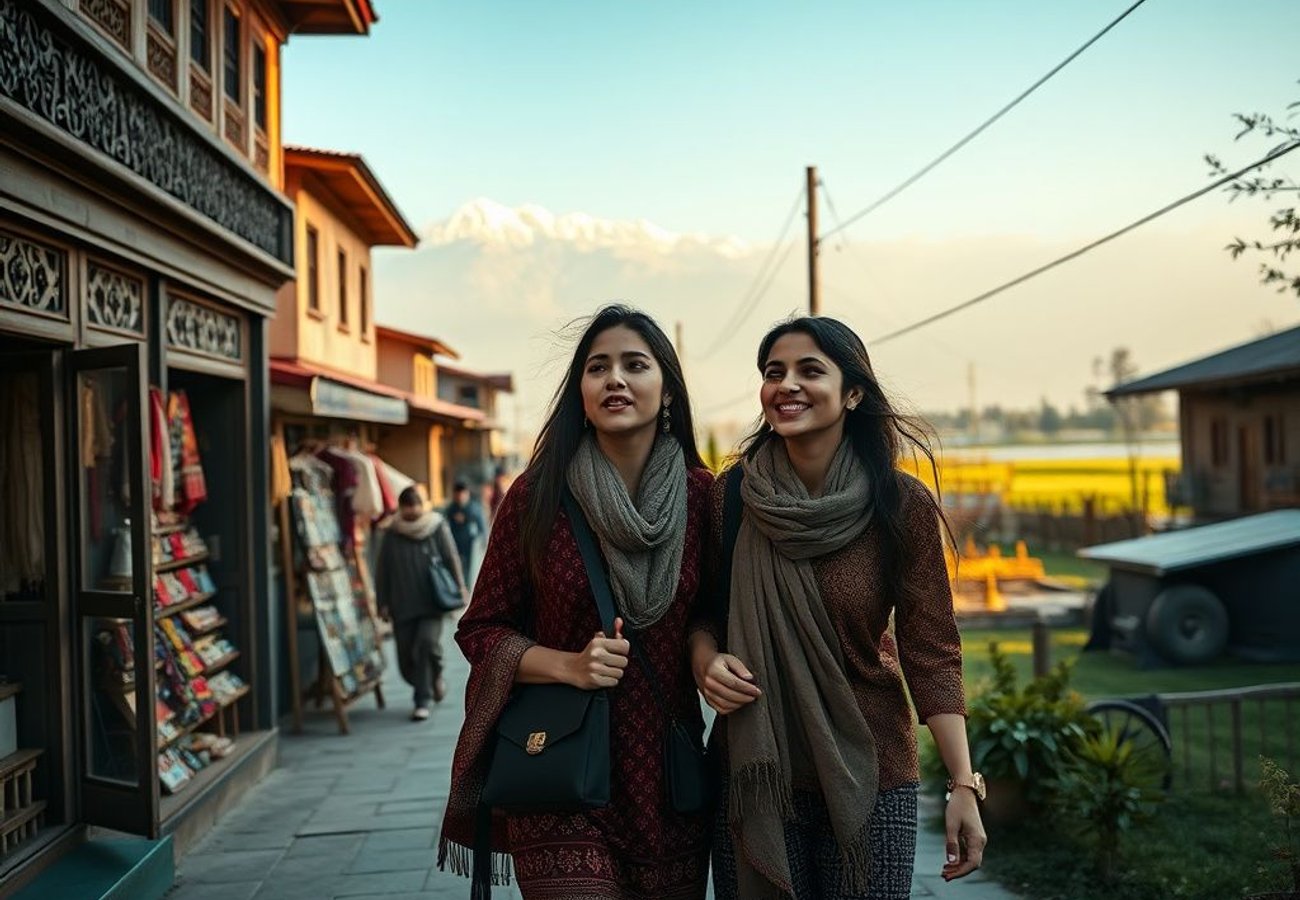
Image generated by AI
The Vande Bharat Effect: Kashmir's Tourism Transformation Begins
Kashmir Valley is experiencing its most dramatic summer tourism surge in recent memory, and the culprit is surprisingly straightforward: improved connectivity. The newly launched Vande Bharat Express has become a game-changer, alongside a surge in self-drive road trips from across northern India. What I'm witnessing on the ground is a complete shift in how Indians are experiencing Kashmir — faster, more accessible, and increasingly on their own terms.
Syed Qamar Sajjad, Director of Tourism for Kashmir and Managing Director of the J&K Cable Car Corporation, confirmed what hospitality insiders have been tracking all summer: "The rise in weekend tourism, along with a growing preference among visitors to drive their own cars, has led to traffic build-up along the Boulevard."
The numbers tell a compelling story. Hotel occupancy in Srinagar is hovering around 90 percent. Yet here's the twist that catches most analysts off-guard: prices have collapsed, not soared.
The Room Rate Paradox: Full Houses, Falling Prices
This is where the Kashmir tourism boom reveals its uncomfortable truth. Despite near-total occupancy, hoteliers are slashing rates dramatically.
Imran Nazir, a dentist-turned-hotelier running the 20-bed Cedrus Resorts near Srinagar airport, laid out the harsh reality bluntly: "Last year, until the terrorist attack in Pahalgam, we were charging INR 5,000 a night for a room. This time, although all my rooms are booked, I am charging around INR 2,500-3,000 as tourists are spending much less."
That's a 40-50 percent price cut. In Pahalgam, the situation mirrors this trend — rooms that commanded INR 8,000-9,000 per night last year are now fetching INR 5,500, according to Aijaz Ahmad Khan, owner of Paristan Resorts.
Reddit: "Booked Kashmir for July after seeing the Vande Bharat ads. Hotels are full but prices have dropped like crazy. Budget tourists are flooding the valley now." — r/IndianTravel
The culprit? A massive influx of budget-conscious travelers and homestay seekers who are choosing volume over luxury. The Kashmir tourism ecosystem is being democratized in real-time.
Boulevard Blues: Traffic Gridlock Threatens the Paradise Narrative
Success, it turns out, comes with infrastructure challenges.
The iconic Boulevard Road overlooking Dal Lake — arguably India's most photogenic urban waterfront — has become a bottleneck. Tourists, tour operators, hoteliers, houseboat owners, and local officials are all reporting the same issue: congestion that's straining Srinagar's limited road capacity.
The culprit is visible: vehicles bearing registration plates from Delhi, Uttar Pradesh, Rajasthan, and even Gujarat are now a common sight navigating Kashmir's valley roads. Self-drive tourism has exploded, with families opting for road trips over traditional train or flight journeys.
Manzoor Ahmad Pakhtoon, a fourth-generation houseboat owner and chairman of the All Kashmir Houseboat Owners Association, provided important context: "We have parking space for four to five cars, but the congestion along the Dal Lake cannot be attributed to self-driven tourists alone. We also have to factor in occasional exhibitions and VVIP movement in the area."
Over 800 houseboats are spread across four locations — Dal Lake, Nigeen Lake, the Jhelum River, and Chinar Bagh — and their occupancy rates reflect the broader tourism momentum.
The Pilgrimage Extension Strategy: Mata Vaishno Devi to Kashmir Pipeline
Here's a tourism insight that's flown under most media radar: Kashmir is becoming an extended destination for pilgrims.
Visitors arriving at the Mata Vaishno Devi shrine in Katra are now routinely extending their trips to Kashmir, which sits approximately four hours away by road. This pilgrimage-to-leisure extension is creating a new travel pattern that's fundamentally different from traditional Kashmir tourism.
Sajjad noted this behavioral shift is particularly significant because it combines two historically distinct travel motivations — spiritual pilgrimage and scenic leisure — into a single integrated journey.
The Economic Lifeline: 7% of J&K's GDP, 500,000 Livelihoods at Stake
The stakes are genuinely high. According to the Jammu and Kashmir Economic Survey 2025-26, the tourism sector contributes approximately 7 percent to the Union Territory's gross state domestic product and provides direct livelihood support to nearly 500,000 people.
This isn't just about hotel rooms or houseboat bookings. It's about regional economic stability. The tourism surge, despite traffic congestion and pricing pressure, represents a critical revenue lifeline for Kashmir's post-pandemic recovery.
However, the infrastructure isn't keeping pace with demand. Traffic management along Boulevard Road remains a critical vulnerability. If congestion intensifies, the visitor experience deteriorates, and word-of-mouth — the most powerful travel marketing tool — turns negative.
What's Next: The Administration's Response
Sajjad stated that the administration is equipped to ensure smooth traffic movement, though specific details about traffic management initiatives remain sparse. The critical question hovering over Kashmir's summer tourism season is whether infrastructure improvements will match the pace of visitor growth.
The Vande Bharat Express has successfully lowered the barrier to entry for Kashmir tourism. But success without infrastructure readiness is a double-edged sword — it brings volume but risks damaging the very product that makes Kashmir irreplaceable: peace, natural beauty, and accessibility without chaos.
The Kashmir tourism surge reveals an uncomfortable truth: growth and sustainability aren't automatically aligned.
Related Travel Guides
Disclaimer
This article is for informational and educational purposes only. It does not constitute legal, financial, or professional advice. While we strive to provide accurate and up-to-date information, travel policies, regulations, and conditions change rapidly. Always verify information with official sources before making travel decisions. Nomad Lawyer makes no representations about the accuracy, reliability, completeness, or suitability of the information provided. Readers should consult qualified professionals for advice specific to their circumstances. The views expressed in this article are those of the author and do not necessarily reflect the views of Nomad Lawyer.
Raushan Kumar
Founder & Lead Developer
Full-stack developer with 11+ years of experience and a passionate traveller. Raushan built Nomad Lawyer from the ground up with a vision to create the best travel and law experience on the web.
Learn more about our team →