Global Gastronomic Tourism Sector Forecast to Surge to $143 Billion by 2032: Asian Flavors, Wellness, and Sustainable Food Systems

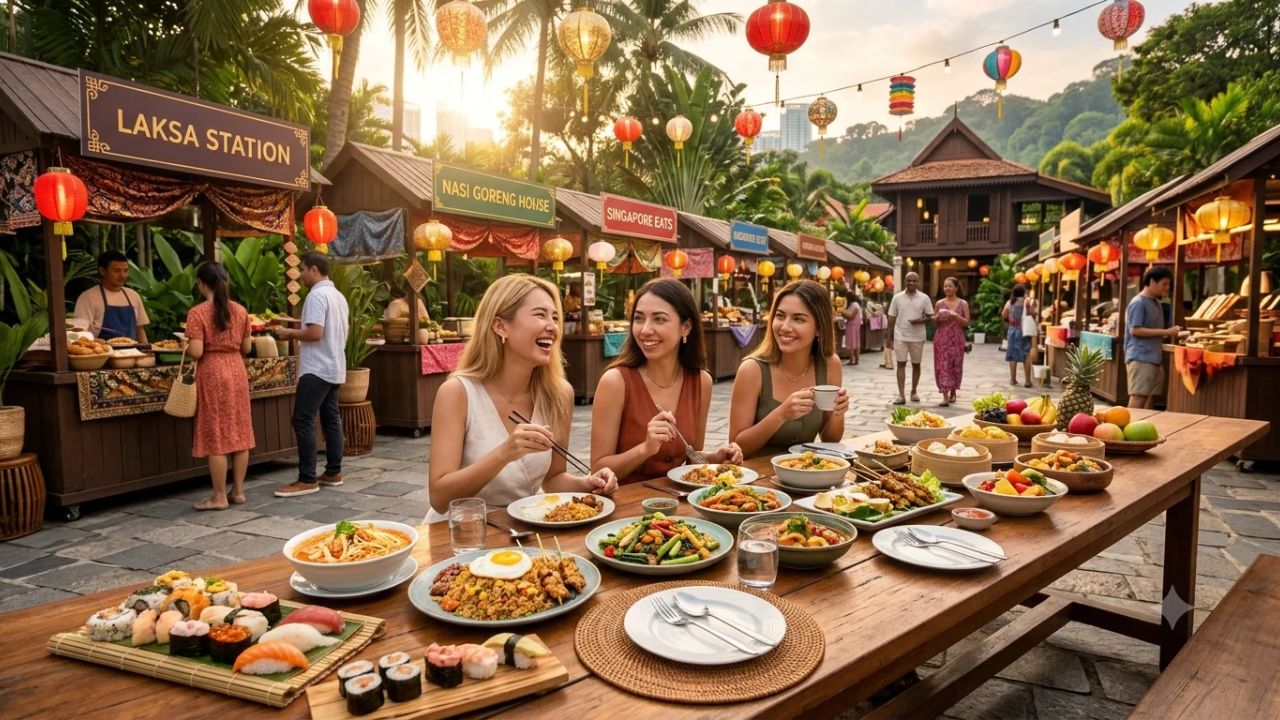
The global gastronomic tourism sector is projected to reach US$143.43 billion by 2032 as international travelers prioritize authentic food heritage and sustainable dining
[SINGAPORE, Oct 30, 2026] — Transforming how travelers select destinations and experience local cultures, the global gastronomic tourism sector is projected to expand from US$80.47 billion in 2025 to US$143.43 billion by 2032, fueled by an international appetite for UNESCO-recognized culinary heritage, wellness-aligned nutrition, and sustainable community food systems.
[!NOTE] Market Intelligence Snapshot: Commercial market research estimates project global culinary tourism expenditure to nearly double over seven years, expanding at an estimated compound annual growth rate of 8.6%. This momentum intersects with the broader global wellness tourism economy—projected by the Global Wellness Institute to reach US$1.38 trillion by 2029—while destinations across Singapore, Indonesia, South Korea, the Philippines, Japan, and Europe leverage living culinary traditions, plant-forward menus, and agro-tourism to drive high-yield visitor spending.
GLOBAL GASTRONOMIC TOURISM MARKET ARCHITECTURE
| Column 1 |
|---|
| [ 2025 BASELINE: US$80.47 BILLION ] ===========> [ 2032 PROJECTION: US$143.43 BILLION ] |
| Projected Compound Annual Growth Rate (CAGR): ~8.6% across international leisure corridors |
| +----------------------------+-----------------------------+ |
| v [ LIVING CULTURAL HERITAGE ] v [ SUSTAINABLE FOOD SYSTEMS ] |
| - UNESCO Intangible Cultural Heritage - UN/FAO Sustainable Gastronomy Day |
| * Singapore Hawker Culture (2020) * June 18 global observance |
| * Korean Kimjang Fermentation (2013) - Plant-Forward & Local Sourcing |
| * Japanese Washoku Seasonal Cuisine (2013) - Farm-to-Table & Agritourism Trails |
| * Traditional Mexican & Mediterranean Diets - Emerging Pyrogastronomy Models |
| +----------------------------+-----------------------------+ |
| v v |
| [ REGIONAL TOURISM GROWTH CORRIDORS ] [ HEALTH & WELLNESS INTEGRATION ] |
| - Southeast Asia: Singapore, Indonesia, Philippines - Global Wellness Market ($1.38T) |
| - East Asia: South Korea, Japan - WHO 4 Pillars: Adequacy, Balance, |
| - Europe: Mediterranean Terroir, Wine & Olive Routes Moderation, and Diversity |
Economic Horizons: Unpacking the $143 Billion Culinary Tourism Forecast
Food has evolved from an incidental logistical necessity of travel into a primary motivational driver of destination selection. Modern travelers increasingly bypass standardized international restaurant chains in favor of authentic dining environments that reveal the history, agricultural practices, and social identity of the communities they visit.
A commercial industry assessment cited in late 2026 by Strategic Market Research places the global culinary tourism market at US$80.47 billion in 2025, projecting expansion to US$143.43 billion by 2032. This represents an estimated compound annual growth rate (CAGR) of 8.6%.
CULINARY & WELLNESS TOURISM GROWTH TRAJECTORIES
| Column 1 |
|---|
| GLOBAL GASTRONOMIC TOURISM (COMMERCIAL FORECAST) |
| 2025 Market Value: $80.47 Billion =========================> |
| 2032 Market Value: $143.43 Billion ==========================================================> |
| GLOBAL WELLNESS TOURISM EXPENDITURE (GLOBAL WELLNESS INSTITUTE) |
| 2024 Market Value: $894 Billion =========================> |
| 2029 Market Value: $1.38 Trillion ==========================================================> |
While these headline projections highlight substantial commercial enthusiasm, rigorous travel industry analysis requires understanding the underlying data definitions:
- Market Scope Variations: Commercial estimates of culinary tourism often vary based on whether researchers include all visitor food and beverage spending, or strictly isolate premium food-specific activities such as cooking masterclasses, guided market tours, vineyard tastings, and gastronomic festival tickets.
- Regional Market Shares: Europe is frequently reported to account for approximately 34% of the global market. However, independent trade evaluations note that reporting methodologies differ widely across individual European tourism boards, meaning regional revenue figures must be viewed through distinct statistical frameworks.
- The Wellness Tourism Intersection: Gastronomic travel overlaps significantly with wellness tourism. Data from the Global Wellness Institute indicates that global wellness travel spending reached approximately US$894 billion in 2024, with projections climbing to US$1.38 trillion by 2029. As health-conscious travelers seek balanced diets and restorative lifestyles, destination dining serves as a bridge between pure culinary exploration and holistic wellbeing.
| Market Indicator | Baseline Value | Target Projection | Reporting Source | Core Analytical Significance |
|---|---|---|---|---|
| Global Culinary Tourism | US$80.47 Billion (2025) | US$143.43 Billion (2032) | Strategic Market Research | Estimated 8.6% CAGR over seven-year projection window |
| Europe's Culinary Share | ~34% Market Share | Regional Market Leader | Commercial Aggregates | Highlights mature wine and regional food trails |
| Global Wellness Tourism | US$894 Billion (2024) | US$1.38 Trillion (2029) | Global Wellness Institute | Broader wellness economy driving healthy dining demand |
| Sustainable Gastronomy | Annual June 18 Focus | Expanding Agro-Networks | United Nations / FAO | Global framework connecting food, culture, and ecology |
UNESCO Intangible Cultural Heritage: Preserving Food as Living Social Tradition
The rise of gastronomic tourism is anchored by the international recognition of traditional food systems as vital expressions of human heritage. The United Nations Educational, Scientific and Cultural Organization (UNESCO) has recognized several culinary practices on its Representative List of the Intangible Cultural Heritage of Humanity, demonstrating that culinary heritage encompasses far more than static recipes.
UNESCO-INSCRIBED CULINARY TRADITIONS AS TOURISM DRIVERS
| Column 1 |
|---|
| [ SINGAPORE HAWKER CULTURE (INSCRIBED 2020) ] |
| - Urban community dining spaces in multicultural public housing environments. |
| - Daily interaction of Chinese, Malay, Indian, and Eurasian culinary heritage. |
| - Transmission of master cooking techniques across family generations. |
| [ SOUTH KOREAN KIMJANG (INSCRIBED 2013) ] |
| - Collective autumn preparation and sharing of fermented kimchi. |
| - Community solidarity, household cooperation, and natural seasonal preservation. |
| [ JAPANESE WASHOKU (INSCRIBED 2013) ] |
| - Traditional dietary cultures honoring seasonal harmony and natural ingredients. |
| - Sustainable use of wild plants, seasonal fish, and handcrafted fermented seasonings. |
| [ THE MEDITERRANEAN DIET (INSCRIBED 2013) ] |
| - Comprehensive social practice spanning cultivation, harvesting, fishing, and communal eating. |
| - Preserved across Spain, Italy, Greece, Portugal, Morocco, Croatia, and Cyprus. |
Singapore Hawker Culture: Multicultural Urban Dining
In December 2020, UNESCO officially inscribed Hawker Culture in Singapore onto the Representative List of the Intangible Cultural Heritage of Humanity. In a modern metropolis characterized by gleaming skyscrapers, Singapore's open-air hawker centers function as the social living rooms of the nation.
These community hubs bring together Chinese, Malay, Indian, and Peranakan food traditions under single roofs. Dishes such as Hainanese chicken rice, laksa, roti prata, and satay are served at democratic price points, allowing international travelers to experience genuine everyday social cohesion rather than curated tourist spectacles. The inscription acknowledges both the complex mastery of hawker cooks and the intergenerational transmission of culinary knowledge that sustains these food centers.
South Korea’s Kimjang: Fermentation and Communal Solidarity
Inscribed by UNESCO in 2013, Kimjang represents the collective preparation and preservation of kimchi before the onset of winter. The practice transcends food preparation, serving as an annual community ritual that reinforces Korean family identity and mutual cooperation.
For travelers, the global visibility of Kimjang has elevated interest in Korean fermentation arts, temple cuisine, and historic culinary techniques. Modern visitors to Seoul, Jeonju, and rural provinces participate in autumn fermentation workshops, learning how seasonal cabbage, radishes, sea salt, red pepper paste (gochujang), and fermented seafood seasonings are combined into living foods that evolve over months.
Japan’s Washoku: Nature, Seasonality, and Culinary Harmony
Inscribed in 2013, Washoku embodies traditional Japanese dietary cultures built on deep respect for nature. Washoku emphasizes fresh, locally sourced ingredients—including rice, fish, seasonal vegetables, and edible mountain herbs—prepared with minimal processing to highlight natural flavors.
Washoku teaches food travelers to appreciate temporal seasonality (shun), where ingredients are celebrated at the precise peak of their natural cycle. This cultural respect for agricultural seasonality provides a direct foundation for sustainable gastronomy, encouraging visitors to connect with local fishing cooperatives and farming villages across Japan.
The Mediterranean Diet: Social Rituals and Agricultural Stewardship
Inscribed in 2013, the Mediterranean Diet is recognized by UNESCO not simply as a nutritional regimen, but as a complete cultural system shared across Cyprus, Croatia, Spain, Greece, Italy, Morocco, and Portugal. The tradition encompasses skills, knowledge, rituals, and symbols concerning crops, harvesting, fishing, animal husbandry, conservation, processing, and cooking, with communal dining at its core.
For culinary tourists traveling through Mediterranean olive groves and coastal fishing villages, the experience centers around shared tables where seasonal produce, extra virgin olive oil, whole grains, and fresh seafood form the daily rhythm of life. The inscription emphasizes that hospitality, neighborliness, intercultural dialogue, and respect for biodiversity are inseparable from the food itself, making it a cornerstone for sustainable culinary tourism in Southern Europe.
Traditional Mexican Cuisine: Ancestral Farming and Collective Identity
Inscribed in 2010 through the Michoacán paradigm, traditional Mexican cuisine was among the first culinary systems recognized by UNESCO. It represents a comprehensive cultural model comprising farming, ritual practices, ancient culinary techniques, and ancestral community customs. Central to this heritage is the milpa agricultural system—an interdependent polyculture of corn, beans, and squash—and the ancient chemical process of nixtamalization, which unlocks the nutritional value of maize.
Culinary travelers visiting Oaxaca, Michoacán, and Puebla encounter living food practices sustained by female collective cooks (cocineras tradicionales). Participating in community corn grinding, tasting complex mole sauces made from dozens of indigenous chilies and spices, and visiting ancestral agave mezcal distilleries offer travelers deep insight into indigenous food sovereignty and biodiversity conservation.
Regional Diversity Across Southeast and East Asia: Flavors and Cultural Identity
Asia has positioned itself at the cutting edge of global gastronomic tourism by transforming regional culinary biodiversity into accessible travel experiences.
ASIAN GASTRONOMIC TOURISM CORRIDORS
| Column 1 |
|---|
| [ INDONESIAN ARCHIPELAGO ] |
| - Rich biodiversity: Over 17,000 islands yielding diverse regional spice pastes (bumbu). |
| - Signature traditions: Minangkabau Rendang, Balinese Babi Guling, Javanese Nasi Tumpeng. |
| - Agritourism: Vanilla plantations, nutmeg groves of the Banda Islands, wet-rice terraces. |
| [ THE PHILIPPINES ] |
| - Distinctive souring identity: Calamansi, tamarind, and coconut vinegar balances. |
| - Regional staples: Adobo variations, Sinigang sour broths, Pampanga culinary traditions. |
| - Heritage grains: Heirloom highland rice from the ancient Ifugao mountain terraces. |
| [ SOUTH KOREA & JAPAN ] |
| - Fermentation corridors: Jeonju UNESCO City of Gastronomy, historic soy and miso breweries. |
| - Street dining hubs: Gwangjang Market in Seoul, Dotonbori street stalls in Osaka. |
| - Contemporary fusion: Seamless integration of traditional recipes with modern urban dining. |
Indonesia: Spice Heritage and Archipelago Biodiversity
With more than 17,000 islands spanning multiple climate zones, Indonesia possesses an extraordinary culinary repertoire. Regional traditions rely on complex, hand-ground spice pastes known as bumbu, combining fresh galangal, lemongrass, shallots, candle nuts, and turmeric.
The country's culinary flagship, Rendang—a slow-cooked beef preparation developed by the Minangkabau people of West Sumatra—exemplifies the preservation of food through caramelization and reduction in coconut milk and spices. In Bali and Central Java, cooking schools and market excursions connect travelers directly with organic agricultural cooperatives and spice gardens, demonstrating how regional food pathways support rural tourism outside conventional resort enclaves.
The Philippines: Souring Traditions and Regional Heritage
The culinary identity of the Philippines is distinguished by its mastery of souring agents and regional vinegars. Dishes such as sinigang (a savory, tamarind-soured soup) and adobo (meat braised in vinegar, garlic, bay leaves, and black peppercorns) reflect pre-colonial preservation methods adapted to tropical island climates.
Travelers exploring provinces like Pampanga, Iloilo, and Cebu discover distinct micro-regional specialties that blend indigenous Austronesian ingredients with Spanish, Mexican, and Chinese trade influences. Heritage culinary trails increasingly guide visitors to ancestral salt farms, heritage rice terraces in Banaue, and small-batch chocolate producers in Davao, showcasing the depth of Philippine agricultural heritage.
European Gastronomic Heartland: Terroir, Agricultural Landscapes, and Rural Economics
Europe remains a foundational benchmark in gastronomic tourism, having integrated food production into regional geographic identity for centuries. The European model relies heavily on the concept of terroir—the idea that the soil, microclimate, and human traditions of a specific geographic area impart unique characteristics to food and wine.
EUROPEAN REGIONAL GASTRONOMY & TERROIR MODELS
| Column 1 |
|---|
| PROTECTED GEOGRAPHICAL DESIGNATIONS (PDO / PGI) |
| Legal frameworks safeguarding traditional recipes and production boundaries: |
| - Parmigiano Reggiano, Prosciutto di Parma, Aceto Balsamico Tradizionale (Emilia-Romagna, Italy) |
| - Roquefort Cheese, Champagne, Bordeaux wine estates (France) |
| - Jamón Ibérico de Bellota, Manchego cheese, Rioja vineyards (Spain) |
| AGRITOURISM & REGIONAL ECONOMIC RETENTION |
| - Italian Agriturismo system: Preserves rural estates by offering farm stays with estate dining. |
| - Direct-to-producer retail: Eliminates wholesale middlemen, channeling spending to farmers. |
| - Combats rural depopulation by revitalizing historic agricultural villages. |
The European European Union's Protected Designation of Origin (PDO) and Protected Geographical Indication (PGI) regulatory frameworks provide a legal shield that prevents commercial misappropriation of regional heritage. For travelers, these certifications provide guaranteed authenticity when touring regions like Emilia-Romagna in Italy, Bordeaux in France, or Andalusia in Spain.
Agritourism platforms—most notably the Italian Agriturismo network—allow working family farms, olive orchards, and vineyards to host international guests. Visitors participate in olive harvests, cheese production, and truffle foraging, dining on meals prepared entirely from farm-grown ingredients.
This model delivers significant economic retention. When a traveler dines at an independent rural agriturismo, a substantial portion of the expenditure remains directly within the local municipal economy, supporting smallholder farmers and preserving rural landscapes against urban depopulation.
| Destination Region | Iconic Culinary Specialties | Agricultural & Production Assets | Primary Tourist Activity Types | | :--- | :--- | :--- | :--- | :--- | | Singapore | Hainanese Chicken Rice, Laksa, Roti Prata | Urban hawker centers, multicultural wet markets | Hawker street safaris, cooking academies | | West Sumatra, Indonesia | Minangkabau Rendang, Sate Padang | Highland chili farms, coconut groves, spice markets | Farm-to-table workshops, village homestays | | Jeolla Province, S. Korea | Jeonju Bibimbap, Aged Kimchi, Makgeolli | Organic cabbage valleys, artisanal fermentation cellars | Kimjang workshops, temple food retreats | | Emilia-Romagna, Italy | Parmigiano Reggiano, Balsamic Vinegar | Protected dairy farms, heritage vinegar lofts, vineyards | Parmigiano tours, pasta masterclasses | | Oaxaca, Mexico | Seven Moles, Ancestral Corn Tlayudas | Milpa biodiversity, wild agave forests, heirloom maize | Indigenous market tours, mezcal tastings |
Sustainable Gastronomy and Climate Resilience: Plant-Forward Menus to Pyrogastronomy
As the climate changes, the agricultural systems that supply the global travel industry face unprecedented pressures. Severe droughts, shifting rainfall patterns, and elevated summer temperatures threaten staple crops, heirloom vineyards, and coastal fisheries.
In response, the conversation surrounding gastronomic tourism has shifted toward sustainability and climate resilience. The United Nations observes Sustainable Gastronomy Day annually on June 18, promoting responsible food production, the preservation of traditional crops, and the reduction of culinary waste across the tourism sector.
SUSTAINABILITY & RESILIENCE IN FOOD TOURISM
| Column 1 |
|---|
| [ UNITED NATIONS / FAO SUSTAINABLE GASTRONOMY PRINCIPLES ] |
| - Preservation of heirloom seed varieties and drought-tolerant indigenous grains. |
| - Support for local farming cooperatives to eliminate long-distance food transport emissions. |
| - Commercial reduction of food waste through nose-to-tail and root-to-stem culinary practices. |
| +----------------------------+-----------------------------+ |
| v [ PLANT-FORWARD REVOLUTION ] v [ RESILIENT PYROGASTRONOMY ] |
| - Centers menus around regional legumes, - Agro-forestry buffer zones: |
| ancient grains, and seasonal vegetables. Vineyards & olive groves designed |
| - Guided by WHO four dietary foundations: as living firebreaks. |
| Adequacy, Balance, Moderation, Diversity. - Links regenerative agriculture |
| - Reduces greenhouse emissions without with wildfire prevention. |
| imposing rigid vegetarian mandates. - Educational visitor tastings in |
| fire-adapted landscapes. |
Plant-Forward Dining and Public Health Alignment
Plant-forward dining represents a major trend across hospitality. Unlike strict veganism or vegetarianism, plant-forward menus emphasize vegetables, legumes, whole grains, seeds, and nuts as the centerpiece of meals, using animal proteins sparingly as flavorful accents.
This culinary approach aligns with nutritional guidance issued by the World Health Organization in January 2026. The WHO identified adequacy, balance, moderation, and diversity as the four foundational pillars of a healthy diet, warning against excessive intakes of sodium, refined sugars, and saturated industrial fats.
For travelers, plant-forward culinary tourism celebrates traditional recipes that have sustained communities for generations—such as Mediterranean lentil stews, Indian dal preparations, Indonesian tempeh and gado-gado dishes, and Mexican bean-and-corn preparations. These dishes demonstrate that environmentally responsible dining can remain culturally authentic and nutritionally rich.
Pyrogastronomy: Resilient Agricultural Landscapes
An emerging concept entering future food tourism discussions is pyrogastronomy. The term describes agricultural and viticultural operations designed to build wildfire resilience into the surrounding landscape.
In wildfire-prone Mediterranean and California environments, strategically placed vineyards, irrigated olive orchards, and grazing corridors for dairy livestock create natural green firebreaks that slow the advance of seasonal wildfires. Estates pioneering this approach offer educational tours and tastings that showcase how regenerative agricultural practices protect natural ecosystems from climate disasters. While pyrogastronomy remains a specialized niche, it highlights the expanding intersection between gastronomy, ecological stewardship, and climate adaptation.
Practical Traveler Planning: Navigating Authenticity, Safety, and Community Impact
Engaging meaningfully with global food tourism requires preparation, cultural awareness, and ethical consideration. To maximize enjoyment while supporting local host communities, travelers should incorporate structured best practices into their vacation planning.
CULINARY TRAVEL PLANNING AUDIT CHECKLIST
| Column 1 |
|---|
| PHASE 1: PRE-TRIP RESEARCH & SEASONAL MAPPING |
| [ ] Identify local harvest calendars to experience regional ingredients at peak seasonality. |
| [ ] Research community food festivals and UNESCO-recognized dining traditions. |
| [ ] Verify whether tours support independently owned family kitchens and local food producers. |
| PHASE 2: FOOD HYGIENE & DIETARY COMMUNICATION |
| [ ] Dine at high-turnover stalls where food is prepared fresh and cooked hot in front of guests. |
| [ ] Learn essential local phrases to communicate allergies and specific dietary preferences. |
| [ ] Verify potable water standards; opt for boiled teas, fresh coconuts, or sealed bottled water. |
| PHASE 3: ETHICAL COMMUNITY ENGAGEMENT |
| [ ] Respect dining etiquette and cultural traditions (e.g., shoe removal, communal hand washing). |
| [ ] Compensate local guides, market stallholders, and home cooking instructors fairly. |
| [ ] Avoid dining experiences that commodify sacred rituals or exploit endangered wildlife. |
| [ ] Minimize single-use plastic waste by carrying reusable dining utensils and cloth tote bags. |
Identifying Authentic Food Experiences
Not every restaurant displaying a heritage banner provides authentic cultural immersion. Travelers can evaluate authenticity by observing local patronage:
- Local Customer Presence: Seek out establishments where local residents, multigenerational families, and neighborhood workers dine regularly. High local patronage is the most reliable indicator of fresh ingredients, reasonable pricing, and traditional preparation methods.
- Short, Focused Menus: Establishments that specialize in a small number of related dishes—such as a noodle stall that prepares only three variations of broths, or an artisanal pizzeria using local buffalo mozzarella—almost universally deliver higher quality than sprawling menus attempting to cater to every international taste.
- Direct Sourcing Transparency: Inquire about where ingredients originate. High-quality culinary tours often introduce travelers directly to the farmers, fishermen, and spice merchants who supply their kitchens.
Food Hygiene and Safety Protocols
Enjoying street food and market dining safely requires practical common-sense precautions:
- Observe Food Turnover: Patronize stalls with long queues and rapid inventory turnover. Stalls with high guest volume prepare dishes in continuous fresh batches, preventing cooked food from sitting in ambient temperatures.
- Piping Hot Service: Ensure cooked items are served steaming hot. High cooking temperatures neutralize foodborne pathogens effectively.
- Beverage and Ice Precautions: In regions with developing municipal water infrastructure, consume boiled beverages (such as tea and coffee), freshly opened coconuts, or factory-sealed drinks, and verify that ice is commercially produced from purified water.
The projected expansion of gastronomic tourism to US$143.43 billion by 2032 signals an important transformation in modern travel. By exploring destinations through the prism of their kitchens, street stalls, agricultural terraces, and ancestral recipes, international travelers find deeper cultural connections while supporting local farming communities and preserving living heritage across the globe.
Frequently Asked Questions (PAA)
What is gastronomic tourism and why is it growing?
Gastronomic tourism, often called culinary tourism, involves traveling to experience the food, beverage, and dining traditions of a specific destination. It is growing rapidly because modern travelers seek authentic cultural immersion, moving beyond sightseeing landmarks to understand local history, farming heritage, and community life through regional cuisine.
How large is the global culinary tourism market projected to become?
Commercial industry research estimates project the global culinary tourism market to grow from US$80.47 billion in 2025 to US$143.43 billion by 2032. This forecast represents an estimated compound annual growth rate (CAGR) of 8.6%, reflecting surging consumer interest in regional food experiences.
What is the connection between UNESCO and gastronomic tourism?
UNESCO recognizes food traditions as vital living expressions of human culture by inscribing them onto the Representative List of the Intangible Cultural Heritage of Humanity. Inscribed traditions include Singapore’s Hawker Culture, South Korea’s Kimjang, Japan’s Washoku, the Mediterranean Diet, and traditional Mexican cuisine, underscoring food's cultural importance and driving international heritage tourism.
How does wellness tourism intersect with culinary travel?
Wellness tourism—projected by the Global Wellness Institute to reach US$1.38 trillion by 2029—intersects with food travel through healthy, balanced, and plant-forward dining. Travelers increasingly seek meals that align with World Health Organization guidelines emphasizing nutritional diversity, balance, and fresh, unrefined local ingredients.
What is sustainable gastronomy and how can travelers support it?
Sustainable gastronomy, celebrated annually on June 18 through UN Sustainable Gastronomy Day, focuses on food production and consumption that respects the environment, supports local farmers, and preserves culinary traditions. Travelers can support it by dining at locally owned eateries, selecting seasonal dishes, minimizing food waste, and choosing farm-to-table tours.
Related Travel Guides
This article is for informational purposes. Flight routes, passenger regulations, visa rules, and transit advisories are subject to change by airlines and aviation authorities. Readers are advised to verify schedules and travel documentation with relevant carriers and border agencies before departure.
Related Stories

Europe's Culinary Travel Map: 20 Restaurants Outside the Traditional Capitals Redefine Gastronomy in 2026

Thailand's Root to Rich Strategy: Bangkok, Chiang Mai, and Provincial Corridors Unlock Heritage Gastronomy