Taiwan and South Korea See New Holiday Boom as AI Chip Bonuses Lift Travel Spending

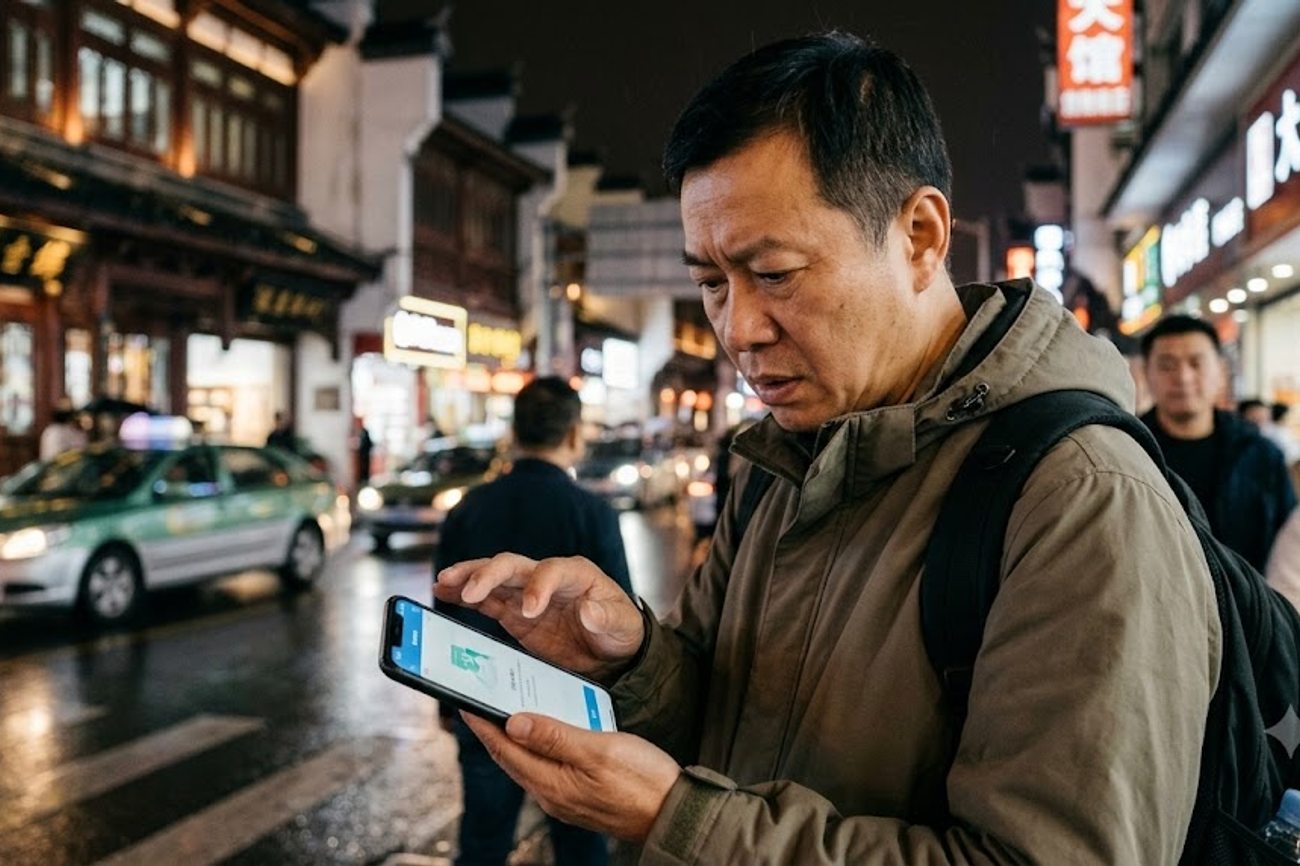
Image generated by AI
[Taipei, January 2026] — Taiwanese and South Korean citizens are driving a massive surge in outbound tourism, with Taiwan recording 18.94 million international trips and South Korea reaching 29.58 million departures in 2025. This travel boom coincides with a windfall in the semiconductor industry, as AI-driven chip demand fuels higher salaries, performance bonuses, and increased share values for employees and investors in the region's tech hubs.
The growth is most pronounced in Taiwan, where outbound travel jumped 12.2% over the previous year. While South Korea’s growth was more moderate at 3%, the sheer volume of its departures continues to provide a critical baseline of demand for aviation and hospitality sectors across Asia. Industry analysts note that while pandemic-era pent-up demand and favorable exchange rates play a role, the concentrated wealth generated by the global AI chip race is transforming how these travelers spend, shifting the focus from simple volume to high-value, premium travel experiences.
The Semiconductor Wealth Effect
The current spike in travel is closely linked to the financial performance of the global semiconductor supply chain. Taiwan and South Korea serve as the primary architects of the advanced chips and memory products essential for artificial intelligence, data centers, and modern automotive technology. As these companies report record earnings, the wealth is filtering down to households through profit-sharing payments and significant performance awards.
Unlike steady monthly wages, these AI-related bonuses often arrive as large, lump-sum payments. This financial structure makes them ideal catalysts for discretionary spending on high-ticket travel items that households typically postpone. This "windfall effect" allows travelers to upgrade from regional economy trips to luxury stays, business-class flights, or extended international vacations.
The economic impact is geographically concentrated. In Taiwan, the wealth is centered around the tech corridors of Tainan, Taichung, and Hsinchu. In South Korea, the influence is strongest in the chip production networks of Yongin, Hwaseong, Pyeongtaek, Cheongju, and Icheon. This concentration allows travel providers to target marketing efforts toward specific affluent residential districts and transport links serving these industrial hubs.
Market Breakdown: Outbound Volume and Destinations
The 2025 data reveals a heavy preference for regional travel, with a small number of destinations capturing the vast majority of the market share.
Taiwan Outbound Trends (2025)
Taiwanese citizens recorded 18,944,436 outbound trips, a significant increase from approximately 16.88 million in 2024. Given Taiwan's population of roughly 23 million, this figure represents roughly eight departures for every ten residents, highlighting a culture of frequent, repeat travel.
| Destination | 2025 Trips | Market Share |
|---|---|---|
| Japan | 6.731 million | 35.5% |
| Mainland China | 3.238 million | 17.1% |
| South Korea | 1.835 million | 9.7% |
| Hong Kong | 1.626 million | 8.6% |
| Vietnam | 1.214 million | 6.4% |
| Thailand | 1.027 million | 5.4% |
South Korea Outbound Trends (2025)
South Korea remains a global outbound powerhouse, with the Korea Immigration Service reporting 29,575,501 departures in 2025. This is a 3% increase over the 28,720,773 departures recorded in 2024. While the growth percentage is lower than Taiwan's, the absolute volume of passengers remains a primary driver for regional airline capacity.
Practical Traveler Advisory and Strategic Insights
For the average traveler or those booking services in these corridors, the "chip boom" manifests as increased competition for premium inventory and a shift in service offerings.
For Passengers: Expect higher occupancy rates and potential price premiums for business-class seats and luxury hotel suites in key Asian hubs. The surge in high-net-worth travelers from the tech sector is driving demand for "premium-economy" and first-class upgrades, particularly on routes connecting Incheon International Airport and Taoyuan International Airport to major leisure destinations.
For Travel Providers: There is a clear pivot toward high-value experiences. Travelers are no longer just seeking the cheapest flight; they are booking private transfers, specialized luxury tours, and high-end ski trips to Japan or Europe. The data suggests that targeting "tech-wealth" demographics in specific cities (like Hsinchu or Pyeongtaek) is more effective than broad national campaigns.
For Regional Destinations: Japan remains the dominant beneficiary, bolstered by a combination of the semiconductor windfall and a favorable exchange rate. This makes luxury shopping, high-end dining, and rail travel more attractive to Taiwanese and South Korean visitors.
The Path Forward: Beyond the Bonus
While the AI chip boom is a current catalyst, it is operating on top of a pre-existing travel culture. Both nations had established habits of taking short, frequent overseas breaks prior to the pandemic. The current growth is a combination of the restoration of business travel, the clearing of postponed family holidays, and the addition of new wealth.
The sustainability of this trend depends on three factors:
- Semiconductor Market Stability: Continued demand for AI hardware will keep bonuses flowing into household accounts.
- Currency Fluctuations: The attractiveness of Japan will fluctuate based on the strength of the Yen against the Won and New Taiwan Dollar.
- Aviation Capacity: The ability of airlines to provide enough aircraft and slots to meet the 12.2% growth seen in markets like Taiwan.
As airlines continue to restore capacity to cities like Tokyo, Osaka, Fukuoka, Bangkok, and Da Nang, the ease of access will likely maintain these high outbound numbers regardless of individual bonus cycles.
FAQ: Asia Tech-Tourism 2026
Why are so many Taiwanese and South Koreans traveling right now? A combination of high AI-chip industry bonuses, the recovery of postponed pandemic travel, and favorable exchange rates (particularly in Japan) has created a surge in outbound demand.
Which destinations are the most popular for these travelers? Japan is the top destination, accounting for 35.5% of Taiwanese outbound trips. Other major markets include Mainland China, South Korea, Hong Kong, Vietnam, and Thailand.
Does the "chip boom" affect everyone in these countries? No. The wealth is concentrated in specific technology hubs like Hsinchu in Taiwan and Pyeongtaek in South Korea, though the broader economic ripple effects influence regional travel trends.
Are flight prices increasing because of this demand? Demand for premium cabins and luxury accommodations is rising. While economy fares remain competitive, there is increased pressure on business-class inventory and high-end hotel availability in regional hubs.
The AI gold rush is no longer just about hardware; it is now fueling a luxury travel renaissance across East Asia.
Tags: TSMC, Samsung Electronics, ICN, TPE, Japan-Taiwan-Route-2025, Semiconductor-Tourism-2026
Related Travel Guides
This article is for informational purposes. Flight routes, passenger regulations, visa rules, and transit advisories are subject to change by airlines and aviation authorities. Readers are advised to verify schedules and travel documentation with relevant carriers and border agencies before departure.
Related Stories

SITA Leads New Aviation Era as Smart AI, Biometrics, and Data Exchange Remove Barriers Across Global Air Travel
Singapore Is Using the New Amap AI Guide to Unlock Better Travel Planning and More Local Adventures