
Wales Food Tourism Rises As Autumn Festival Celebrates Local Flavours Among Europe’s Best Culinary Events: All You Need to Know
Wales Food Tourism Rises As Autumn Festival Celebrates Local Flavours Among Europe’s Best Culinary Events: All You Need to Know

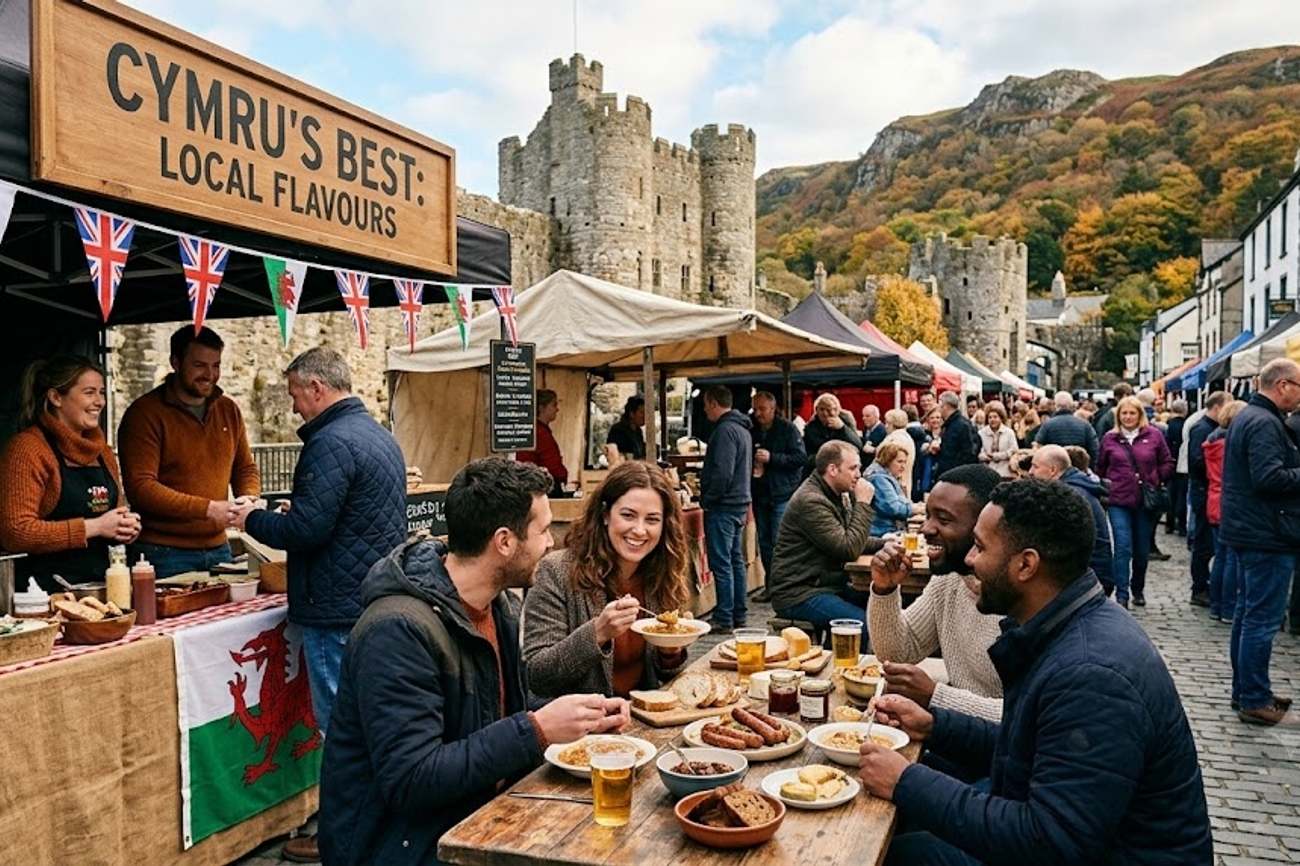
Image generated by AI
Gastronomic tourism in the United Kingdom has shifted from a secondary activity to a primary travel motivator, with a growing segment of European travelers now prioritizing regional food hubs over traditional urban landmarks. In Wales, this movement is evidenced by the strategic expansion of culinary festivals that distribute visitor traffic from primary cities like Cardiff into rural zones such as Abergavenny and Brecon. This pivot aligns with broader data from the World Tourism Organization (UNWTO), which indicates a global rise in "experience-based" travel where authentic local interaction outweighs sightseeing.
The Welsh Culinary Ecosystem in Numbers
The current trajectory of Welsh food tourism is defined by a transition from generic tourism to "niche-geographic" attraction. The infrastructure is now built around five primary culinary pillars that leverage specific regional assets to capture different traveler demographics.
The Abergavenny Food Festival serves as the high-density anchor for the region, integrating the culinary offerings of the Black Mountains and the Brecon Beacons. This creates a symbiotic relationship between gastronomy and outdoor recreation. Meanwhile, the Anglesey Oyster and Welsh Produce Festival targets the seafood market, utilizing the island's unique coastal geography to attract marine-focused tourists.
In urban centers, the Cardiff International Food and Drink Festival acts as a high-volume entry point. Data suggests that urban festivals serve as the primary funnel, introducing international visitors to Welsh flavors before they migrate toward rural experiences like Pembrokeshire Fish Week or the Brecon Beacons Food Festival. This flow is essential for the "shoulder season" economy, as harvest-based festivals in rural Wales provide a financial incentive for visitors to travel outside the peak summer months.
Regional Market Distribution and Comparative Context
When comparing the culinary offerings across Wales, a clear pattern emerges: the coastal regions focus on high-value, perishable seafood, while the interior highlands focus on artisan stability (cheeses, meats, and breads). This diversification prevents internal market cannibalization and encourages "circuit travel," where a visitor may start in Cardiff and move through Abergavenny to Anglesey.
Historically, Welsh tourism was heavily concentrated in a few major landmarks. The shift toward food-centric travel has redistributed the economic impact. According to IATA trends regarding regional connectivity, the rise of secondary destination appeal often correlates with increased demand for local transport and boutique accommodation.
The following table breaks down the current culinary distribution by region and primary attraction:
| Region | Primary Festival | Core Market Segment | Primary Product Focus |
|---|---|---|---|
| South East (Urban) | Cardiff International Food & Drink | International/Generalist | Global-Welsh Fusion |
| South East (Rural) | Abergavenny Food Festival | Artisan/Epicurean | Chefs & Local Producers |
| Mid Wales | Brecon Beacons Food Festival | Agritourism/Nature | Seasonal Farm Produce |
| North Coast | Anglesey Oyster & Produce | Seafood/Coastal | Oysters & Marine Products |
| West Coast | Pembrokeshire Fish Week | Coastal/Heritage | Marine Gastronomy |
This regional specialization allows Wales to compete with other European culinary destinations by offering a "complete" gastronomic circuit—from mountain farming to coastal harvesting—within a relatively small geographic footprint.
What This Means for Travelers
The data indicates that Wales is no longer a destination for a single "sightseeing" trip but is now a destination for a "culinary itinerary." For the individual traveler, this requires a shift in booking behavior.
If you are planning a visit to Wales, particularly during the autumn harvest season, booking accommodation in rural hubs like Abergavenny or Brecon 12-16 weeks in advance is now essential. Because these festivals attract high concentrations of visitors to towns with limited hotel inventories, "last-minute" bookings in these specific zones are increasingly unlikely to be available.
Travelers should prioritize "circuit booking." Rather than basing yourself solely in Cardiff, the data suggests a split-stay strategy: 2 days in the urban center for a broad introduction, followed by 3-4 days in the rural west or north to experience the source of the produce. This reduces transit time and allows for deeper engagement with the artisan producers who drive the local economy.
Furthermore, travelers seeking authenticity should align their visits with the specific harvest windows of the Brecon Beacons and Anglesey. Visiting these regions outside of their festival windows provides a quieter experience, but visiting during the festivals provides direct access to the producers and chefs who are otherwise unavailable to the general public.
Forward Projection: The Shift Toward Sustainable Agritourism
Based on current market movements, the trajectory of Welsh culinary tourism is moving toward "Hyper-Localism." We are seeing a transition from large-scale festivals to integrated agritourism, where the festival is merely the marketing hook for year-round farm stays and producer-led workshops.
The integration of food and nature travel—specifically the combination of hiking in the Black Mountains with gourmet tasting—is a high-growth segment. We expect to see an increase in "slow travel" packages that bundle countryside stays with farm-to-table dining experiences. This movement is supported by Statista data showing a consistent year-over-year increase in consumer preference for sustainable and traceable food sources.
As Wales continues to strengthen its international recognition, the pressure on local infrastructure will increase. The next phase of growth will likely involve the development of more specialized "food trails" that connect the five major festivals into a single, cohesive tourist product, potentially increasing the average length of stay for international visitors from 3-4 days to 7-10 days.
FAQ: Welsh Culinary Tourism 2024-2025
Will food festival prices increase as international recognition grows? Yes. As these events transition from local gatherings to international attractions, expect a rise in "premium" tasting tickets and boutique accommodation rates. Booking early is the only way to lock in current pricing.
Is it better to visit the city or rural festivals first? Start with the Cardiff International Food and Drink Festival. It serves as a comprehensive primer on Welsh cuisine, allowing you to identify specific producers or flavors you wish to seek out in the rural regions.
Which region is best for sustainable travel? The Brecon Beacons and Pembrokeshire regions offer the highest concentration of sustainable, farm-to-table experiences. These areas emphasize the direct link between the landscape and the plate, reducing the carbon footprint of the food.
Are these festivals accessible for non-foodies? Absolutely. The data shows that these events are designed as "lifestyle" experiences. They combine culinary discovery with outdoor activities, such as hiking in the Black Mountains or exploring the beaches of Anglesey.
The map of European gastronomy is being redrawn, and Wales is claiming a significant territory through the strategic marriage of soil, sea, and plate.
#WalesCulinaryGrowth2024 #AgritourismWales #AbergavennyFoodData #WelshSeafoodTrends #SustainableGastronomyWales
Related Travel Guides
Disclaimer
This article is for informational and educational purposes only. It does not constitute legal, financial, or professional advice. While we strive to provide accurate and up-to-date information, travel policies, regulations, and conditions change rapidly. Always verify information with official sources before making travel decisions. Nomad Lawyer makes no representations about the accuracy, reliability, completeness, or suitability of the information provided. Readers should consult qualified professionals for advice specific to their circumstances. The views expressed in this article are those of the author and do not necessarily reflect the views of Nomad Lawyer.
Kunal K Choudhary
Co-Founder & Contributor
A passionate traveller and tech enthusiast. Kunal contributes to the vision and growth of Nomad Lawyer, bringing fresh perspectives and driving the community forward.
Learn more about our team →