
Costa Rica Brings Green Venues and Big Rainforest Experiences Into MICE Tourism
Costa Rica Brings Green Venues and Big Rainforest Experiences Into MICE Tourism

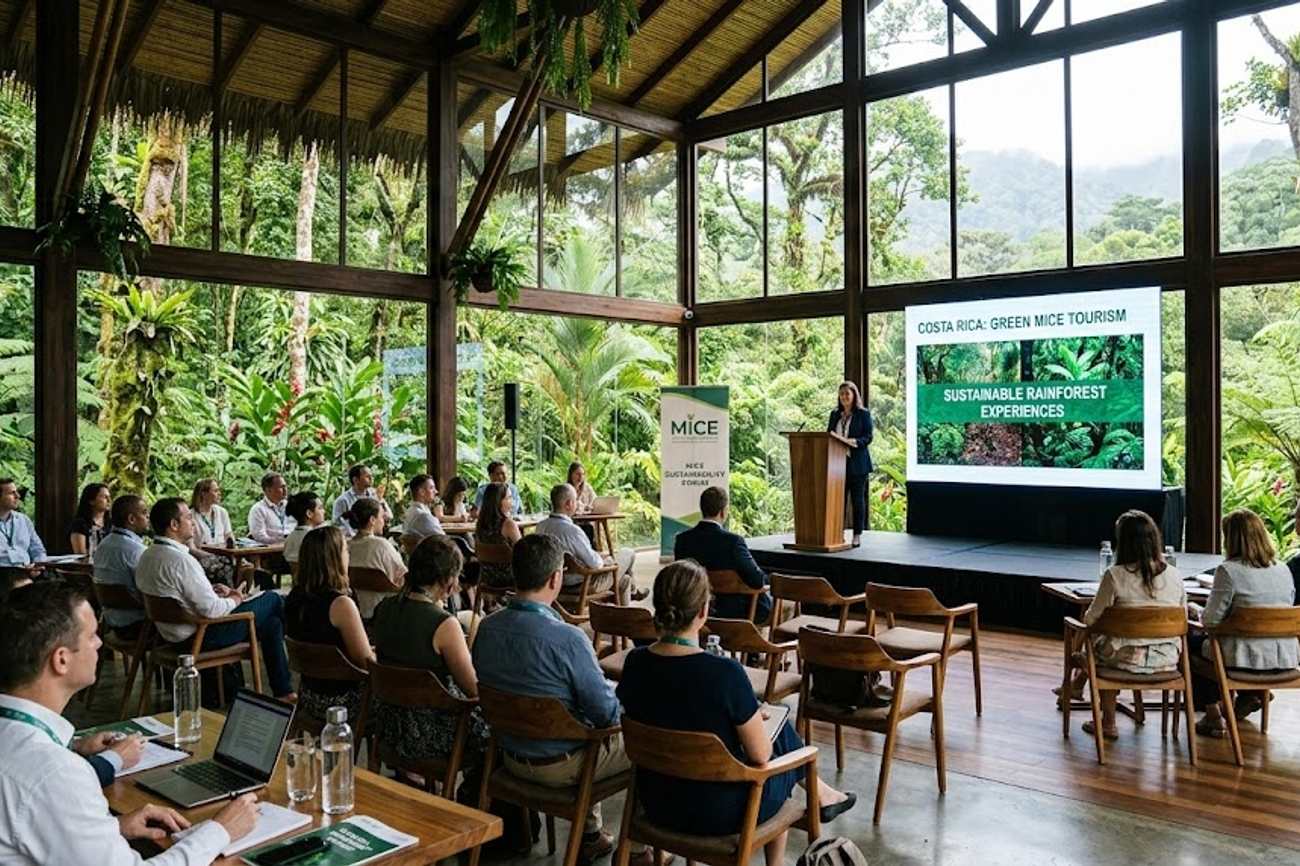
Image generated by AI
Most corporate planners now view the rainforest canopy as a viable alternative to the boardroom, shifting high-level executive workshops from sterile hotels to open-air pavilions. This transition reflects a broader movement in Costa Rica where the "meeting" is no longer a separate entity from the destination, but an extension of the country's ecological identity.
The Shift Toward Regenerative Corporate Travel
The traditional MICE (Meetings, Incentives, Conferences, and Exhibitions) model is undergoing a fundamental transformation in Costa Rica. While San José remains the primary gateway for international delegations, the focus has shifted from mere luxury to measurable sustainability. We are seeing a surge in conferences specifically tied to life sciences, renewables, and clean technology, particularly during the September peak. These events are not just hosted in the city; they are designed to mirror the environmental ethics of the host nation.
For those organizing large-scale events, the Costa Rica Convention Centre has become the anchor of this movement. Located west of the capital, the facility is a case study in sustainable architecture, utilizing natural lighting and sophisticated water-management systems to reduce the carbon footprint of thousands of attendees. However, the real trend is the integration of ESG (Environmental, Social, and Governance) metrics into event planning. Planners are no longer satisfied with vague "green" claims; they are demanding hard data on waste diversion, energy consumption, and the percentage of local procurement used to feed and house their delegates.
What Makes the Central Valley and Beyond Unique
The geographic layout of Costa Rica allows for a "hybrid" itinerary that is nearly impossible to replicate elsewhere. A delegation can spend their mornings in a high-tech plenary session in the Central Valley and their afternoons engaged in reforestation projects. This is not mere sightseeing; it is a shift toward regenerative tourism. Instead of simply minimizing harm, corporate groups are now participating in habitat restoration and tree planting, turning a business trip into a tangible contribution to the local ecosystem.
Beyond the capital, the Nicoya Peninsula is redefining the "incentive" portion of corporate travel. Known globally as one of the world's Blue Zones—regions where people live significantly longer than average—Nicoya is being used as a living laboratory for corporate wellness. Companies are replacing standard golf outings with mindfulness retreats, longevity-focused nutritional workshops, and community-based farming experiences. This allows executives to pivot from the high-pressure environment of a San José conference to a slower, health-centric rhythm that emphasizes mental clarity and physical longevity.
Visitor Insider Tips
Navigating Costa Rica as a professional traveler requires a different approach than that of a backpacker. To truly experience the region through a local lens, consider these strategies:
Timing and Logistics If you are visiting during the September conference season, be mindful of the "green season" rains. While the rain often comes in heavy bursts in the afternoon, it is the best time to see the landscapes at their most vibrant. To avoid the notorious San José traffic, schedule your transfers to the Costa Rica Convention Centre outside of peak rush hours, or utilize dedicated shuttle services rather than relying on ride-share apps during the morning commute.
Dining and Procurement Avoid the international hotel buffets. The real culinary value lies in "farm-to-table" procurement. Seek out Sodas—small, family-run eateries—for an authentic Casado (a traditional platter of rice, beans, salad, and protein). For corporate groups, hiring local artisans and food producers for catering not only supports the local economy but provides a cultural immersion that a hotel ballroom cannot offer.
Etiquette and Interaction Costa Ricans, or Ticos, value politeness and a relaxed pace, known as Pura Vida. In a business context, this means that while professionalism is expected, building a personal rapport is essential. Do not rush straight into a business agenda; allow time for social conversation.
Base of Operations While San José is the hub, consider basing your group in the Central Valley’s outskirts. This provides immediate access to the coffee plantations and volcanic landscapes while keeping you within a short drive of the city's professional infrastructure.
Cultural and Environmental Context
The intersection of high-volume business tourism and environmental preservation is a delicate balance. Costa Rica has spent decades building a global brand based on biodiversity, and the MICE sector is now the latest frontier in this effort. The move toward "regenerative" experiences is a direct response to the risks of over-tourism. By steering corporate groups toward reforestation and community-led projects, the country ensures that the economic benefits of a 500-person conference extend beyond the hotel walls and into the hands of local farmers and conservationists.
Furthermore, the emphasis on UNESCO-recognized biodiversity and protected areas means that tourism is often the primary funding mechanism for conservation. When a corporate group pays for a guided tour of a rainforest canopy or a visit to a sustainable farm, they are effectively subsidizing the protection of that land. The challenge remains in managing the carbon footprint of international flights, which is why the current push for nature-based offsets and local carbon sequestration projects is so critical to the national strategy. For more on the global standards of these protected areas, the UNESCO World Heritage Centre provides excellent context on why these landscapes are non-negotiable assets.
FAQ: Visiting Costa Rica 2025
What is the best time to visit for business events? While the September window is currently seeing a surge in sustainability and innovation conferences, the dry season (December to April) is most popular for general tourism. For those seeking a balance of professional infrastructure and lush scenery, the "shoulder" months of May and November offer a great compromise.
Do I need a visa for a business trip? Citizens of many countries, including the US, Canada, and most EU nations, do not need a visa for short-term business or tourist visits. However, always verify current requirements via the official government portal or your local embassy before booking.
How do I get from San José to the Nicoya Peninsula? The journey from the capital to Nicoya typically takes several hours by car. For corporate groups, private shuttles are the most efficient option. Some executives also opt for domestic flights to nearby airstrips to maximize their time in the Blue Zone.
Is Costa Rica safe for solo business travelers? Yes, Costa Rica is generally very safe. In San José, stick to registered taxis or hotel transport at night. Like any major city, remain aware of your surroundings and avoid displaying expensive jewelry or electronics in crowded public areas.
Trade the fluorescent lights of the boardroom for the emerald canopy of the cloud forest—your productivity will thank you.
#CostaRicaMICE #SanJoseBusinessTravel #RegenerativeTourism #NicoyaBlueZone #SustainableEvents2025
Related Travel Guides
- Wales Food Tourism Rises As Autumn Festival Celebrates Local Flavours Among Europe’s Best Culinary Events: All You Need to Know
- Anantara Teams Up With Alfa Romeo For A Premium European Road Journey Across Iconic Landscapes
- AI Takes Centre Stage as Rural and Tribal Transport Safety Webinar Explores New Technology
Disclaimer
This article is for informational and educational purposes only. It does not constitute legal, financial, or professional advice. While we strive to provide accurate and up-to-date information, travel policies, regulations, and conditions change rapidly. Always verify information with official sources before making travel decisions. Nomad Lawyer makes no representations about the accuracy, reliability, completeness, or suitability of the information provided. Readers should consult qualified professionals for advice specific to their circumstances. The views expressed in this article are those of the author and do not necessarily reflect the views of Nomad Lawyer.
Kunal K Choudhary
Co-Founder & Contributor
A passionate traveller and tech enthusiast. Kunal contributes to the vision and growth of Nomad Lawyer, bringing fresh perspectives and driving the community forward.
Learn more about our team →