China Is Now on Alert as New AI Tourism Scams Put Travellers at Risk and Make Holidays Much More Costly


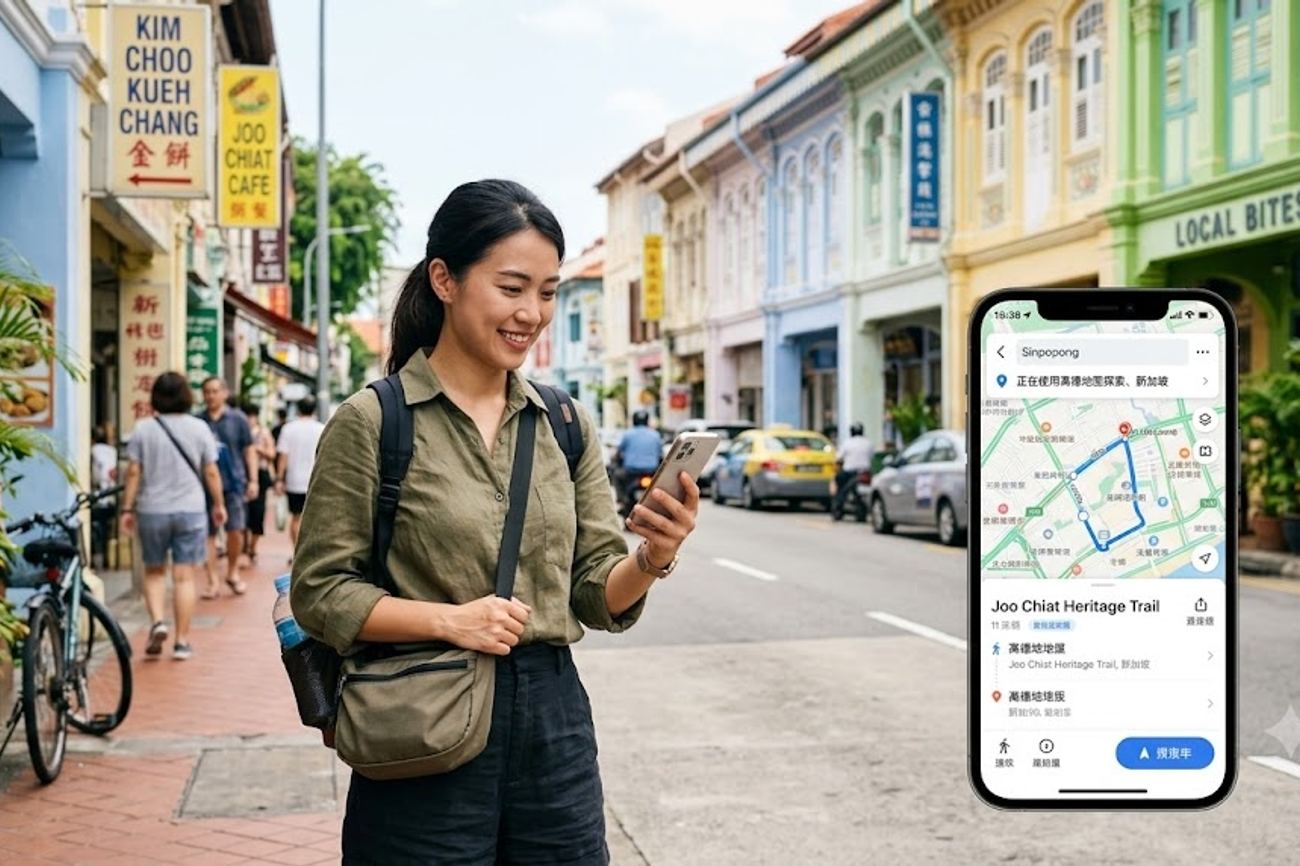
Image generated by AI
[Geneva, September 22, 2026] — International authorities and global regulatory bodies are warning travelers that artificial intelligence is now being leveraged to create highly sophisticated tourism scams, including the fabrication of non-existent attractions and the manipulation of digital travel data.
The alert follows a surge in reports involving allegedly invented tourist sites in China, Italy, and Australia. While viral claims suggest a systemic rise in "phantom attractions," officials from the Organisation for Economic Co-operation and Development (OECD) and European regulators clarify that the primary threat is not the physical absence of sites, but the digital infrastructure used to deceive consumers into sharing personal data and financial assets.
The Catalyst of Digital Deception
The current crisis is driven by the rapid integration of generative AI into travel planning. These tools can now produce photorealistic images, convincing video tours, and thousands of synthetic visitor reviews in seconds. When this fabricated content is mirrored across search engines, social media, and automated itinerary tools, it creates a "consensus of authenticity" that misleads travelers into believing a destination is legitimate.
According to a December 2024 research paper from the OECD, while AI offers benefits for destination management, it introduces severe cybersecurity weaknesses and privacy failures. The ability of AI to contaminate online platforms with fake reviews has eroded the reliability of traditional digital vetting processes, making it nearly impossible for the average traveler to distinguish a genuine heritage site from a digitally manufactured fraud.
Markets and Routes Under Scrutiny
While reports of specific "fake" attractions have trended online, official verification remains elusive for several high-profile claims. The following areas have been identified as focal points for these digital risks:
- China: Reports of "heritage-style villages" being used as nationwide fraud operations. Authorities note that while reconstructed villages exist, they only become scams when their age or authenticity is materially misrepresented.
- Italy (Arcugnano): Viral claims regarding a modern amphitheater, including specific reports of a €40 admission fee, have not been verified by municipal or government sources.
- Australia (Tasmania): Allegations of imaginary natural hot springs have circulated, though official tourism boards have found no evidence of such a coordinated scam.
- European Union: A broader systemic risk involving fraudulent accommodation listings and imitation websites designed to steal booking deposits.
Practical Traveler Advisory and Strategic Insights
For the modern nomad or vacationer, this shift in fraud tactics means that "social proof"—the act of checking reviews and photos before booking—is no longer a foolproof security measure.
Passenger and Traveler Impact:
- Financial Loss: Travelers risk paying for non-refundable transport, parking, and guided services for destinations that do not exist or are closed.
- Physical Safety: Following AI-generated maps to non-existent sites can lead travelers onto private property, unsuitable roads, or into isolated, dangerous terrain.
- Data Exposure: Fake booking sites for these "attractions" are often fronts for phishing operations designed to harvest credit card details and passport information.
- Booking Friction: Legitimate businesses are seeing an increase in payment disputes and complaints as travelers confuse genuine sites with the fabricated versions circulating online.
Regulatory Response and Future Safeguards
Governments are moving from voluntary guidelines to hard regulation to combat AI-driven travel fraud. In August 2025, European institutions launched a voluntary code for accommodation ratings to increase transparency. This was expanded in February 2026 as more tourism organizations joined the framework to certify the origin of reviews.
Further protections have been integrated into the European Union's Digital Services Act (DSA), with updated guidance issued in May 2026. The DSA now mandates that digital platforms must:
- Acknowledge formal notices regarding fraudulent travel content.
- Communicate final decisions on the removal of scam listings.
- Provide clear appeal routes for legitimate businesses unfairly flagged as scams.
The Federal Trade Commission (FTC) and similar consumer-protection agencies in the US continue to warn against imitation websites and unsafe payment requests, urging travelers to use official government portals for all visa and entry requirements, which remain unchanged despite the rise in tourism scams.
FAQ: AI Tourism Scams 2026
Are there new visa requirements because of these scams? No. National border authorities confirm that existing passport and visa policies remain unchanged. The current risks are related to consumer fraud and digital deception, not immigration or border law.
How can I tell if a tourist attraction is AI-generated? Be skeptical of sites that only appear on social media or AI-itineraries. Cross-reference the attraction with official municipal government websites or recognized national tourism boards rather than relying on user reviews.
What should I do if I paid for a fake attraction? Immediately contact your bank to dispute the charge. Report the fraudulent listing to the platform where you found it and file a report with the relevant consumer protection agency in your home country.
Are all reconstructed villages in China scams? No. Reconstructed or themed attractions are legal and common. A site is only considered a scam if its location, facilities, or historical authenticity are intentionally misrepresented to defraud the visitor.
Verify the source, not the review.
Related Travel Guides
This article is for informational purposes. Flight routes, passenger regulations, visa rules, and transit advisories are subject to change by airlines and aviation authorities. Readers are advised to verify schedules and travel documentation with relevant carriers and border agencies before departure.
Related Stories

SITA Leads New Aviation Era as Smart AI, Biometrics, and Data Exchange Remove Barriers Across Global Air Travel

China, India And More Countries Drive Travel AI Revolution As Millions Turn To Artificial Intelligence For Holiday Ideas